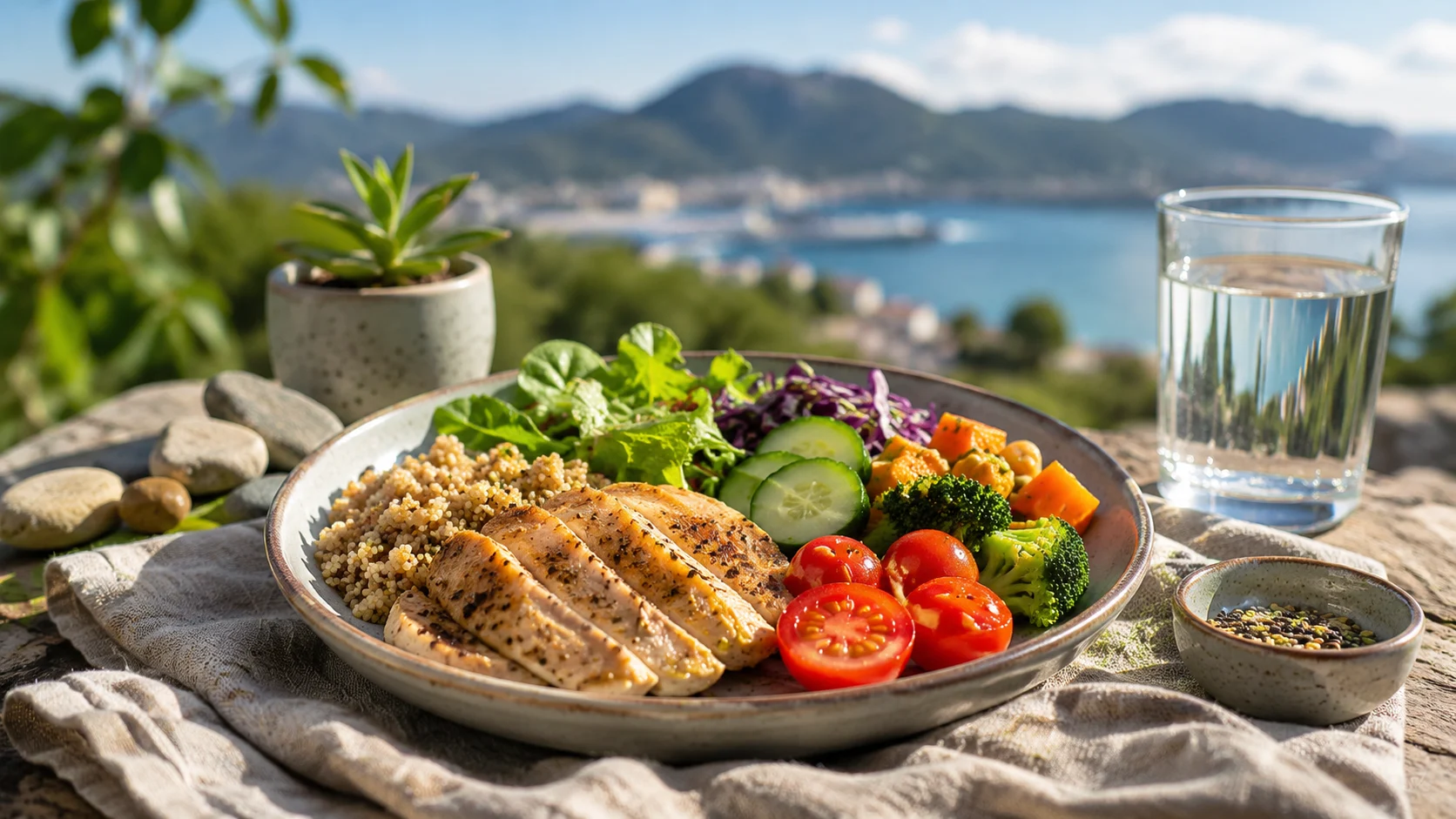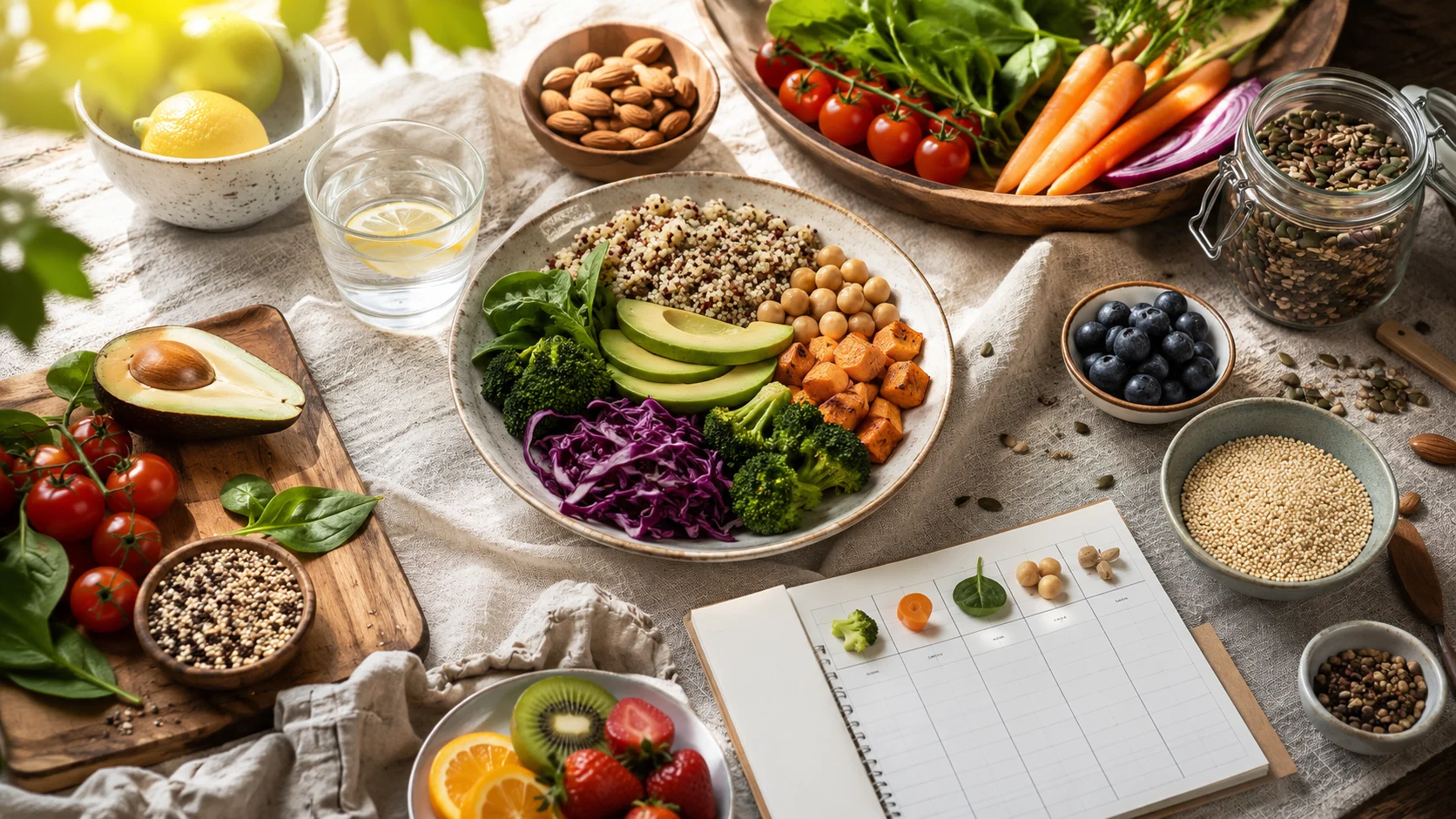

The Day She Realized More Rules Were Not Helping
A food freedom journey often begins in a surprising place: not when someone “gives up,” but when she notices that more control is not creating more peace. She may have spent years trying to be “good” with food, only to find herself thinking about it more, craving it more, and feeling farther from trust. What looks like a lack of discipline is often a body asking for steadier nourishment, emotional safety, and a little more room to breathe.
For many women, the food freedom journey does not start with perfect confidence. It starts on an ordinary afternoon, maybe at a desk around 3 p.m., when the mind reaches for another rule and the body quietly asks for a snack, rest, or comfort. That moment matters. It is not failure. It is information.
Body trust is not built by winning against hunger. It is built by listening before hunger has to shout.
The Hidden Weight of “Being Good” With Food
There is a common belief that food peace comes from tighter structure, firmer restriction, and fewer “tempting” foods in the house. Yet many women discover the opposite. The more food is moralized, the more emotionally charged it can become. Dessert starts to feel dramatic. Bread feels loaded. A simple craving can carry the emotional tone of a test.
On a food freedom journey, one of the first shifts is seeing that labeling foods as worthy or unworthy often keeps the cycle alive. When the body senses scarcity, cravings can grow louder. Research has long observed that restriction can increase preoccupation with food, and chronic dieting is linked with a greater risk of binge eating behaviors in some people. In other words, the body is not being difficult. It is being protective.
That is why this process is less about “letting go of standards” and more about building a gentler kind of structure—one that supports steady energy, satisfaction, and emotional ease.

The Gentle Compass Method
Instead of using food rules like a courtroom, this article offers a softer micro-framework: the Gentle Compass Method. It has four quiet directions that can help anchor a food freedom journey in real life.
- North: Notice body signals. Before reacting to a craving, she can pause and ask what the body might be saying. Is this hunger, stress, boredom, loneliness, or simple fatigue after a long day?
- East: Ease the restriction. If certain foods have been heavily controlled, even a small act of permission can reduce their emotional intensity over time. Permission is not chaos; it is a way of lowering panic around food.
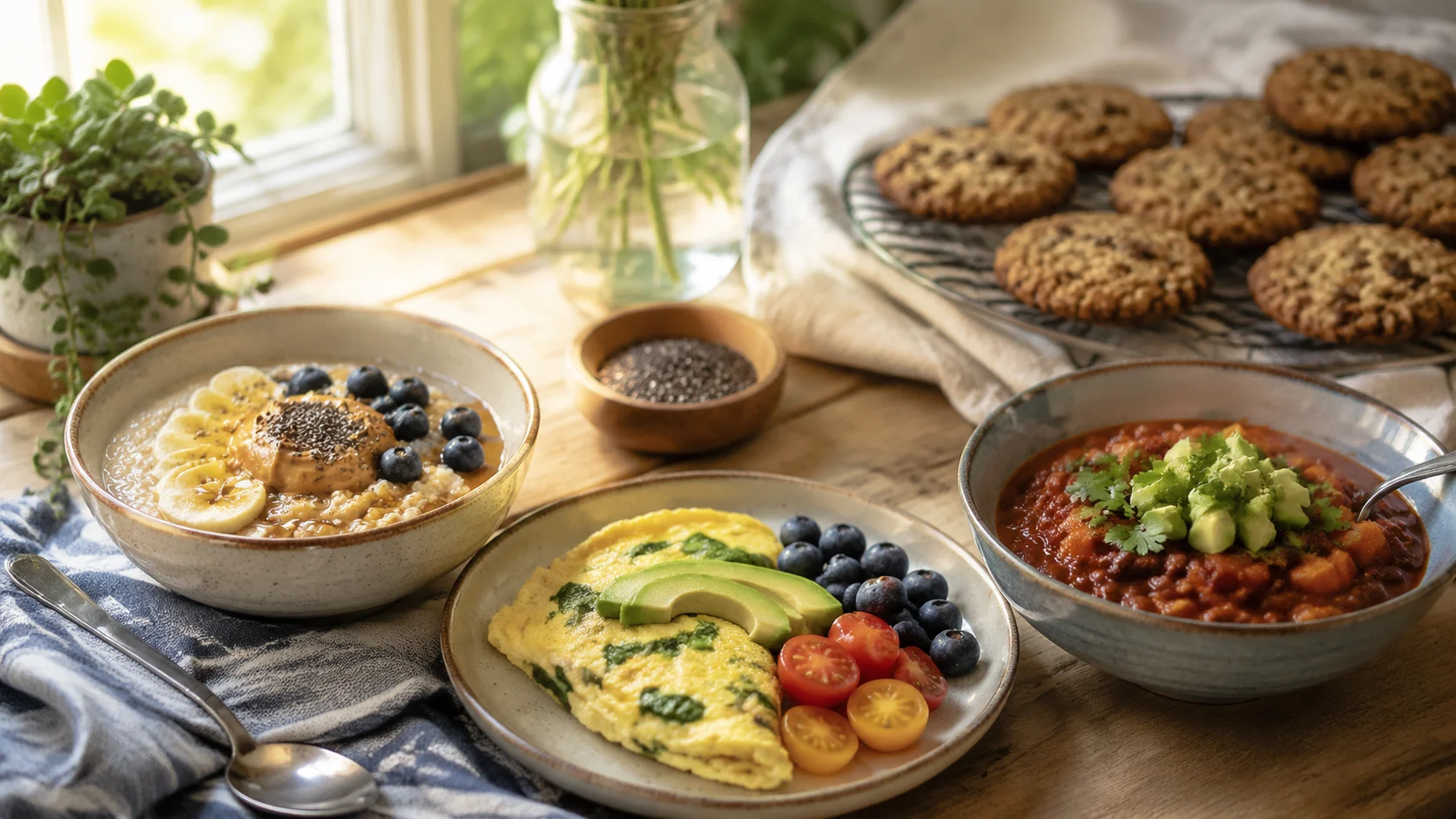
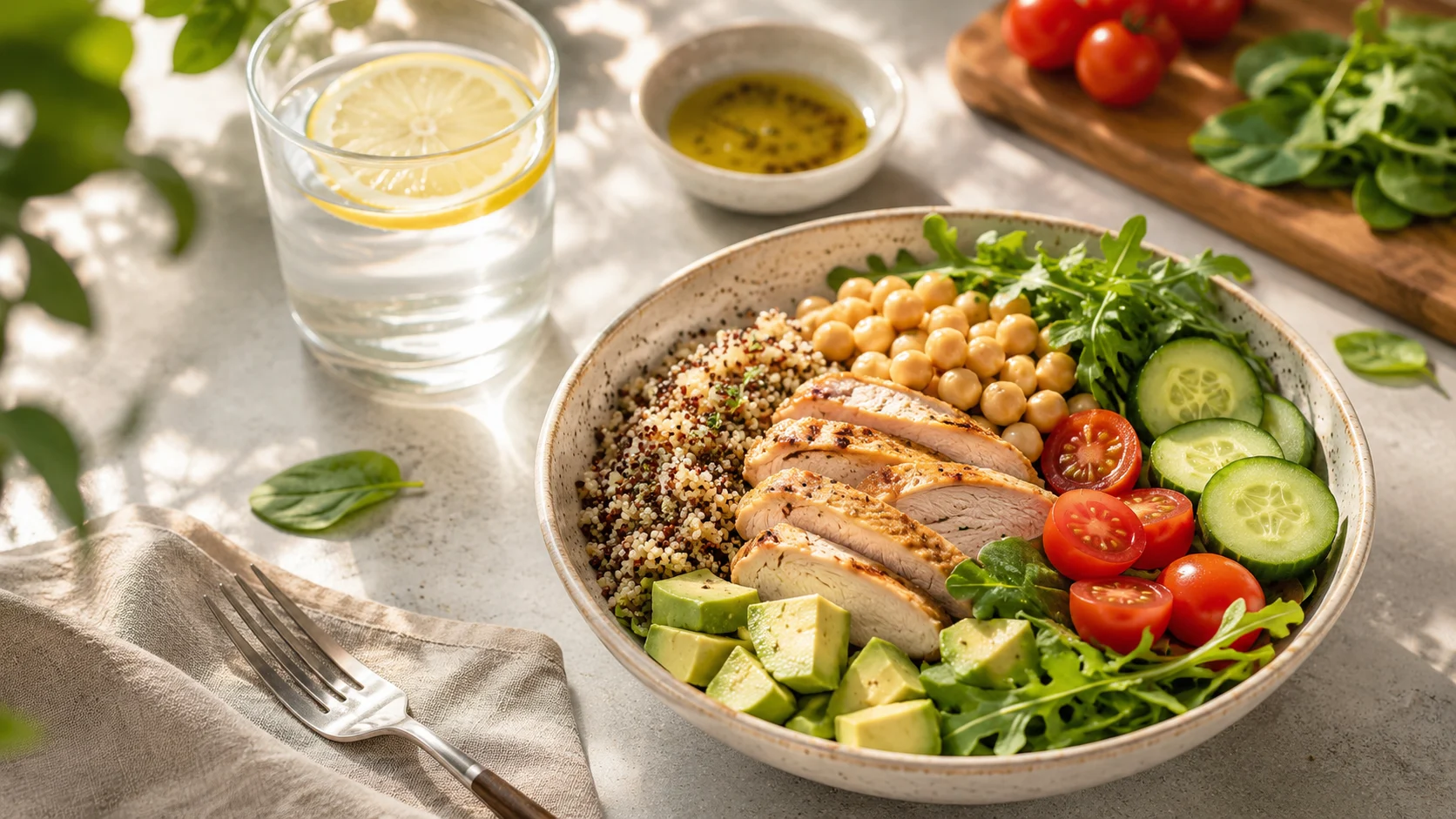
- South: Steady the meal. A meal with enough substance often changes the whole emotional weather of the day. Think of warm toast with eggs and avocado in the morning, or a rice bowl with salmon and roasted vegetables at lunch—comforting, balanced, and grounding.
- West: Welcome satisfaction. Fullness is not only physical. Sometimes the missing piece is pleasure: the crunch, the warmth, the sweetness, the sense of being cared for. Satisfaction helps a meal feel complete.
This is what makes a food freedom journey feel practical instead of abstract. It is not only about mindset. It is also about feeding the body consistently enough that it no longer has to send emergency signals.
The goal is not to become a person who never wants comfort food. The goal is to become a person who no longer feels afraid of wanting it.
What the Middle of the Journey Often Looks Like
The middle of a food freedom journey can feel tender. At first, permission may feel messy, especially for someone who has spent years measuring worth through restraint. She may wonder if she is “doing it wrong” because food feels more present for a while. That can be part of the recalibration.
When the body starts to believe that food is truly available, urgency often softens. Not overnight, and not in a perfectly linear way, but gradually. A cookie can become just a cookie. Dinner can become dinner, not a referendum on character.
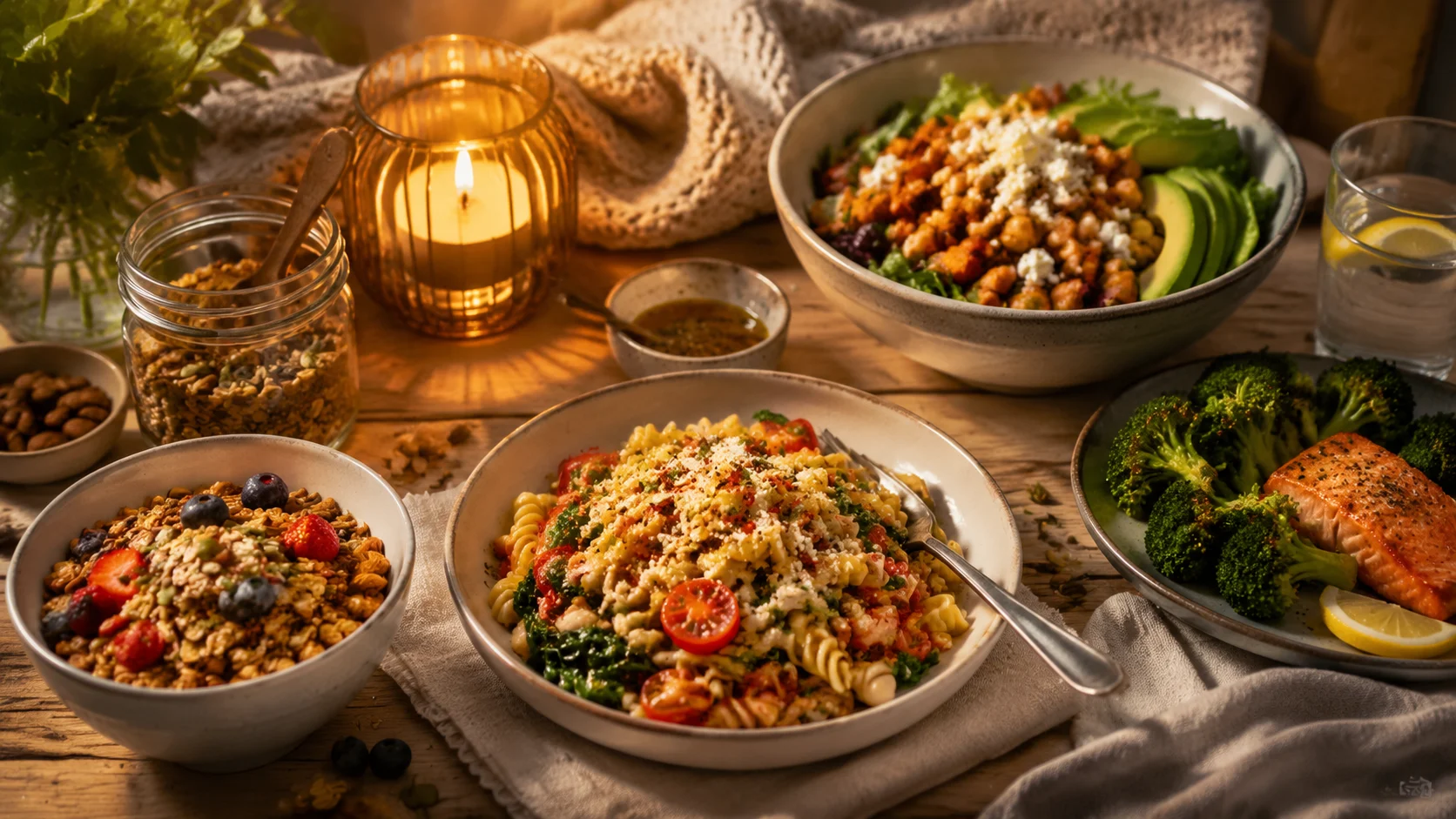
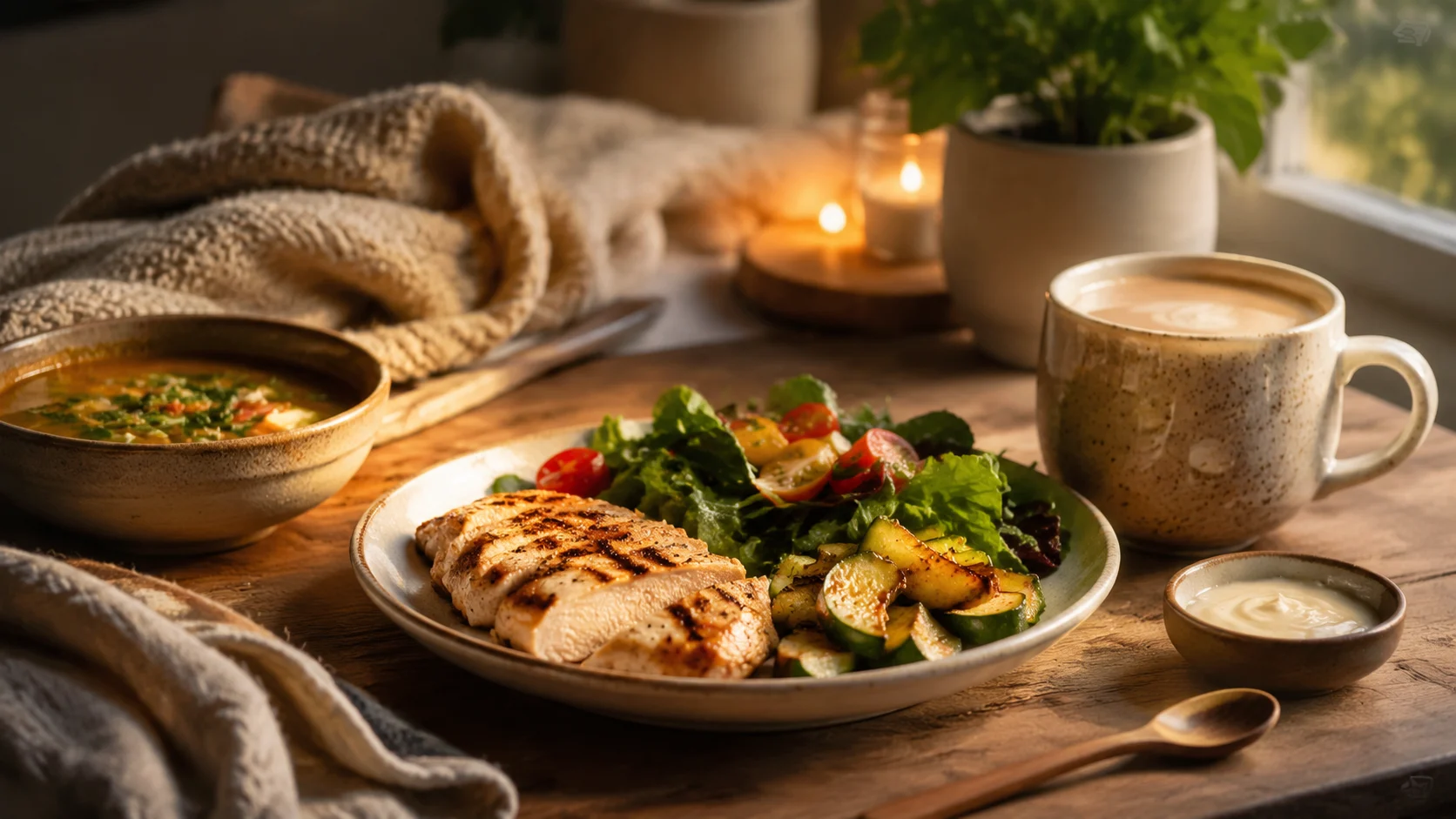
It can help to keep meals steady during this phase. Skipping lunch and then trying to “be mindful” at 9 p.m. is often asking too much of an exhausted body. Real-life nourishment might look like a yogurt bowl with berries and walnuts between meetings, or a comforting pasta dinner with chicken and spinach after a draining commute. These are not moral victories. They are acts of support.
Questions That Often Come Up
What if I feel out of control when I stop restricting?
That fear is very common. For many women, increased focus on certain foods is a response to past scarcity. With time, consistency, and enough nourishment, urgency often settles.
Does a food freedom journey mean eating anything all the time?
Not quite. It means moving away from fear-based rules and toward choices that honor hunger, satisfaction, energy, and comfort. Gentle structure still matters; it just does not come from punishment.
How do I know if a craving is emotional or physical?
Sometimes it is both. A craving after a hard day may carry emotional weight, but that does not make it less real. Looking at the last meal, stress level, and energy dip can offer clues without judgment.
What if I still want dessert even after dinner?
That does not automatically mean anything is wrong. Sometimes the body wants sweetness, pleasure, or simply a sense of completion. Curiosity tends to be more helpful than self-criticism.
Please note: Every body has its own rhythm. This gentle guide is for educational purposes only and does not replace personalized advice from a healthcare professional or registered dietitian, especially if food struggles feel intense or persistent.