
When the Freezer Aisle Becomes a Kind Place
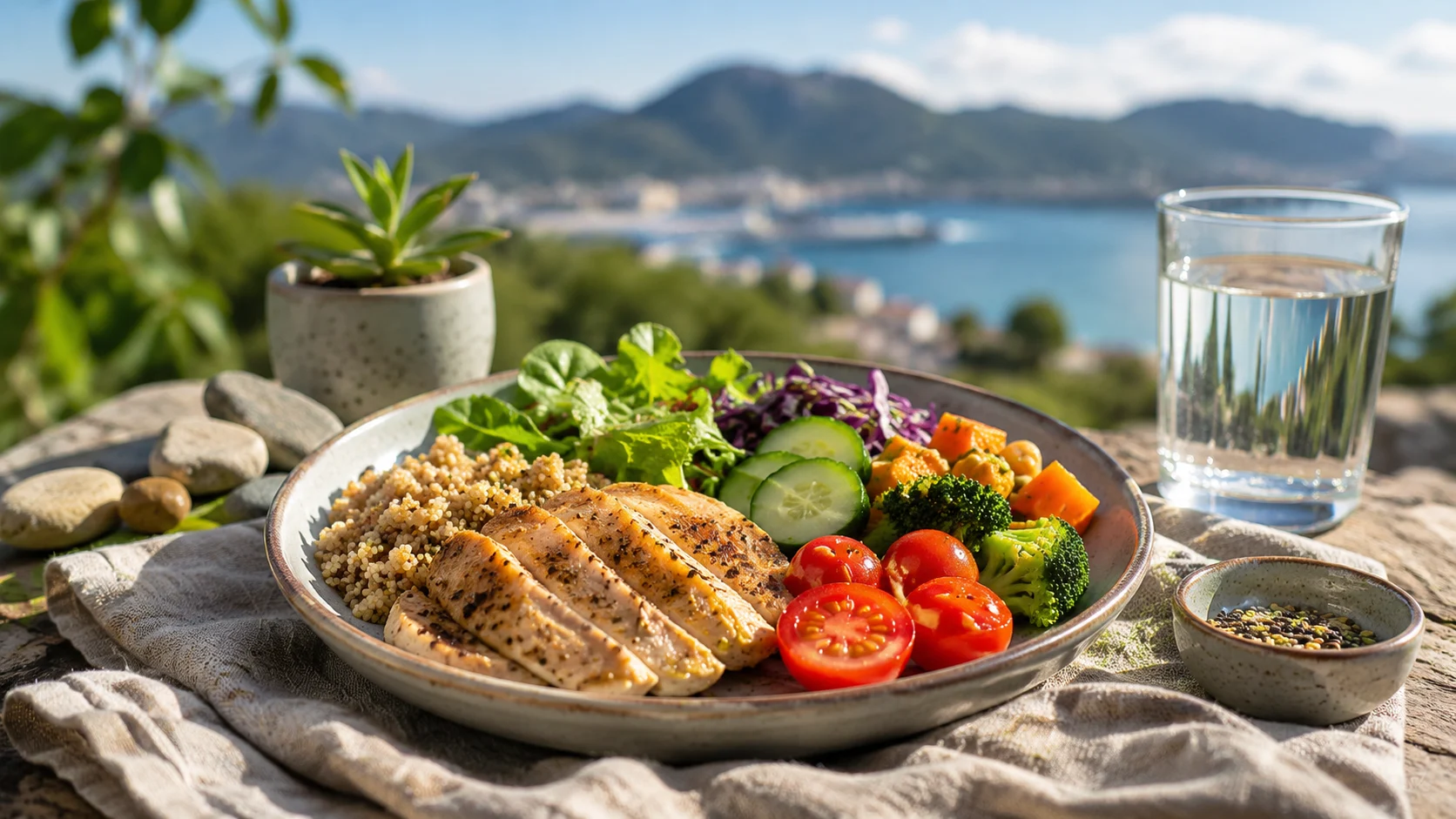
Many women have been taught to see frozen dinners as a last resort. But balanced frozen meals can be one of the most realistic ways to support steady energy on days when cooking feels impossible. For the woman standing in her kitchen at 7 p.m., too tired to chop, sauté, or plan, a thoughtfully chosen frozen meal is not failure. It is care, made practical.
The deeper misunderstanding is this: people often assume nourishment only “counts” when it is homemade. In real life, that idea quietly creates stress. A meal does not have to be perfect to be supportive. It simply needs to bring enough protein, fiber-rich carbs, color, and satisfying fat to help the body feel steadier afterward.
Body care is not a performance. It is often just the next kind thing within reach.
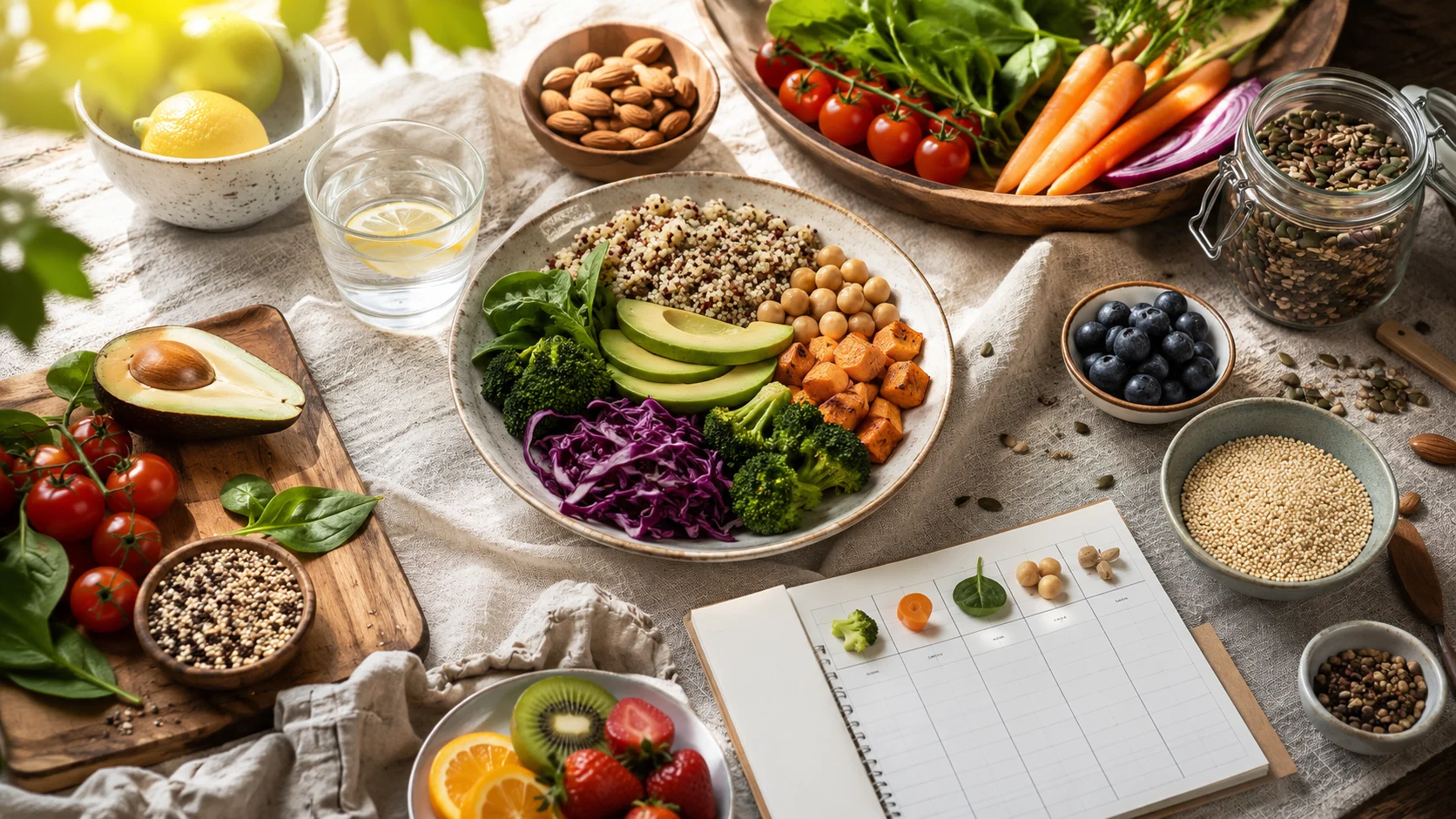
That is where the article’s gentle framework can help: the Freezer Balance Lens. Instead of judging a box by wellness marketing or by guilt, she can look for three soft signals: something grounding, something sustaining, and something comforting. Grounding usually means carbohydrates for energy. Sustaining often means protein and fat for fullness. Comfort might be warmth, flavor, or a familiar texture that makes the meal easier to enjoy.
The Freezer Balance Lens: What to Look For Without Overthinking
In the frozen aisle, simplicity helps more than rules. A balanced frozen meal often includes a visible protein source, a carbohydrate that actually satisfies, and at least some vegetables or beans. Many diet messages teach women to scan only for calories, but that number rarely tells the whole story of how a meal will feel in the body an hour later.
- Look for protein that feels present. Somewhere around 15 to 25 grams can be a helpful range for many adults, especially if the meal is meant to carry her through an evening. Think of tender chicken with rice, lentil pasta in sauce, or tofu tucked into vegetables and noodles.
- Let carbohydrates stay in the picture. Rice, potatoes, pasta, or grains are not a nutritional flaw. They are often the part that helps a tired body exhale and feel fed.
- Notice fiber and color. Vegetables, beans, or whole grains can make the meal feel steadier and more satisfying, not because they make it “better,” but because they support staying power.
- Invite satisfaction back in. If the meal seems a little small or plain, pairing it with buttered toast, sliced avocado, fruit, or a warm soup can make it feel more complete.
One large observational review has suggested that meals with a more balanced mix of protein, fiber, and satisfying carbohydrates tend to support better fullness and steadier energy than meals built mostly around refined carbs alone. That does not mean every meal needs perfect proportions. It simply reminds her that composition matters just as much as quantity.
A meal that keeps her steady is often more nourishing than a meal that only looks healthy on the box.
What Balanced Frozen Meals Can Look Like on a Tired Tuesday
Picture a woman dropping her bag by the door, opening the freezer, and reaching for what is possible. Balanced frozen meals do not need to be glamorous. They need to work with life.
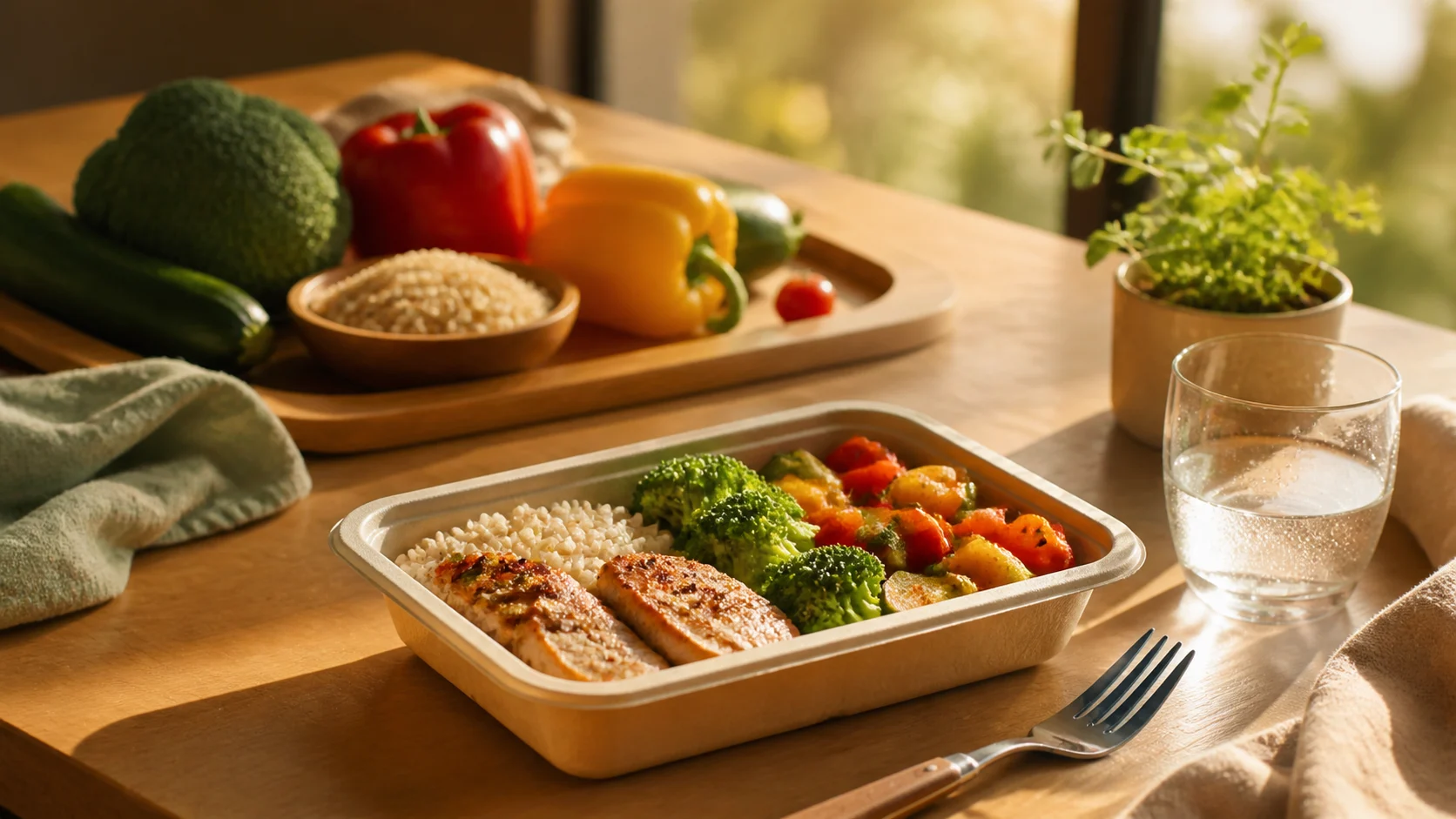
A bowl with brown rice, chicken, and vegetables may already be enough for some nights. On hungrier evenings, she might add a handful of edamame while it heats, or eat it with a small bowl of berries and yogurt. A vegetable lasagna can become more grounding with a side salad and olive oil, or simply a slice of crusty bread. A bean burrito bowl may feel more satisfying with shredded cheese, salsa, or a few tortilla chips for crunch and comfort.
This is the quiet art of real-life nutrition: not replacing convenience, but supporting it. The freezer can hold relief, not just backup plans.
The Labels That Matter Less, and the Cues That Matter More
Packaging often shouts words like “light,” “protein-packed,” or “healthy choice,” but those labels do not always tell her whether the meal will actually nourish her. Sometimes the more helpful question is softer: Will this help her feel fed, comforted, and steady enough for the rest of the evening?
If a frozen meal leaves her prowling the pantry 20 minutes later, that is not a character flaw. It may simply mean the meal needed more staying power. Adding nuts, fruit, soup, bread, or a dip on the side can turn an almost-meal into a complete one. Choosing balanced frozen meals is less about finding the “perfect” box and more about building a gentler response to hunger in the moment.
Please note: Every body has its own rhythm, appetite, and needs. This gentle guide is for educational purposes and does not replace personalized advice from a healthcare professional or registered dietitian, especially if someone is managing a medical condition, digestive concerns, or a history of disordered eating.
You Might Also Wonder
What if frozen meals are the only dinner I can manage this week?
That can still be a caring week of eating. If frozen meals are what life allows right now, adding a simple side like fruit, yogurt, toast, or a bagged salad can bring more balance without creating extra pressure.
Are balanced frozen meals too high in sodium?
Some are higher in sodium, yes, but context matters. One meal does not define health. If sodium is something she personally needs to monitor, she can compare labels and pair meals with potassium-rich foods like beans, sweet potatoes, or fruit across the day.
What if I am still hungry after eating one?
Then hunger is giving useful information. She may need more volume, more protein, or simply more food overall. Adding a side is not “overeating.” It is responding.
Can balanced frozen meals support steady energy at work too?
Absolutely. A freezer meal at lunch can be more supportive than skipping lunch or grabbing something that leaves her crashing by three o’clock. Pairing it with fruit, nuts, or a drink she enjoys can make the meal feel more complete.