
The Meal Isn’t “Too Carb Heavy” — It May Simply Be Incomplete
She sits down to lunch with a salad and a few crackers, then wonders why she is rummaging through the pantry by 3 p.m. The usual story says she needs more discipline. A kinder and more accurate story is this: her body may be asking for a better carbs protein fat balance. In real life, steady energy often has less to do with eating less and more to do with eating in a way that feels complete.
Carbs protein fat balance is not a rigid formula. It is more like giving a meal enough legs to carry her through the next few hours. Carbohydrates offer quick, usable energy. Protein helps a meal feel grounding and satisfying. Fat adds staying power, comfort, and flavor. When these work together, the body often feels less frantic, less snack-seeking, and easier to trust.
Body signals are not a character flaw. They are often a quiet report about what support is missing.
One review published in Advances in Nutrition has noted that meals containing protein, fiber, and fat tend to support greater fullness than refined carbohydrates alone. That does not mean carbs are the problem. It means carbs often feel better when they arrive with company.
The Gentle Trio Method for Steadier Energy
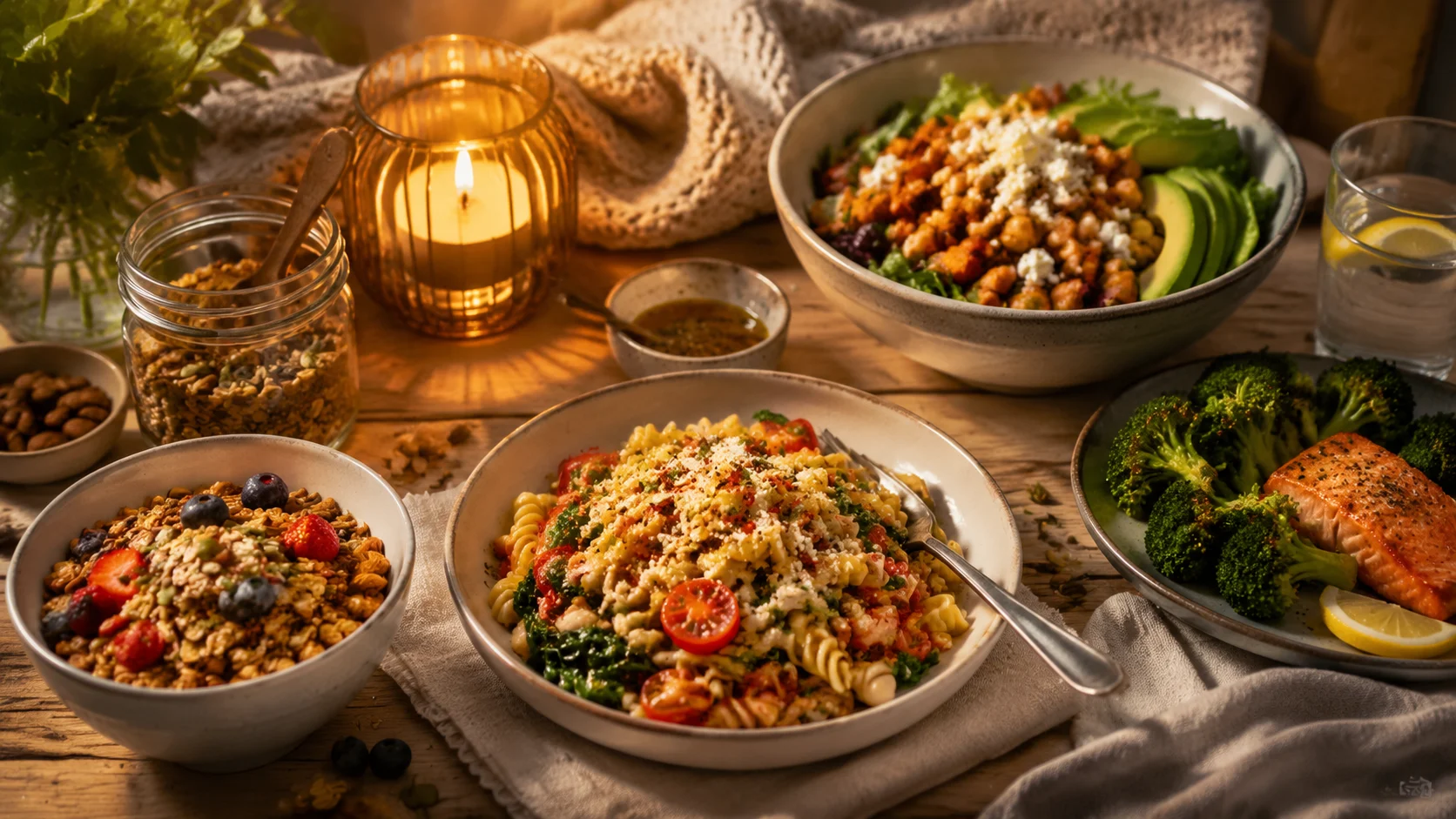
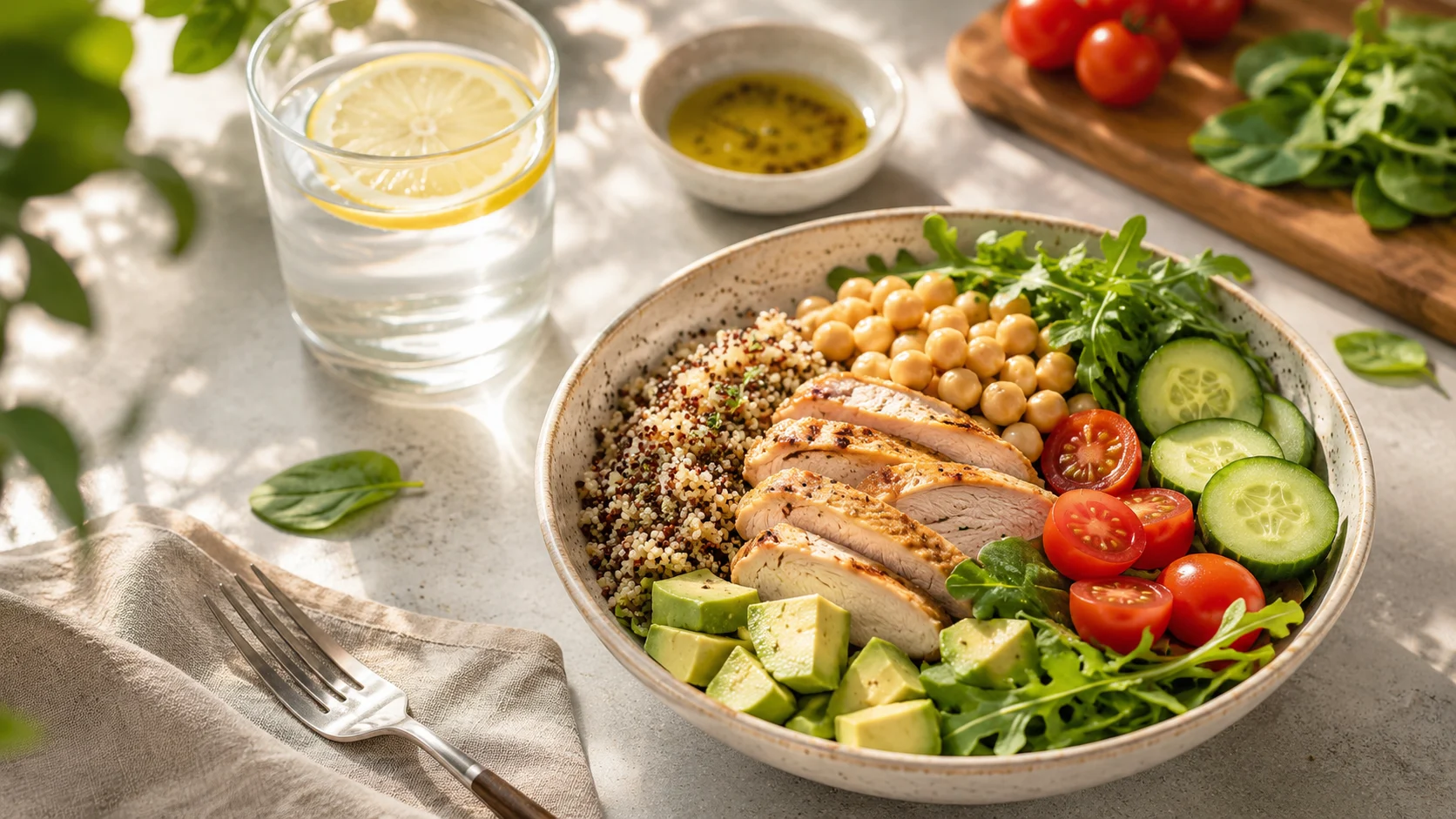
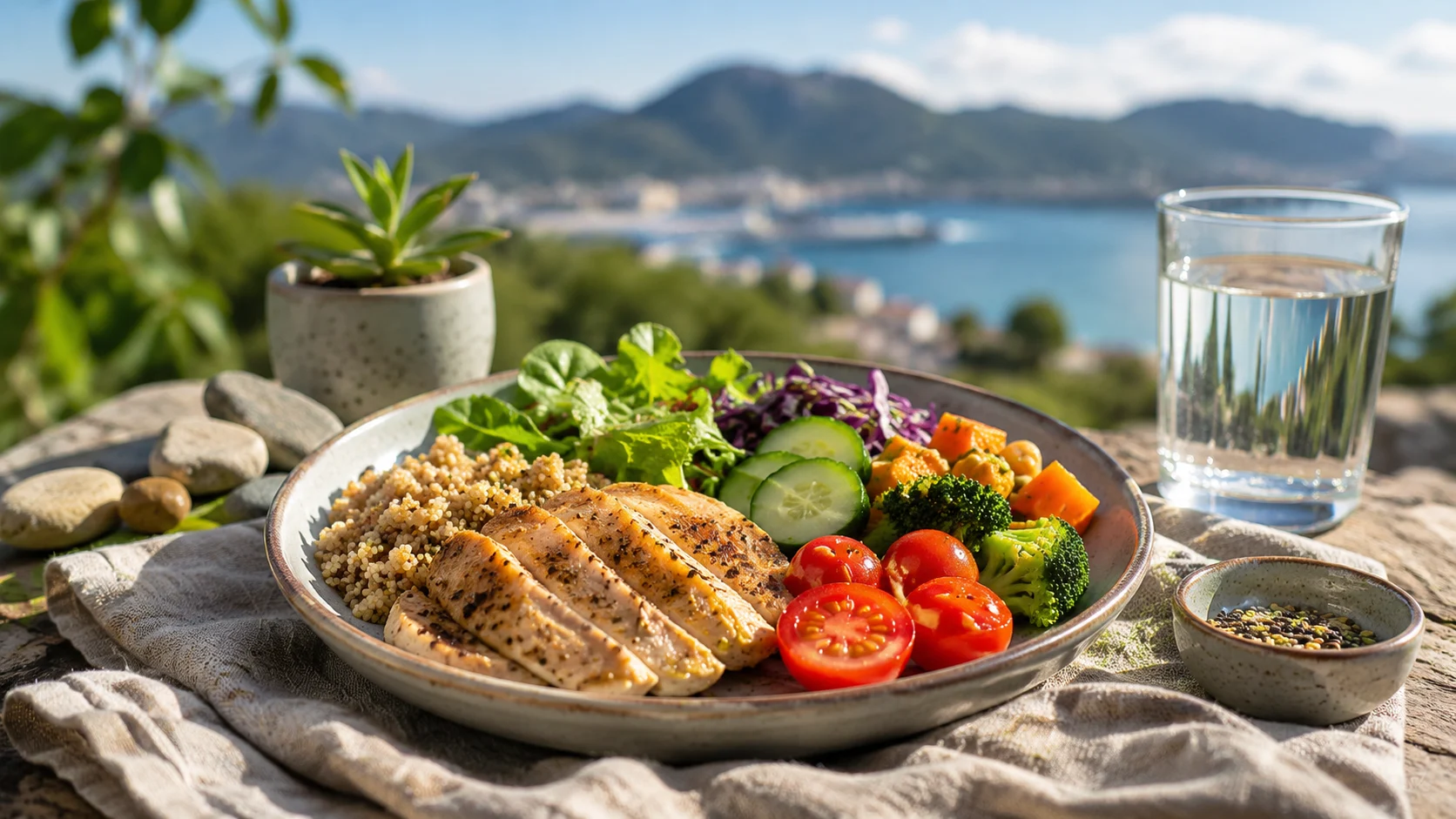
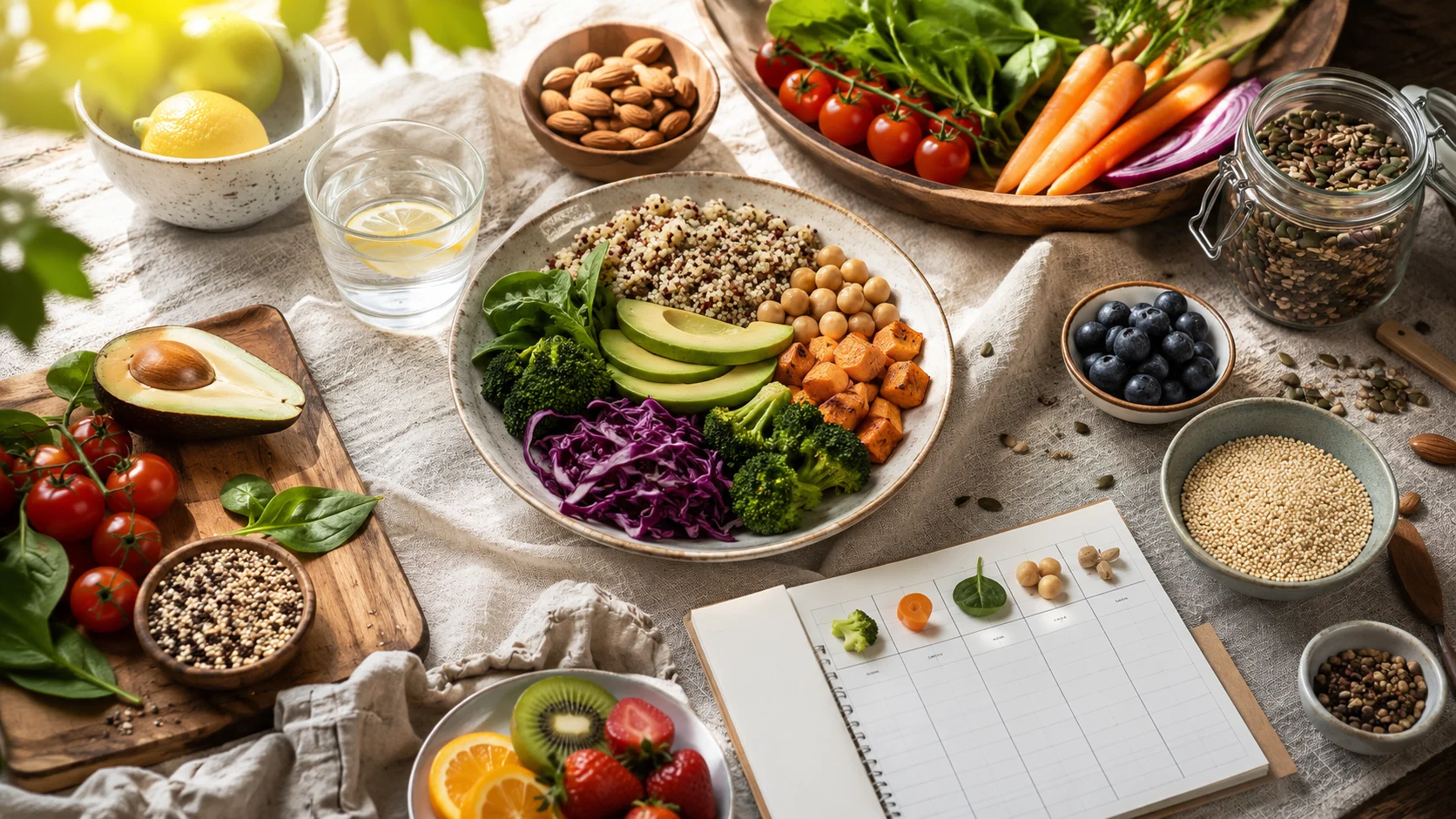
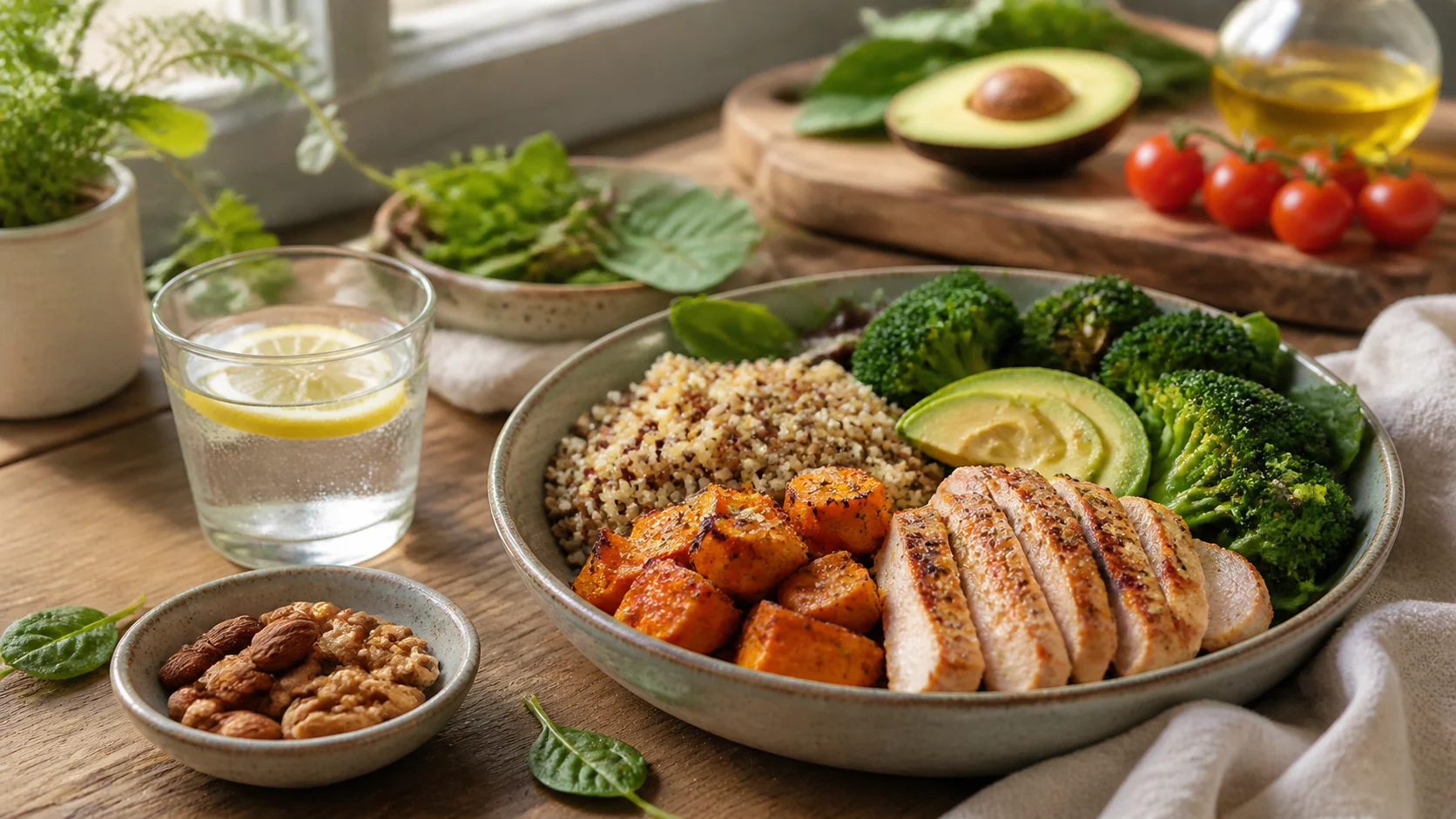
Instead of counting grams or chasing perfection, Joyini’s gentle framework can be pictured as The Gentle Trio Method: one comforting carbohydrate, one anchoring protein, and one softening fat. Not mathematically perfect. Just present enough to help a meal feel emotionally and physically steadier.
- A comforting carbohydrate — Think of warm rice beside salmon, toast under scrambled eggs, or a bowl of oats that feels like a soft landing on a rushed morning. Carbs are often the first thing the body reaches for because they are efficient energy, not because someone has “no control.”
- An anchoring protein — Greek yogurt folded into berries, chicken tucked into a grain bowl, lentils stirred into soup. Protein can make a meal feel less fleeting, like adding weight to a paper that would otherwise blow away.
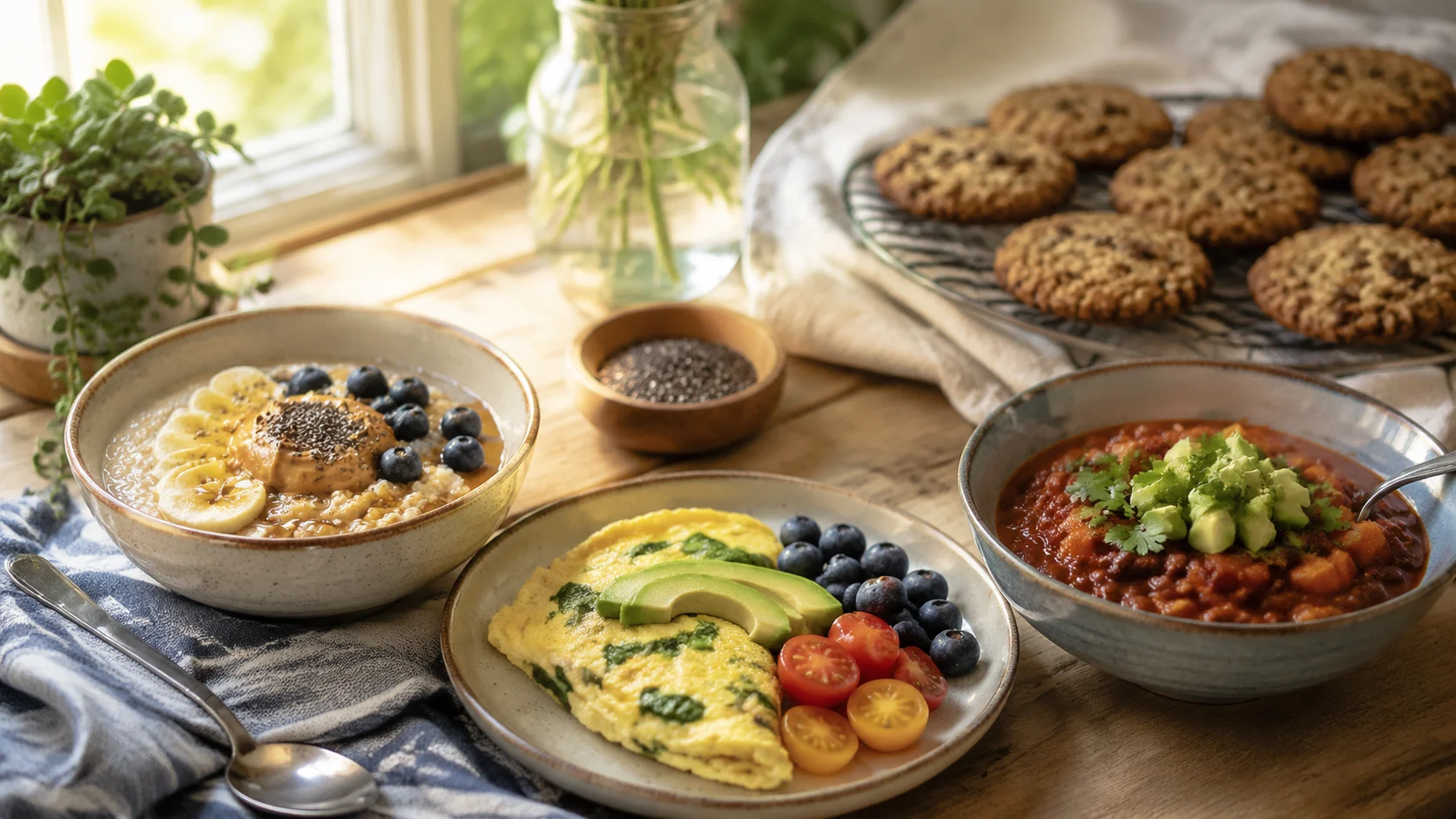
- A softening fat — Avocado on toast, olive oil over roasted vegetables, peanut butter melting into oatmeal. Fat slows the meal down in a helpful way and often brings more satisfaction, which matters more than many women have been taught.
When someone begins to understand carbs protein fat balance this way, meals stop feeling like tests. They begin to feel like support.
What This Looks Like on a Busy, Tired, Very Real Day
On an ordinary Tuesday, she may not have the energy to assemble a picture-perfect plate. That is where this idea becomes useful. Carbs protein fat balance can be simple, imperfect, and still deeply effective.
- Breakfast at the kitchen counter — A slice of toast, two eggs, and butter or avocado. Fast, warm, and more likely to carry her through the morning than toast alone.
- Desk lunch between meetings — A turkey sandwich with cheese and a piece of fruit. Not glamorous, but balanced in a way that often softens the late-afternoon crash.
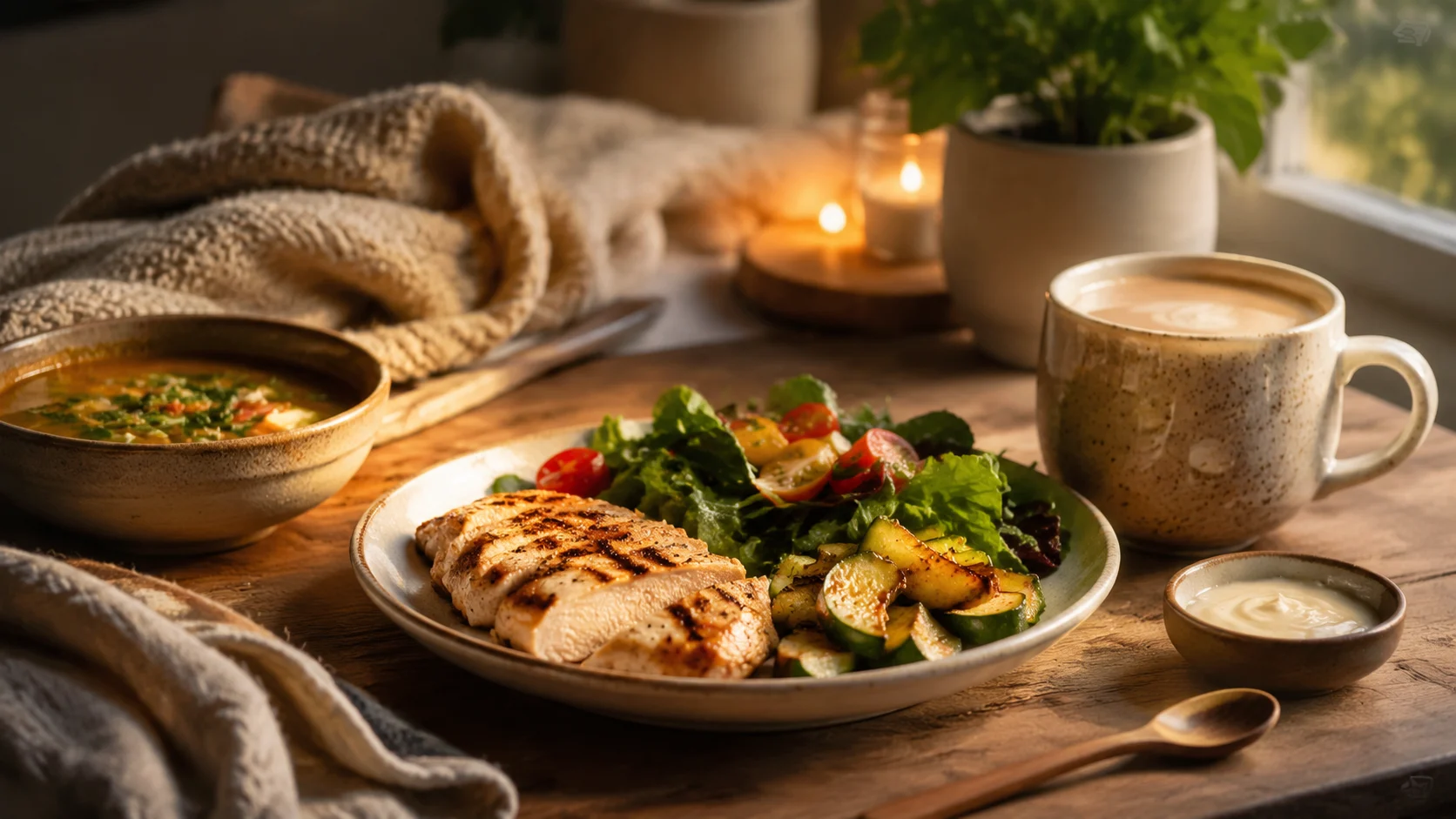
- Dinner when nobody wants to cook — Microwave rice, rotisserie chicken, and a drizzle of olive oil over bagged greens. Real-life nutrition often looks exactly like this.
- An evening snack that actually settles things — Apple slices with peanut butter, or crackers with hummus. A snack with both comfort and staying power can feel much calmer than nibbling at random.
A balanced meal is not the one that looks the most disciplined. It is the one that leaves a woman feeling more held and less haunted by the next craving.
Why Balance Can Feel So Different After Dieting
For many women, the phrase carbs protein fat balance can sound suspiciously like another rule. That reaction makes sense. After years of being told to cut carbs, fear fat, or earn dessert, even a gentle nutrition idea can feel loaded.
But balance is not the same as restriction. Restriction tightens. Balance supports. Restriction turns meals into moral decisions. Balance asks a quieter question: what would help this meal satisfy and sustain?
If she has been skipping meals, eating “light” all day, or trying to be good until nightfall, the body may answer with intense hunger, cravings, or stress eating later on. That is not failure. It is often a predictable response to not getting enough support earlier. Understanding this can soften shame and rebuild trust, one plate at a time.
Questions That Often Come Up
Do I need carbs at every meal to have a good carbs protein fat balance?
Not always in the same amount, but many women feel better when meals include some form of carbohydrate. The body often uses carbs as its easiest energy source, especially during busy or stressful days.
What if I still get hungry soon after eating?
That can happen. Sometimes the meal needed a little more overall food, more fiber, or a more substantial protein source. Hunger returning is information, not proof that anything went wrong.
Can snacks use the same balance idea?
Yes. A snack often feels steadier when it combines at least two of the three elements. Fruit alone may pass quickly; fruit with nuts or yogurt may feel more grounding.
What if I’m craving bread or pasta all the time?
That craving may be amplified by stress, under-eating, or simply needing more accessible energy. Rather than fighting the craving, it can help to pair that bread or pasta with protein and fat so the meal feels more complete.
Is it okay if every meal doesn’t look perfectly balanced?
Absolutely. Real life is uneven. The goal is not precision but a pattern of support across the day.
Please note: Every body has its own rhythm, appetite, and needs. This gentle guide is for educational purposes only and does not replace personalized advice from a registered dietitian or healthcare professional, especially if someone is dealing with a medical condition, blood sugar concerns, or a complicated relationship with food.