
A Softer Truth About Why Restriction So Often Backfires
Unconditional permission to eat does not mean chaos, “giving up,” or eating without care. Very often, it means the opposite: when a woman stops treating food like a test of character, food can begin to lose some of its emotional charge. What looks like “lack of control” is often a body responding to scarcity, stress, and years of rules.
She may be sitting in the glow of the refrigerator light at 9:30 p.m., telling herself she already had enough today. And yet the pull toward cereal, cookies, or toast feels louder than reason. The common story says she needs more discipline. The gentler and more accurate story is that her body may no longer trust that nourishment is consistently allowed.
Body trust rarely grows in the soil of punishment.
In intuitive eating spaces, unconditional permission to eat is often misunderstood as a free pass to ignore well-being. But it is closer to removing the alarm bell from food. When every bite feels loaded with morality, urgency tends to rise. When permission becomes real, urgency often softens.
When Food Stops Being Forbidden, the Mind Gets Quieter
There is a reason forbidden foods can seem to glow brighter than everything else. Restriction does not always look dramatic. Sometimes it sounds polished and reasonable: “I’ll be good during the week,” or “I’m only allowed dessert if I earned it.” Yet the nervous system often hears one message underneath it all: food is not fully safe.
A useful way to picture this is the Open Door Effect. When the kitchen door is emotionally locked, the mind circles around what is inside. When the door is genuinely open, urgency has less to push against. This is one reason unconditional permission to eat can reduce fixation over time. Not overnight, and not perfectly, but steadily.
Research has long observed that dietary restraint is associated with overeating in some people, especially after perceived rule-breaking. One often-cited review in eating behavior research found that rigid restraint can increase vulnerability to binge-like eating patterns. The issue is not weak character. It is the predictable rebound of deprivation.
The more a woman must “deserve” food, the harder it becomes to hear what her body was asking for in the first place.

The Messy Middle: Why Permission Can Feel Hard Before It Feels Peaceful
For many women, unconditional permission to eat feels surprisingly uncomfortable at first. If she has spent years counting, compensating, postponing, or bargaining with meals, permission can feel like stepping onto a floor she does not yet trust. There may even be a season when certain foods become more interesting simply because they were once rationed.
That phase does not mean permission is failing. It may mean the body is testing whether the old restriction is truly over.
This is where gentle structure can help. Permission does not cancel nourishment. It can live beside regular meals, satisfying snacks, and balanced plates that support steady energy. A woman might find more ease when she keeps a warm lunch on the calendar, adds something comforting to dinner instead of avoiding it, or lets dessert sit at the table instead of on a pedestal.
- Eat before desperation. When hunger becomes extreme, food can feel frenzied rather than peaceful.
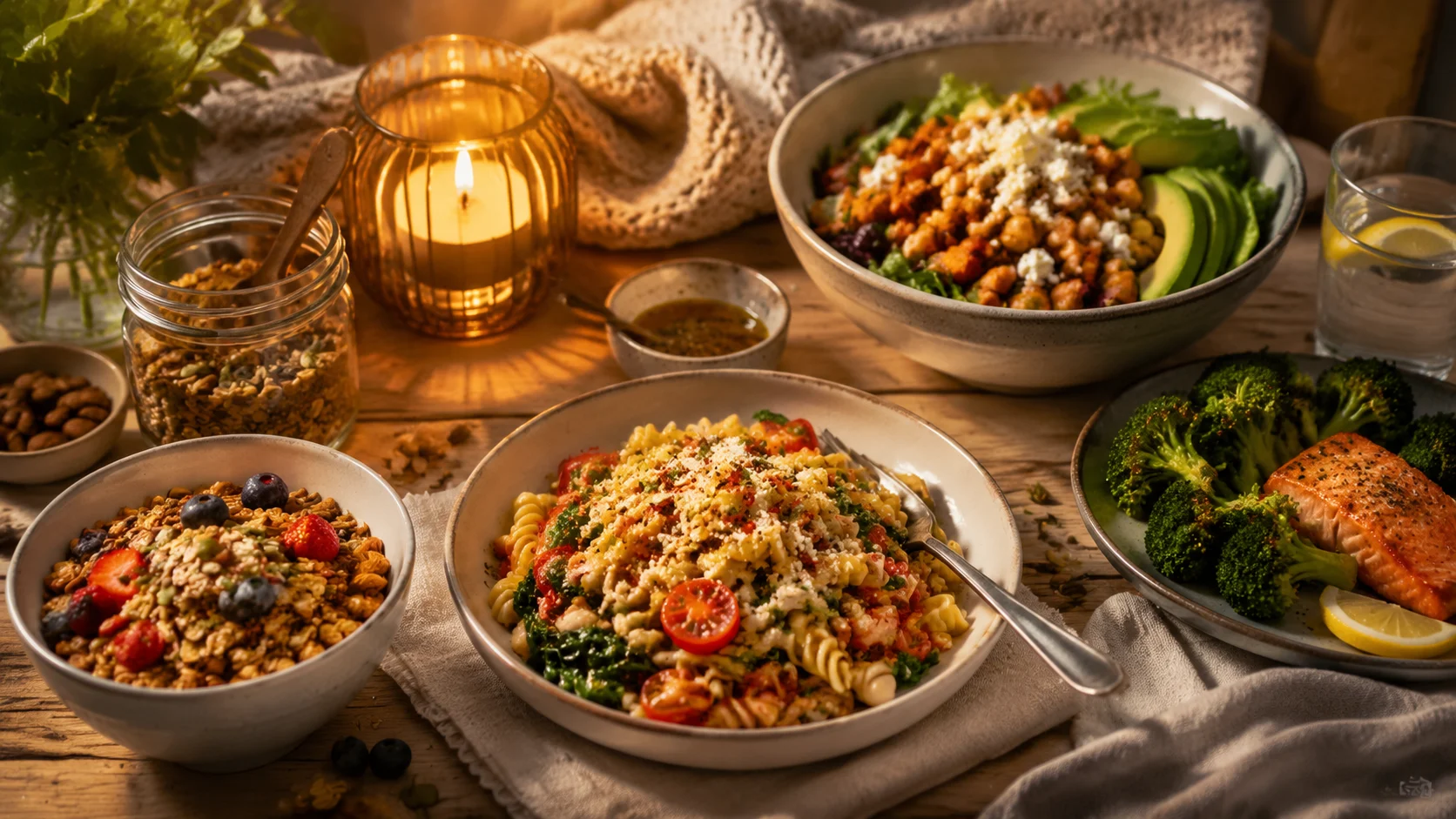
- Make room for satisfaction. A salad eaten with fear may leave more longing than pasta eaten with presence.
- Notice the tone of your rules. If a food plan sounds like punishment, the body often resists it.
What Permission Looks Like in Real Life, Not in Theory
In real life, unconditional permission to eat may look quiet and ordinary. It may look like adding butter to toast without turning breakfast into a moral debate. It may look like ordering the sandwich she actually wants at lunch, then returning to work without the mental static of “I shouldn’t have.” It may look like keeping chocolate in the house long enough for it to become just chocolate.
This kind of permission is not the absence of care. It is care without fear. Over time, many women notice that when food is no longer dramatic, they can better sense hunger, fullness, taste, energy, and comfort. They begin to respond rather than react.
And that is the deeper promise here: not perfect eating, but a more peaceful relationship with food. Not performing wellness, but living inside it with more ease.
Please note: Every body has its own rhythm, history, and needs. This article is for educational purposes and offers gentle guidance, not personal medical or mental health care. If eating feels chaotic, distressing, or physically uncomfortable in a persistent way, support from a registered dietitian, therapist, or other qualified healthcare professional can be deeply helpful.
You Might Also Wonder
What if unconditional permission to eat makes me crave everything at once?
That can happen in the beginning, especially after long periods of restriction. The body and mind may be responding to years of scarcity. For many people, the intensity settles when permission becomes consistent rather than temporary.
Does unconditional permission to eat mean I should ignore nutrition?
No. It simply means nutrition is no longer enforced through fear. Gentle nutrition can still matter deeply, but it works better when it is built on trust instead of punishment.
Why do I feel more emotional around food now that I’m trying to allow it?
Food rules often cover up deeper feelings. When the rules loosen, sadness, anger, stress, or exhaustion may become easier to notice. That is not a setback. It is often new honesty.
How long does it take for food to feel less powerful?
There is no neat timeline. For some, relief comes quickly. For others, especially after years of dieting, it takes longer. Rebuilding trust usually happens through many ordinary, repeated moments of permission.