
When the Afternoon Crash Isn’t a Personal Failure
She sits at her desk at 3 p.m., rereading the same sentence, wondering why her mind feels wrapped in cotton. Many women are taught to blame themselves for this slump, but the truth is often far kinder: low energy is not always a motivation problem—it is often a nourishment problem. Good nutrition for steady energy is less about perfection and more about building meals and snacks that help the body feel safe, fed, and supported across the day.
Instead of chasing energy with another coffee or skipping meals in the name of being “good,” it helps to understand a gentler rhythm. The body tends to do better when food arrives consistently, with enough carbohydrates, protein, fat, and fiber to slow the sharp rise and fall that leaves a person foggy, shaky, or suddenly ravenous.
Body signals are not character flaws. They are messages asking for support.
The Soft Balance Method
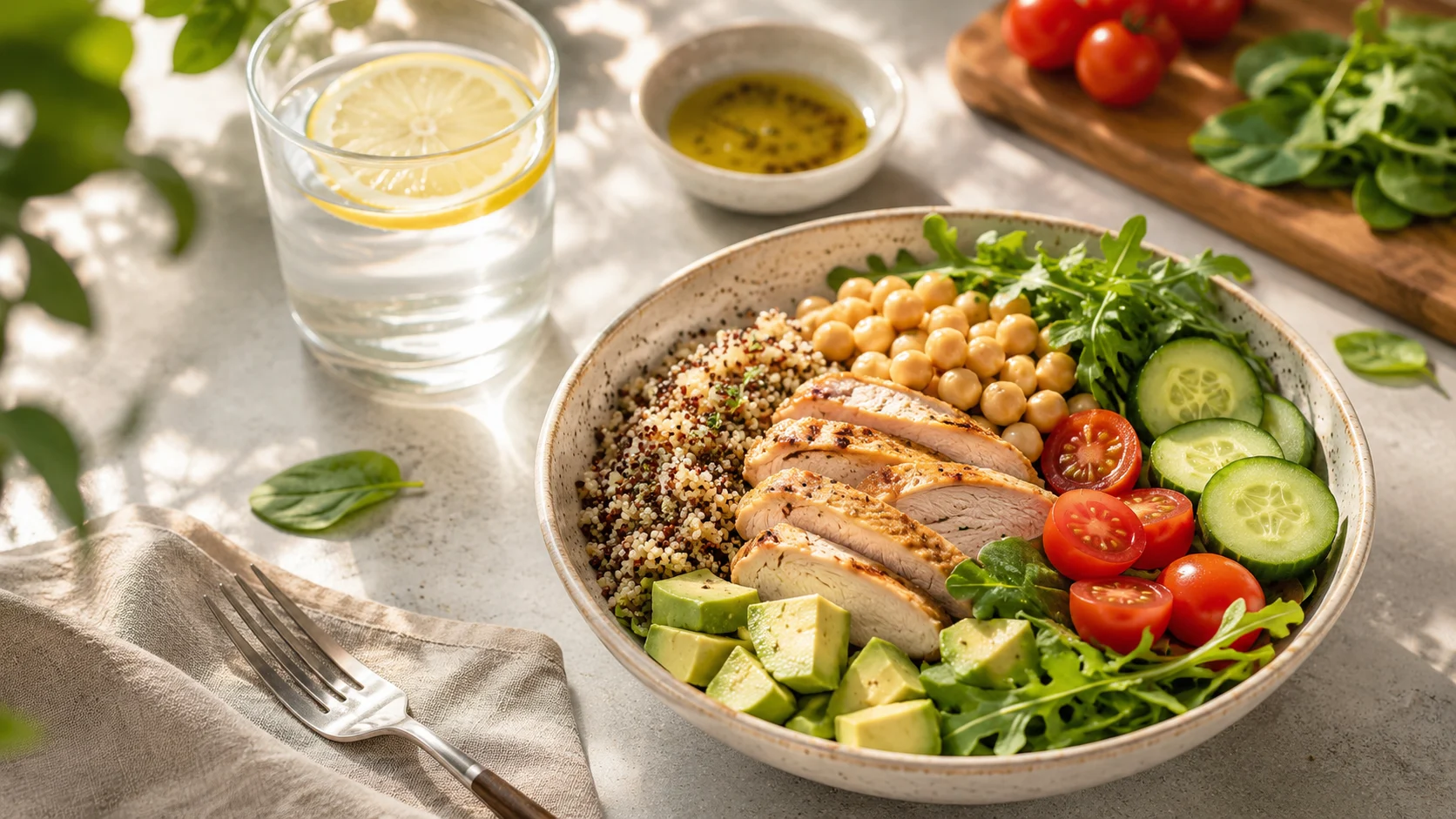
A simple way to think about nutrition for steady energy is Joyini’s own micro-framework: The Soft Balance Method. Picture a meal as a small table with four legs. If one leg is missing, things wobble. If all four are present, the meal feels more grounding.
- A steady carbohydrate — something like warm oats, roasted potatoes, rice, toast, or fruit. This gives the body accessible energy instead of leaving it to run on fumes.
- A satisfying protein — Greek yogurt swirled into berries, eggs folded into a quick scramble, tofu crisped in a pan, or shredded chicken tucked into a grain bowl. This helps meals stay with her a little longer.
- A gentle fat — peanut butter melting into oatmeal, avocado on toast, olive oil over vegetables, or a handful of walnuts. This adds staying power and comfort.
- A source of fiber — beans in a soup, chia in a smoothie, vegetables in a wrap, or an apple eaten on the walk between errands. Fiber helps support a smoother energy curve.
She does not need every meal to look like a wellness advertisement. Sometimes nutrition for steady energy is simply toast with eggs and fruit instead of toast alone, or takeout rice with salmon and edamame instead of picking at whatever is left in the pantry.
Why Restriction So Often Backfires
Many women know the pattern by heart: a light breakfast, a busy lunch, then an evening that feels impossible to stop eating through. That cycle is often framed as poor discipline, when it may actually be the body catching up. Undereating earlier in the day can make later cravings feel louder, faster, and more urgent.

Research has long shown that pairing foods with protein, fat, and fiber can help support more stable blood sugar after meals, which often translates into steadier focus and energy. One review published in Advances in Nutrition also noted that fiber-rich eating patterns are linked with better glycemic response and satiety. In ordinary life, that may look less like a lab result and more like this: she makes it to dinner feeling hungry, not frantic.
The goal is not to eat perfectly. The goal is to make energy feel less fragile.
What This Can Look Like on an Ordinary Tuesday
Real-life nutrition for steady energy should feel doable on the days when nobody has time to roast six vegetables. It can be quiet and practical.
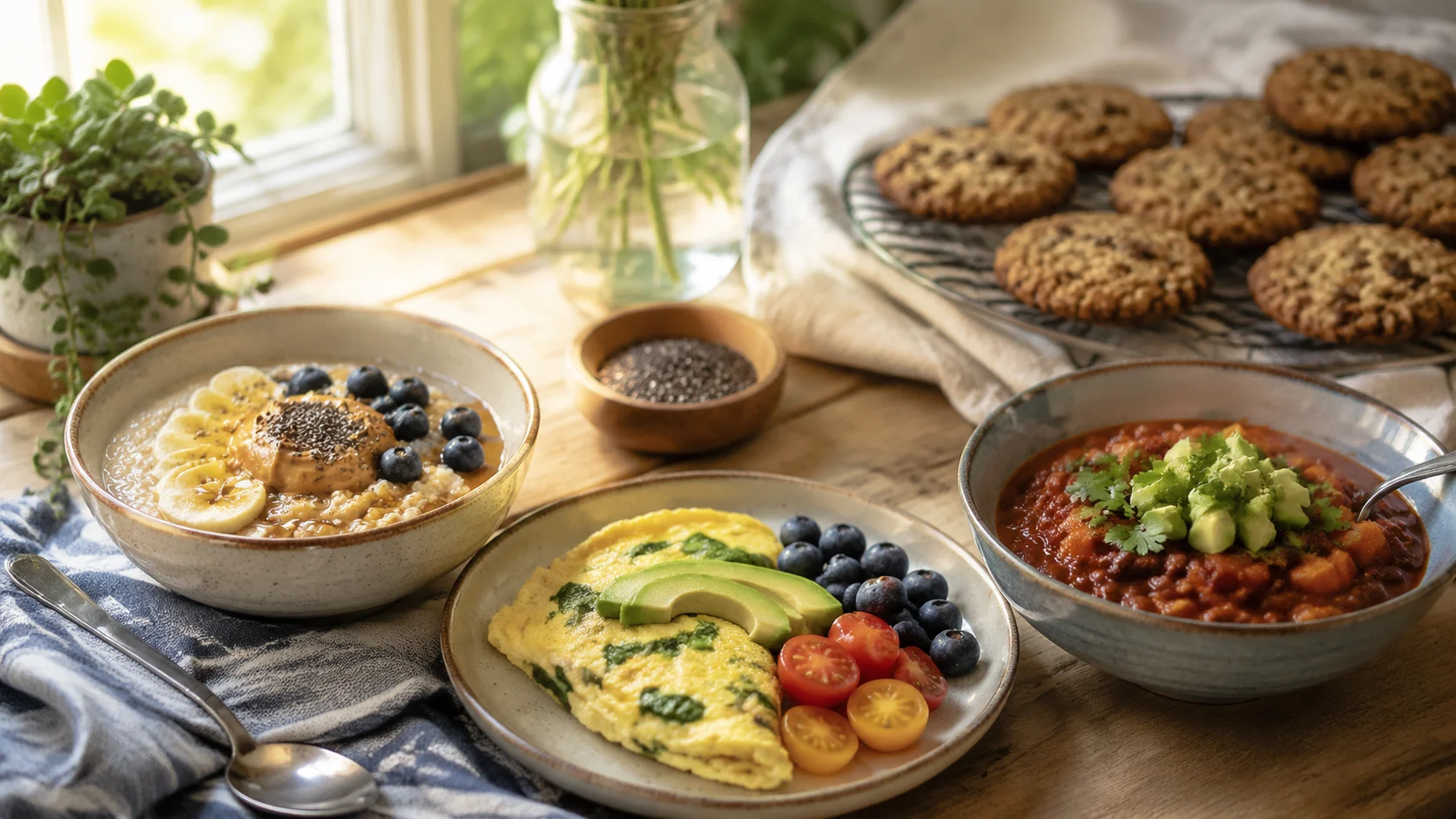
- Breakfast: A bowl of oatmeal with crushed walnuts, cinnamon, and sliced banana, plus a spoonful of yogurt on top. Warm, soft, and much steadier than coffee alone.
- Lunch: A turkey and avocado sandwich with a side of baby carrots and a piece of fruit. Not glamorous, but deeply useful.
- Afternoon support: Apple slices with peanut butter, or crackers with cheese when the day starts to blur. A small bridge can prevent a late-day collapse.
- Dinner: Rice, rotisserie chicken, and frozen broccoli warmed with olive oil and salt. The kind of meal that meets her where she is.
If she notices frequent crashes, it may help to ask: Did the body get enough at the last meal? That question is often more healing than “Why can’t I be more in control?”
Questions That Often Come Up
What if I’m tired but not very hungry in the morning?
Starting small can still help. A banana with peanut butter, a drinkable yogurt, or toast with an egg may feel easier than a full breakfast, while still giving the body an early signal of support.
What if I crave sugar every afternoon?
That craving may be asking for quick energy. Instead of fighting it, try pairing the sweet food with something more grounding—like chocolate with almonds, or a muffin with yogurt—so comfort and steadiness can exist together.
Can snacks really help with steady energy?
Yes, especially when there is a long stretch between meals. A snack is not a failure of discipline. It can be a form of gentle planning.
What if I only have takeout options?
Takeout can still fit nutrition for steady energy. Rice bowls, wraps, burrito bowls, soups with bread, or noodle dishes with added protein and vegetables can all be supportive choices.
How long does it take to feel a difference?
Sometimes a person notices a shift within a few days of eating more consistently. For others, rebuilding trust with hunger and energy cues takes longer. Either way, small patterns matter more than dramatic resets.
Please note: Every body has its own rhythm, history, and needs. This article is for educational purposes only and does not replace personalized advice from a registered dietitian or healthcare professional, especially if fatigue, appetite changes, or blood sugar concerns feel persistent or distressing.