
The Mistake Isn’t “Not Trying Hard Enough”
Gentle nutrition is not about eating perfectly. It is about eating in a way that supports steady energy, emotional ease, and a more trusting relationship with food. Many women assume food stress comes from a lack of discipline, when often the body is simply asking for more reliable nourishment, more consistency, and less chaos.
When she sits at her desk at three in the afternoon, staring at a half-finished email and thinking only about something sweet, the old story may whisper that she has failed again. But that moment is often less about weakness and more about biology: a rushed breakfast, a light lunch, a stressful morning, and a nervous system trying to find comfort fast.
Body signals are not character flaws. They are messages asking to be heard.
That is where gentle nutrition begins. Not with punishment. Not with rigid food rules. With understanding.
The “Steady Plate, Soft Mind” Framework
A helpful way to picture gentle nutrition is through a simple Joyini-style micro-framework: Steady Plate, Soft Mind. The plate supports the body; the soft mind supports the relationship.
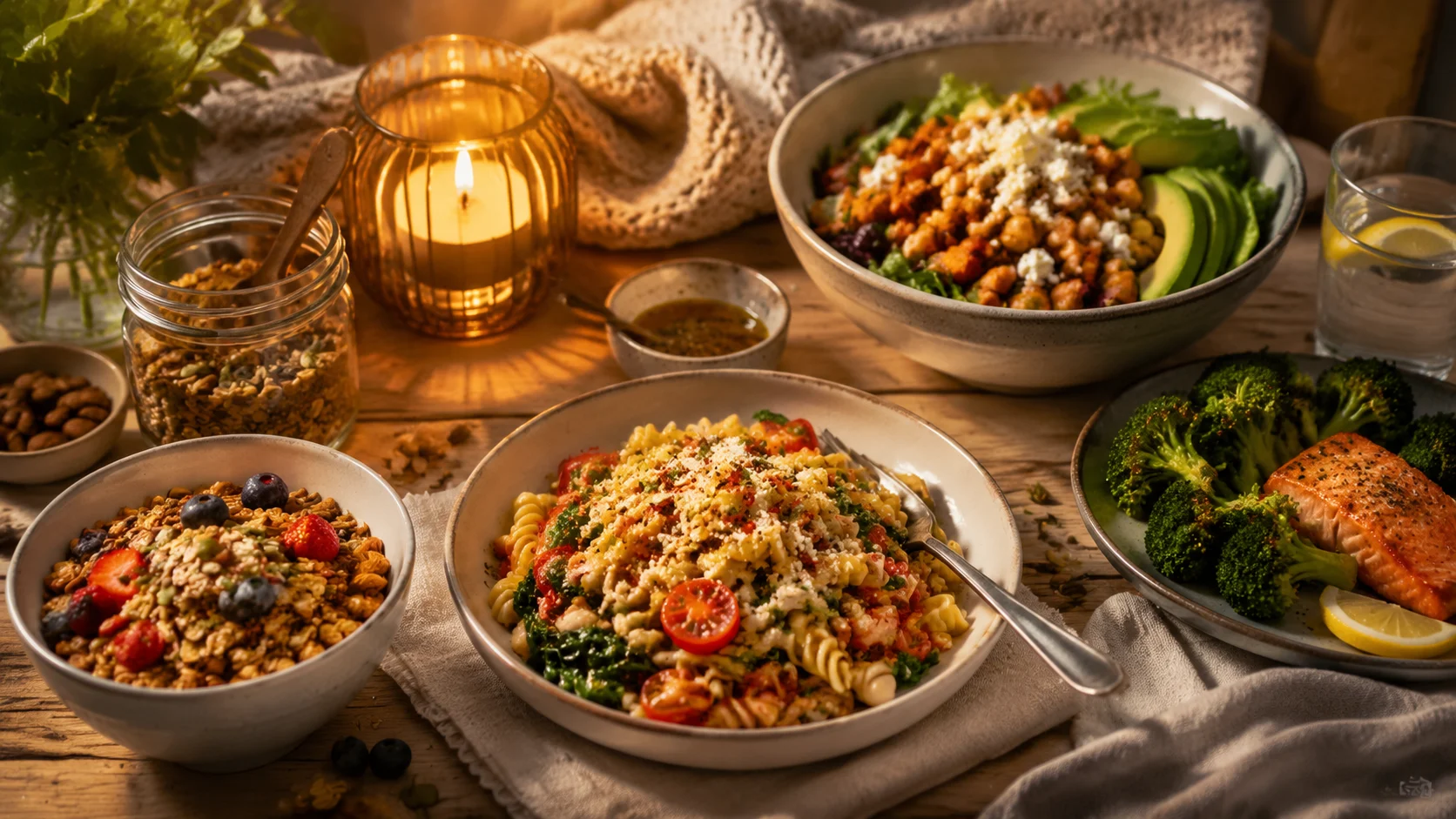
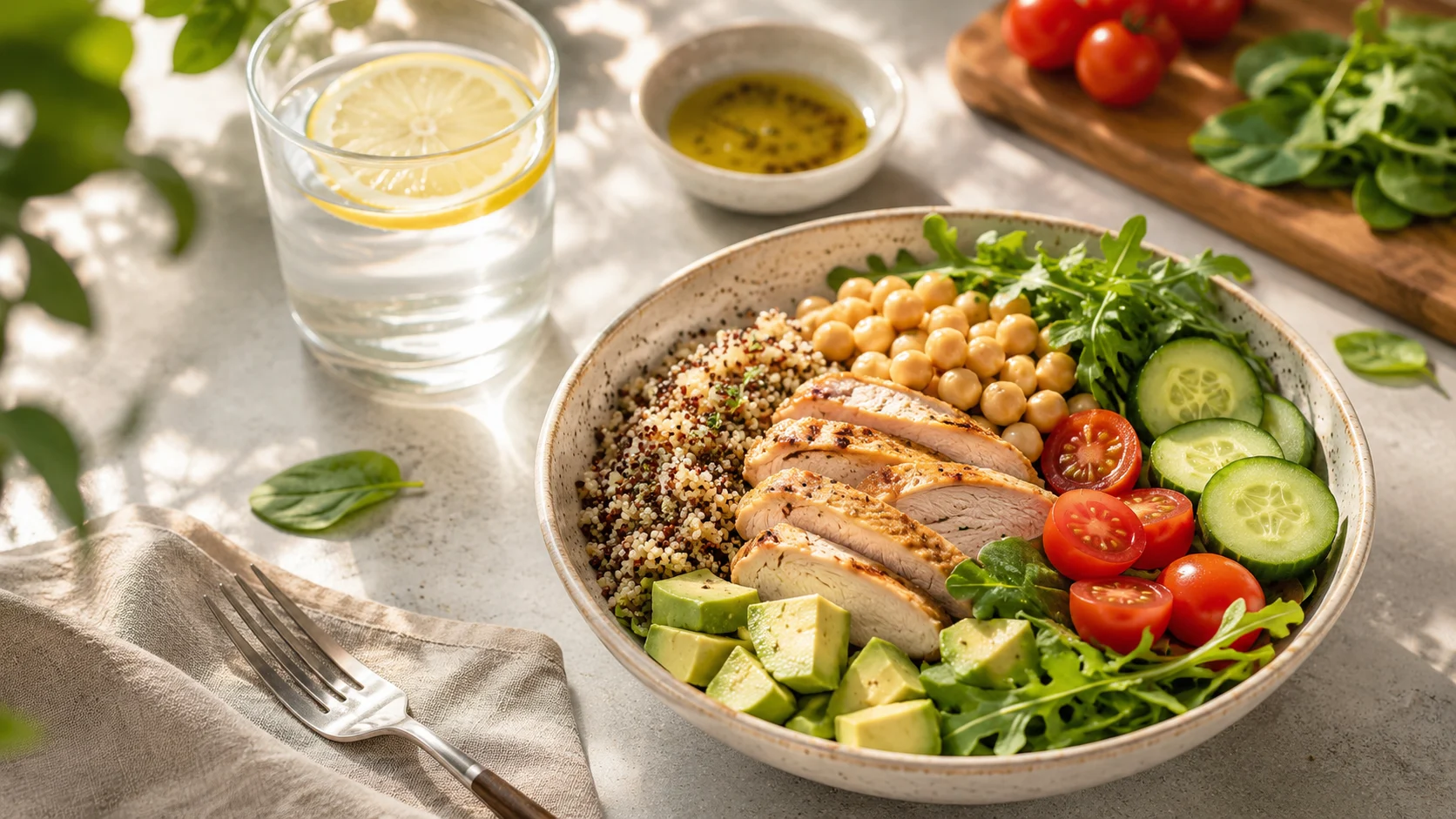
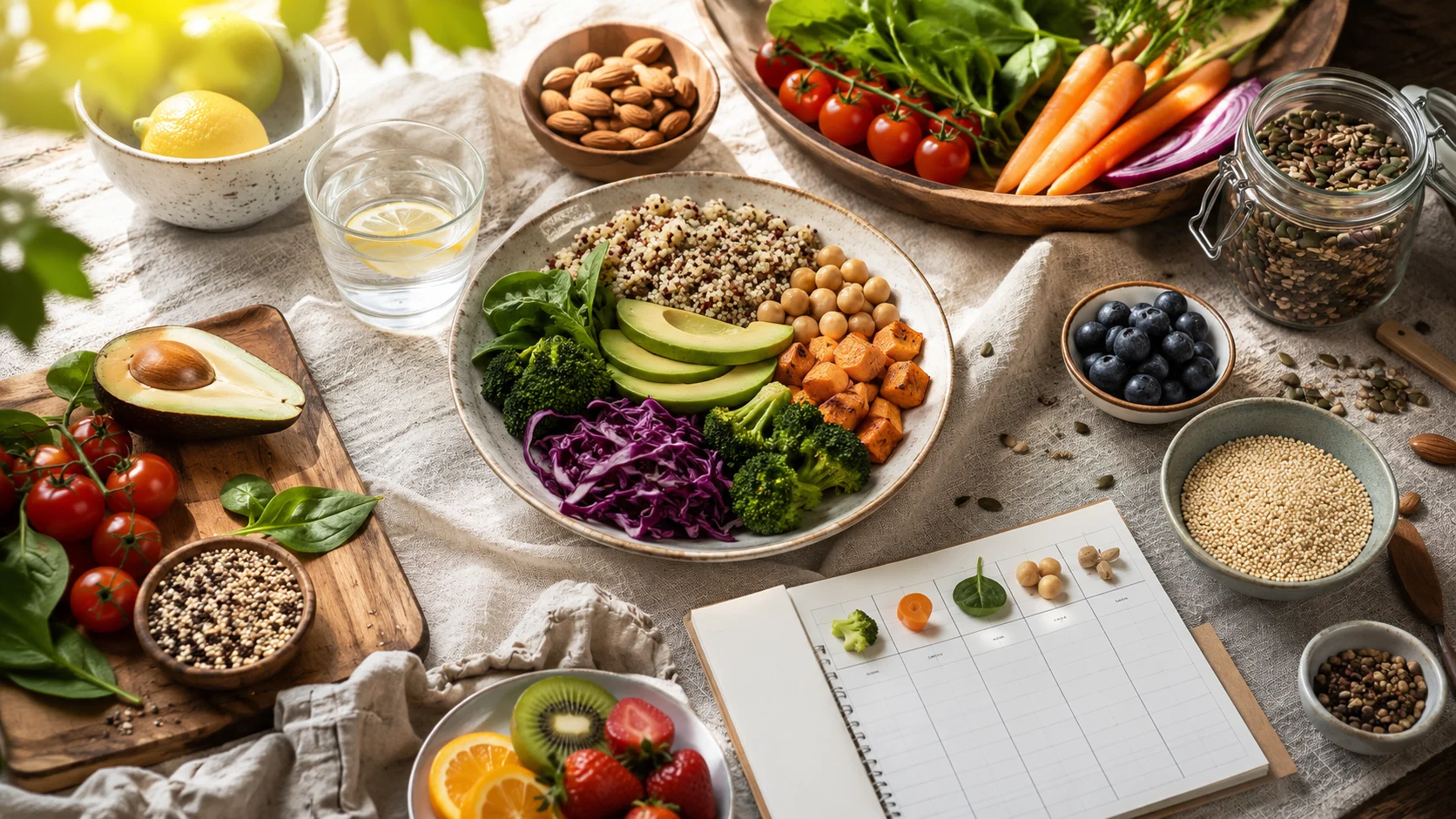
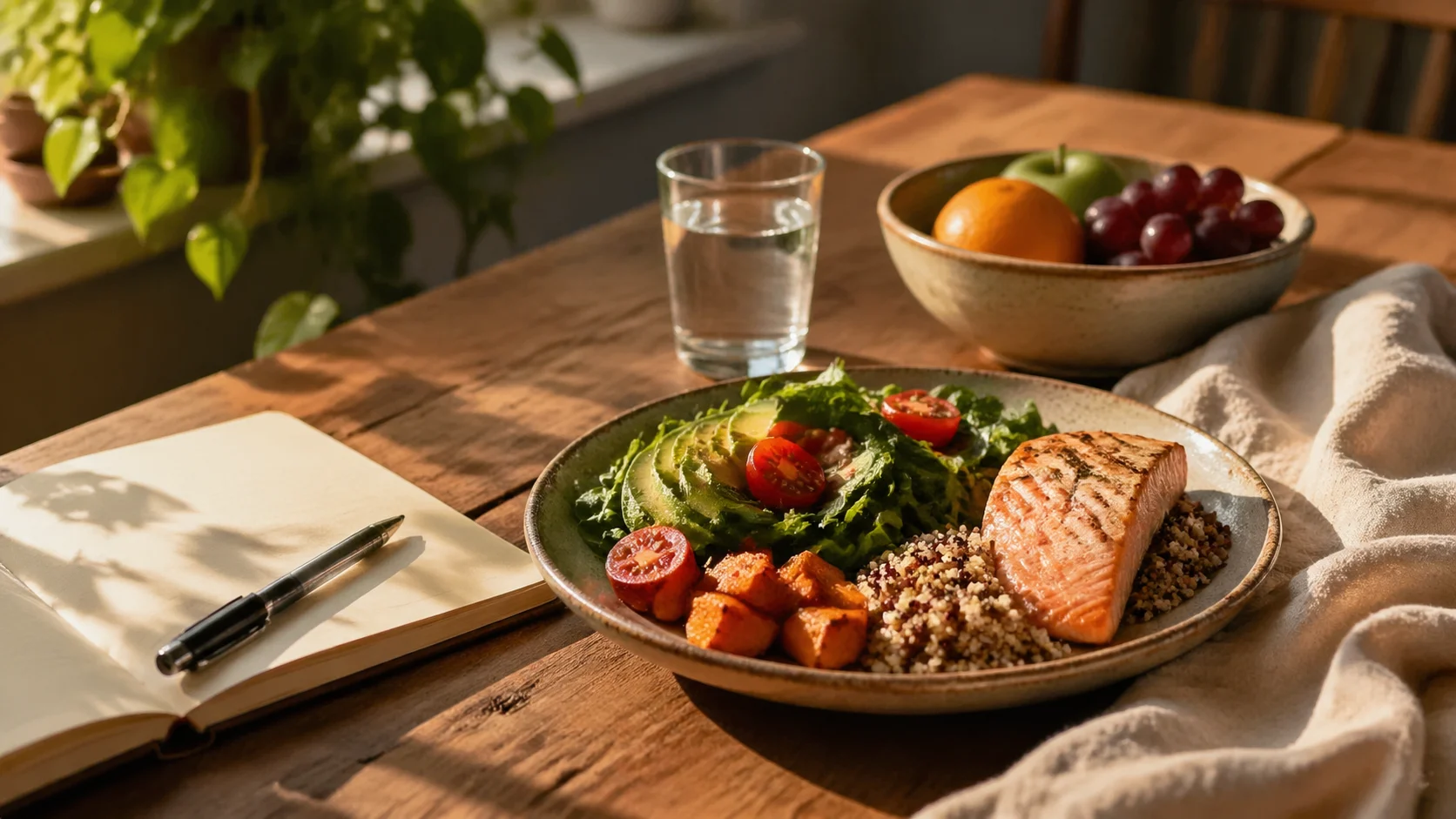
- Steady Plate: Think of a meal as a small team, not a single hero. A bowl of warm rice with salmon, sliced cucumber, and avocado works differently than coffee and a granola bar grabbed in a hurry. Protein, fiber, fat, and carbohydrates create a steadier landing for energy.
- Soft Mind: The meal matters, but so does the tone around it. Gentle nutrition asks, “What would support her right now?” instead of “How can she control herself better?” That shift alone can reduce the spiral of stress and rebound cravings.
Research has long observed that meals containing protein and fiber can support satiety and more stable blood sugar patterns compared with meals built mostly around refined carbohydrates alone. In real life, that may look like toast made gentler with eggs and fruit, or pasta made more grounding with white beans, olive oil, and a handful of arugula folded in at the end.
What Gentle Nutrition Looks Like on an Ordinary Tuesday
It rarely looks glamorous. It often looks like a woman standing in her kitchen, tired, opening the fridge, and choosing the version of care that is actually possible.
Gentle nutrition can be deeply practical. It might look like:
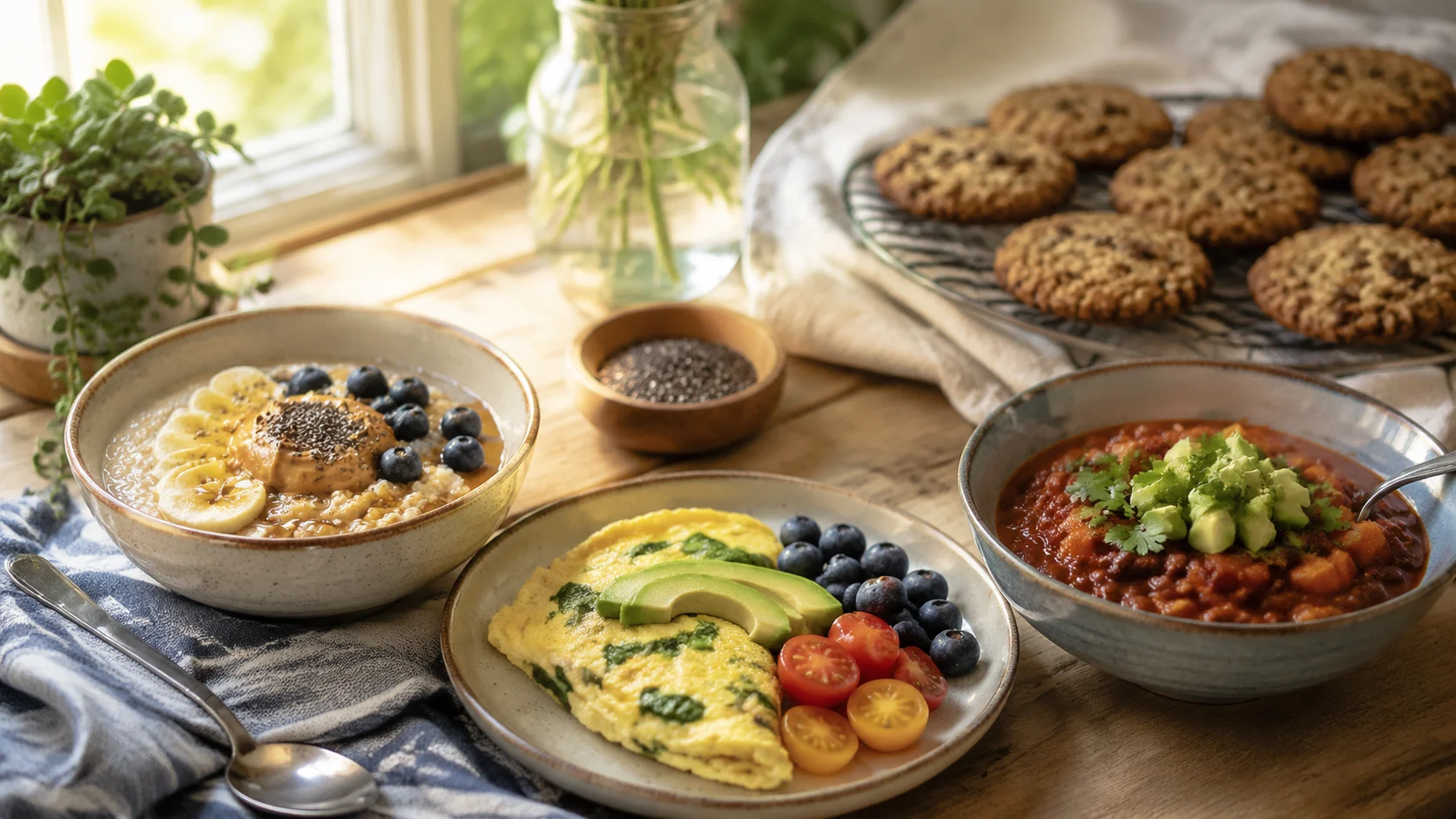
- Adding, not subtracting: Instead of trying to “be good,” she adds a spoonful of peanut butter to her oatmeal, or places a boiled egg beside her toast. The meal becomes more supportive, not more complicated.
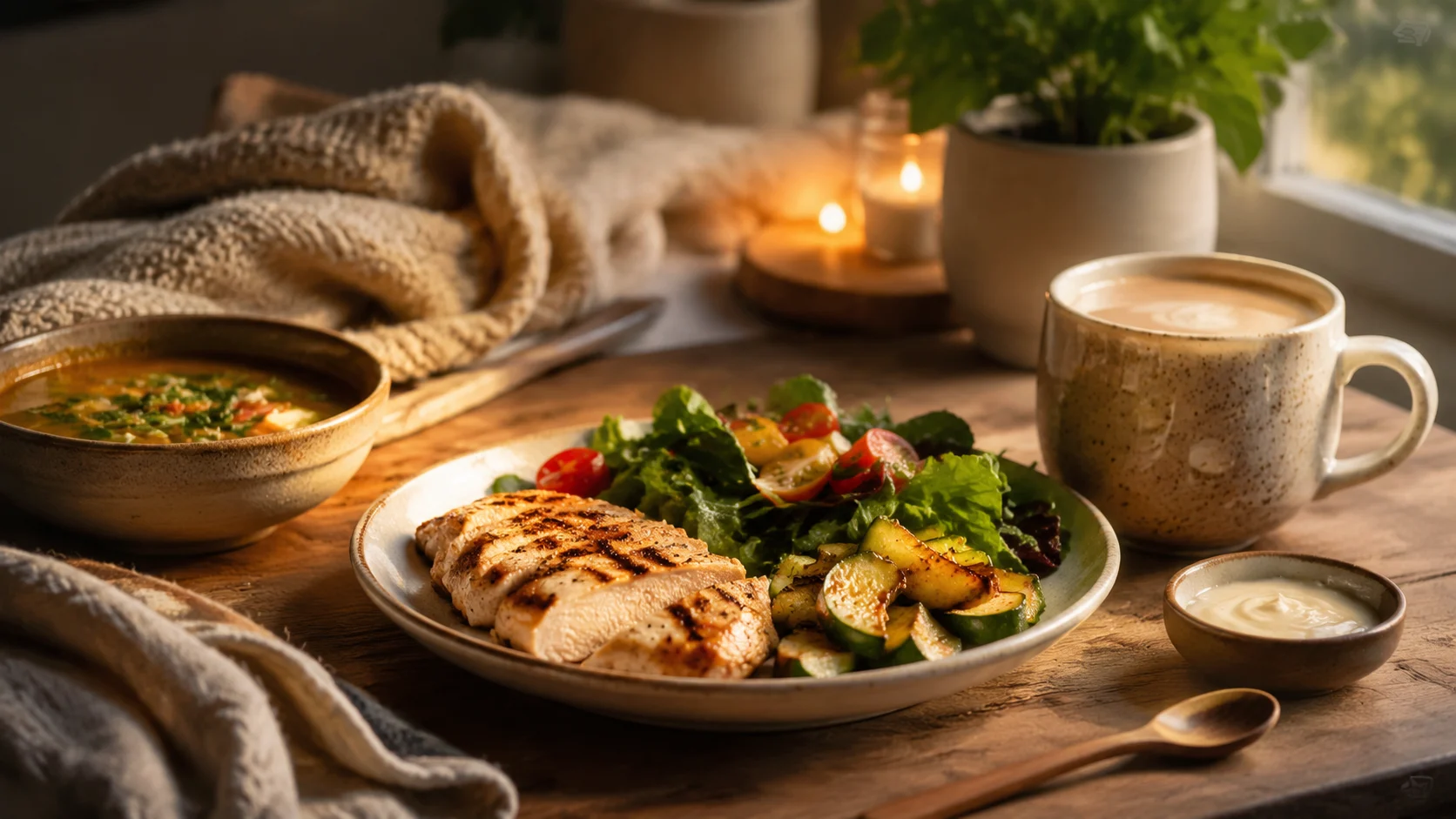
- Making comfort more balanced: If dinner is takeout noodles, she might add edamame, tofu, or leftover chicken. Comfort does not need to disappear to make room for nourishment.
- Planning for the vulnerable hour: The stretch between lunch and dinner is where many women feel unsteady. A yogurt with berries, a piece of sourdough with almond butter, or a trail mix tucked into a work bag can soften that crash.
The goal is not to eat like a machine. The goal is to feel more at home in a human body.
This is also why gentle nutrition fits so well with food freedom. It does not label foods as morally good or bad. It simply notices that some choices help her feel more grounded, more satisfied, and less likely to ricochet into desperate eating later.
Why This Approach Feels Different After Dieting
For women who have spent years counting, restricting, or starting over every Monday, gentle nutrition can feel strangely unfamiliar. Diet culture teaches control first and trust later—if trust comes at all. Gentle nutrition reverses that order.
Instead of forcing the body into silence, it starts to listen for patterns: when hunger arrives, when energy dips, when cravings get louder after a stressful meeting or a night of poor sleep. That listening does not mean every craving needs to be managed away. Sometimes the kindest response is to eat the cookie and also notice that lunch was barely enough.
There is no gold star for ignoring hunger. There is often only a louder hunger later.
A Few Practical Questions
What if she wants gentle nutrition but still craves sweets every afternoon?
That craving may be a body asking for faster energy after too little food earlier in the day. A more balanced lunch or an intentional afternoon snack can help. The sweet craving is not a moral emergency.
Does gentle nutrition mean she can never eat for comfort?
Not at all. Comfort is a real human need. Gentle nutrition simply invites more support around it, so comfort eating does not have to carry panic, secrecy, or shame.
What if balanced meals feel overwhelming on busy days?
Then smaller acts count. Cheese beside crackers, fruit beside toast, beans stirred into soup, or a handful of nuts with a banana are all forms of gentle support. It does not have to be perfect to be meaningful.
Can gentle nutrition help after years of food guilt?
Yes, often because it offers a calmer doorway back into the body. It replaces harsh rules with observation, steadiness, and self-respect. That process can be slow, but slow is not failure.
Please note: Every body has its own rhythm, history, and needs. This article is for educational purposes and offers gentle general guidance, not personalized medical advice. If someone is dealing with ongoing fatigue, intense cravings, blood sugar concerns, or a complicated relationship with food, support from a qualified healthcare professional or registered dietitian can be deeply helpful.