
When Hunger Feels Louder Than Usual
Period appetite increase is real, and for many women, it has far more to do with hormones, energy needs, stress, and sleep than with “lack of control.” The surprising part is this: a bigger appetite around the menstrual cycle is often a sign that the body is asking for support, not punishment. For the woman standing in her kitchen at 9 p.m., reaching for crackers and chocolate after a long day, that shift in perspective can feel like exhaling.
In the days before a period, progesterone rises and then falls, while serotonin and energy can feel less steady. Some research suggests energy intake may increase in the luteal phase, and resting energy expenditure can rise slightly too. In plain life terms, the body may simply ask for more. That does not make her dramatic. It makes her human.
Body signals are not character flaws. They are messages that sound louder when they have been ignored for too long.
The Quiet Biology Behind Period Appetite Increase
For many women, period appetite increase begins before bleeding starts, in that tender stretch when patience runs thin and snacks start calling from the pantry. Hormones help explain why. As estrogen shifts and progesterone takes the lead in the second half of the cycle, hunger may feel more present, and cravings may lean toward quick comfort: warm carbs, chocolate, salty things, or a second dinner that makes surprising emotional sense.
There is also the matter of blood sugar and fatigue. When a woman is underfed, overscheduled, or running on coffee and fragments of lunch, PMS can turn that wobble into a roar. Low energy availability can make cycle-related hunger feel much more intense. Add poor sleep or stress, and the body becomes even more interested in fast, reliable fuel.
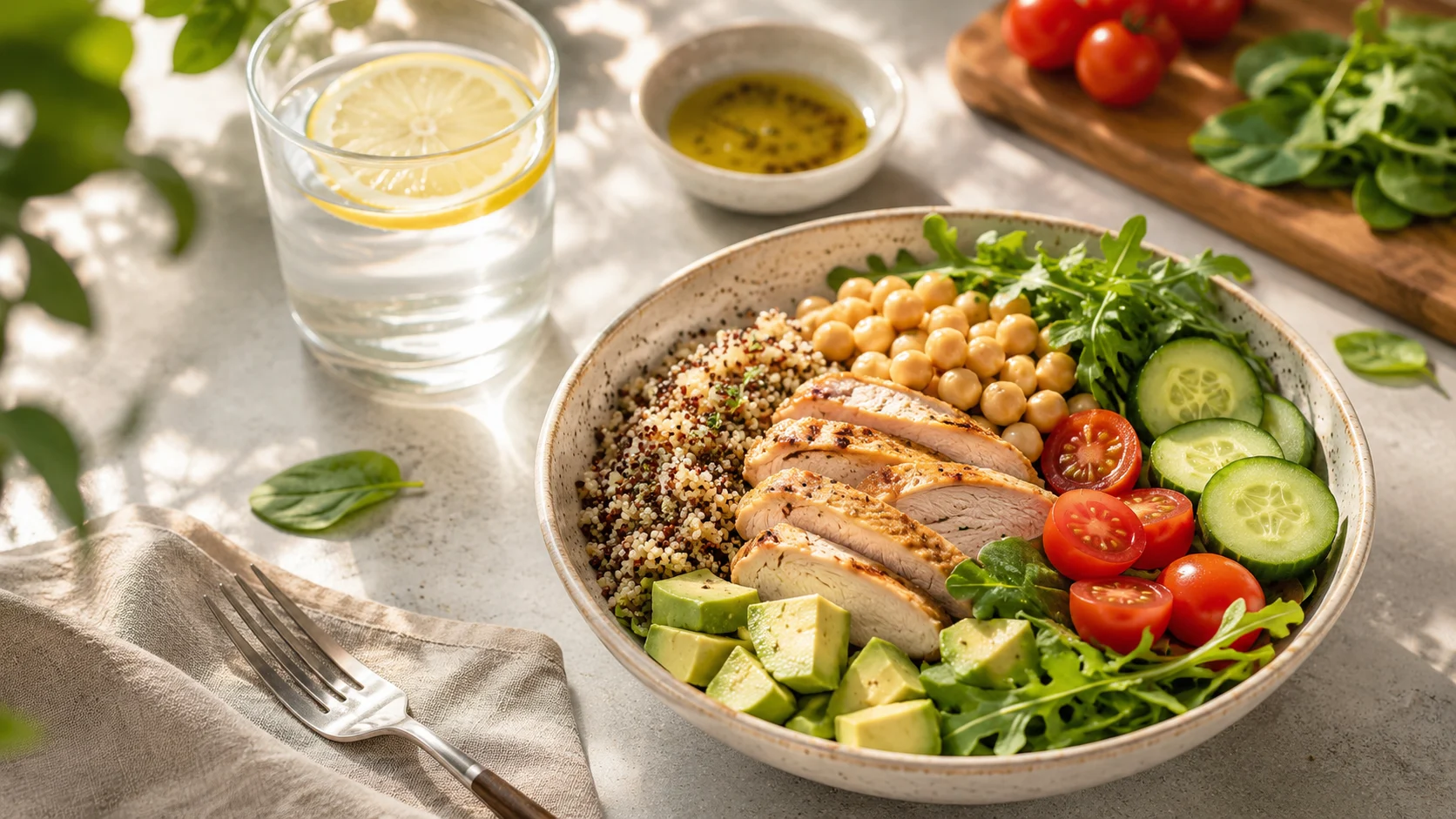
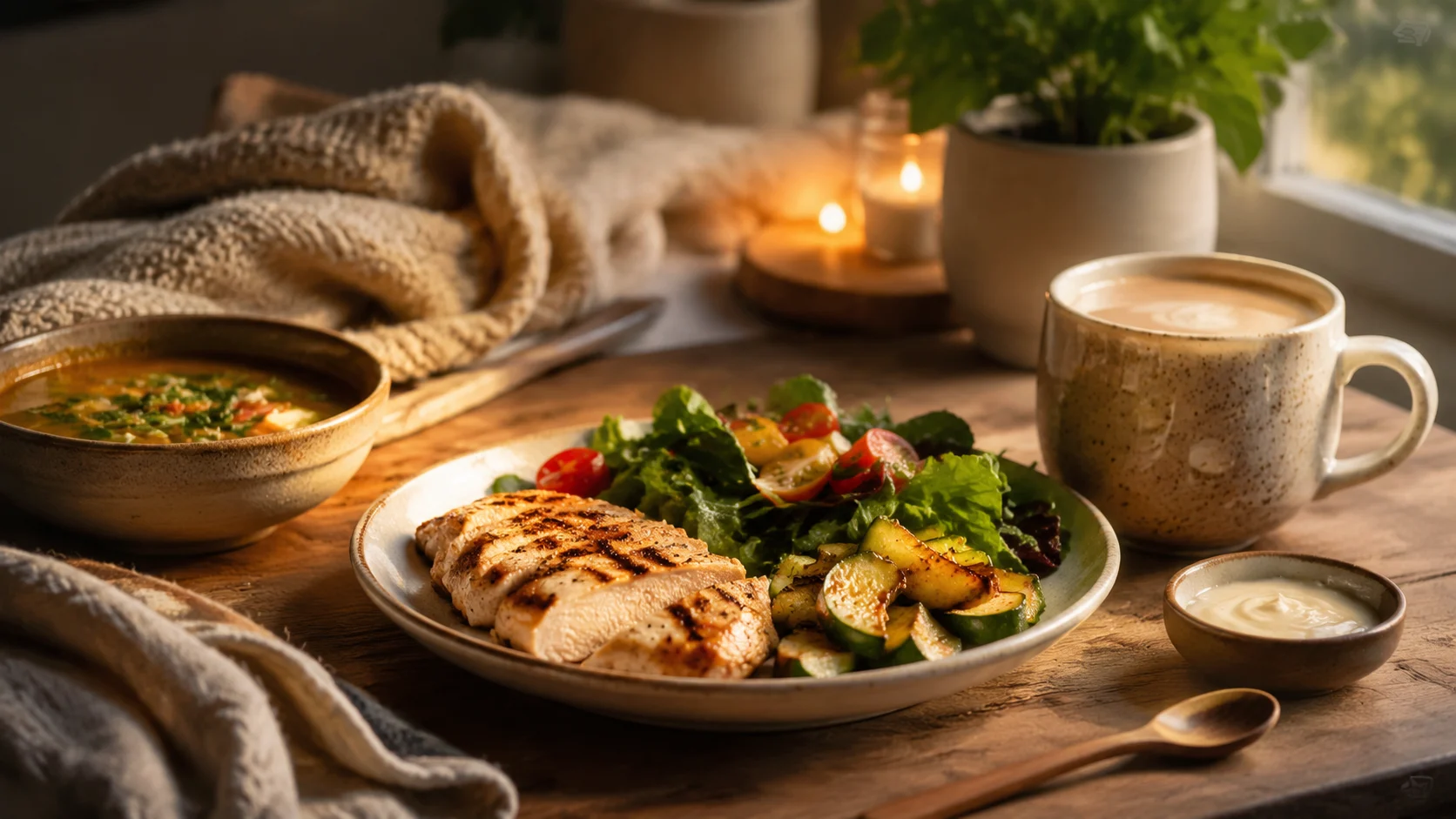
A small but helpful way to picture this is the “Moonlight Plate” method: when the body enters a more demanding phase, it often wants meals that feel grounding, not restrictive. Think of a bowl of warm oats with peanut butter and sliced banana, or rice with salmon and roasted vegetables glossed with olive oil. These meals do not just fill space. They support steadier energy.
Why Restriction Often Makes It Feel Worse
One of the most painful misunderstandings around period appetite increase is the belief that it should be suppressed. A woman may spend the day trying to be “good,” eating lightly, skipping the bread basket, choosing the smallest lunch she can tolerate. Then evening comes, and hunger arrives with force. What looks like a craving problem is often a not-enough-earlier problem.

Dieting history matters here. When the body has learned that food might be restricted, it tends to respond with stronger hunger, more food thoughts, and a deeper pull toward comfort foods. That is not failure. It is protection. Studies on dietary restraint have long observed that restriction can increase preoccupation with food and make overeating more likely later.
The body is not a project to defeat. It is a home asking to be cared for.
Gentle Ways to Support a Bigger Appetite Without Guilt
Instead of fighting period appetite increase, it can help to meet it with structure and softness at the same time. A few practical anchors often make a real difference:
- Eat earlier than guilt tells her to. A balanced afternoon snack, like Greek yogurt with berries or toast with almond butter, can soften the evening rebound.
- Build meals with staying power. Pair carbohydrates with protein and fat, such as a baked potato with cottage cheese and butter, or pasta with chicken and pesto. Comfort and nourishment can sit on the same plate.
- Leave room for satisfaction. If chocolate sounds good, having it alongside a real snack can feel far steadier than trying to resist it for hours.
- Notice the background factors. Poor sleep, extra stress, intense workouts, and skipped meals can all amplify cycle hunger.
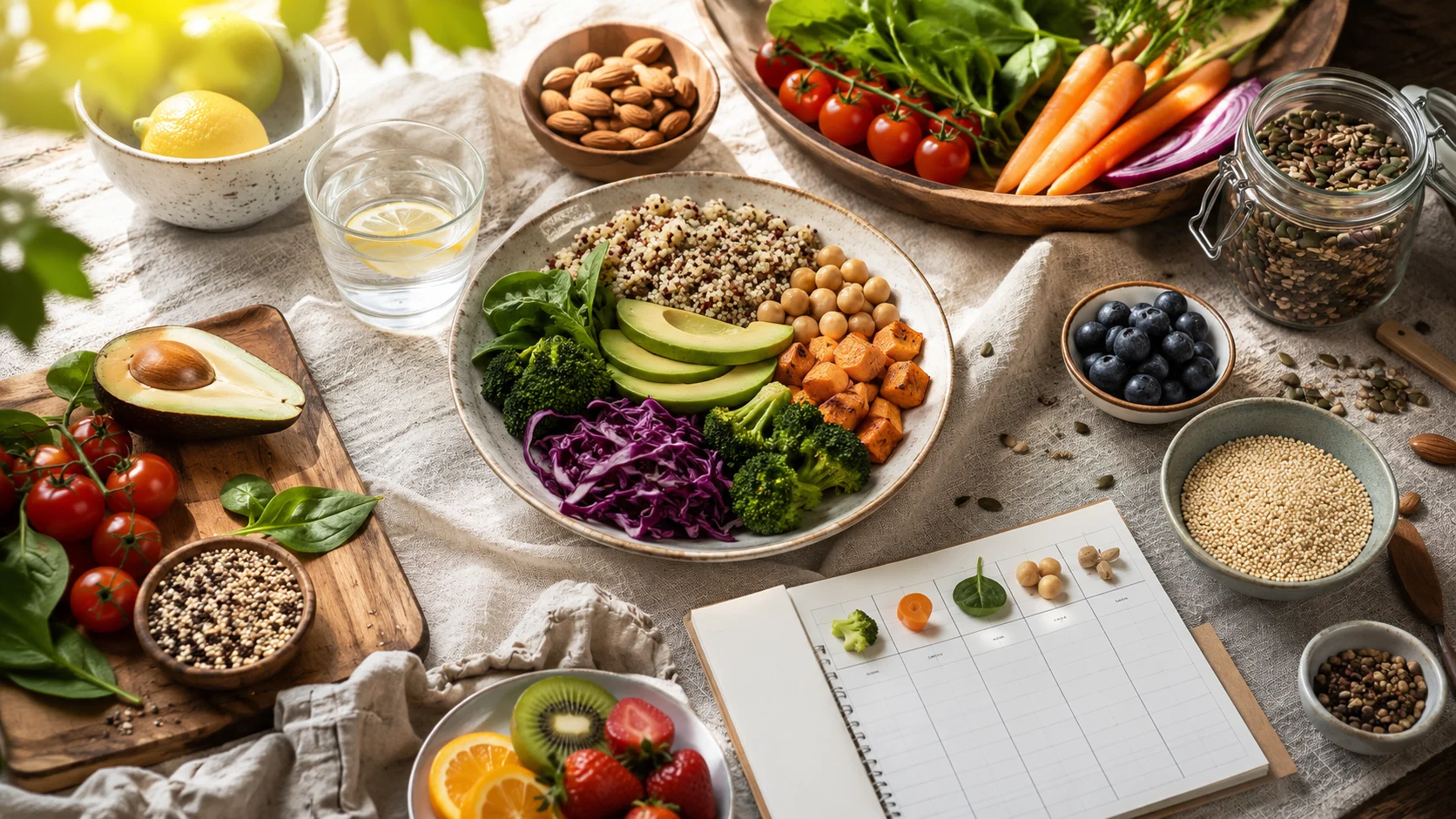
For some women, it helps to keep a gentle rhythm during the week before a period: breakfast that actually lands, lunch that is not an afterthought, and something soothing in the evening. Regular nourishment often lowers the intensity of cravings more effectively than strict control does.
A More Trusting Conversation With the Body
There is a particular loneliness in feeling hungry and then feeling ashamed of that hunger. But period appetite increase does not need to become a monthly argument. When a woman starts expecting a bigger appetite at certain points in her cycle, she can plan for support instead of spiraling into self-blame.
That might mean an extra snack in her bag, a more generous dinner, or permission to choose foods that feel comforting and balanced. Not perfect. Not polished. Just supportive enough to help her move through the week with more ease.
Please note: Every body has its own rhythm. This gentle guide is for educational purposes and does not replace personalized advice from a healthcare professional. If appetite changes feel extreme, sudden, or come with concerning symptoms, it is worth checking in with a qualified clinician who can look at the full picture with care.
You Might Also Wonder
Is period appetite increase normal if it happens every month?
Yes. Many women notice a predictable rise in hunger before or during their period. If it follows a pattern and eases afterward, it is often part of normal cycle shifts.
Why do I want sweets right before my period?
Sweet cravings can feel stronger when energy is low, mood is tender, or blood sugar has been uneven through the day. The craving is often about quick comfort and fuel, not weakness.
Should I eat more during PMS if I feel hungrier?
Often, yes. Responding with balanced meals and satisfying snacks can be more supportive than ignoring hunger and ending up ravenous later.
What if period appetite increase makes me feel out of control at night?
Night hunger is often intensified by too little food earlier in the day, stress, or exhaustion. Looking at the full day with compassion usually helps more than focusing only on the nighttime moment.
When should I talk to a healthcare professional?
If appetite changes are new, extreme, distressing, or come with missed periods, severe fatigue, dizziness, or significant mood changes, a professional can help explore what else may be going on.