
When control stops feeling like care
What is food freedom? It is not eating anything at any time without awareness. It is a calmer, more trusting relationship with food, where choices come from body signals, satisfaction, nourishment, and real-life needs rather than fear, rigid rules, or shame. For many women, food freedom begins when they realize the problem was never a lack of discipline. It was the exhaustion of living under constant food tension.
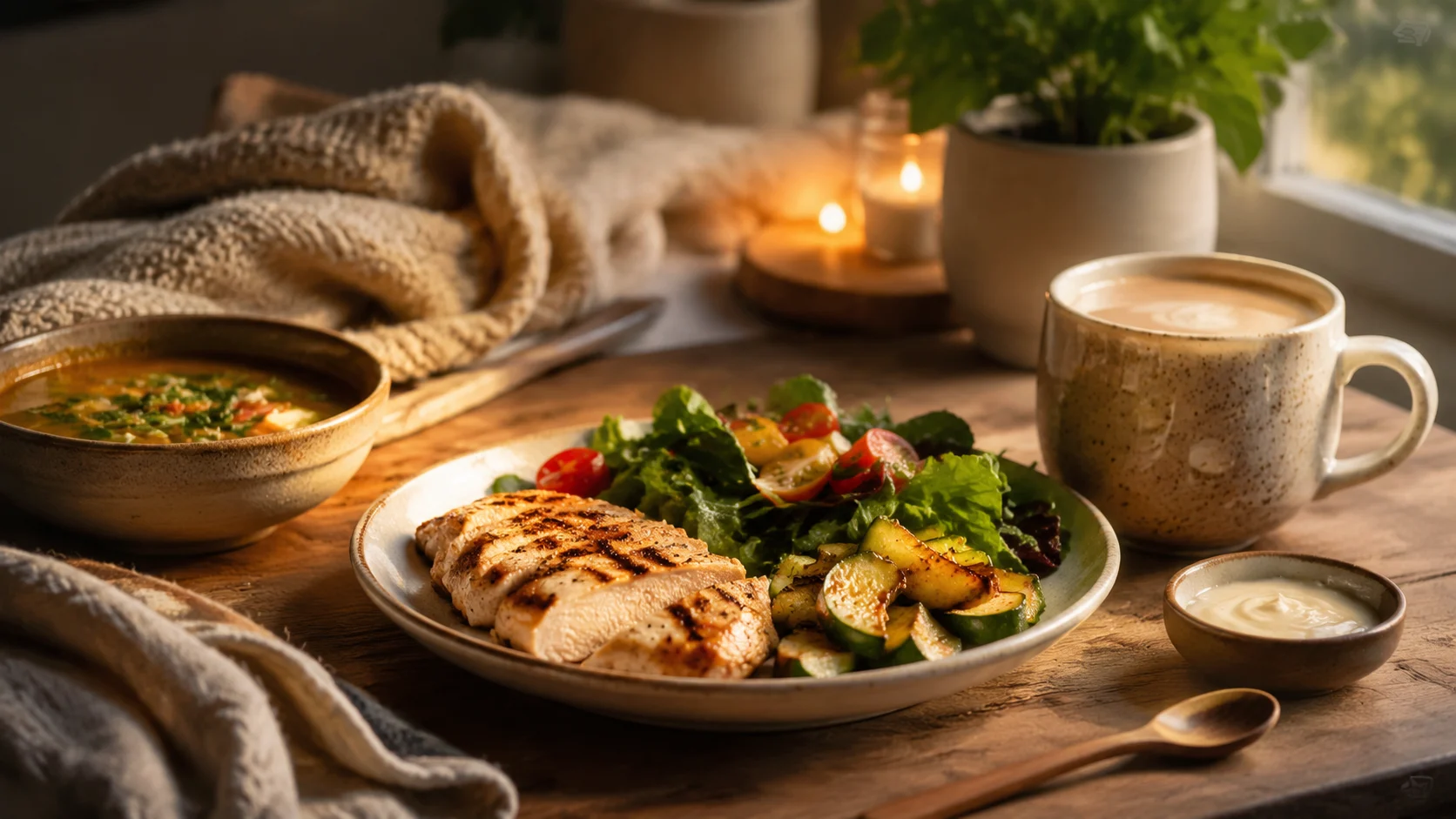
She may look perfectly “healthy” from the outside: salad at lunch, restraint at dinner, a quiet promise to do better tomorrow. But by 9 p.m., the kitchen light is on, the cereal box is open, and the old self-blame starts whispering. The common story says she lost control. A gentler truth says her body may have been asking to be heard all day.
Food freedom is not chaos. It is what eating can feel like when fear is no longer in charge.
That is the heart of what is food freedom: not a perfect way of eating, but a more peaceful one.
The quiet shape of food freedom in real life
For some, food freedom looks almost ordinary. It looks like having dessert and not mentally “repaying” for it the next morning. It looks like noticing hunger before it becomes a spiral. It looks like building meals that support steady energy, then leaving room for comfort, culture, and joy.
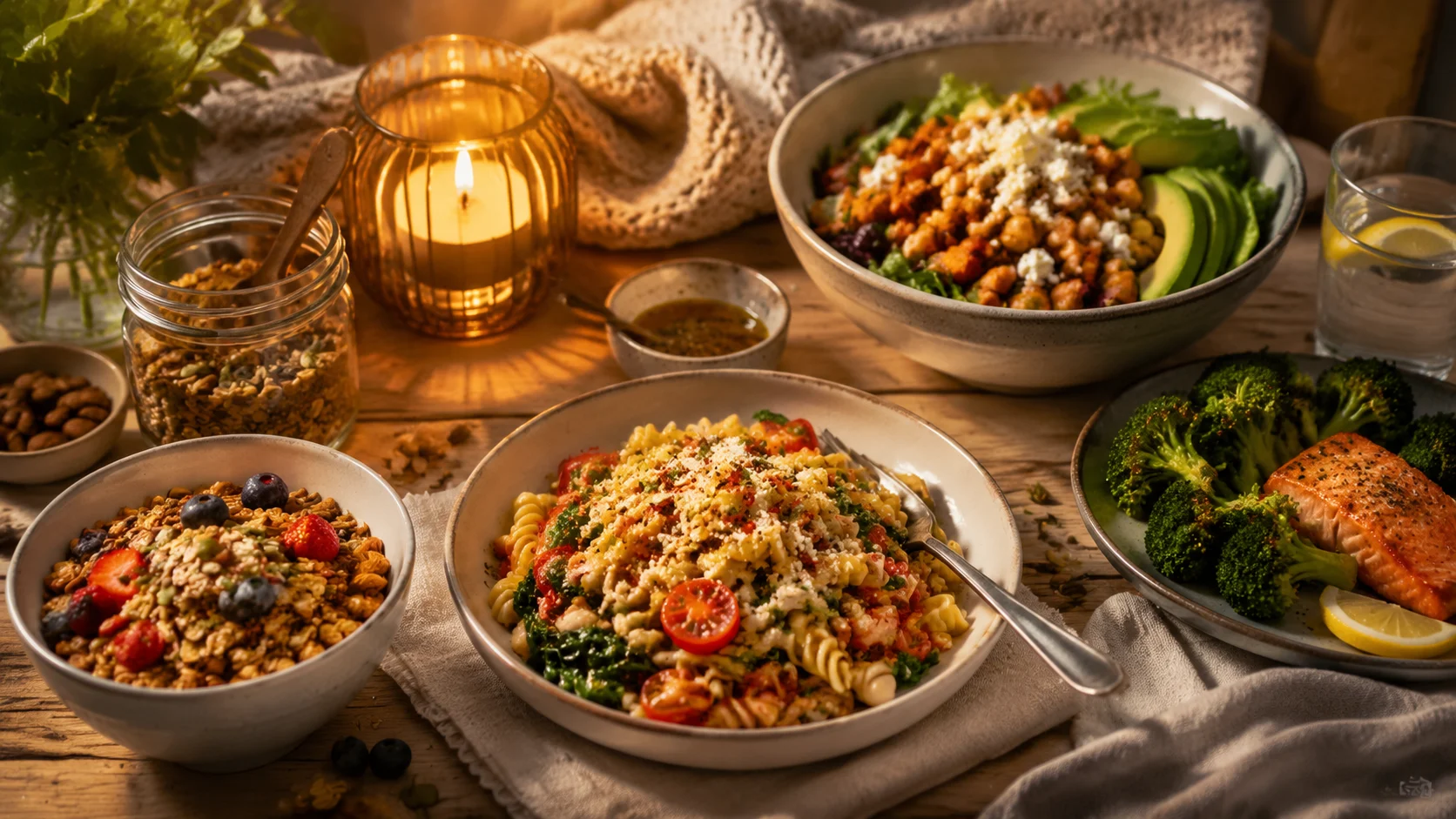
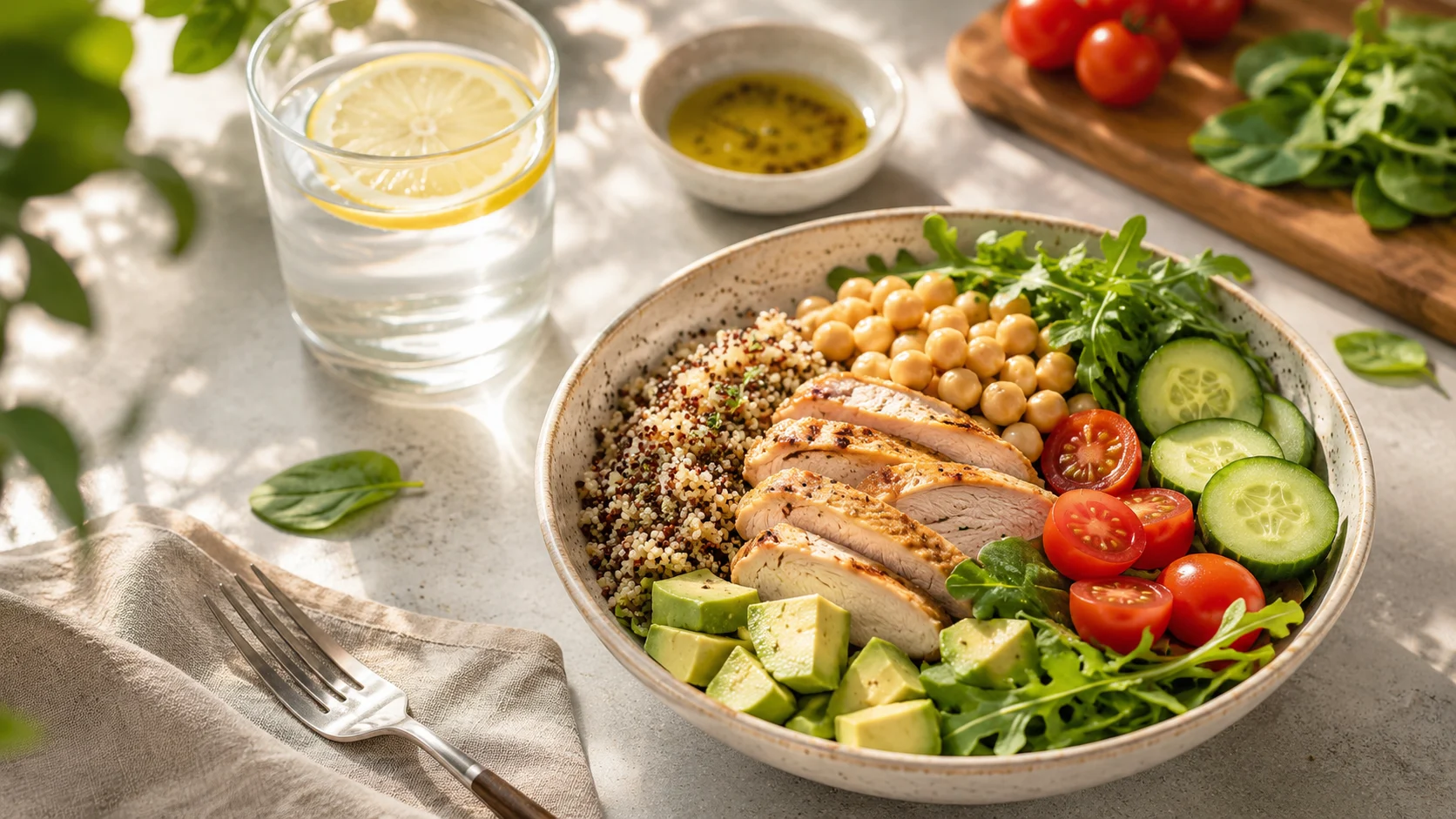
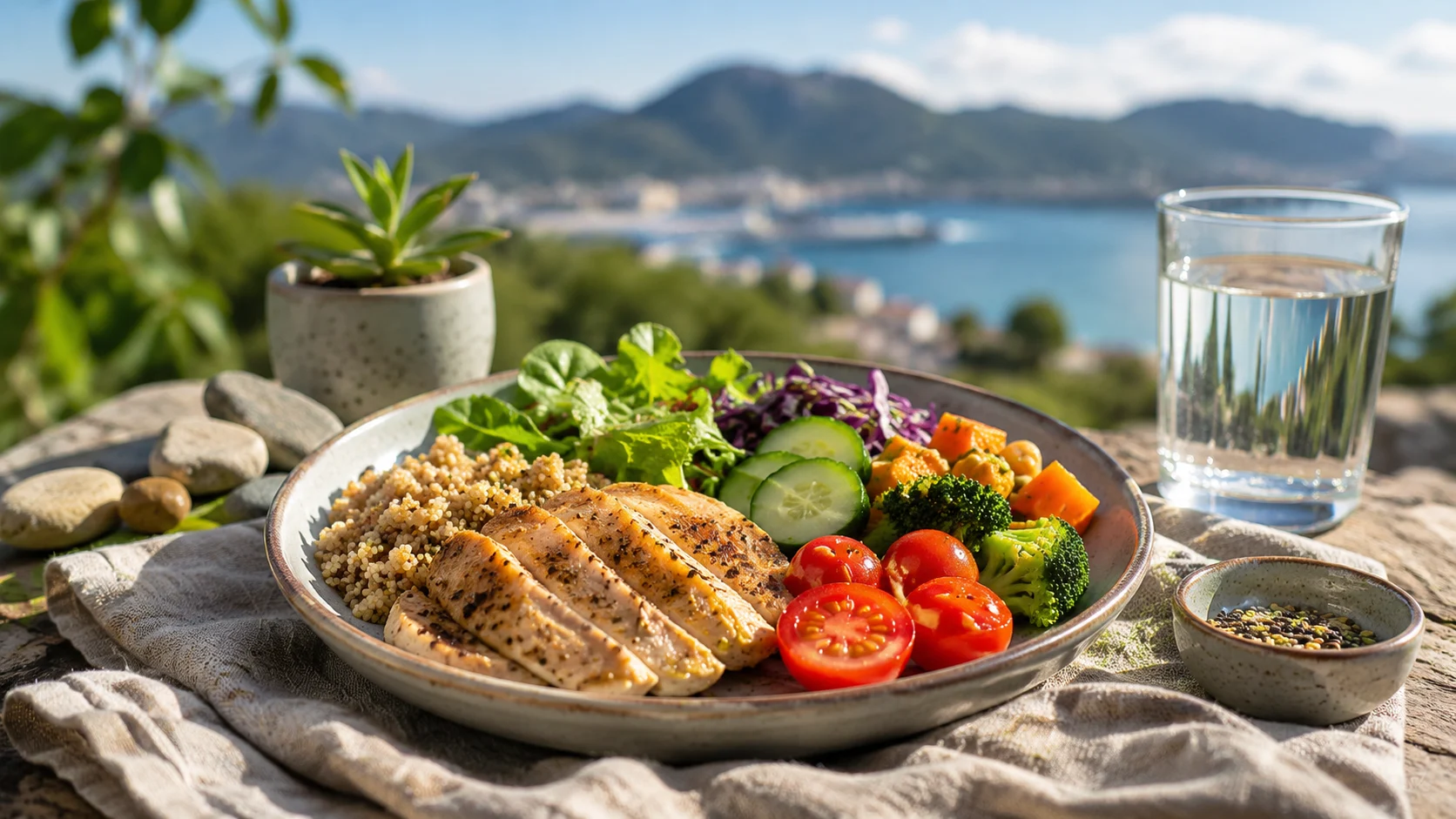
Instead of labeling foods as “good” or “bad,” food freedom invites a wider question: How does this meal support me right now? Sometimes the answer is a warm grain bowl with roasted vegetables and salmon. Sometimes it is toast with peanut butter eaten standing at the counter between meetings. Sometimes it is a shared slice of cake at a birthday table, where connection matters too.
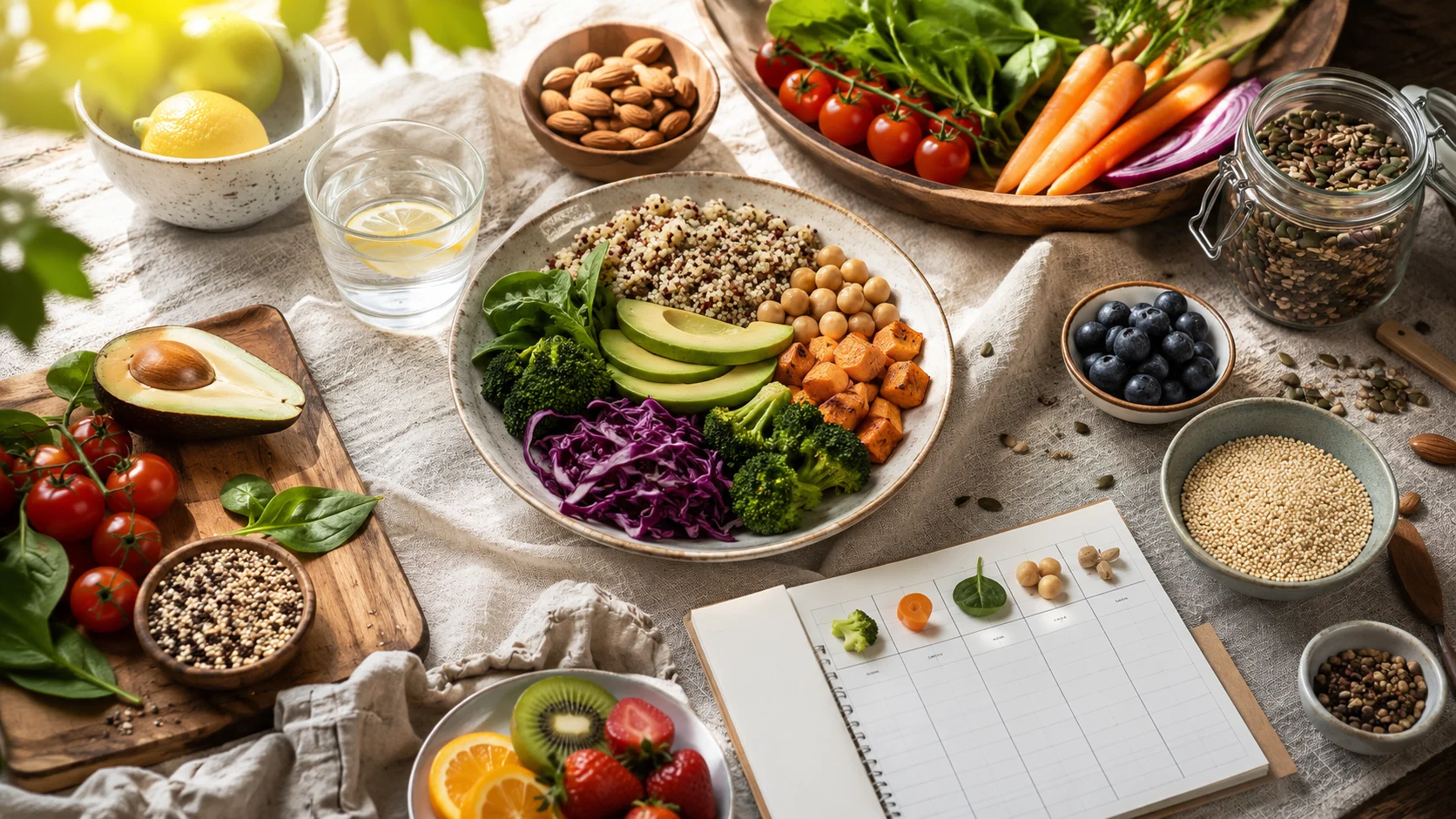
A helpful way to picture it is the Compass Plate: a gentle inner compass with four directions—hunger, fullness, satisfaction, and support. Hunger asks when it is time to eat. Fullness helps with noticing enough. Satisfaction reminds a person that pleasure matters. Support asks whether a meal helps her feel more grounded afterward. Not every meal will hit all four perfectly, and it does not need to.
The body is not a project to control. It is a place to come back to.
Why restriction so often makes eating feel harder
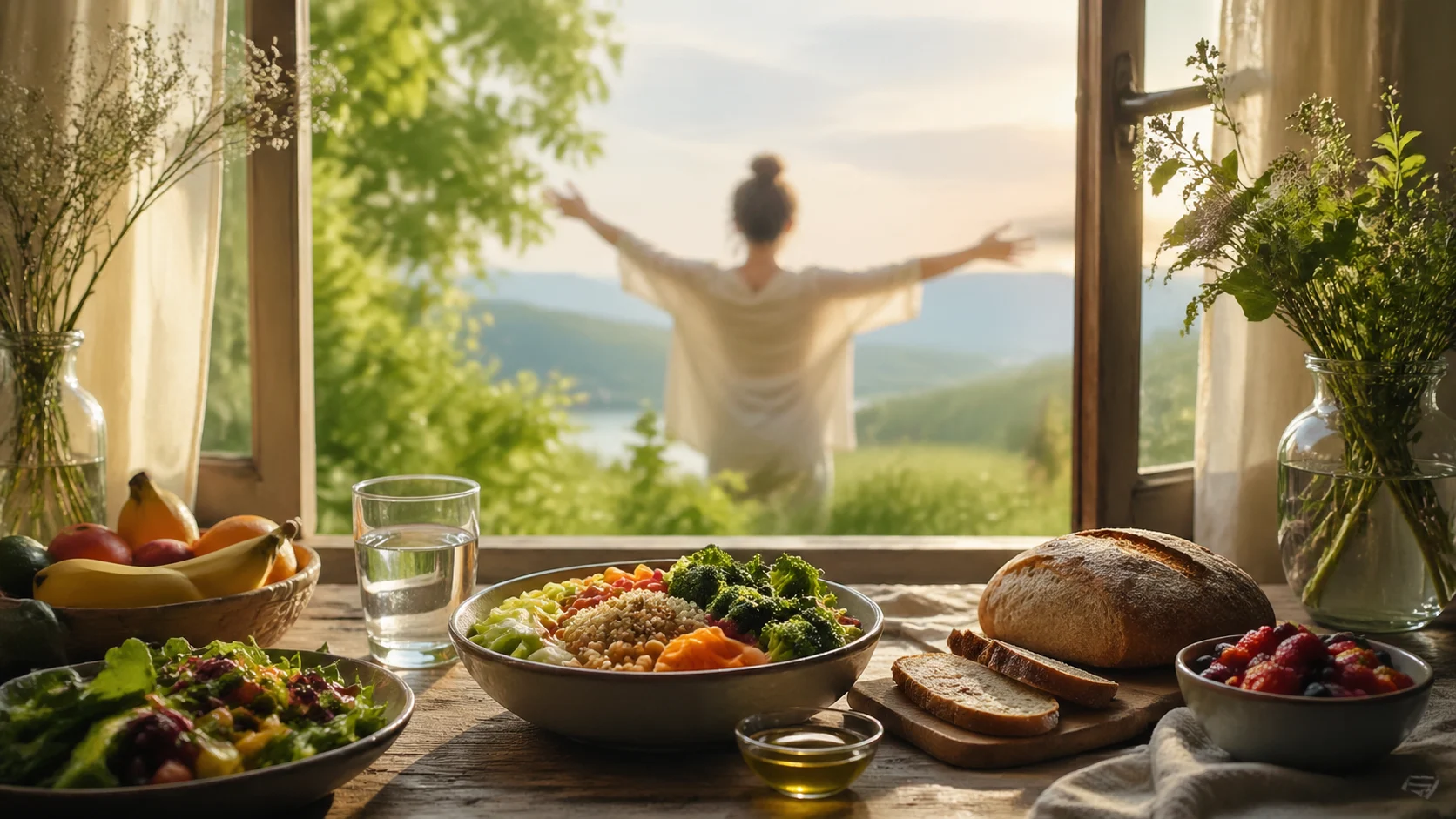
Many women first search what is food freedom after years of swinging between “being good” and feeling out of control. This pattern is common, and it is not a character flaw. When the body senses scarcity—whether from dieting, skipping meals, or constant food rules—it often responds with stronger cravings, more food focus, and a bigger sense of urgency around eating.
Research has long observed that restriction can increase preoccupation with food and make later overeating more likely. One widely cited example is the Minnesota Starvation Experiment, which showed how underfeeding affected mood, attention, and obsessive thoughts about food. While everyday dieting is not the same as that study, the broader lesson still lands softly but clearly: the human body does not interpret deprivation as wellness.
This is why food freedom is not the opposite of caring about nutrition. It is the opposite of believing that punishment creates peace. A woman who has spent years ignoring hunger may need time before trust feels natural again.
What food freedom is not
- Not a free-for-all. Food freedom does not mean abandoning comfort, nourishment, or physical well-being. It makes room for all of them together.
- Not the same as never thinking about food. Especially in the beginning, healing a tense food relationship can mean thinking about food more consciously, just in a kinder way.
- Not a quick mindset switch. If someone has lived through years of dieting, guilt, or body distrust, a softer relationship with eating usually grows in layers.
- Not anti-health. It can include balanced meals, blood sugar support, and gentle nutrition—without turning every bite into a moral test.
How a person begins to move toward food freedom
The first steps are often smaller than people expect. She may start by eating lunch before she is ravenous. She may notice that a bowl of pasta feels more satisfying with chicken, olive oil, and spinach stirred through it, not because she must “balance” it perfectly, but because her afternoon feels steadier afterward. She may stop calling herself bad for wanting comfort food during a stressful week.
Some gentle starting points:
- Notice patterns without judging them. Evening eating may be less about weakness and more about under-eating, stress, or delayed rest.
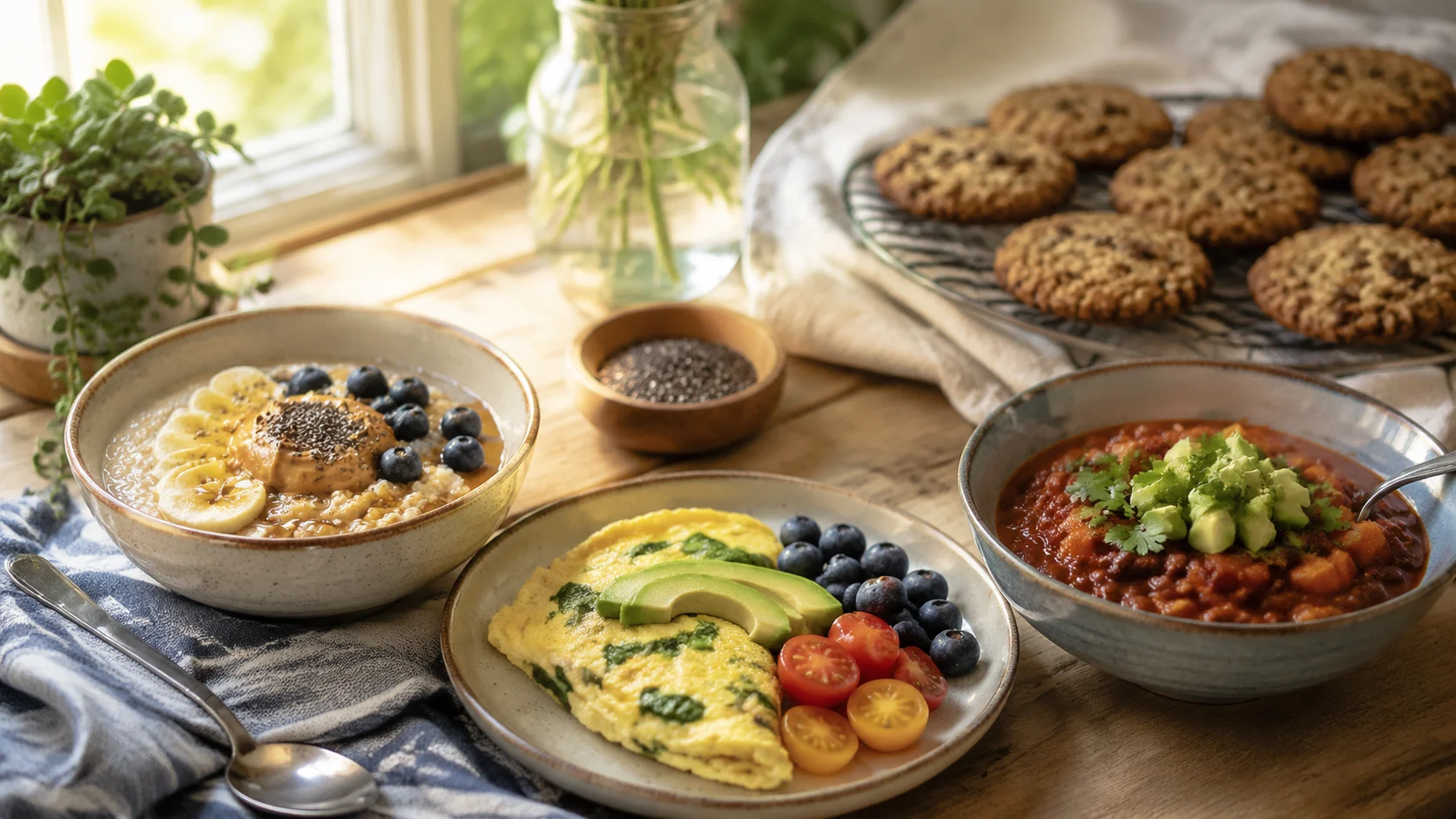
- Add before you subtract. A pastry breakfast might become more supportive with yogurt on the side or a handful of nuts tucked into a bag.
- Practice neutral language. Instead of “I was terrible today,” try “I felt very hungry and disconnected from my needs.”
- Let satisfaction count. Meals that taste good often reduce the rebound effect of constantly feeling deprived.
What is food freedom, then, if said as simply as possible? It is the gradual return of trust: trust that the body can send useful signals, trust that nourishment and pleasure can live on the same plate, and trust that eating does not have to feel like a daily test.
Please note: Every body has its own rhythm, history, and needs. This gentle guide is for educational purposes and does not replace personalized advice from a healthcare professional or registered dietitian, especially if someone is dealing with an eating disorder, a medical condition, or significant distress around food.
You Might Also Wonder
Is food freedom the same as intuitive eating?
They are closely related. Intuitive eating is a broader framework for reconnecting with body signals and letting go of diet rules. Food freedom often describes the lived feeling that grows from that process: more ease, less fear, and more trust around eating.
Can someone care about nutrition and still want food freedom?
Yes. In fact, many people find that nutrition becomes easier to practice when it is no longer tangled up with shame. Gentle structure often works better than rigid control.
What if eating freely makes me afraid I will never stop?
That fear is common, especially after restriction. The body may need a period of reassurance before urgency settles. Support, regular meals, and patience can help trust rebuild over time.
Does food freedom mean I should ignore cravings?
No. Cravings can carry information about pleasure, stress, energy needs, or simple preference. The goal is not to obey every craving automatically or silence it, but to understand it with more curiosity.
What if I only feel out of control at night?
Night eating often deserves compassion, not blame. Sometimes the missing pieces show up earlier in the day: not enough food, not enough rest, or no real pause to breathe. Looking at the full day usually helps more than focusing only on the evening.