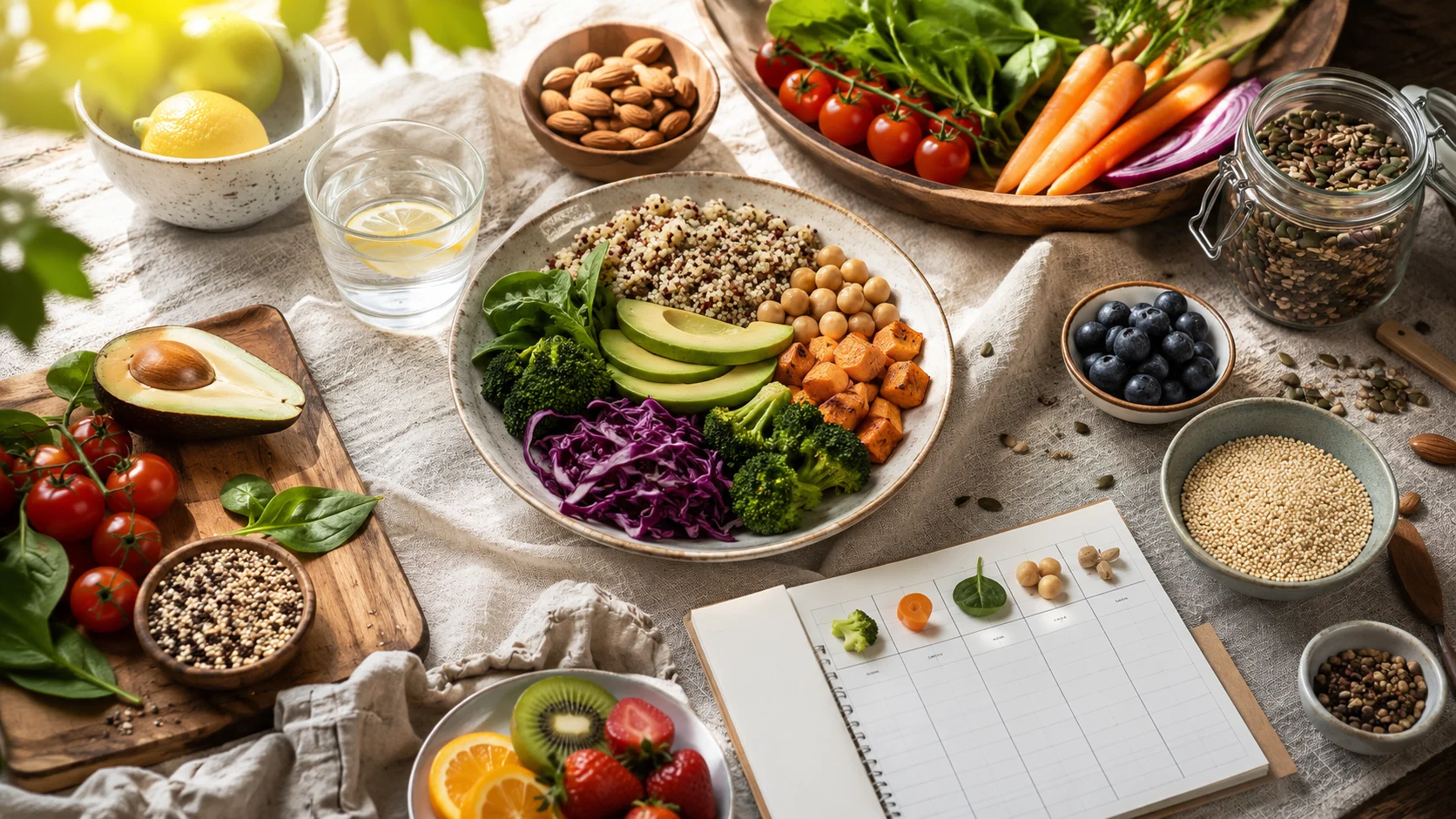

When More Food Rules Create More Food Noise
Many women are told that eating well requires tighter control, but anti diet nutrition often works in the opposite direction: it helps create more steadiness by removing shame, rigidity, and the exhausting belief that every bite must be earned. For the woman staring at her afternoon screen, already tired and somehow still thinking about snacks, the problem is often not a lack of discipline. It is a body asking for support, consistency, and enough nourishment.
Anti diet nutrition is not the same as “not caring.” It is a gentler, more grounded way of feeding the body without turning meals into moral tests. Instead of asking, “How can she eat less?” it asks, “What would help her feel more nourished, calmer around food, and more steady through the day?”
Body trust does not grow through punishment. It grows when the body learns it will be listened to.
That shift matters. Research has observed that rigid dietary restraint is associated with more binge eating and emotional eating, while more flexible approaches tend to support a calmer relationship with food. In real life, that means the stricter the rules become, the louder cravings can feel.
The Quiet Center of a More Balanced Plate
At the heart of anti diet nutrition is a small, memorable idea: the Steady Plate rhythm. Not perfection. Not calorie math. Just a simple way to build meals that feel supportive enough to soften the cycle of restriction and rebound.
The Steady Plate rhythm usually includes:
- A grounding carbohydrate — something like warm rice, buttered toast, roasted potatoes, or a bowl of oats that feels familiar rather than frightening.
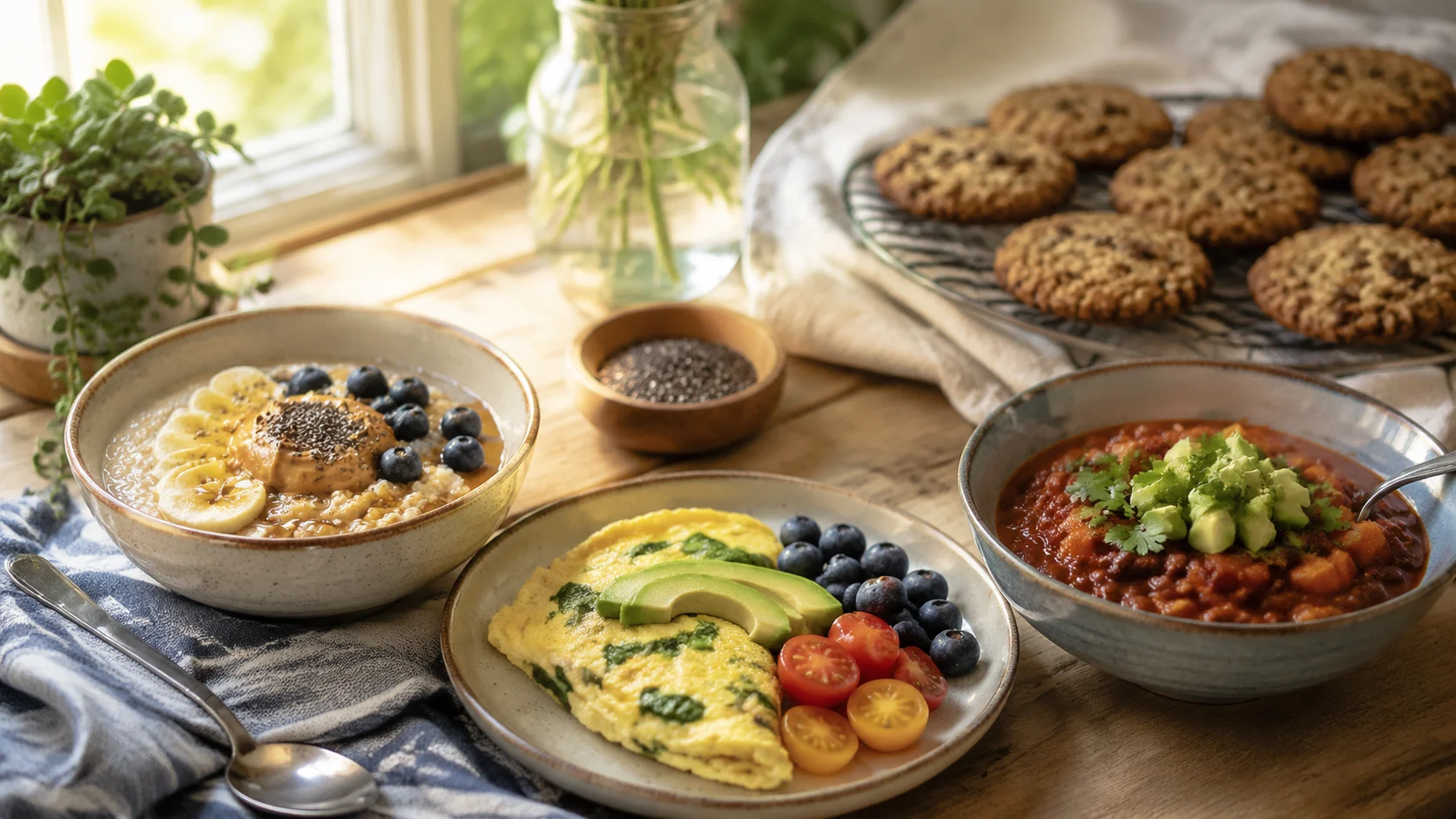
- A satisfying protein — perhaps eggs folded into soft scrambled curds, Greek yogurt with berries, or shredded chicken tucked into a wrap for longer staying power.
- A gentle source of fat — avocado, olive oil, peanut butter, tahini, or crushed walnuts that make the meal feel more settled and complete.
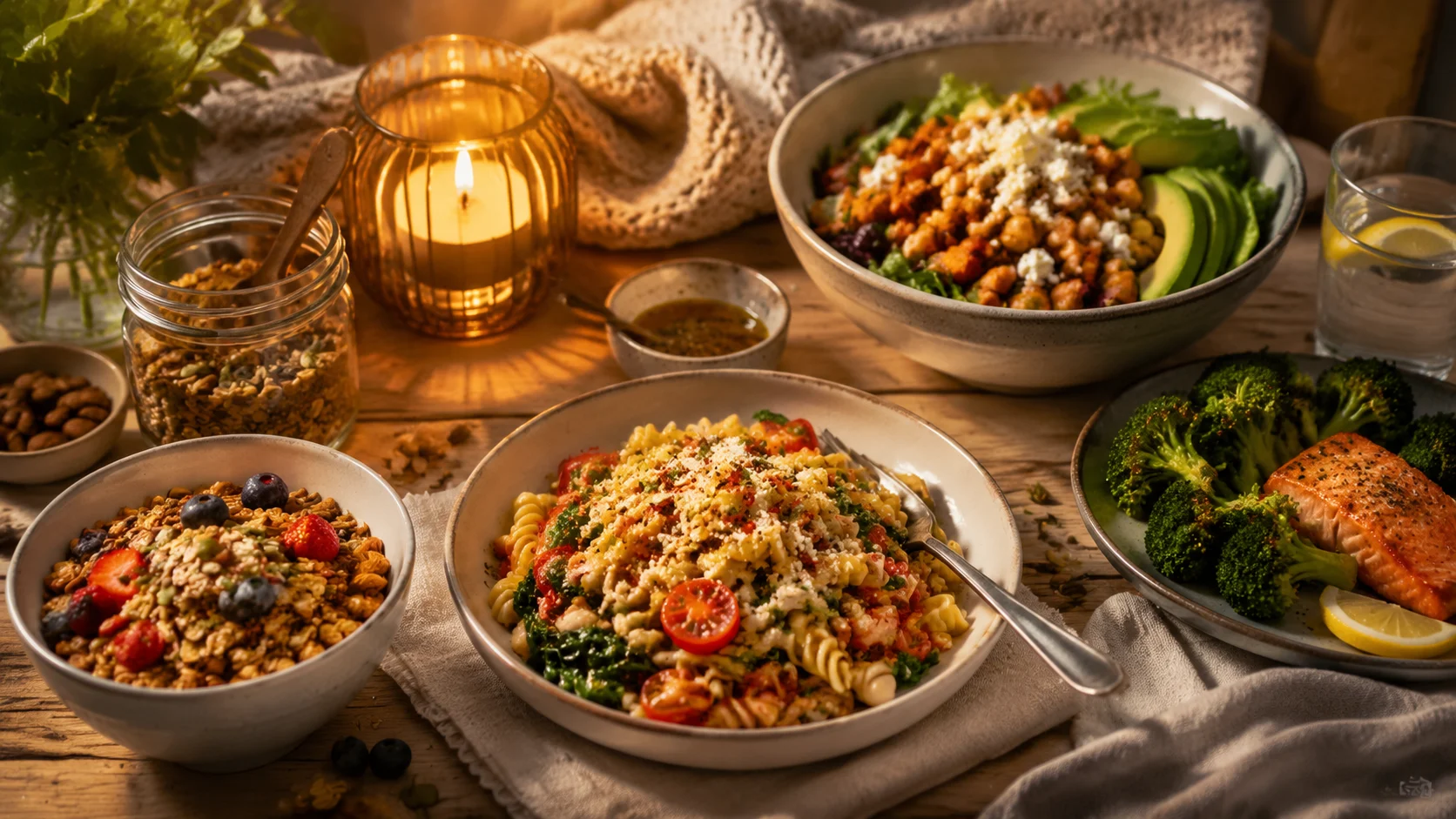
- Color or fiber where it fits — not as a rule to obey, but as support: berries scattered over oatmeal, spinach stirred into pasta, or sliced cucumber on the side.
This is where anti diet nutrition becomes deeply practical. A woman does not need a “perfect” lunch. She may just need a lunch that is substantial enough that 4 p.m. does not feel like an emergency.
Why Restriction Often Disguises Itself as “Healthy”
Sometimes food rules wear elegant clothing. They sound polished, disciplined, even admirable. Skip the bread. Ignore the hunger. Be “good” today and start over tomorrow. Yet the body hears something else: uncertainty.
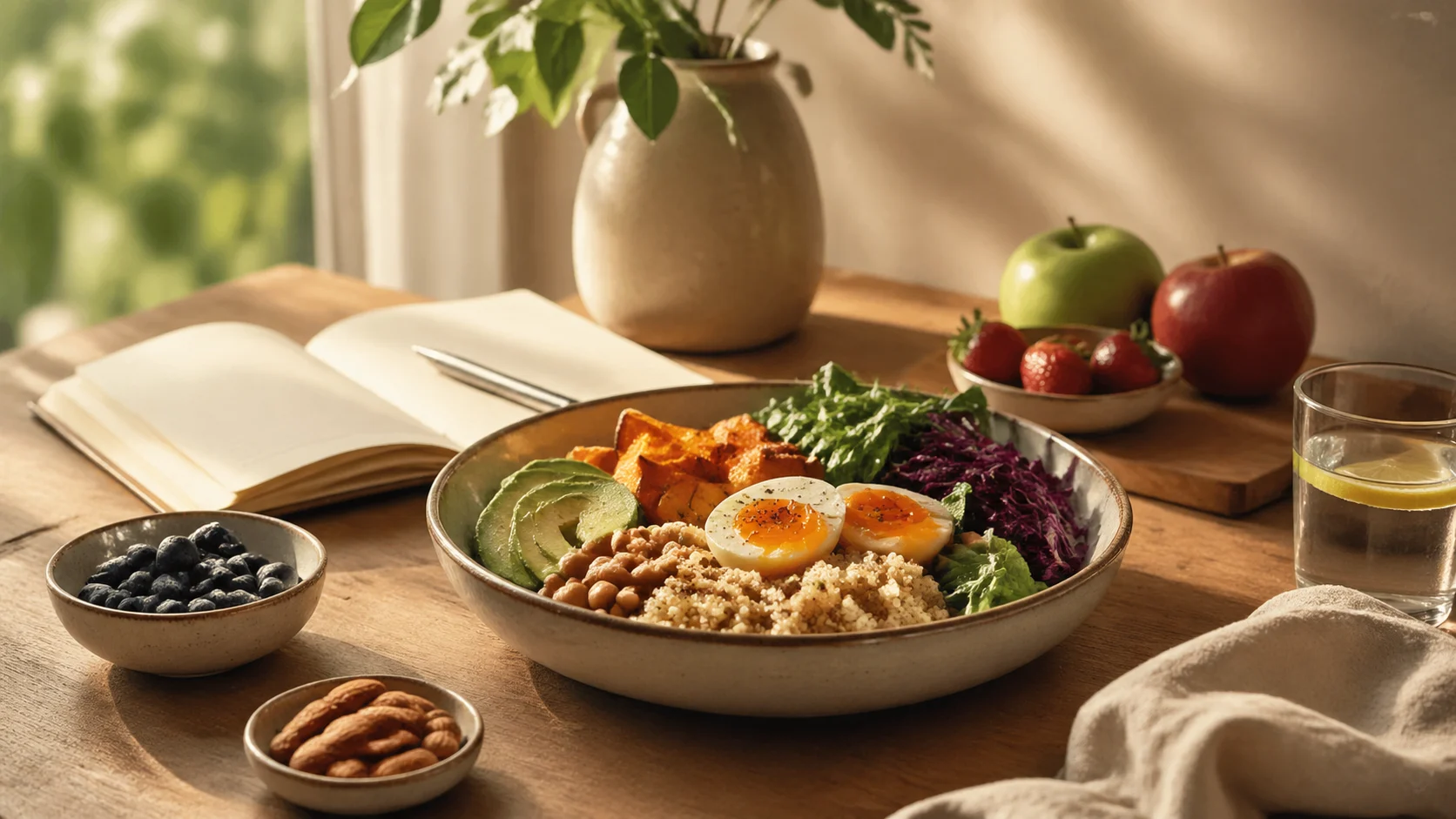
When meals stay too small, too delayed, or too carefully controlled, hunger often gathers in the background until it arrives all at once — at night, in the car, after a hard meeting, or while standing in front of the pantry wanting something crunchy, sweet, and immediate. That is not failure. That is biology mixed with stress.
The body is not a project to conquer. It is a place to come home to.
Anti diet nutrition helps loosen the idea that foods must be sorted into moral categories. A cookie is not a personality flaw. Pasta is not a loss of control. When food is no longer charged with fear, it often becomes easier to eat with more awareness and less urgency.
What This Can Look Like on a Very Ordinary Tuesday
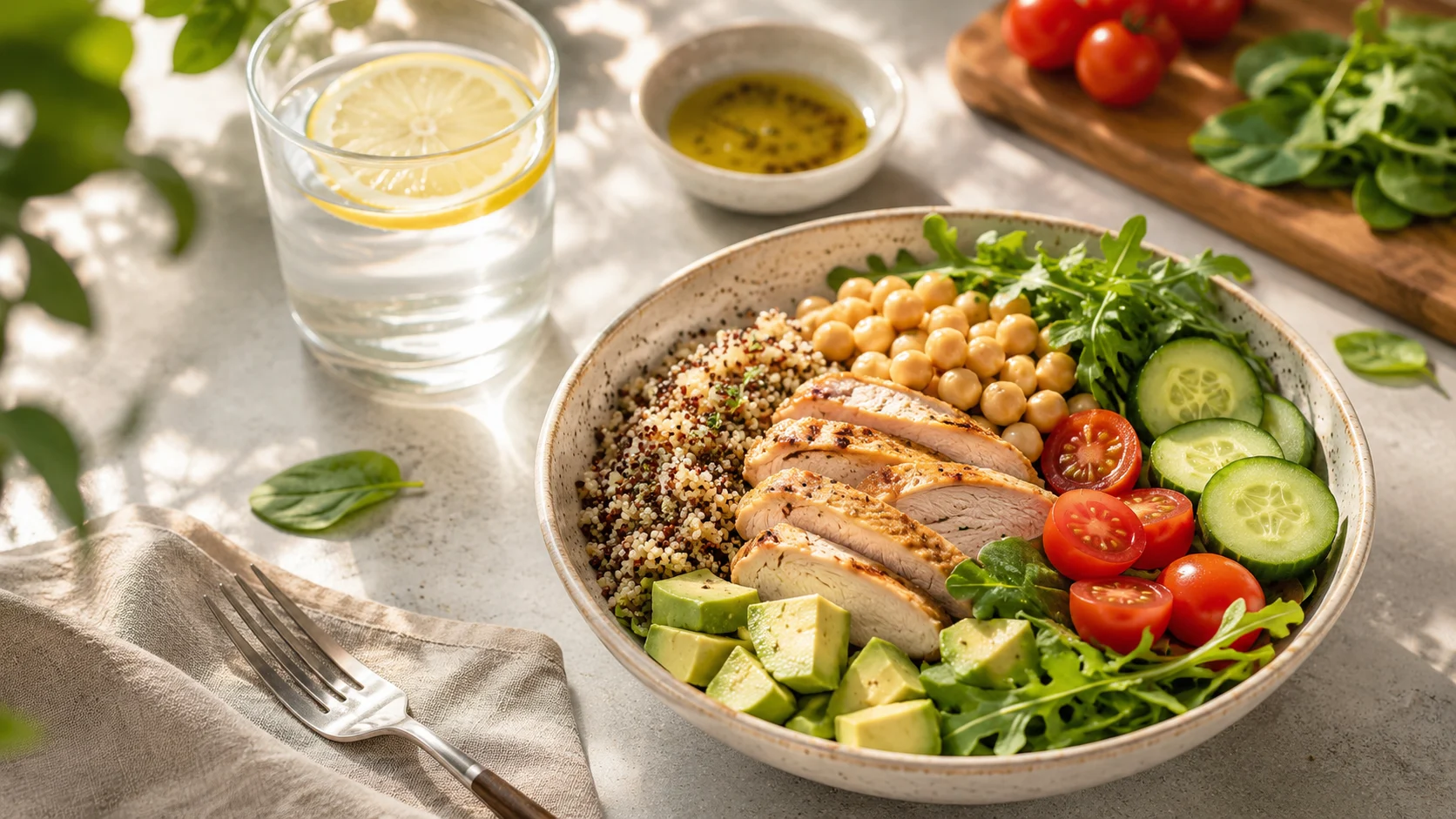
For the woman moving through a packed day, this approach may look surprisingly simple. Breakfast might be toast with peanut butter and banana because that is what she can manage before school drop-off. Lunch could be a grain bowl from a takeout place, not because it is trendy, but because rice, salmon, and edamame help her feel human again. In the evening, dinner may be boxed soup with added white beans and a piece of buttered sourdough.
Anti diet nutrition respects real life. It leaves room for convenience, comfort, culture, appetite changes, and the fact that some days are tender and messy. It also makes space for pleasure, which is often left out of nutrition advice even though satisfaction can be one of the strongest supports for feeling calm around food.
If a woman is trying to begin, a few gentle anchors can help:
- Eat earlier than the point of desperation. Even a simple snack can soften the sharp edge of later cravings.
- Add before subtracting. Instead of removing a food, try adding protein, fiber, or comfort to make the meal more complete.
- Notice patterns without judging them. Night eating, sweet cravings, or grazing often carry information about stress, under-eating, or emotional overload.
- Let consistency matter more than perfection. A steady sandwich can support the body more than an ideal meal that never happens.
Where Food Freedom Begins to Feel Possible
For many women, anti diet nutrition is less about learning new rules and more about recovering from the noise of old ones. It is the slow, quiet practice of noticing hunger before it becomes panic, allowing satisfaction without apology, and understanding that nourishment is not something she has to earn.
There is relief in that. There is also dignity. Because when eating becomes less punishing, the mind often gets more spacious. Meals feel less dramatic. Cravings feel less mysterious. The body, once treated like an enemy, begins to speak in a voice that is easier to hear.
Please note: Every body has its own rhythm. This article is for educational purposes and offers gentle guidance, not personalized medical care. If someone is dealing with an eating disorder, significant digestive concerns, or complex health needs, a registered dietitian or healthcare professional can offer more individual support.
A Few Practical Questions
What if she feels afraid that anti diet nutrition means she will eat everything in sight?
That fear is common, especially after years of restriction. At first, permission around food can feel loud. Over time, when the body learns that food is consistently available, the urgency often softens.
Can anti diet nutrition still include balanced meals?
Yes. In fact, balance is one of its gentlest foundations. The difference is that balance is used to support energy and satisfaction, not to control the body through punishment.
What if she keeps craving sweets every afternoon?
Afternoon cravings often make sense in context. A light lunch, long gaps between meals, stress, and poor sleep can all make sweets feel especially compelling. A more filling midday meal or a planned snack can help.
Does this approach ignore health?
No. Anti diet nutrition cares about health, but it looks at health in a wider frame: energy, emotional ease, consistency, digestion, satisfaction, and a more trusting relationship with food.