
When the Problem Was Never a Lack of Discipline
How to stop dieting forever often begins with a surprising shift: the issue is usually not motivation, but depletion. When a woman has spent years tightening rules around food, ignoring hunger, and trying to “be good,” her body often answers with louder cravings, more food thoughts, and a deep sense of mistrust. In that way, learning how to stop dieting forever is less about giving up and more about finally listening.
She might notice it at 9 p.m., standing in the kitchen after a long workday, reaching for cereal by the glow of the fridge light. It can feel chaotic, but the body is rarely being dramatic. It is often asking for enough food, enough steadiness, and enough care.
“The body is not a project to conquer. It is a home asking to be nourished.”
Many women who want to know how to stop dieting forever are not trying to “let go.” They are trying to stop living in a cycle where every Monday begins with control and every weekend ends in exhaustion.
The Quiet Damage of the Restrict-Rebound Loop
Dieting can look polished on the outside—meal rules, skipped snacks, smaller portions—but underneath, it often creates a pendulum swing. A woman eats lightly all day, praises herself for being “on track,” then feels pulled toward sweets at night with an urgency that seems to come from nowhere. It did not come from nowhere. It came from the body keeping score.
A helpful way to understand this is Joyini’s Steady Signal Method: when hunger, satisfaction, energy, and emotion are ignored for too long, the body sends stronger and stronger signals. Cravings are not character flaws. They are often delayed messages.
Research has observed that dietary restraint is associated with a higher risk of overeating and binge-like eating behaviors in some people, especially when stress is added to the picture. That does not mean every structure around food is harmful. It means rigid restriction can backfire, particularly for women already carrying mental load, poor sleep, and pressure.

“Food peace rarely arrives through tighter rules. It grows where trust is allowed to return.”
What Replaces Dieting in Real Life
If she wants to know how to stop dieting forever, she needs something gentler to step into—not chaos, not perfection, but rhythm. That rhythm usually starts with a few supportive anchors:
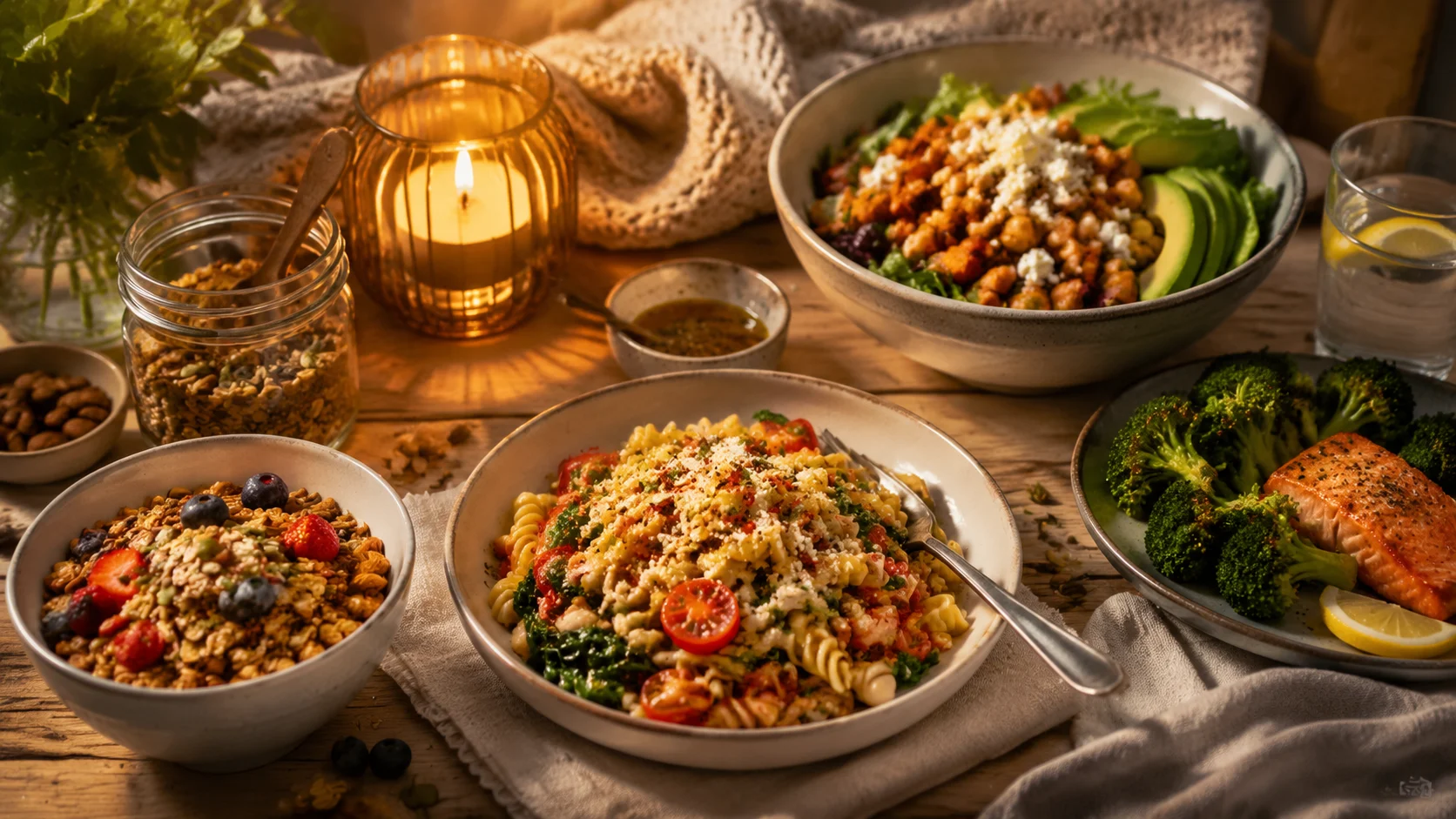
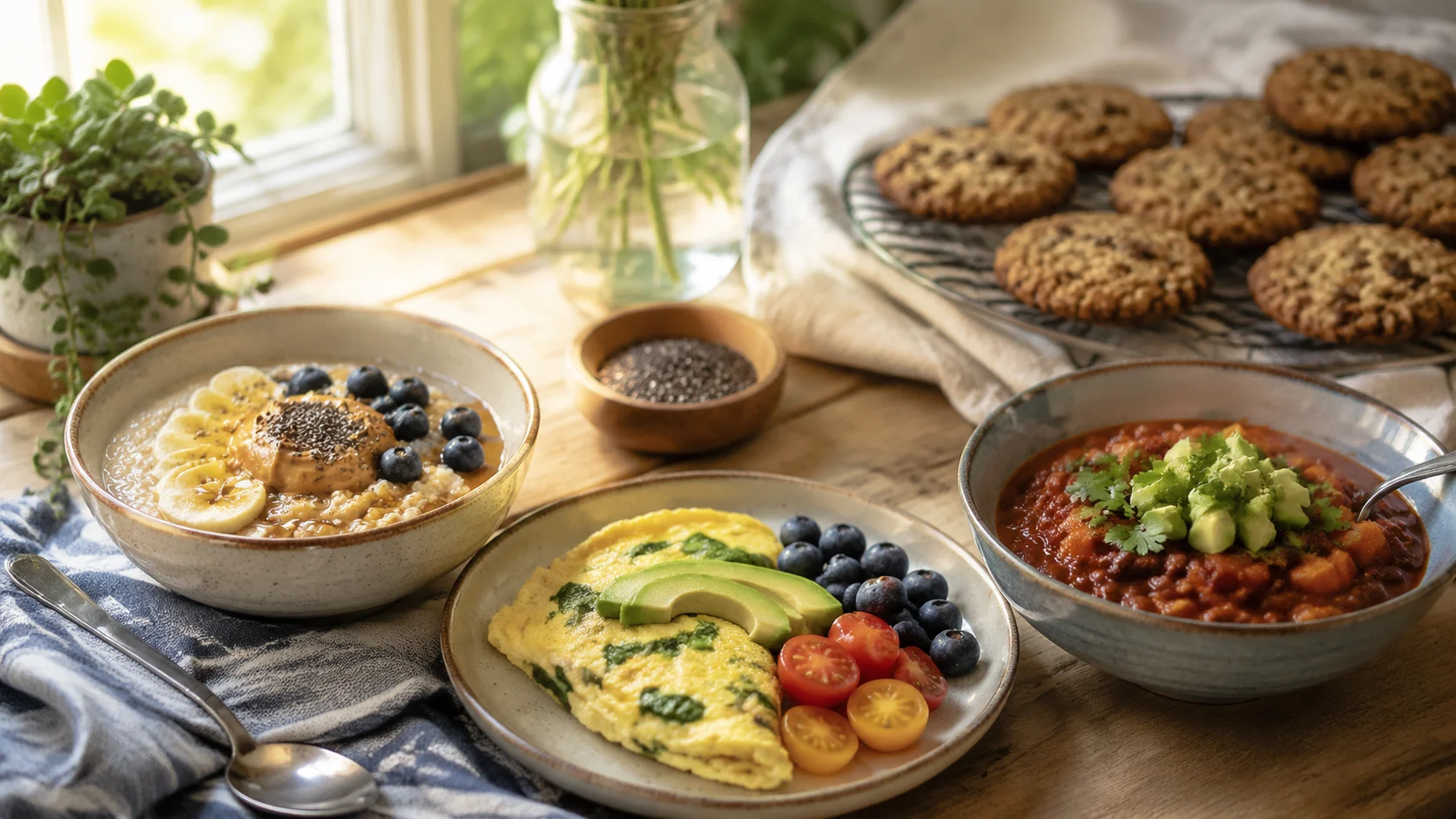
- Regular meals — not because she must eat by the clock, but because the body feels safer when nourishment is not constantly delayed. A breakfast with toast, eggs, and fruit can do more for evening calm than another day of “being good.”
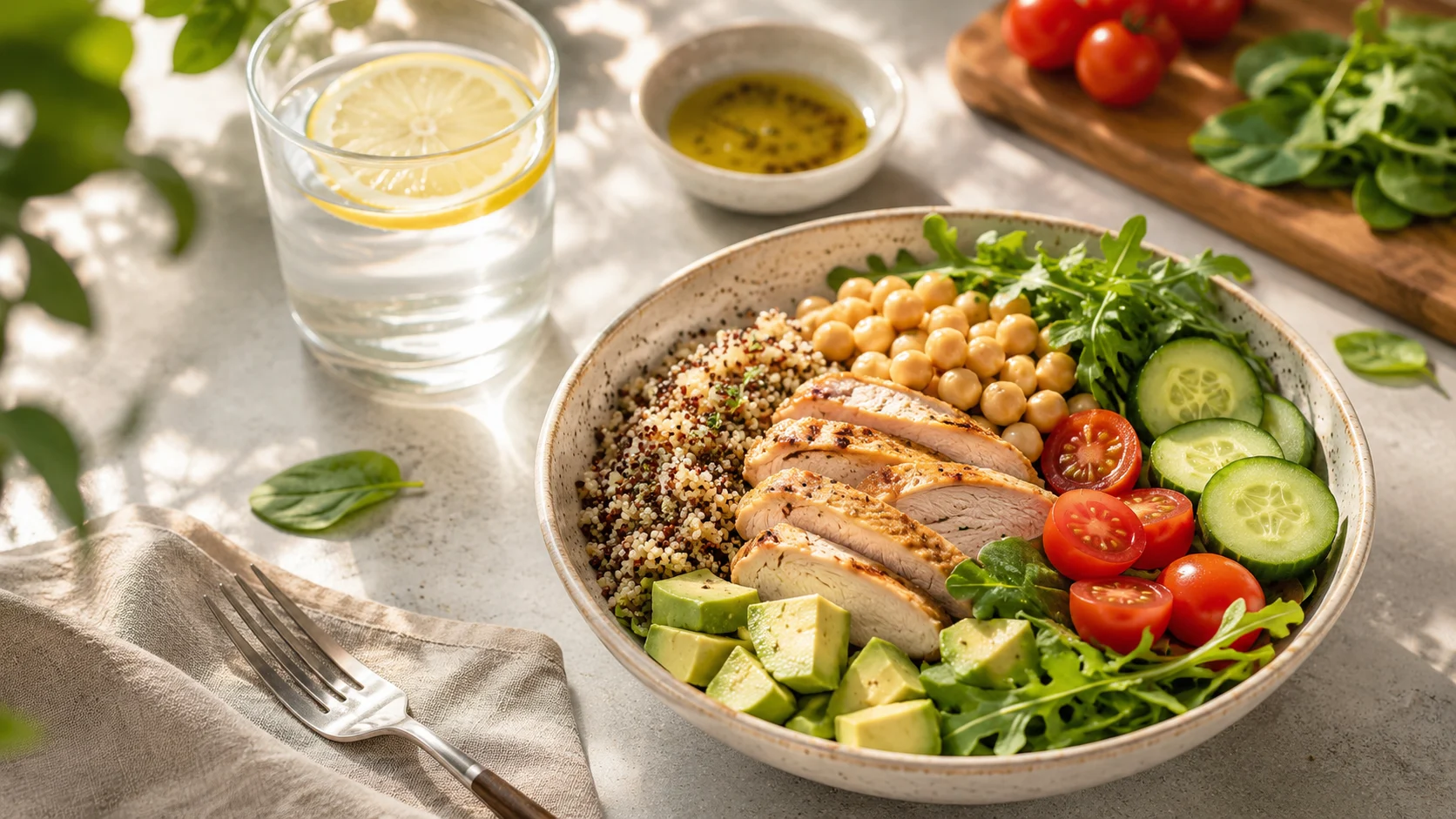
- Permission to eat satisfying food — a lunch that includes creamy avocado, warm rice, or a square of chocolate after dinner can soften the intensity that forbidden foods tend to build.
- Gentle curiosity — instead of asking, “Why can’t I control myself?” she can ask, “What was missing today?” Sometimes the answer is protein. Sometimes it is rest. Sometimes it is comfort.
- Body signal awareness — hunger can feel like foggy thinking, shakiness, irritability, or a strange urgency around snacks. Fullness can feel quiet and easy, like the breath settling back into the chest.
This is often how to stop dieting forever in practice: not by making food meaningless, but by making it less frightening.
The Moment Food Stops Being Morality
For many women, the hardest part of how to stop dieting forever is not the meal plan. It is the identity. Dieting can offer a script: good foods, bad foods, good days, bad days. Without that script, meals may feel strangely open, like standing in a room after the furniture has been moved.
That is why it helps to think in terms of support instead of virtue. A buttery piece of toast on a stressful afternoon is not a moral event. A bowl of pasta after a draining day is not failure. Food can be comforting and balanced at the same time.
When she begins to release food labels, she may notice something unexpected: cravings often become less dramatic. Not always overnight, but gradually, like a nervous system realizing it no longer has to panic.
Small Signs She Is Already Leaving Dieting Behind
Sometimes how to stop dieting forever does not look dramatic at all. It looks like a woman packing a sandwich because she knows meetings run long. It looks like adding peanut butter to afternoon toast so dinner does not arrive with desperation. It looks like eating dessert, enjoying it, and moving on with her evening.
These are quiet forms of food freedom. They do not usually come with a triumphant before-and-after photo. They come with steadier energy, fewer obsessive thoughts, and a softer inner voice.
Please note: Every body has its own rhythm, history, and needs. This gentle guide is for educational purposes and does not replace personalized support from a registered dietitian, therapist, or healthcare professional—especially if eating feels distressing or out of control.
You Might Also Wonder
What if stopping dieting makes me feel out of control at first?
That can happen, especially after long periods of restriction. When food has been emotionally charged for years, permission may feel unfamiliar before it feels peaceful. Often, consistency and enough nourishment help that intensity settle.
Can I care about nutrition and still stop dieting forever?
Yes. Gentle nutrition is still nutrition. The difference is that it supports the body without turning every meal into a test of obedience.
Why do I eat more at night when I swear I was “fine” all day?
Night eating is often the body collecting what it was denied earlier. A too-light breakfast, a rushed lunch, stress, and fatigue can all gather in the evening like a delayed wave.
How long does it take to feel normal around food again?
There is no single timeline. For some, relief starts with regular meals in a matter of weeks. For others, especially after years of dieting, rebuilding trust takes longer. Slow does not mean wrong.