
The body is not asking for perfection
Many women think they have “lost” their appetite signals forever, but that is often not the real story. Intuitive eating hunger fullness cues can feel quiet, confusing, or even absent after years of dieting, stress, rushed meals, or food guilt. That does not mean the body is broken. It usually means the body has learned to speak under difficult conditions, like trying to whisper in a loud room.
When she is answering emails at 1:47 p.m., running on coffee and good intentions, she may not notice hunger until it turns sharp and urgent. Later, fullness can feel just as hard to read. This is why learning intuitive eating hunger fullness cues is less about perfect self-control and more about gentle reconnection.
Body signals do not disappear to punish her. They fade when survival gets louder than attention.
Researchers have long observed that chronic dieting can disrupt appetite regulation and increase preoccupation with food. In one widely cited body of eating behavior research, restraint around food was associated with more episodes of overeating, especially under stress. The pattern is common, and it is not a character flaw.
The “Dimmer Switch” way of noticing hunger
Instead of treating hunger like an emergency siren that only matters when it becomes unbearable, it helps to picture it as a dimmer switch. Sometimes the signal is faint: a little foggy thinking, food sounding more interesting, a shorter temper, a hollow feeling that is easy to ignore. Sometimes it grows brighter: stomach sensations, shakiness, distraction, urgency.
This dimmer switch image can make intuitive eating hunger fullness cues feel less rigid. She does not need to identify the “correct” number on a hunger scale every time. She can simply ask:
- What is the body hinting at right now? Maybe concentration is slipping, and lunch was hours ago.
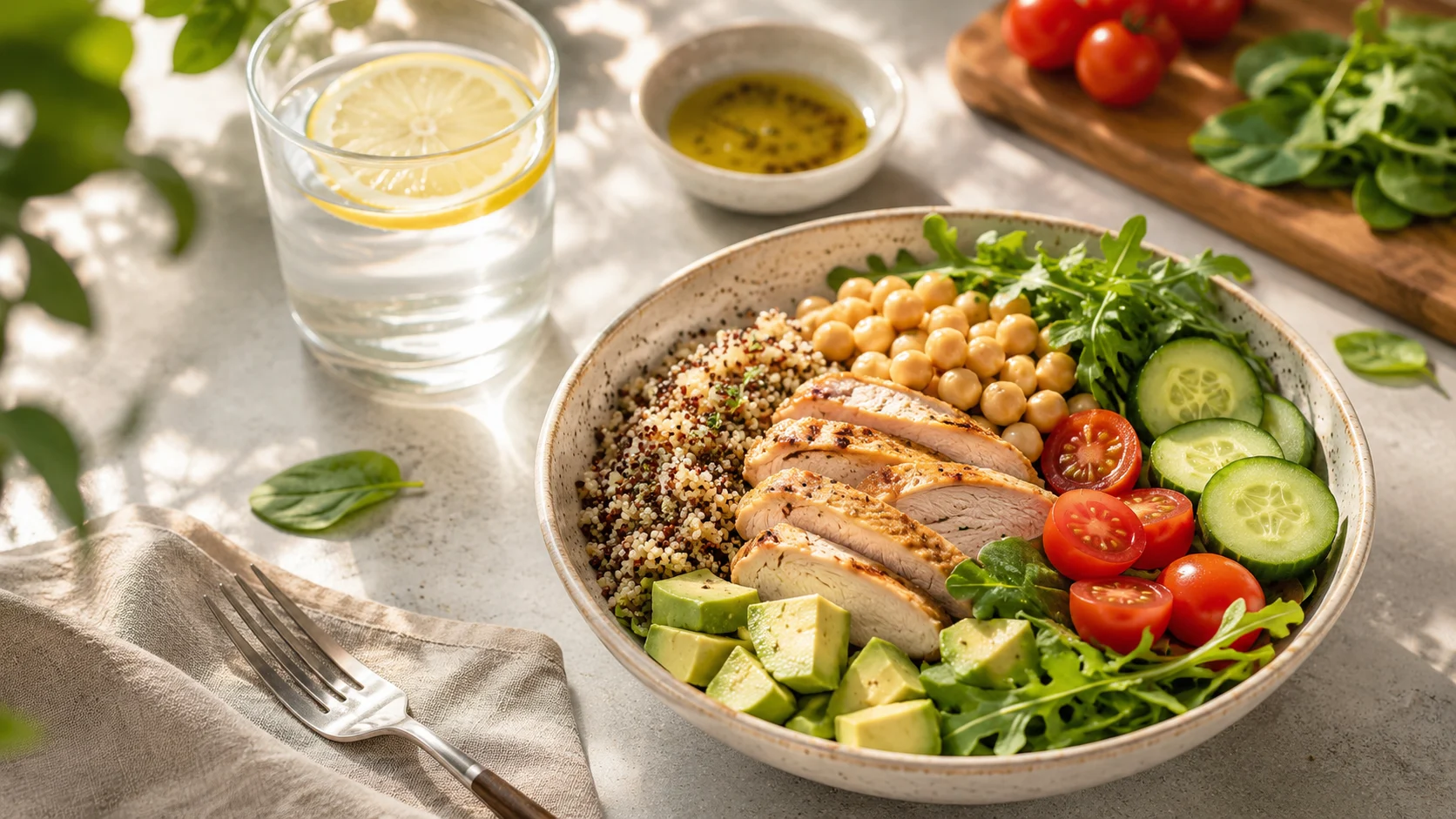
- What kind of nourishment would feel supportive? Perhaps something warm, balanced, and easy, like toast with eggs and fruit or a rice bowl with salmon and cucumber.
- What would make the next two hours feel steadier? Not morally better. Just steadier.
That small shift often softens the panic that can build around eating.
Fullness is not a test to pass
For many women, fullness has been turned into a rule: stop at the exact right moment or risk “failure.” But fullness is not a narrow doorway she must squeeze through perfectly. It is more like weather moving across the body, changing with stress, hormones, sleep, and what was eaten earlier.

Intuitive eating hunger fullness cues are easier to notice when meals are not built on deprivation. If lunch was only a small salad that left her cold and unsatisfied, evening fullness may arrive late, after she is already ravenous. A more balanced meal often creates a clearer landing place.
The body is not a project to conquer. It is a home to listen to.
Sometimes comfortable fullness feels like a soft exhale. Food stops tasting quite as electric. The shoulders drop. Thinking opens back up. She may still have a few bites left, or she may want a little more. Both can belong inside food freedom.
What blurs intuitive eating hunger fullness cues in real life
Real life is noisy. Hunger and fullness do not exist in a peaceful laboratory. They live in carpool lines, office kitchens, late-night scrolling, PMS, and meetings that run too long. A few common things can blur these cues:
- Long gaps without eating — when the body goes too long without fuel, subtle hunger often turns into all-or-nothing hunger.
- Stress and high alert — cortisol can make signals feel scrambled, delayed, or more intense.
- Food rules — labeling foods as “earned” or “off limits” can make eating feel emotionally charged.
- Eating too quickly — fullness often needs a little time and presence to become noticeable.
- Cycle changes — during the luteal phase, many women notice stronger hunger and cravings. That is not failure; it can reflect real shifts in energy needs.
A study published in the American Journal of Clinical Nutrition found that energy intake can rise in the luteal phase for some women, which helps explain why appetite may feel different across the menstrual cycle. Sometimes the body is not being dramatic. It is being rhythmic.
A gentler way to practice at the next meal
Relearning intuitive eating hunger fullness cues does not require a perfect meal plan. It often begins with a quieter kind of noticing. At the next meal, she might pause just long enough to observe whether hunger feels like emptiness, irritability, daydreaming about snacks, or a simple readiness to eat.
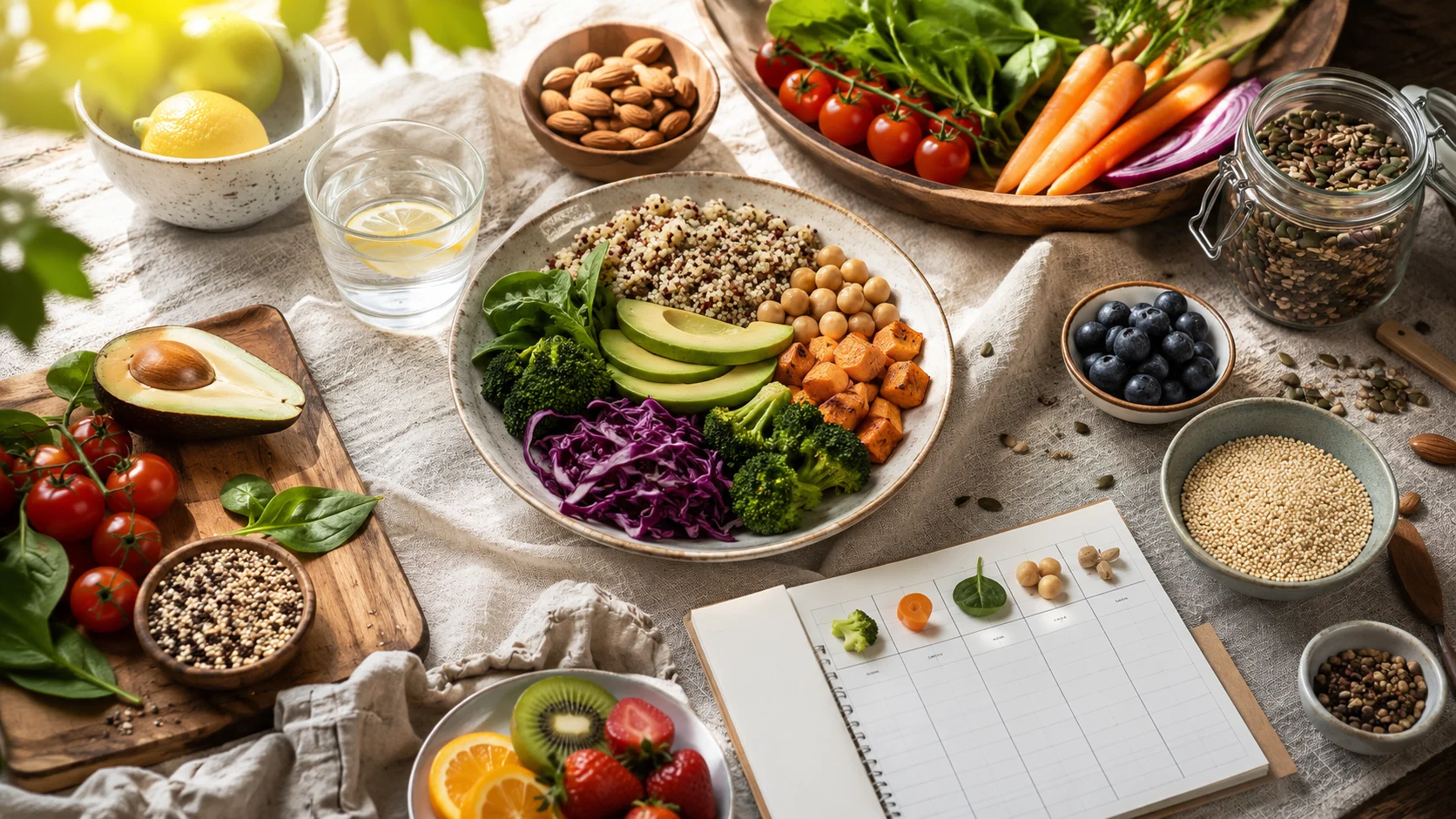
Then she can build what Joyini might call the Soft Landing Plate: something that brings comfort and steadiness at the same time. Maybe a bowl of Greek yogurt with berries and almond butter on a busy morning. Maybe noodles tossed with edamame and sesame on a tired evening. Maybe takeout, but with enough substance that the body does not keep searching an hour later.
Halfway through, another tiny pause can help. Not to police the meal. Just to listen. Is the edge of hunger easing? Is satisfaction arriving? Would a few more bites feel caring, or would stopping now feel more comfortable?
Please note: Every body has its own rhythm, history, and needs. This gentle guide is for educational purposes and does not replace personalized care from a registered dietitian, physician, or mental health professional, especially if eating feels distressing or consistently hard to regulate.
You Might Also Wonder
If hunger cues feel completely absent, should she wait until they come back?
Not always. If someone has been dieting, skipping meals, or living under chronic stress, regular gentle meals can help rebuild trust before strong cues return.
What if she often eats past fullness at night?
That pattern can reflect under-eating earlier in the day, emotional depletion, or both. Looking at the full day with compassion usually helps more than focusing only on nighttime eating.
Is it normal for fullness to feel different from day to day?
Yes. Sleep, stress, hormones, movement, and meal composition can all shift how fullness shows up. Appetite is responsive, not mechanical.
What if she cannot tell the difference between craving and hunger?
Sometimes they overlap. A craving can carry emotional comfort, while hunger asks for energy. When both are present, a meal or snack that offers nourishment and satisfaction often works best.
Can intuitive eating hunger fullness cues become clearer again?
Very often, yes. With consistent nourishment, less food judgment, and a little more presence, many people notice these signals becoming easier to hear over time.