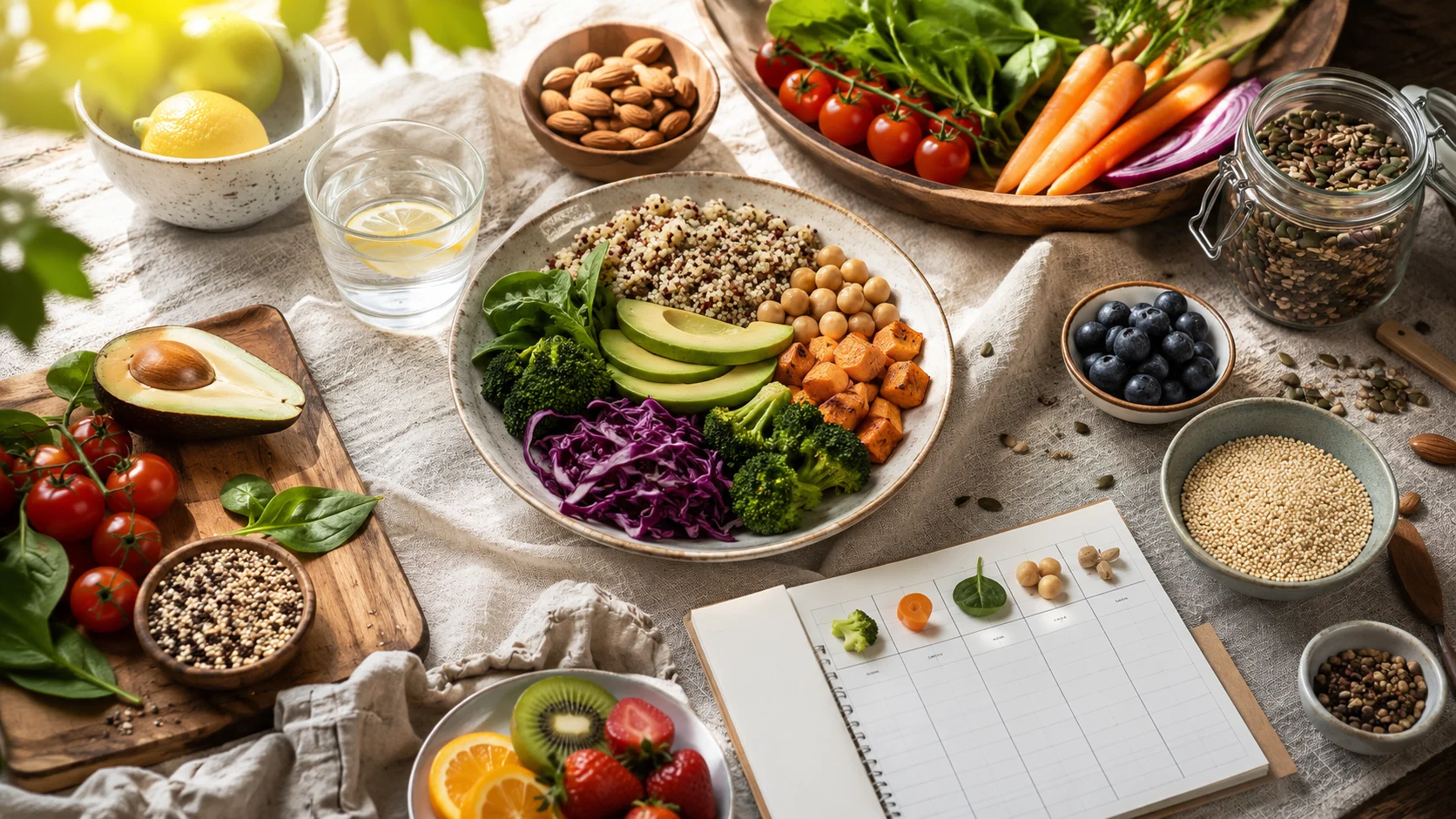

The Feeling After the Bite Is Not the Real Problem
Learning how to overcome food guilt often begins with a surprising truth: the guilt usually does not come from the food itself. It grows from old rules, years of dieting, stress, and the quiet belief that eating should always be perfectly controlled. When a woman stands in her kitchen after a long day, holding the wrapper from a cookie or scraping the last spoonful from a bowl, what hurts most is rarely the food. It is the story she tells herself about what that food means.
That is why how to overcome food guilt is not about becoming more disciplined. It is about becoming more understanding. Food guilt softens when she begins to see eating as information, not evidence of failure.
Body trust does not grow through punishment. It grows when a person feels safe enough to listen.
Many women were taught to sort meals into moral categories, as if lunch could make them “good” and dessert could make them “bad.” But the body does not speak in shame. It speaks in body signals: hunger, satisfaction, fatigue, comfort, fullness, and craving. A more peaceful relationship with food starts there.
The Three-Part Reset: Pause, Name, Nourish
One gentle way to practice how to overcome food guilt is through a simple micro-framework: Pause, Name, Nourish. It is designed for real life, especially for the woman who eats quickly between meetings or reaches for snacks while carrying the weight of the day.
- Pause. Not to stop eating, but to create one soft breath of space. This moment says, “Something is happening here, and it deserves care.”
- Name. Ask what is present without judgment. Is it hunger? Stress? Loneliness? A skipped lunch? PMS? Often, guilt fades when the moment is understood clearly.
- Nourish. Respond in a balanced way. Sometimes that means a proper meal with warmth and substance. Sometimes it means enjoying the cookie and adding something more grounding beside it, like yogurt, fruit, or a handful of nuts.
This is where many women discover that how to overcome food guilt has less to do with removing comfort food and more to do with removing fear from the eating experience.
Why Restriction Quietly Keeps Guilt Alive
Food guilt often looks personal, but it is deeply shaped by diet culture. When someone spends years trying to “be good” all day, evening can begin to feel like a breaking point. The body, underfed or emotionally worn thin, naturally reaches for relief. Then guilt arrives and promises that tomorrow will be stricter.

That cycle is common, and it is not a character flaw. In fact, research has repeatedly observed that dietary restraint is linked with a higher risk of overeating and binge-like eating patterns. The body tends to push back against deprivation, whether that deprivation is physical, emotional, or both.
Food becomes louder when the body has been ignored for too long.
So if she wants to understand how to overcome food guilt, it helps to look not only at what she ate, but at what came before it. A lunch rushed away. A day powered by coffee. A hard conversation. A week of promising to “do better.” Guilt softens when the full picture is allowed into the room.
Small Shifts That Make Eating Feel Safer Again
A calmer food relationship is usually rebuilt in ordinary moments. Not in grand transformations, but in the soft repetition of support.
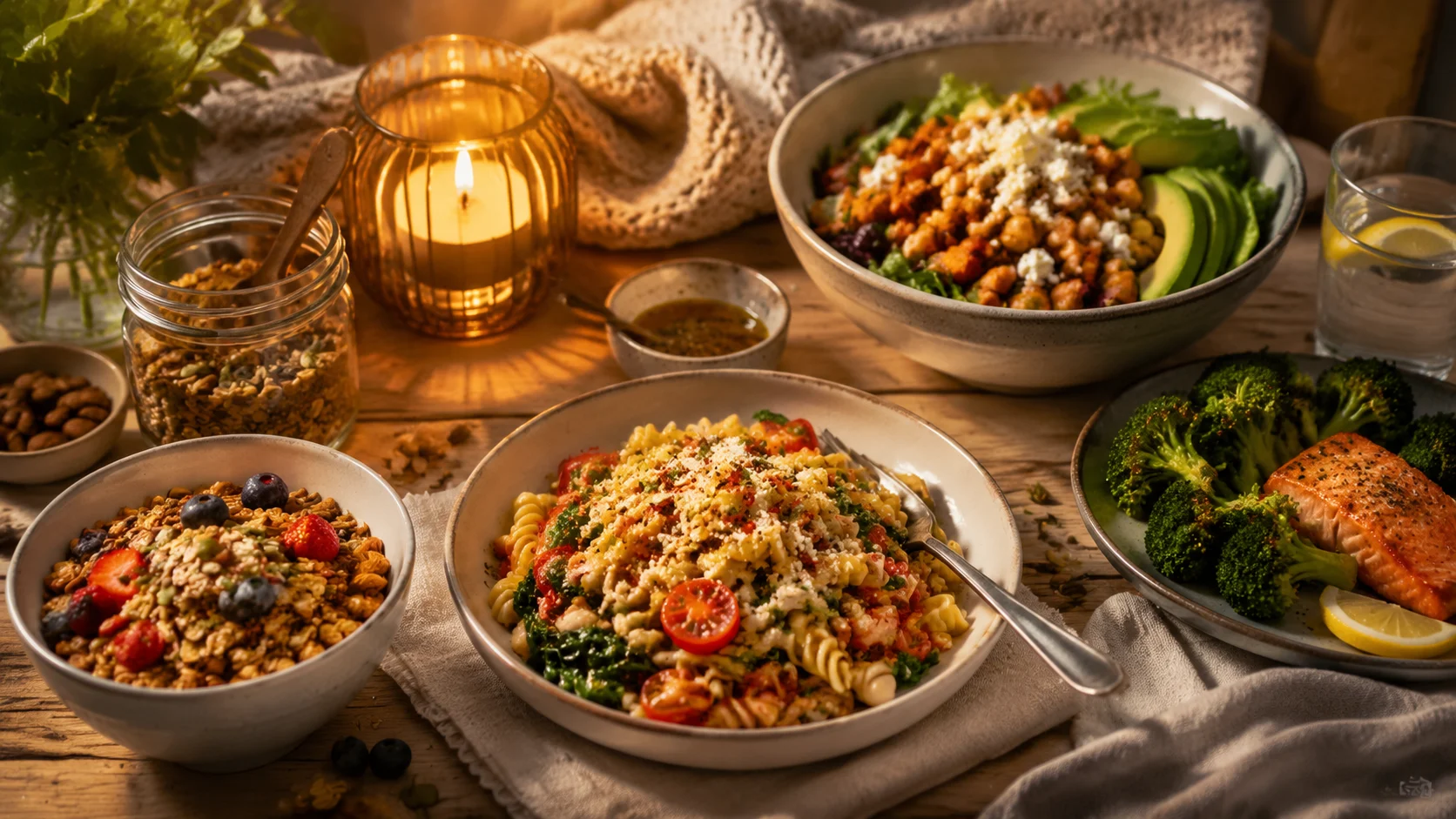
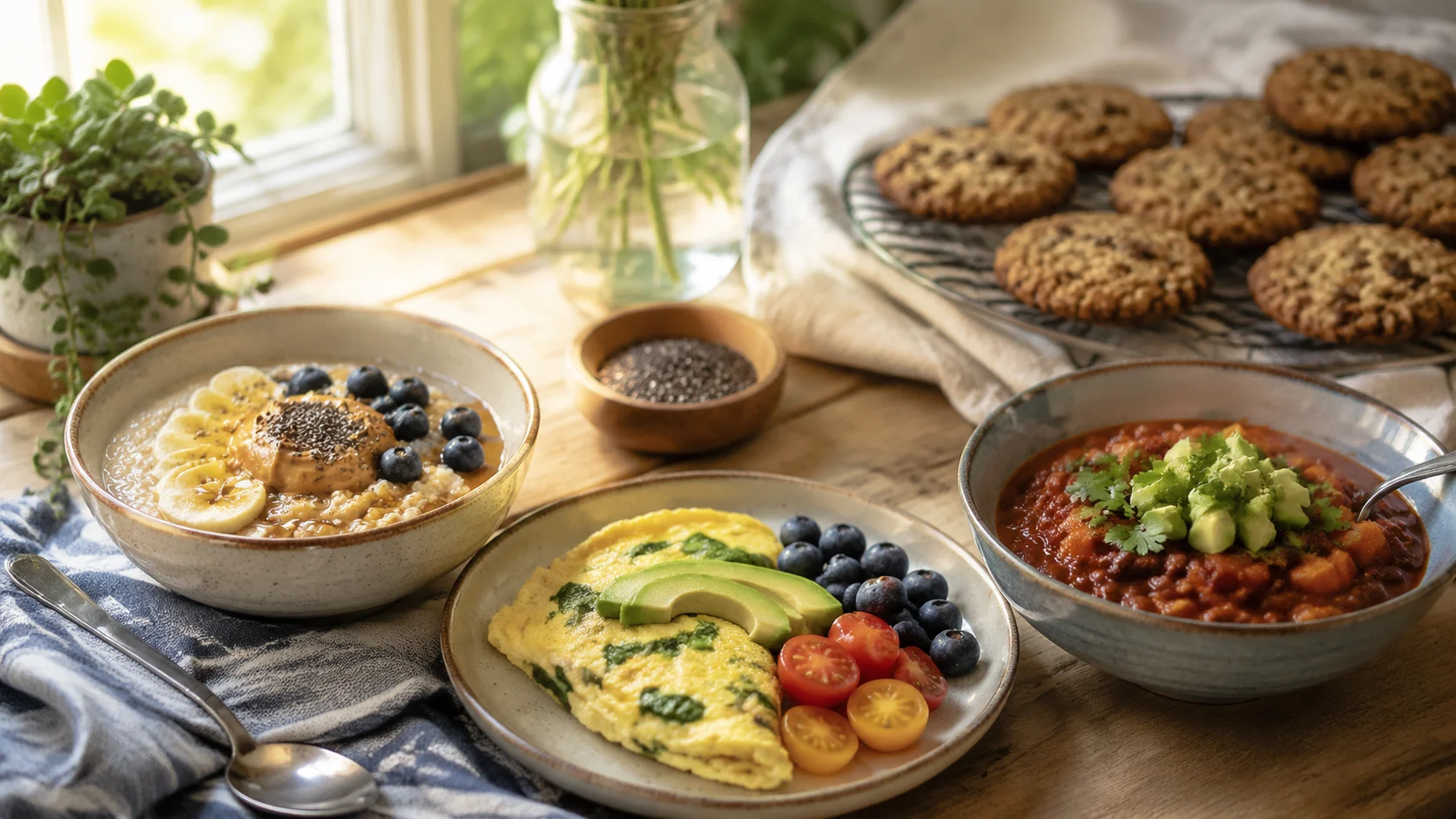
- Add instead of subtract. If dinner was a pile of crackers eaten over the sink, perhaps the next meal looks like toast with eggs and something bright on the side. In a bowl of warm oats, maybe there are crushed walnuts and sliced banana. Safety grows when nourishment becomes more consistent.
- Loosen the moral language. Replace “I was bad” with “I was overwhelmed” or “I was genuinely hungry.” This subtle shift helps untangle identity from eating.
- Expect cravings around real life. Stress, poor sleep, and the premenstrual phase can all increase appetite and sweet cravings. That does not mean something is wrong. It means the body may be asking for support.
- Practice satisfaction on purpose. Sometimes guilt lingers because the eating experience felt chaotic or secretive. Sitting down, tasting the food, and letting it be enough can change the emotional tone entirely.
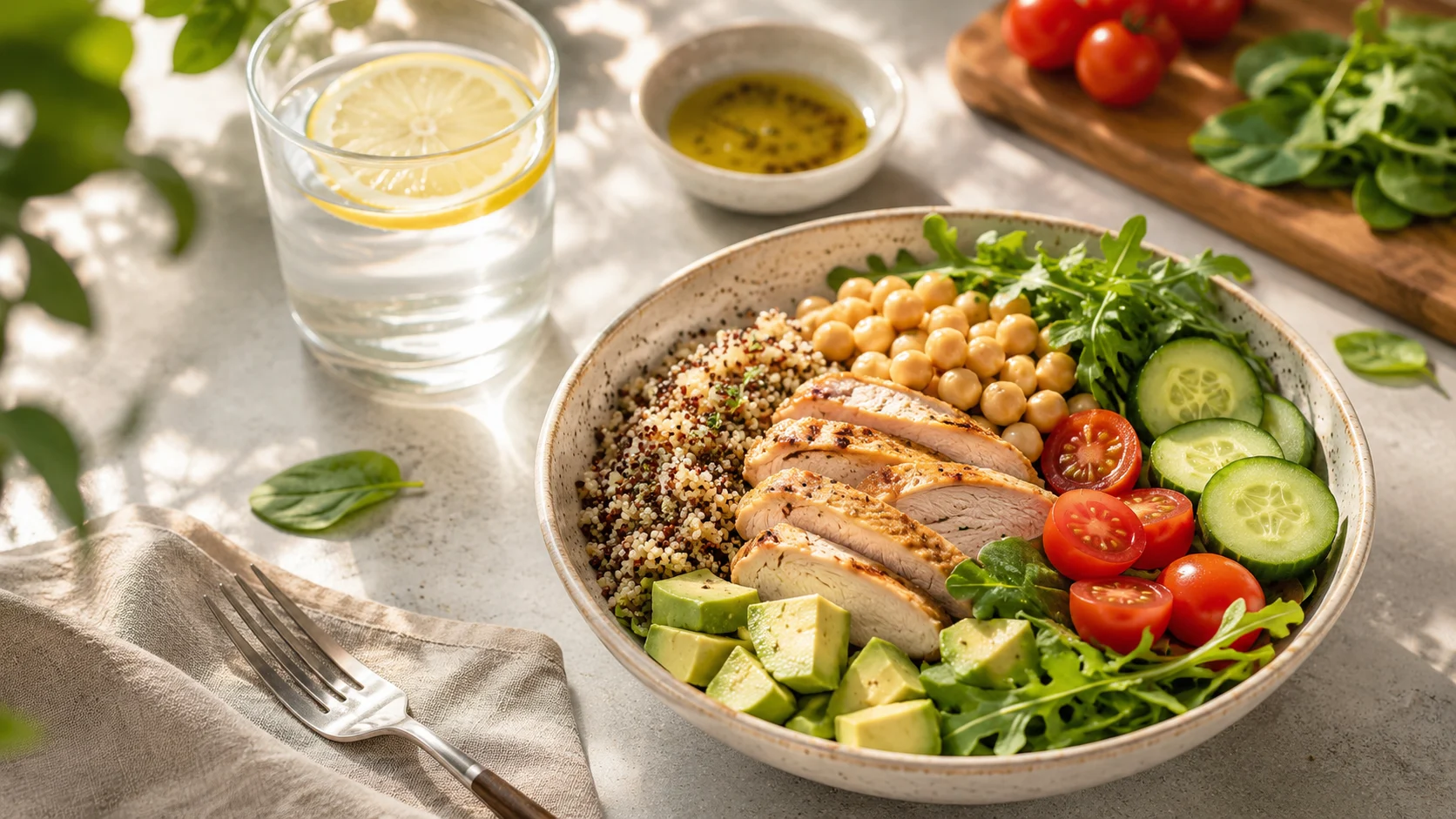
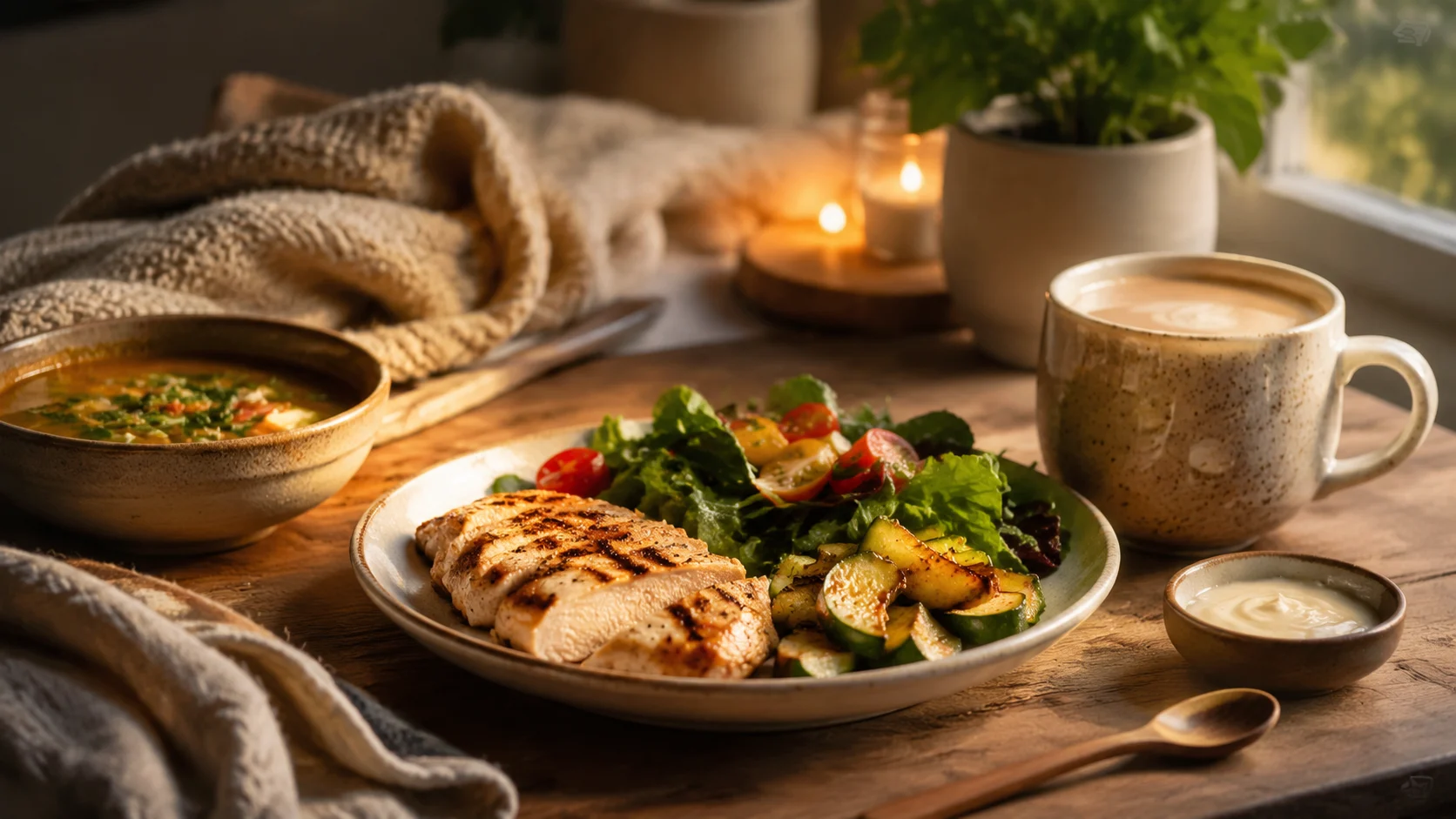
For many readers, how to overcome food guilt becomes more possible when meals are not approached like tests. A balanced plate, a comforting snack, and a little more steadiness through the day can lower the urgency that guilt feeds on.
When Peace With Food Starts to Return
There is often a quiet moment when she notices dessert no longer feels like a confession. It is simply dessert. Or when she realizes she can crave something sweet before her period without turning that craving into a personal failure. This is usually how healing begins: not dramatically, but gently.
How to overcome food guilt is really about rebuilding trust—trust that the body is not the enemy, that hunger is not a problem, and that eating can be both supportive and emotionally human. Joyini’s approach to food freedom is rooted in that softer truth: a woman does not need to earn nourishment. She needs to feel safe enough to receive it.
Please note: Every body has its own rhythm, history, and needs. This gentle guide is for educational purposes and does not replace personalized support from a registered dietitian, therapist, or healthcare professional, especially if food guilt feels intense, persistent, or connected to disordered eating.
You Might Also Wonder
What if food guilt hits me right after dessert?
That moment can be met with softness instead of correction. A few slow breaths, a glass of water, and one honest question—“What am I feeling right now?”—can interrupt the spiral. The goal is not to erase the feeling instantly, but to keep it from becoming punishment.
Can food guilt happen even when I eat “healthy” foods?
Yes. Guilt is often tied to portion size, timing, loss of control, or old food rules, not just the type of food. Someone can feel guilty after eating salad if the deeper issue is anxiety around eating at all.
Why do I feel worse about eating at night?
Night eating often carries more shame because the day is quiet and emotions are louder. It can also follow a long stretch of under-eating. When the body finally asks for more, the mind may call it failure. Often, it is simply delayed need.
Does overcoming food guilt mean I stop caring about nutrition?
Not at all. It means nutrition becomes a form of support instead of control. Balanced meals, steady energy, and satisfaction still matter—just without shame standing at the center.