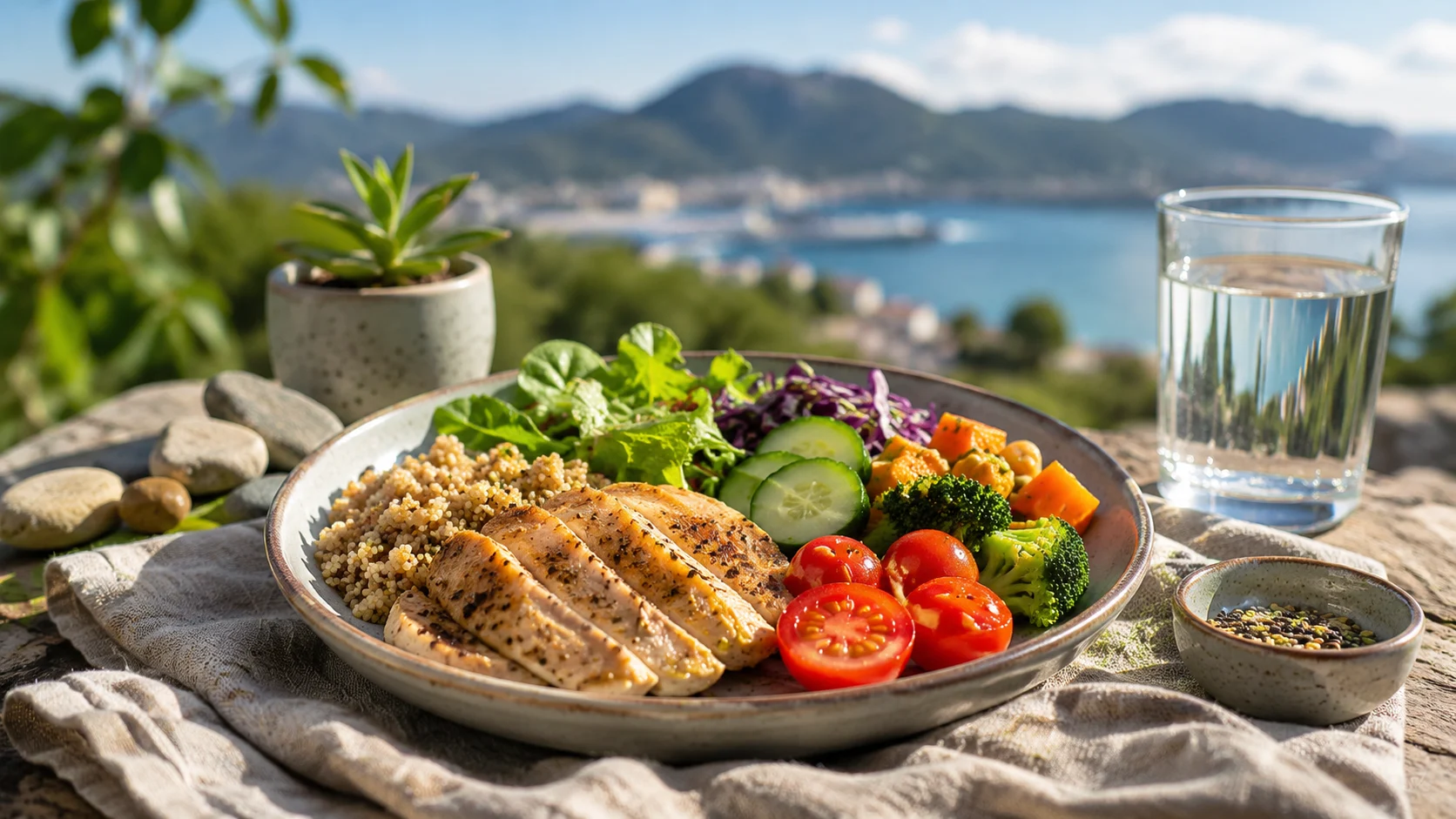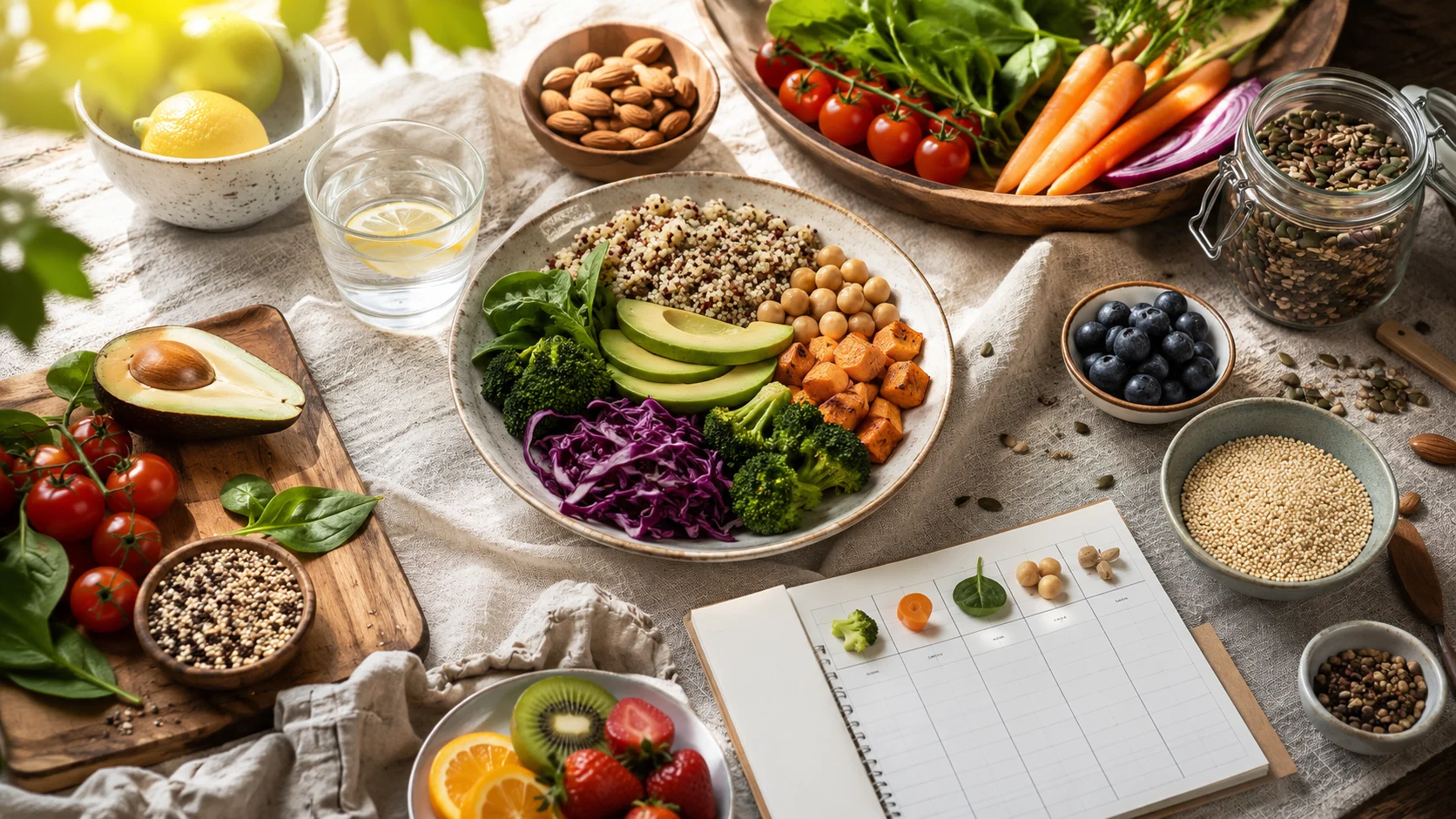

When Dinner Feels Bigger Than It Should
Sometimes the hardest part of the evening is not hunger. It is decision fatigue. When a woman walks through the door after a long workday, or closes her laptop after hours of remote meetings, the thought of cooking can feel louder than the growl in her stomach. That is why easy dinner ideas no energy nights are not about laziness at all. More often, they are about a body and mind asking for ease, comfort, and steady energy at the same time.
Here is the gentle truth: a nourishing dinner does not need to be impressive to be supportive. In fact, the meals that help most on tired nights are often the simplest ones—the ones that lower the barrier between exhaustion and being fed.
“A tired body does not need a perfect dinner. It needs a reachable one.”
There is even research to support the way stress changes evening eating patterns. One review published in Appetite found that stress can shift food choices toward more highly palatable, energy-dense foods, especially when people are mentally drained. That does not mean someone has failed. It means the nervous system often reaches for what feels easy and comforting.
The Soft Plate Method for Low-Energy Evenings
Instead of chasing an ideal meal, Joyini recommends a small micro-framework: the Soft Plate Method. Think of it as building dinner from three quiet supports rather than a recipe that demands too much.
- Something grounding: a warm starch or familiar base, like toast, rice, pasta, or a baked potato. This gives the meal emotional and physical comfort.
- Something steadying: a protein or satisfying anchor, such as rotisserie chicken, eggs, cottage cheese, beans, or tofu. This can help support fuller, steadier energy through the evening.
- Something effortless: a low-lift fruit or vegetable, like baby carrots, frozen peas, prewashed greens, or sliced cucumber. No performance required.
On nights like these, balance should feel possible, not punishing. A bowl of microwave rice with scrambled eggs and a handful of spinach still counts. So does toast with white beans mashed in olive oil and a side of cherry tomatoes. So does frozen soup dressed up with a scoop of Greek yogurt and crackers on the side.
“The body is not a project to manage. It is a place to care for.”
Easy Dinner Ideas No Energy Evenings Can Actually Hold
The best easy dinner ideas no energy readers return to are the ones that live in real kitchens, not fantasy ones. They ask for little, but they still offer comfort.
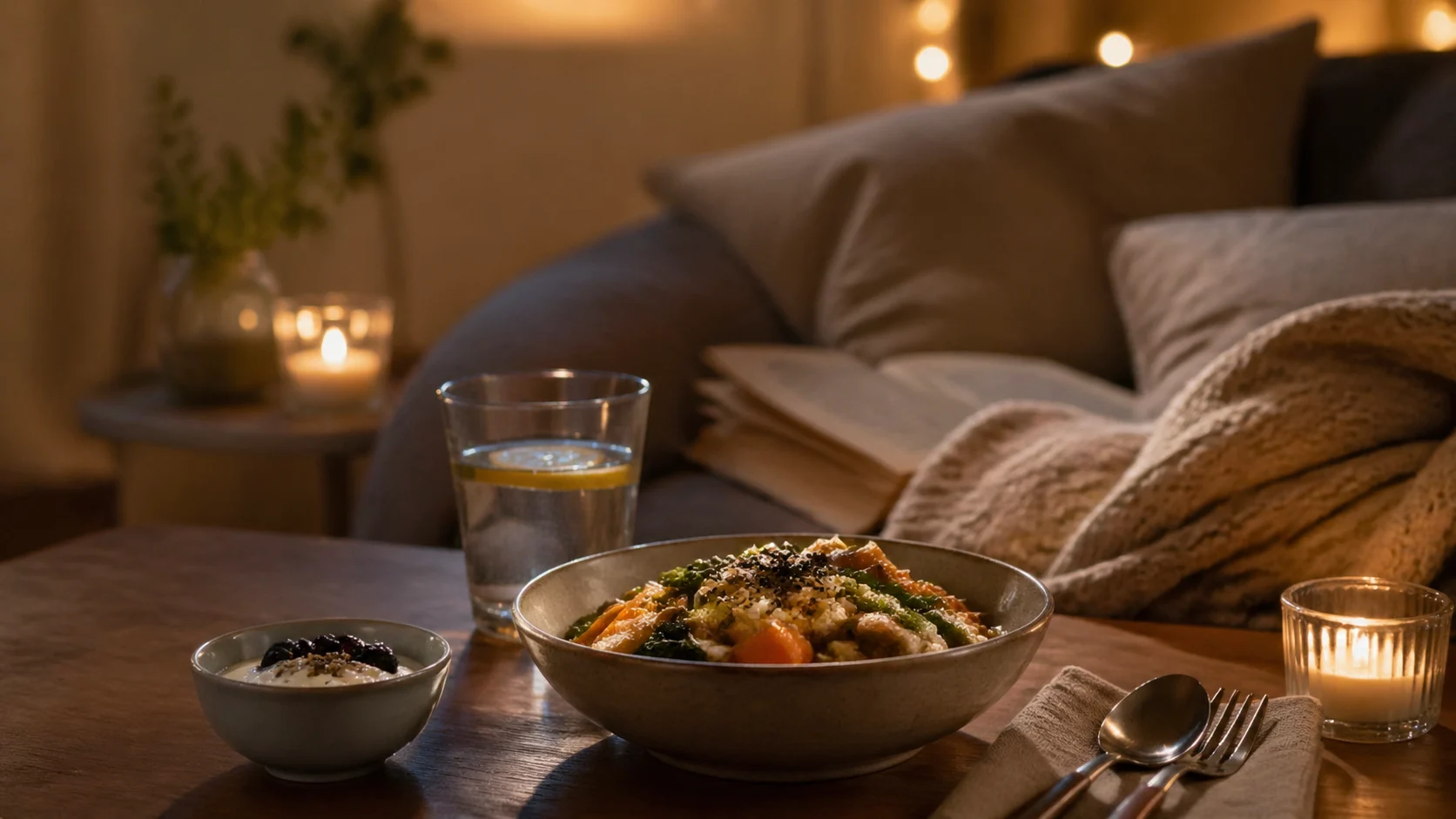
A warm plate of eggs and toast: Soft scrambled eggs, buttered toast, and a bowl of berries can feel like the food version of exhaling. If she wants a little more staying power, adding avocado or cheese makes the meal more satisfying.
Yogurt bowls that eat like dinner: A thick bowl of Greek yogurt with granola, thawed frozen berries, pumpkin seeds, and a drizzle of nut butter can work beautifully when chewing through a full meal feels like too much.
The almost-not-cooking pasta: Boil pasta, stir in pesto, frozen peas, and shredded rotisserie chicken. The whole thing lands on the table in minutes and tastes more complete than the effort suggests.
A comfort tray dinner: Crackers, turkey slices, hummus, baby carrots, apple slices, and a few cubes of cheese arranged on a plate can turn scattered ingredients into a meal that feels intentional.
The freezer kindness bowl: Heat frozen dumplings or a burrito bowl, then add something fresh—a handful of greens, cucumber, or sliced fruit. Frozen food is not a compromise in character. It is often a form of self-support.
Why the “Perfect Healthy Dinner” Idea Backfires
Many women have been taught that if dinner is not homemade, colorful, and deeply virtuous, it somehow does not count. That belief quietly turns tired evenings into shame spirals. Then the pendulum swings: skip dinner, get overly hungry, and later stand in the kitchen eating whatever is easiest to grab.
That is why easy dinner ideas no energy searches are often about more than meal ideas. They are really about permission. Permission to choose the sandwich. Permission to use the freezer. Permission to make a meal from parts instead of pretending every night has the capacity for a full production.
A more supportive question sounds like this: What meal would make this evening feel gentler? Often, that question leads to better nourishment than strict rules ever could.
A Few Practical Questions
What if she is too tired to cook but also wants something more balanced than takeout?
Start with one ready-made anchor, like soup, rotisserie chicken, or microwave rice, then add one simple side. Balance does not have to begin from scratch.
What if dinner ends up being snacky?
That is okay. A snack-style dinner can still be satisfying when it includes something filling, something comforting, and something fresh. The plate matters less than whether the body feels supported.
What if she keeps craving sweets after dinner?
Sometimes that craving is emotional, but sometimes dinner simply was not enough. Adding more substance—especially carbs, protein, or fat—can make the evening feel steadier.
What if frozen meals are the only realistic option right now?
Then frozen meals are a wise option. Pairing them with fruit, salad, or toast can make them feel more complete, but they are already doing something important: helping her eat.
How can she make low-energy dinners easier next week?
Keeping a small “tired-night shelf” helps: pasta, canned beans, crackers, soup, frozen rice, eggs, and one comforting sauce. Tiny preparation often creates the most ease later.
Please note: Every body has its own rhythm, appetite, and needs. This gentle guide is for educational purposes only and does not replace personalized advice from a registered dietitian, physician, or other qualified healthcare professional.