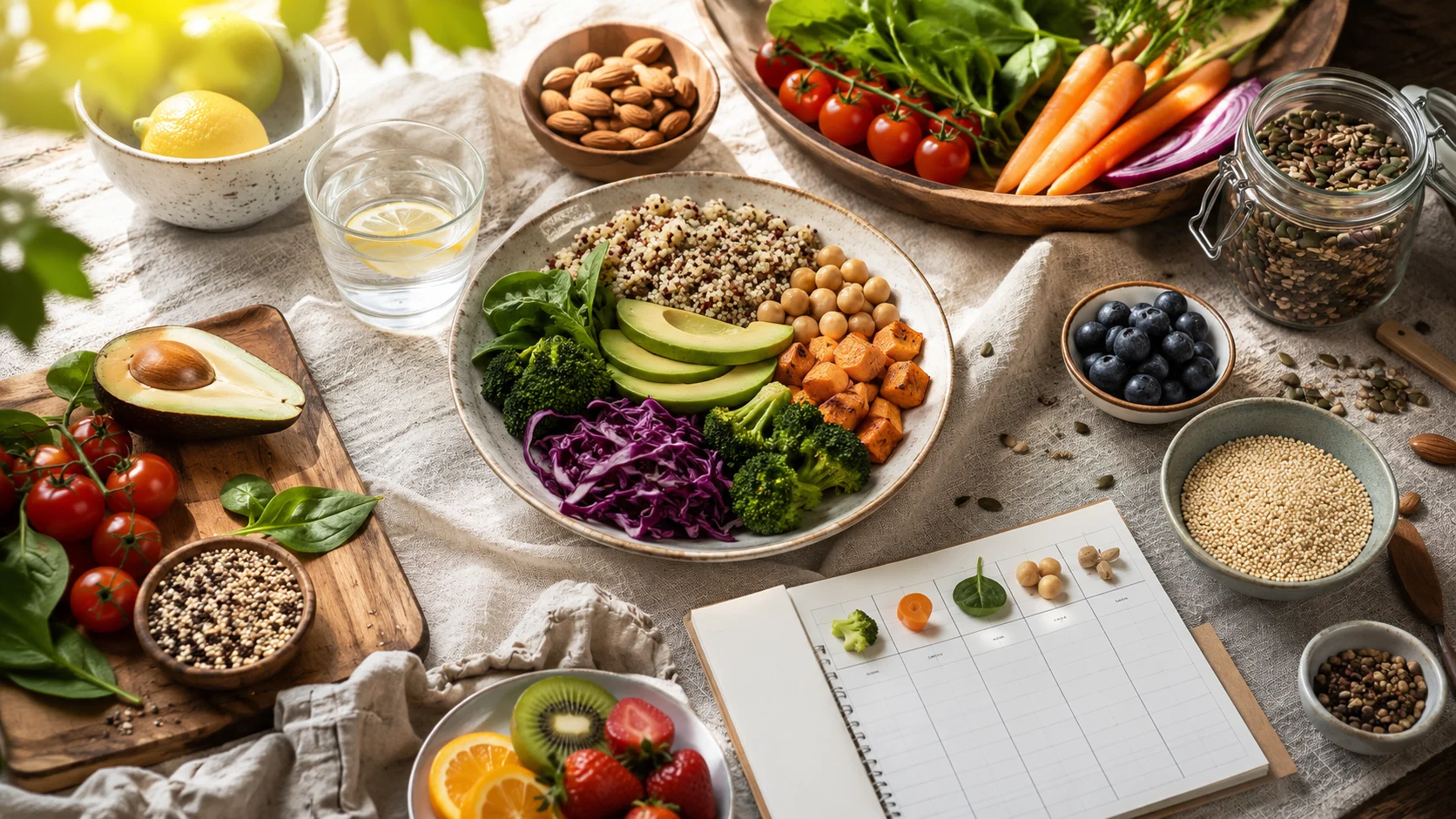

When the Craving Is Not Really About the Food
Coping with emotional eating often begins not with more control, but with more understanding. Many women assume that if they reach for snacks after a hard day, something is wrong with their discipline. But very often, the body is not being dramatic or difficult. It is responding to stress, undernourishment, loneliness, overstimulation, or plain exhaustion in the most available language it has: appetite.
When she stands in the kitchen at 9 p.m., half-tired and half-numb, the food is not always the problem. Sometimes it is the pause she never got, the lunch she rushed through, the feelings she had to swallow all afternoon. Coping with emotional eating becomes easier when she stops asking, “Why can’t I be more disciplined?” and starts asking, “What kind of support am I actually needing here?”
Food is not always the hunger. Sometimes it is the softest place a tired nervous system knows to land.
This is where Joyini’s gentle approach matters: emotional eating is often less about weakness and more about body signals that have gone unheard for too long.
The Quiet Logic Behind Stress Eating
There is a reason emotional eating can feel so automatic. Under stress, the brain naturally looks for quick comfort and fast energy. Some research has observed that chronic stress can increase preference for highly palatable foods rich in sugar and fat, especially when sleep is poor and meals are irregular. That does not make someone broken. It makes her human.
Picture the woman who had coffee for breakfast, answered emails through lunch, and finally sat down after dark. Her evening craving may look emotional, but part of it may also be deeply physical. Coping with emotional eating often means noticing that emotions and biology are woven together. A stressed body usually does not ask for kale. It asks for relief.

Instead of forcing a false divide between “real hunger” and “emotional hunger,” it may help to think of both as valid forms of need. One asks for nutrients. The other asks for comfort, rest, grounding, or care. Very often, both are present at once.
The body is not a project to conquer. It is a home asking to be tended with more honesty than shame.
The Pause-and-Provide Method
For women coping with emotional eating, a rigid rule usually backfires. A gentler tool is what might be called the Pause-and-Provide Method. It is simple enough for real life and soft enough not to trigger rebellion.
- Pause for one breath. Not to stop the craving, but to interrupt the spiral. One slow breath can create a tiny space between urge and action.
- Name what feels loudest. Is it stress? Emptiness? Anger? Fatigue? Boredom? Sometimes giving the moment language reduces its intensity.
- Provide what is missing. If she is physically hungry, a balanced snack may help more than willpower ever could. If she is emotionally flooded, she may need tea, a blanket, a shower, a short walk, or permission to cry before deciding about food.
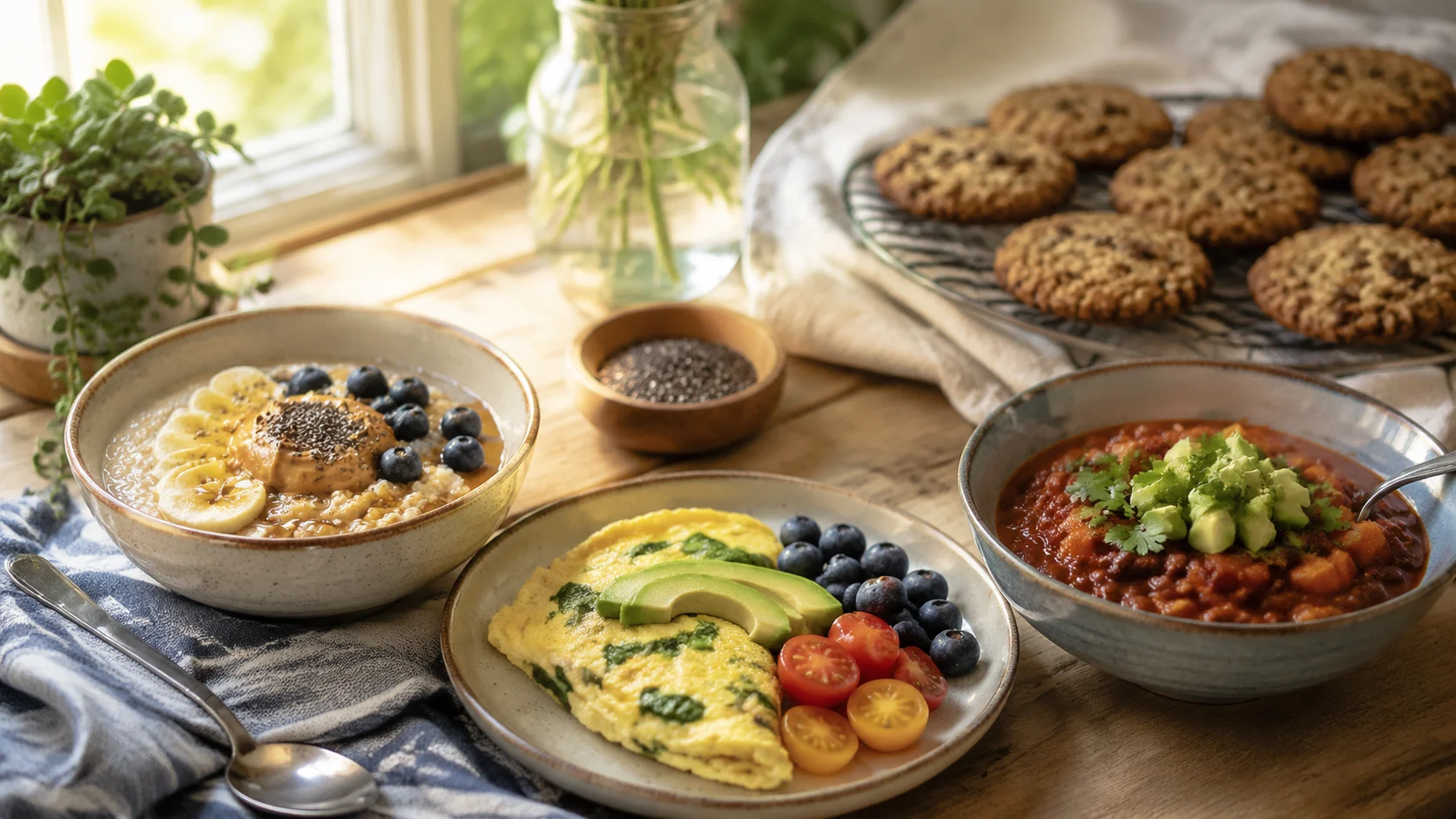
- Let food be one form of comfort, not the only one. A warm bowl of oatmeal with peanut butter, cinnamon, and sliced banana can offer both nourishment and comfort. So can toast with eggs and jam on a dim, quiet evening.
Coping with emotional eating does not require making food emotionally neutral. Food is allowed to be comforting. The goal is simply to widen the menu of comfort so that one hard feeling does not have only one outlet.
What Helps the Next Craving Feel Less Intense
Emotional eating often feels most chaotic when the day itself has been too sparse, too stressful, or too disconnected from the body. Small forms of support can soften the pattern over time:
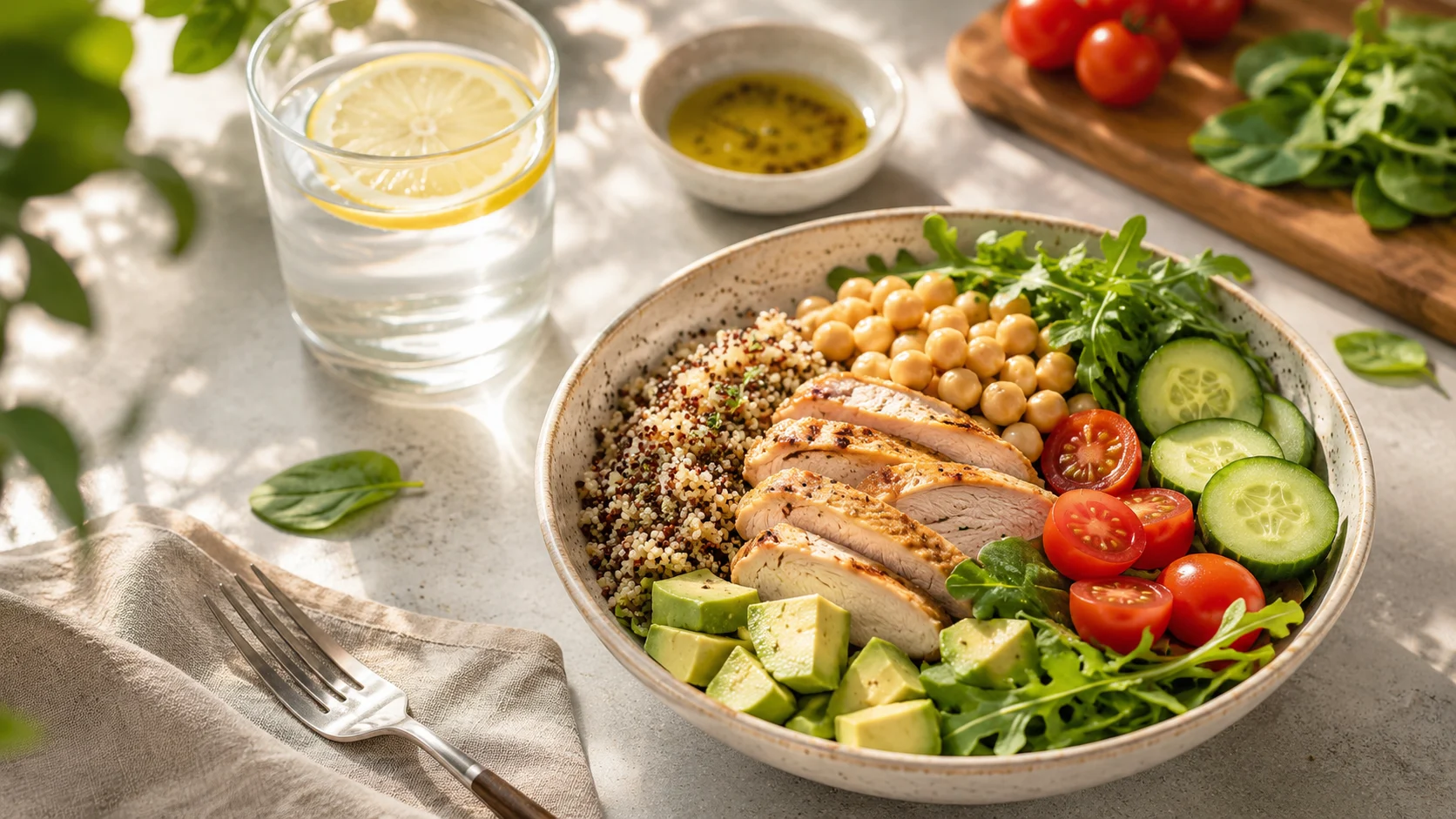
- Build steadier meals earlier in the day. A lunch with protein, fiber, fat, and satisfying carbohydrates can change the tone of the whole evening.
- Leave room for pleasure. When eating becomes overly careful, cravings often grow louder. Satisfaction is part of nourishment.
- Create tiny transitions after work. Before entering the kitchen, she might sit in the car for two minutes, stretch in the hallway, or wash her face. The nervous system often needs a bridge.
- Notice repeating emotional weather. If night eating shows up most after conflict, overstimulation, or skipped meals, the pattern begins to make sense. And what makes sense becomes easier to support.
The work of coping with emotional eating is rarely about becoming perfectly regulated. It is about becoming more responsive, more fed, and more compassionate in the messy middle of ordinary life.
Please note: Every body has its own rhythm, history, and set of needs. This gentle guide is for educational purposes only and does not replace personalized support from a healthcare professional or mental health provider, especially if eating feels distressing, compulsive, or hard to manage alone.
You Might Also Wonder
How can she tell whether it is emotional hunger or physical hunger?
Sometimes she cannot, and that is okay. Many moments contain both. If the urge feels urgent, it can help to ask whether she has eaten enough today, and what kind of comfort would feel supportive alongside food.
What if emotional eating happens mostly at night?
Night eating often has a story behind it: skipped meals, decision fatigue, loneliness, or the first quiet moment of the day. Looking at the whole day with gentleness usually helps more than focusing only on the evening.
Should she avoid comfort foods while coping with emotional eating?
No. Comfort foods do not need to be removed to create balance. In many cases, allowing them without drama can reduce the intensity that comes from restriction and secrecy.
What if she eats for comfort and still feels bad afterward?
That does not mean she failed. It may simply mean the food addressed one need but not the whole need. She may still need rest, connection, quiet, or emotional release.