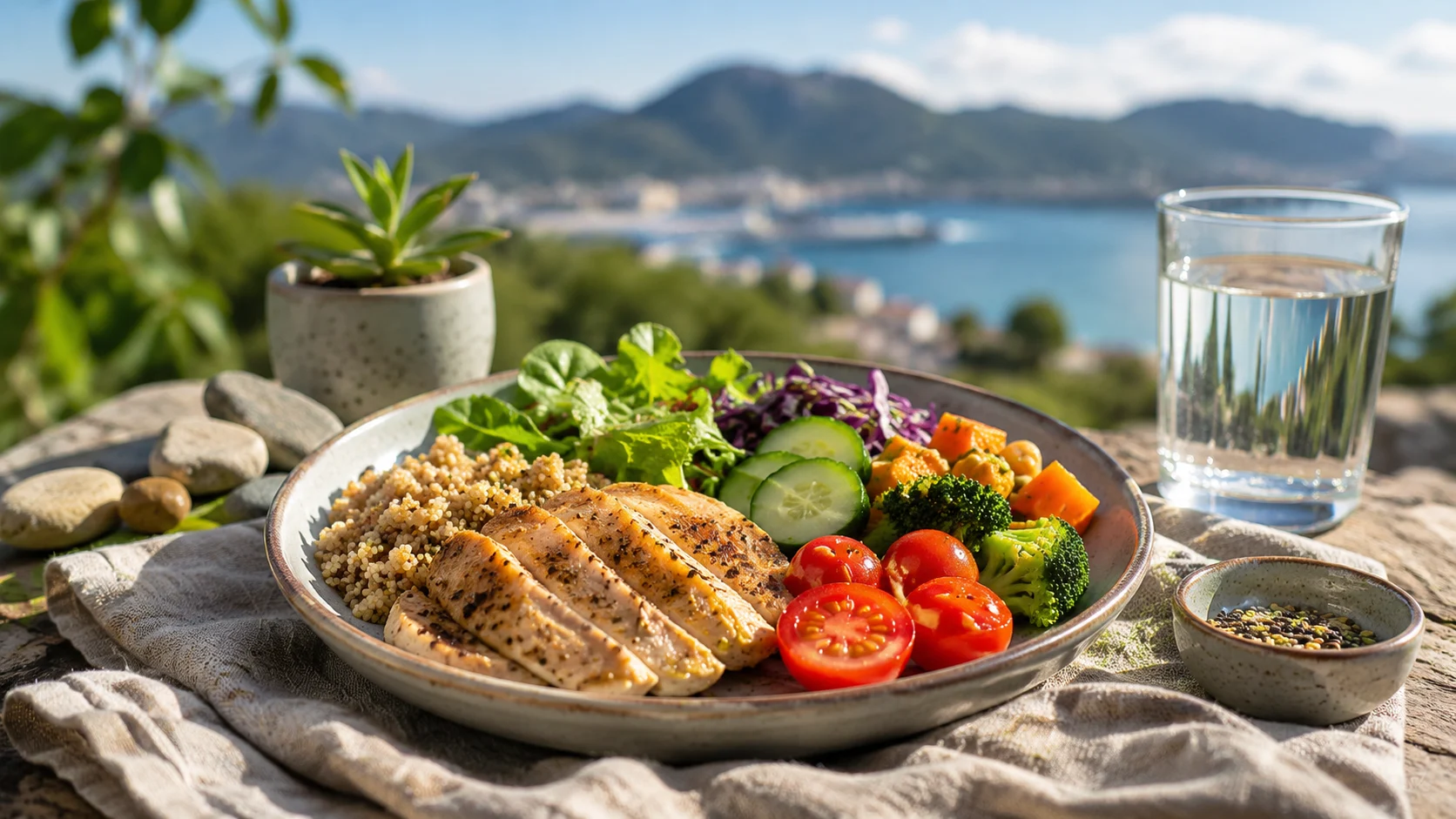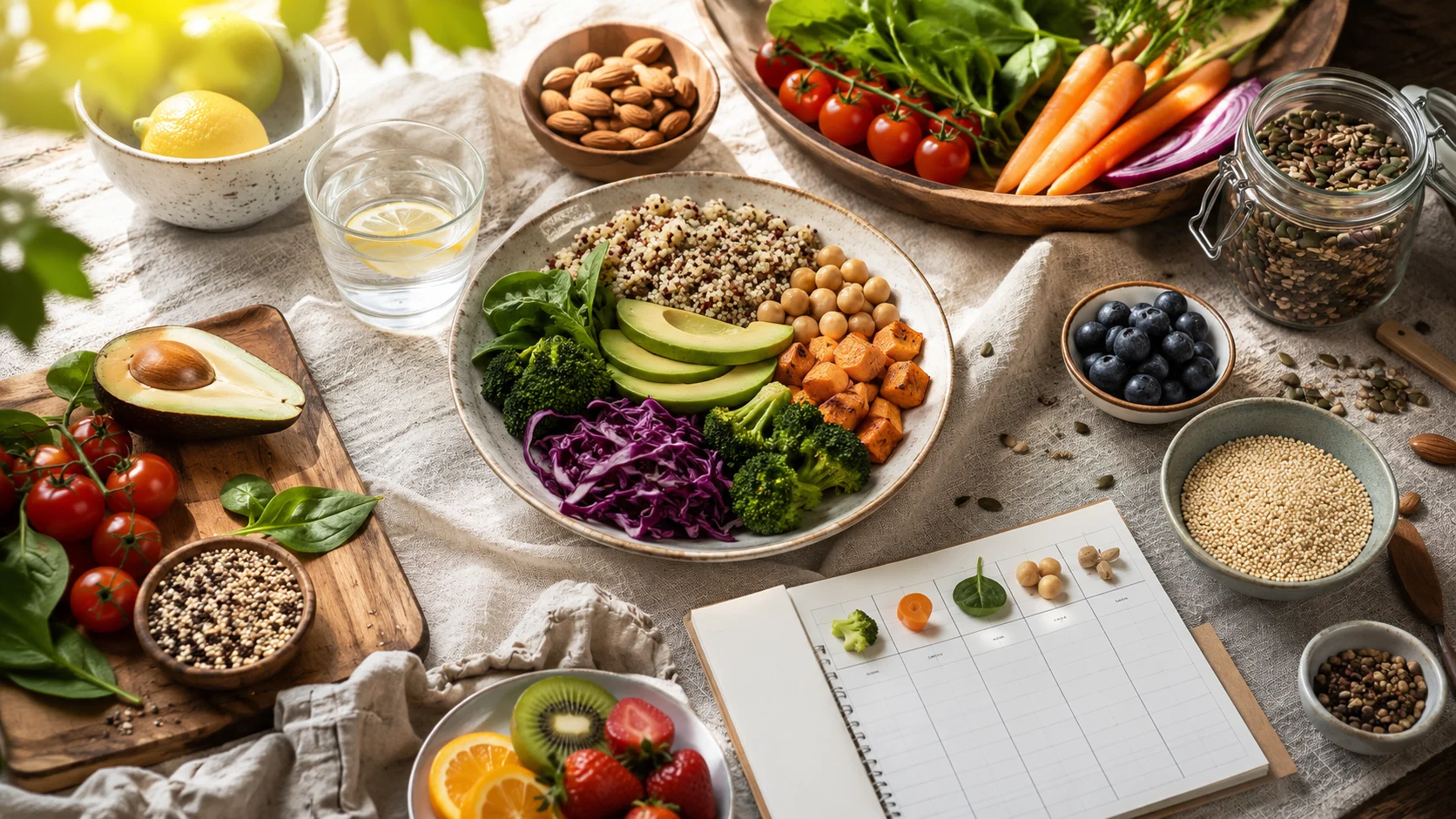

When Food Stops Feeling Like a Test
How to make peace with food often begins with a surprising truth: the problem is usually not a lack of discipline. More often, it is a tired body, a stressed mind, and a history of being told that eating must always be controlled. For many women, peace does not arrive through stricter plans. It starts when food is no longer treated like a moral exam, but as a steady form of support.
She may notice it in the quietest moments: standing in the kitchen after a long day, eating crackers straight from the box, already rehearsing the guilt before dinner is even over. That cycle can feel deeply personal, but it is also deeply human. Learning how to make peace with food means understanding that cravings, comfort eating, and food noise often carry messages about unmet needs, not failure.
Food becomes louder when the body has been ignored for too long.
The Hidden Reason Restriction Keeps Echoing
Many women think peace with food will come after they “get better” at controlling it. Yet restriction often sharpens obsession. When the body senses scarcity—whether from skipped meals, rigid food rules, or the constant pressure to eat perfectly—it tends to push back with stronger cravings and a more urgent hunger. In one widely cited review, chronic dieting was associated with increased risk of overeating and preoccupation with food. The body is not being dramatic; it is being protective.
This is why how to make peace with food is not really about mastering appetite. It is about rebuilding trust. A woman who has spent years labeling foods as “good” or “bad” may find that a cookie carries far more emotional weight than its ingredients ever should. The shame around eating often makes the experience heavier than the food itself.
The body is not a project to conquer. It is a place to come home to.
The Gentle Return Method
A softer way forward can be imagined as The Gentle Return Method: a simple inner practice of notice, nourish, and neutralize.

- Notice. Before reacting to a craving, she pauses long enough to ask what is happening underneath it. Is this physical hunger, emotional exhaustion, boredom, loneliness, or the rebound from not eating enough earlier? The goal is not to judge the answer. It is simply to hear it.
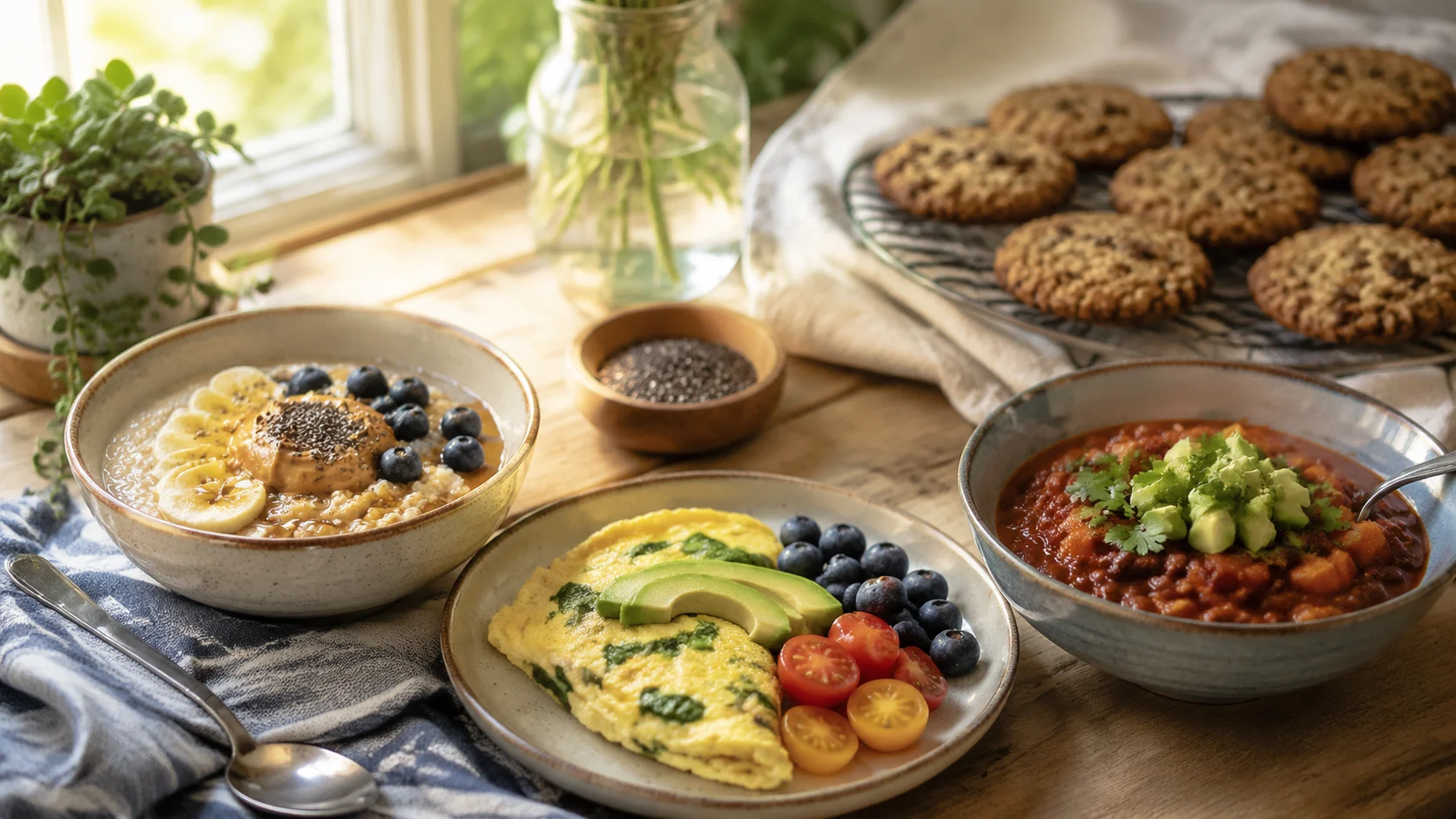
- Nourish. If the body is hungry, real food matters. A comforting bowl of oatmeal with peanut butter and sliced banana, or toast with eggs and fruit, can bring steadier energy than trying to “be good” with something unsatisfying. When meals are balanced, cravings often lose some of their urgency.
- Neutralize. This is where old food stories begin to soften. Instead of saying, “I was bad for eating that,” she practices a gentler language: “I ate, and now I can listen to what I need next.” Neutral words create space. Space makes new habits possible.
This approach is often the missing bridge in how to make peace with food. Not because it fixes everything overnight, but because it removes the emotional static that keeps women stuck in the restrict-then-overeat loop.
What Peace With Food Can Look Like in Real Life
It rarely looks glamorous. It may look like keeping lunch simple instead of skipping it. It may look like eating dessert without turning the rest of the evening into a negotiation. It may look like realizing that the craving for something sweet at 4 p.m. has less to do with weakness and more to do with the fact that breakfast was coffee and stress.
For some, how to make peace with food also means letting satisfaction matter. A meal that is warm, grounding, and pleasant is easier to trust than one built only around rules. Real-life nutrition is not about chasing perfection. It is about creating enough steadiness that food no longer feels chaotic.
And peace does not mean never emotionally eating again. It means emotional eating no longer turns into a spiral of shame. There is a difference between occasionally eating for comfort and living in constant conflict with food. One is part of being human. The other is what gentle healing can begin to loosen.
Small Shifts That Make the Relationship Softer
- Eat before you are ravenous. Extreme hunger makes food feel urgent and loud. Regular meals can make it easier to hear body signals clearly.
- Add, rather than only remove. Instead of focusing on what to cut out, think about what would make a meal feel more supportive—perhaps something hearty, colorful, or satisfying.
- Stop giving everyday foods moral labels. When food is no longer divided into virtue and failure, eating becomes less emotionally charged.
- Make room for comfort on purpose. A square of chocolate after dinner, eaten with presence rather than panic, often feels more peaceful than trying to avoid it and ending up in a late-night rebound.
Please note: Every body has its own rhythm, history, and needs. This gentle guide is for educational purposes and does not replace personalized support from a registered dietitian, therapist, or healthcare professional—especially if eating feels distressing, compulsive, or medically complicated.
You Might Also Wonder
What if I still feel guilty after eating foods I enjoy?
That guilt often comes from learned beliefs, not from the food itself. It can help to pause and name the old rule that was activated. Peace usually grows when the story around the food begins to change.
Can I learn how to make peace with food if I have dieted for years?
Yes, though it may feel unfamiliar at first. Long-term dieting can make trust feel distant, but small repeated experiences of eating enough and responding gently can rebuild that trust over time.
What if I eat for comfort when I am stressed at night?
That does not mean you are failing. Night eating often carries the weight of an underfed day, emotional depletion, or both. Looking at the whole day with compassion is usually more helpful than focusing only on the nighttime moment.
Does making peace with food mean I stop caring about nutrition?
Not at all. It means nutrition becomes supportive instead of punishing. Gentle structure and balanced meals can exist alongside food freedom.