
The cycle often begins where most advice ends
Many women try to restrict binge cycle patterns by getting stricter, but that usually deepens the very loop they want to escape. The gentler truth is this: a binge cycle often softens not when food gets tighter, but when the body begins to feel safe, fed, and understood. What looks like “lack of control” is often a nervous system and body asking for steadier care.
She may promise herself that Monday will be different. A lighter breakfast, fewer snacks, more discipline. But by late afternoon, when work has drained her and dinner still feels far away, the body remembers every skipped need. Hunger becomes louder, cravings sharpen, and eating can suddenly feel urgent. This is why attempts to restrict binge cycle behaviors through harder rules can backfire.
“The body is not a project to overpower. It is a home asking to be listened to.”
Researchers have long observed that dietary restraint is associated with a higher risk of binge eating in vulnerable individuals. In everyday life, that means the more a person lives under food rules, the more likely eating may swing between control and rebound. Not always, not for everyone, but often enough that it deserves compassion instead of blame.
A softer framework: the Steady Plate, Soft Pause, Kind Return method
Instead of chasing perfect control, Joyini’s gentle lens offers a small micro-framework: Steady Plate, Soft Pause, Kind Return. It is not a rigid plan. It is a way to loosen the restrict-binge cycle without adding shame.
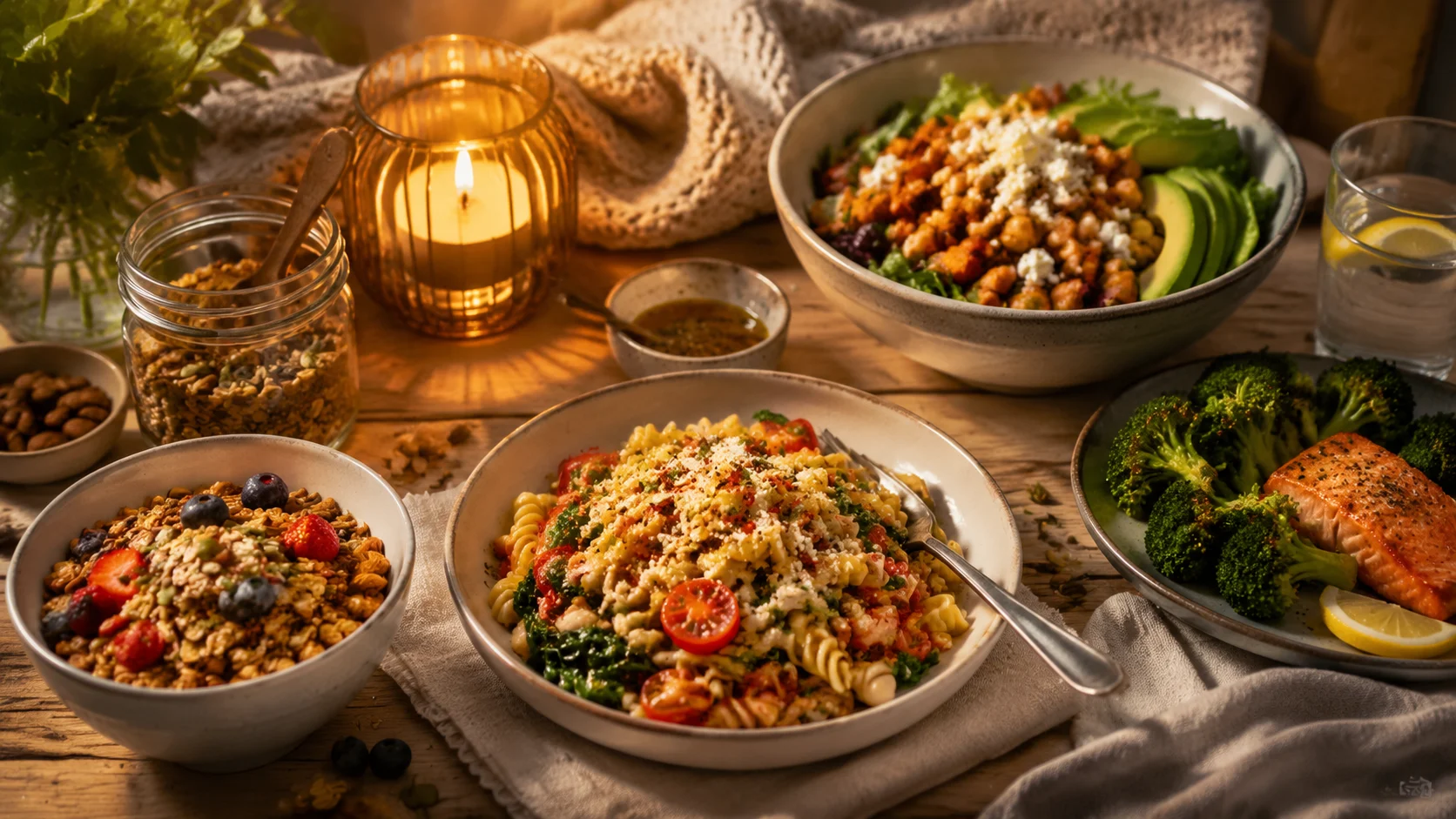
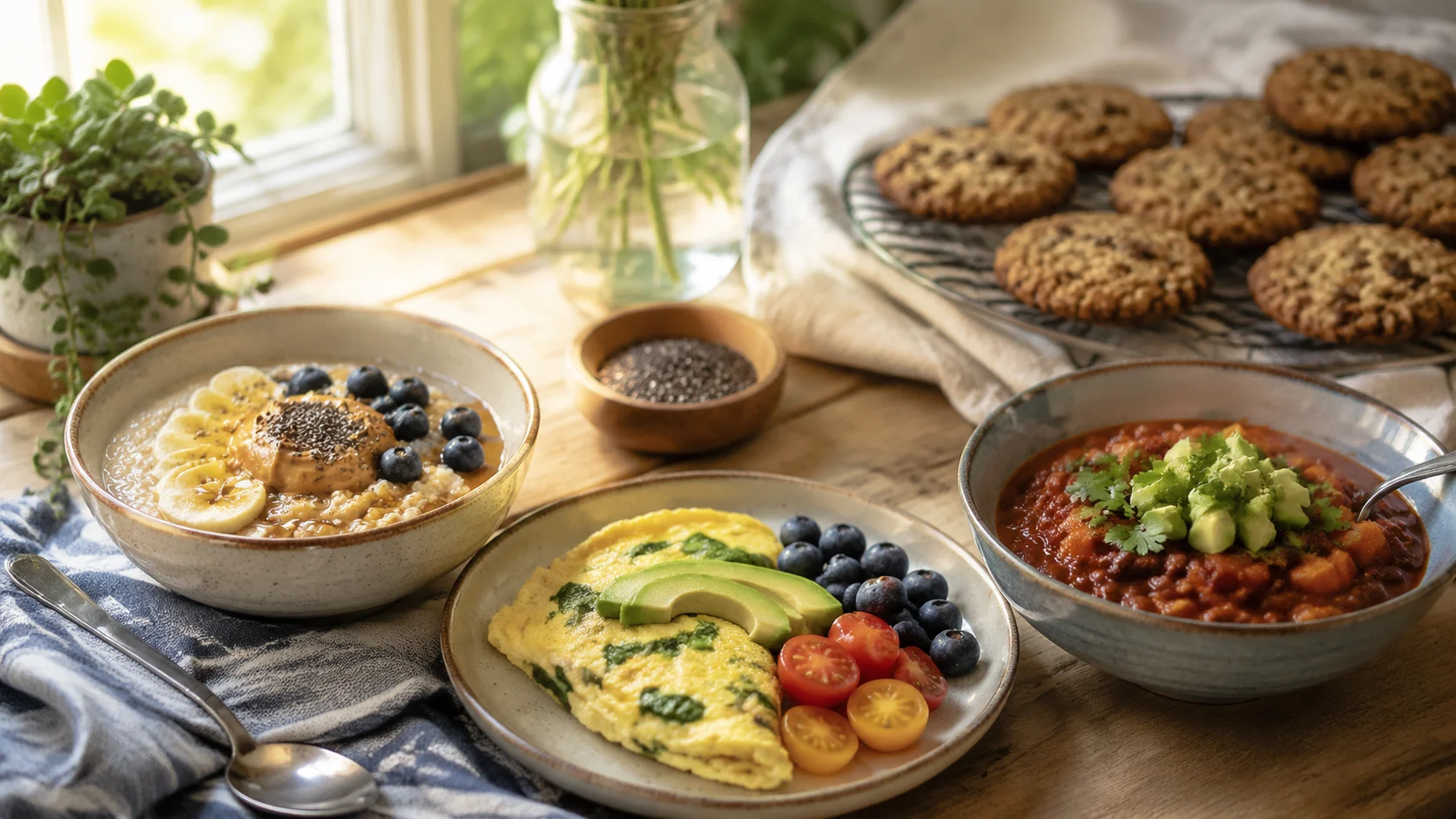
- Steady Plate — Build meals that feel grounding, not sparse. Think of a warm bowl with rice, salmon, and buttery green beans, or toast with eggs and avocado beside a bowl of berries. A meal that includes carbohydrates, protein, fat, and fiber often supports steadier energy and reduces the primal intensity that can follow restriction.
- Soft Pause — Before eating, pause for one breath, not to judge, but to notice. Is this hunger, stress, loneliness, exhaustion, or all of them braided together? This pause is not meant to stop eating. It simply helps a woman understand what kind of support she needs.
- Kind Return — If an eating episode feels chaotic, the next step is not punishment. It is returning to the next balanced meal with gentleness. No skipping breakfast to make up for last night. No moral scorekeeping.
“Healing often begins the moment she stops asking, ‘How do I control this?’ and starts asking, ‘What is my body trying to say?’”

Why the urge grows louder after a day of “being good”
Restriction is not always dramatic. Sometimes it hides inside a salad that is too small, a protein bar passed off as lunch, or the quiet decision to ignore hunger until the children are asleep. The body does not read these choices as virtue. It reads them as possible scarcity.
That is why the urge to eat can feel especially strong at night. The body may be catching up on missed energy, while the mind interprets that catch-up as failure. For someone trying to restrict binge cycle patterns, this misunderstanding can keep the loop alive: eat less, crave more, feel out of control, then tighten the rules again.
A more supportive response might look like this:
- Earlier nourishment — Add a real lunch, not just something quick and thin. Even a turkey sandwich with fruit and a handful of nuts can change the shape of an evening.
- Permission for satisfying foods — When foods are no longer forbidden, they often lose some of their emotional charge. A square of chocolate after dinner can feel very different from a secretive, urgent search for sweets after a day of denial.
- Gentle structure — Regular meals and snacks can create a rhythm the body trusts. Predictability can be deeply calming for appetite.
What support can look like in real life
Real life rarely offers perfect timing. She may be answering emails in the carpool line or standing in a kitchen at 8 p.m., too tired to chop a single vegetable. This is exactly where gentleness matters most.
To restrict binge cycle patterns in a sustainable way, support has to feel livable:
- Keep easy food visible — A tub of yogurt, soft granola, sliced apples, frozen dumplings, soup, or toast supplies a bridge when energy is low.
- Name the trigger without drama — “This was a stressful day.” “I did not eat enough at lunch.” Simple naming can reduce shame.
- Protect sleep where possible — Poor sleep can intensify hunger hormones and cravings, making food feel louder the next day.
- Talk to someone if the cycle feels entrenched — A registered dietitian or therapist with experience in disordered eating can offer personalized, compassionate support.
The goal is not perfect eating. The goal is a relationship with food that feels more steady, human, and peaceful.
Please note: Every body has its own rhythm and history with food. This article is for educational purposes only and does not replace personalized support from a qualified healthcare professional or mental health provider.
You Might Also Wonder
What if I binge at night even when I ate enough earlier?
Night eating can also be tied to stress, loneliness, habit, or the first quiet moment of the day. Enough food helps, but emotional support and nervous system care may matter too.
Should I avoid trigger foods completely?
For many people, total avoidance can make a food feel more charged. A gentler path is often structured permission, ideally in calm moments rather than after intense restriction.
How long does it take to break the cycle?
There is no fixed timeline. For some, small shifts in regular eating bring relief quickly. For others, especially after years of dieting, rebuilding trust takes more time.
Does this mean I should eat whatever I want all the time?
Food freedom is not chaos. It is a balanced relationship where hunger, satisfaction, nourishment, and comfort all get a seat at the table.