
When Cravings Aren’t the Problem
Many women are told that PMS hunger means they have “lost control,” but that idea misses something important. Often, PMS cravings are not a failure of discipline at all—they are body signals asking for steadier energy, more comfort, and more consistent nourishment. When someone starts looking for foods to help PMS symptoms naturally, she usually isn’t asking for perfection. She wants to feel a little less swollen, a little less fragile, and a little more like herself.
In the days before a period, hormones shift in ways that can affect appetite, mood, digestion, and energy. Research has observed that many women experience stronger cravings and appetite changes during the luteal phase, partly because the body’s energy needs may rise slightly. That means a gentle, balanced approach to food can feel more supportive than trying to “eat less” or ignore hunger.
Body changes before a period are not proof that someone is doing food wrong. They are often proof that the body is asking to be heard.
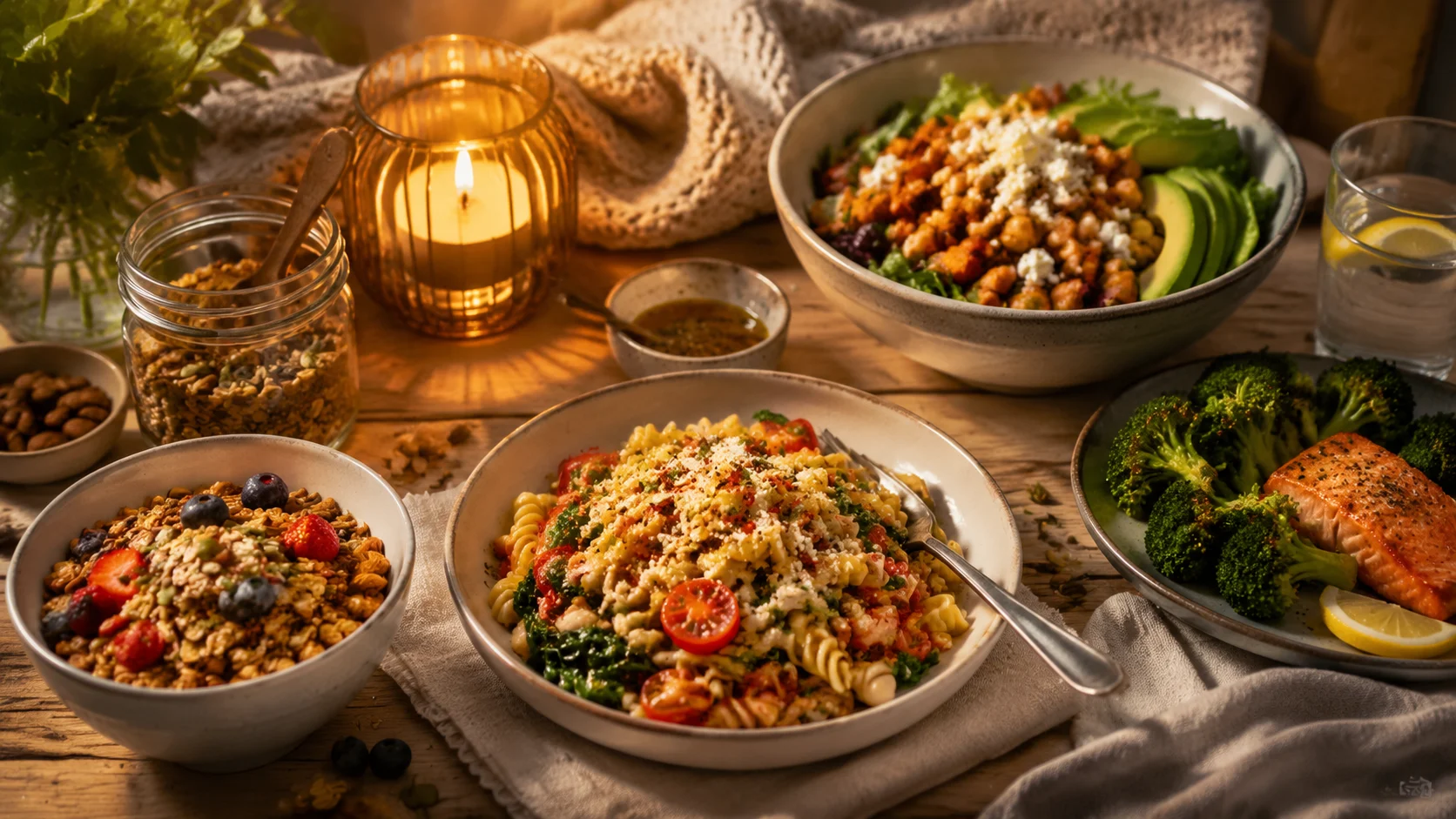
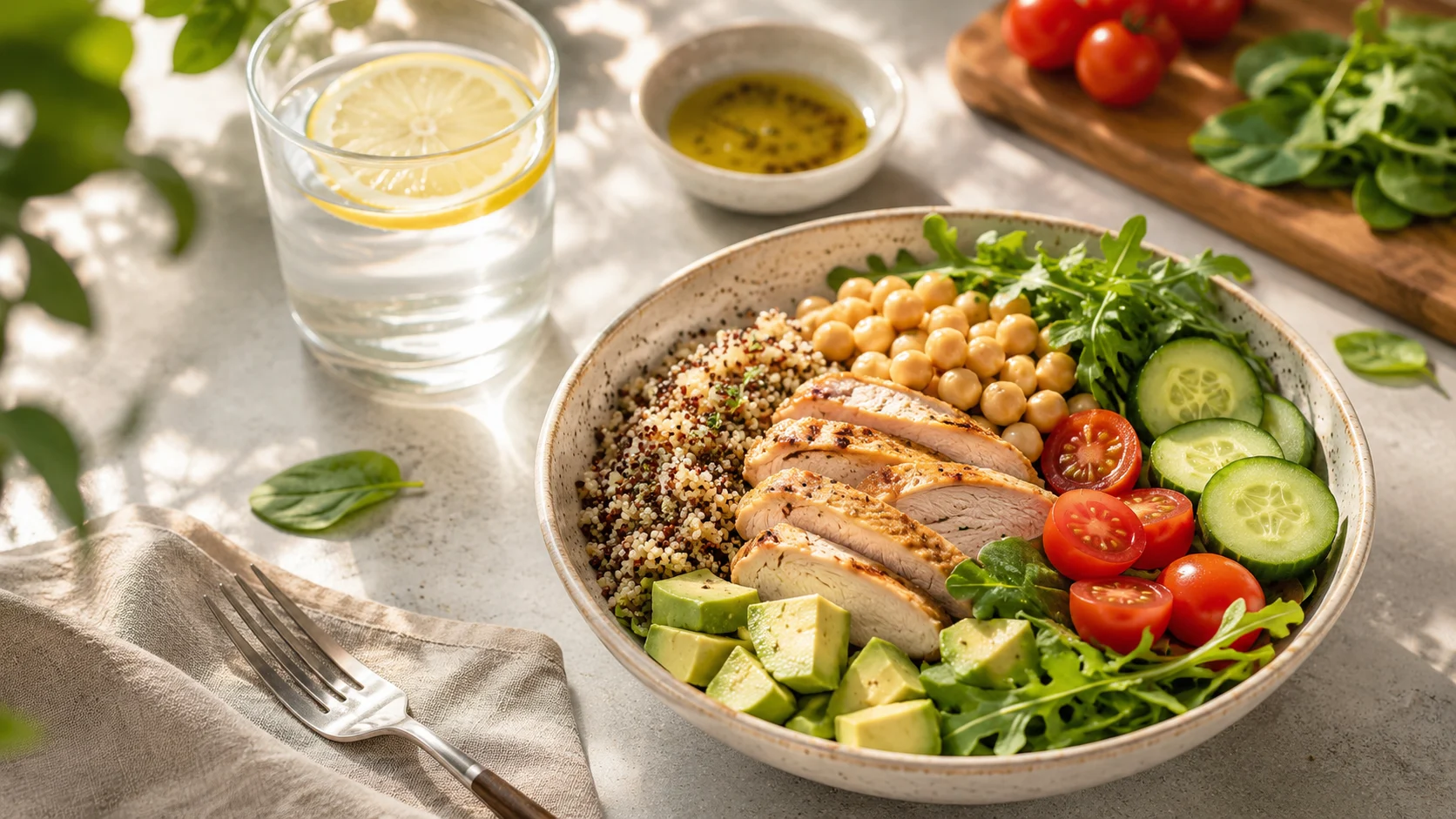
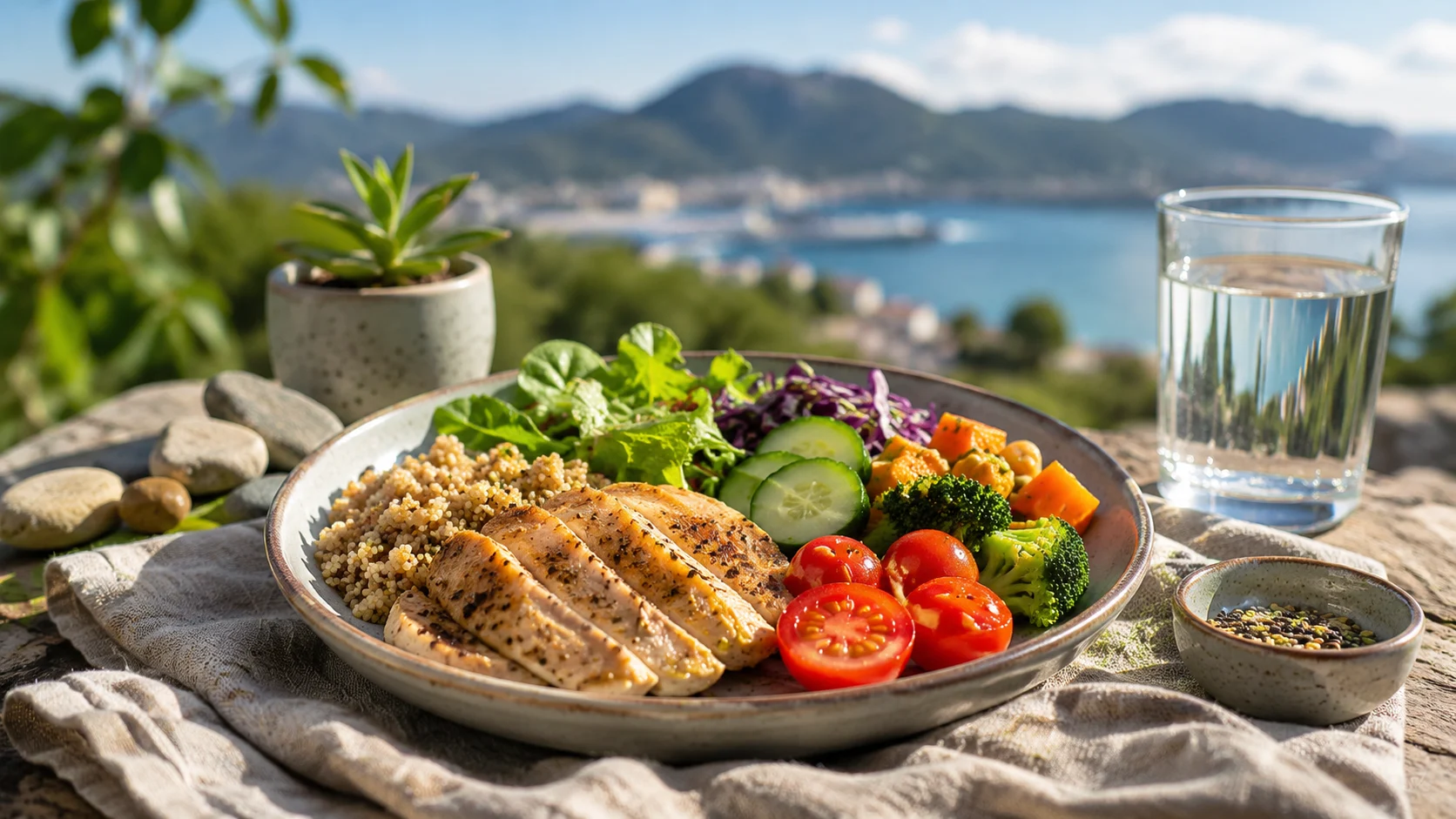
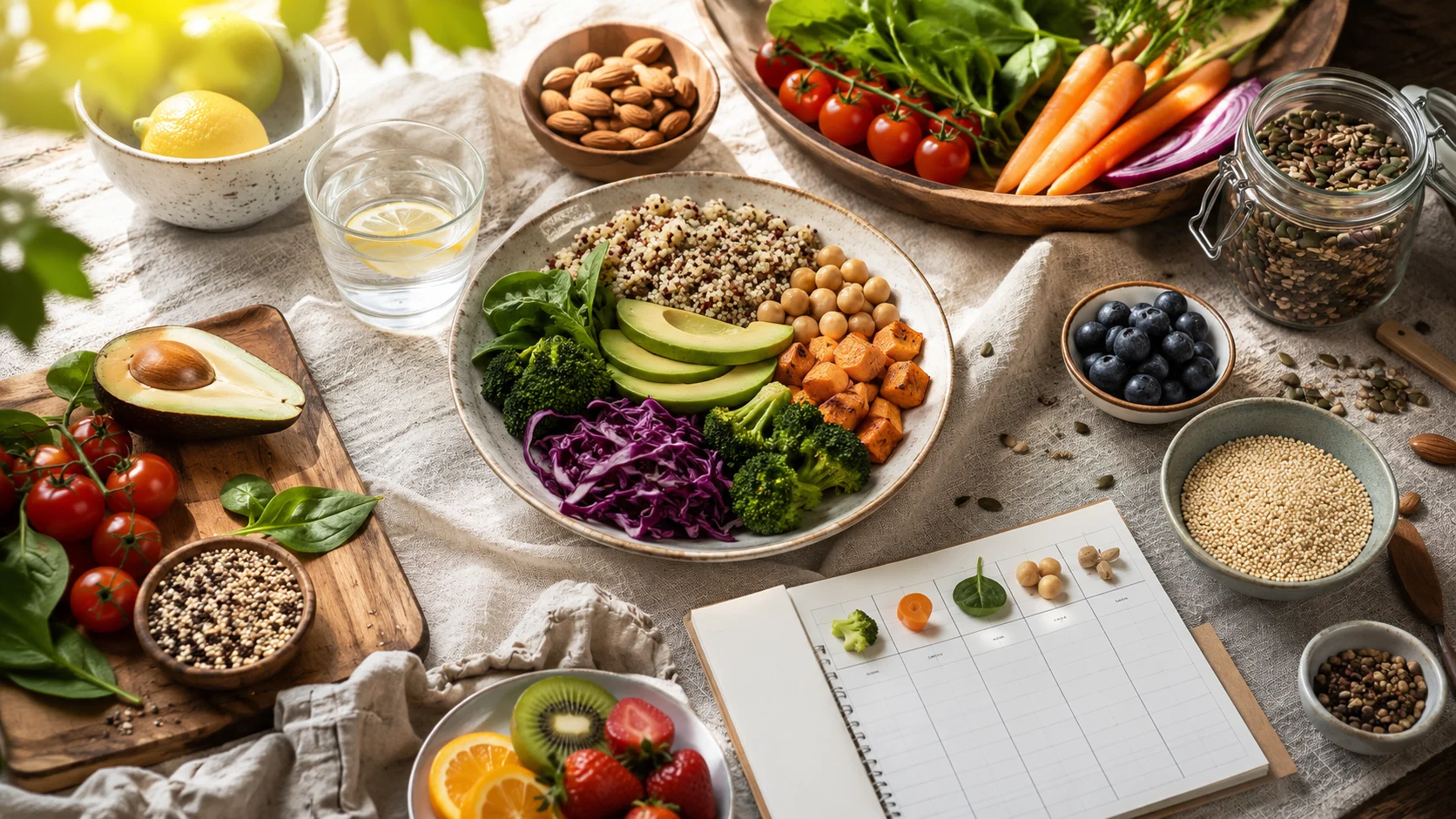
One simple way to think about foods to help PMS symptoms naturally is through what Joyini might call the Steady Comfort Plate: pairing fiber-rich carbs, satisfying protein, and calming fats so the body gets both nourishment and ease.
The Steady Comfort Plate in Real Life
The Steady Comfort Plate is less a rule and more a soft landing. It helps take the edge off blood sugar swings that can make PMS feel louder.
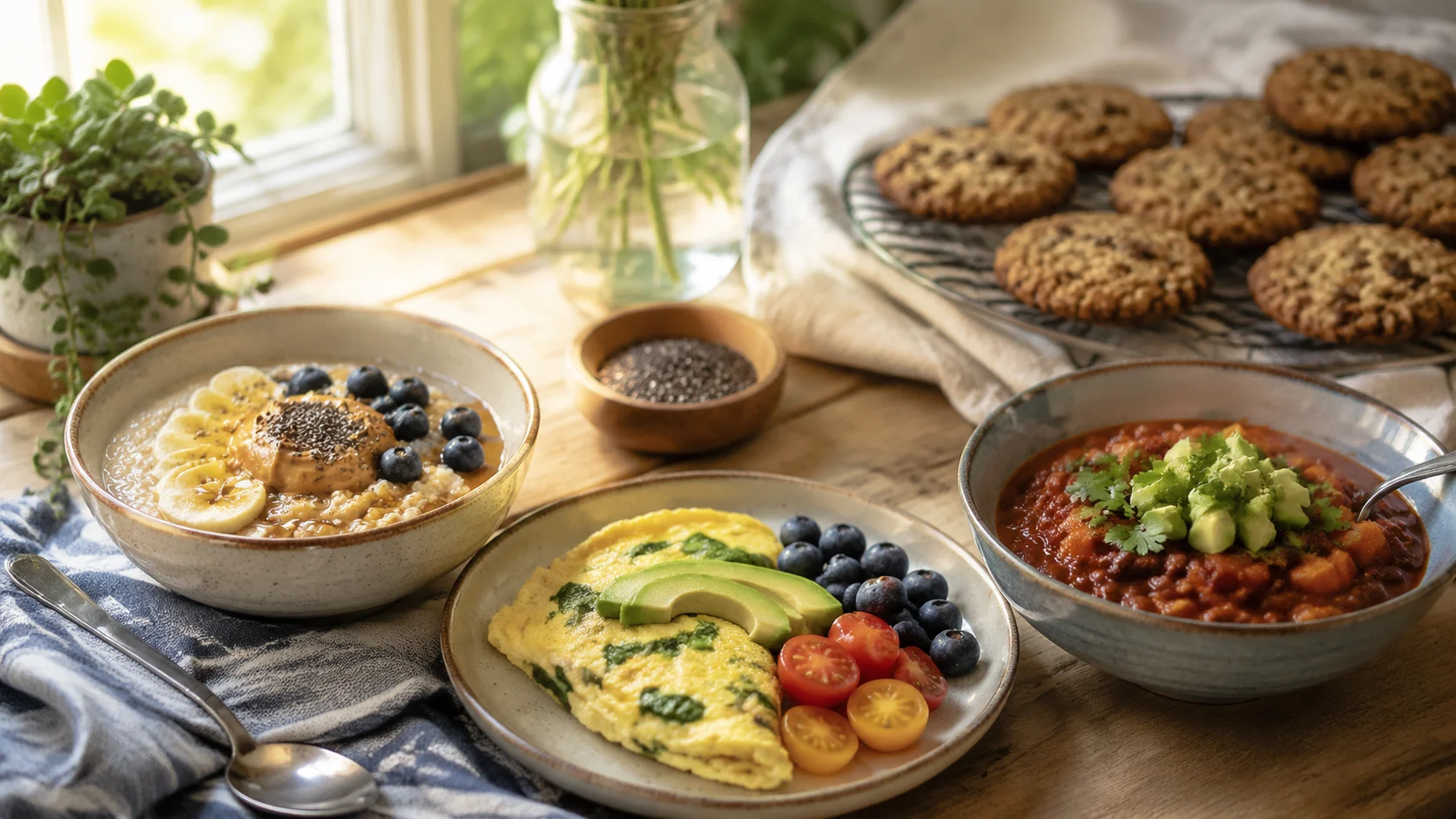
- A warm bowl of oatmeal with crushed walnuts and sliced banana can offer slow-digesting carbs, magnesium, and a comforting texture for mornings that already feel emotionally thin.
- Greek yogurt with berries and pumpkin seeds can bring protein, calcium, and crunch when someone wants something cold, easy, and quietly filling.
- A rice bowl with salmon, avocado, and roasted vegetables can feel grounding at dinner, especially when the evening has that restless, snacky energy PMS often brings.
- Dark chocolate with almonds can be a gentle answer to sweet cravings, not because dessert needs to be controlled, but because pairing sweetness with fat and protein may help it feel more satisfying.
These are the kinds of foods to help PMS symptoms naturally that support the body without turning eating into a project.
Minerals, Color, and the Quiet Work of Relief
Some foods seem to support PMS not because they are magical, but because they carry nutrients many women need more consistently. Magnesium, calcium, potassium, fiber, and omega-3 fats all play a role in helping the body feel more steady.
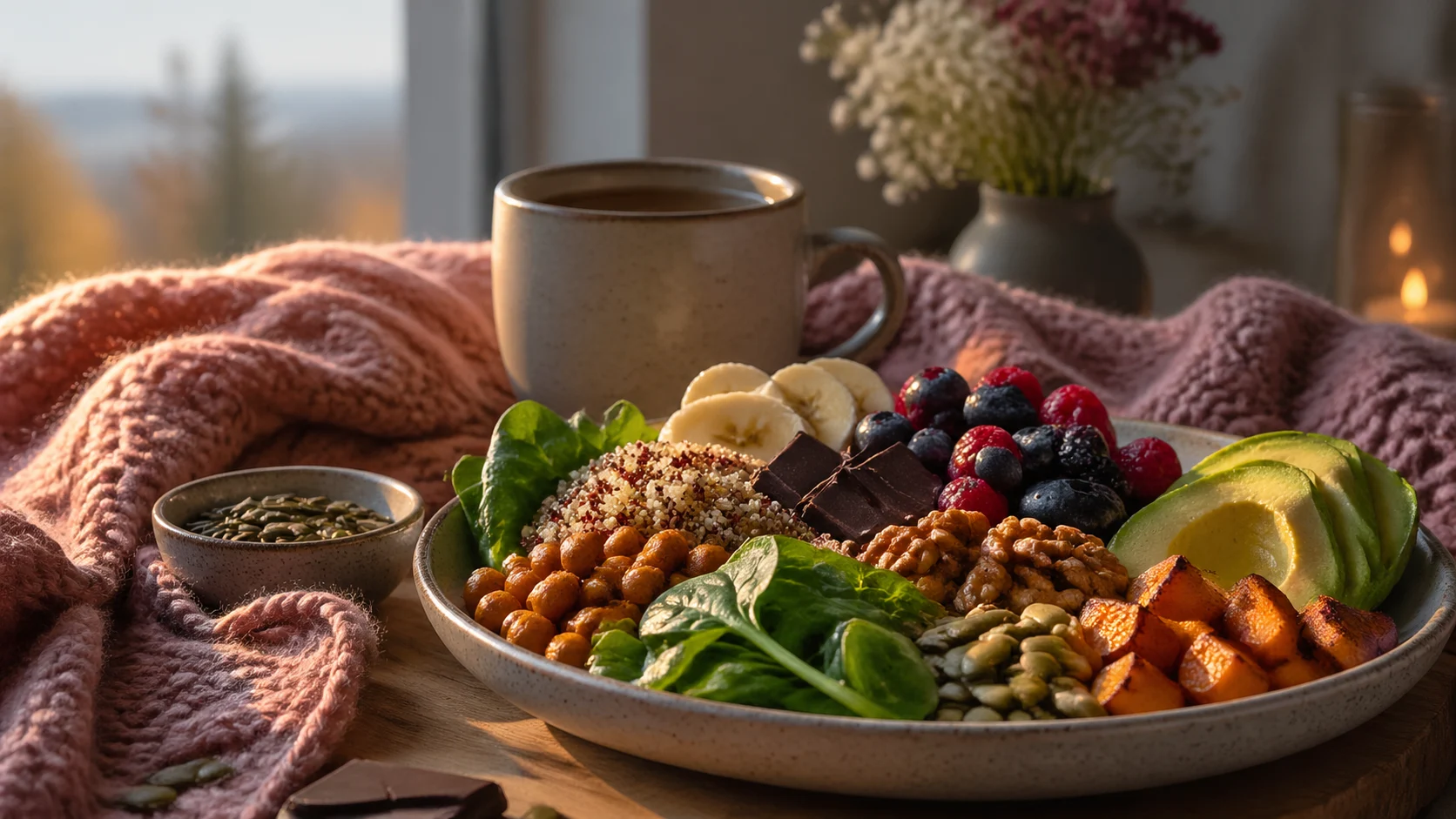
Leafy greens folded into a soft omelet, lentils simmered into a soup, or a baked sweet potato with tahini can all bring a kind of quiet support. Calcium-rich foods like yogurt and milk have also been studied in relation to PMS discomfort. Some research has found that women with higher calcium intake may experience fewer PMS-related symptoms, which makes everyday nourishment feel more meaningful than it first appears.
The body is not a problem to outsmart during PMS. It is a place that may need more softness, more fuel, and more listening.
When choosing foods to help PMS symptoms naturally, color can be a helpful guide. Deep greens, orange vegetables, berries, seeds, beans, and fatty fish often bring the kind of nourishment that supports real-life energy and comfort.
What to Eat When You Want Bread, Chocolate, and a Blanket
PMS often makes people want foods that feel immediate and soothing. That does not need to become a battle. Instead of trying to silence cravings, it can help to build comfort with support.
If she wants toast, adding peanut butter and sliced fruit may help the snack stay with her longer. If she wants pasta, tossing it with chicken, white beans, olive oil, and spinach can make it more balanced while still feeling like comfort food. If chocolate is calling, it can simply be part of the plan rather than something that must be earned.
This is where foods to help PMS symptoms naturally become less about restriction and more about partnership. The goal is not to eat in a “perfect” way. The goal is to leave the body feeling more supported after the meal than before it.
A Gentle Rhythm That Supports More Than Symptoms
Sometimes the most helpful shift is not a single superfood but a rhythm: eating regularly, staying hydrated, and not waiting until ravenous hunger hits. PMS can feel harsher when meals are skipped and stress is high. A simple snack in the late afternoon—like apple slices with cheese or hummus with crackers—can soften the evening spiral that so many women know well.
For anyone exploring foods to help PMS symptoms naturally, the most supportive pattern is often surprisingly ordinary: regular meals, enough carbs, enough protein, enough fat, and permission to eat comfort without shame. That quiet steadiness can do more than another set of food rules ever could.
Please note: Every body has its own rhythm. This gentle guide is for educational purposes and does not replace personalized advice from a healthcare professional, especially if PMS symptoms feel intense, disruptive, or unusual for your normal cycle.
You Might Also Wonder
What if I crave sweets every afternoon before my period?
That pattern is very common. A more supportive response may be to add a balanced lunch or an afternoon snack with protein and carbs, rather than trying to resist until the craving becomes overwhelming.
Can salty foods make PMS bloating feel worse?
For some women, very salty meals can make water retention feel more noticeable. Pairing them with potassium-rich foods like bananas, beans, or roasted sweet potatoes may feel gentler.
Do I need to stop eating chocolate during PMS?
Not at all. Chocolate can absolutely fit. Sometimes it feels better when paired with something satisfying, like nuts or yogurt, but it does not need to be treated like a mistake.
What if I’m too tired to cook before my period?
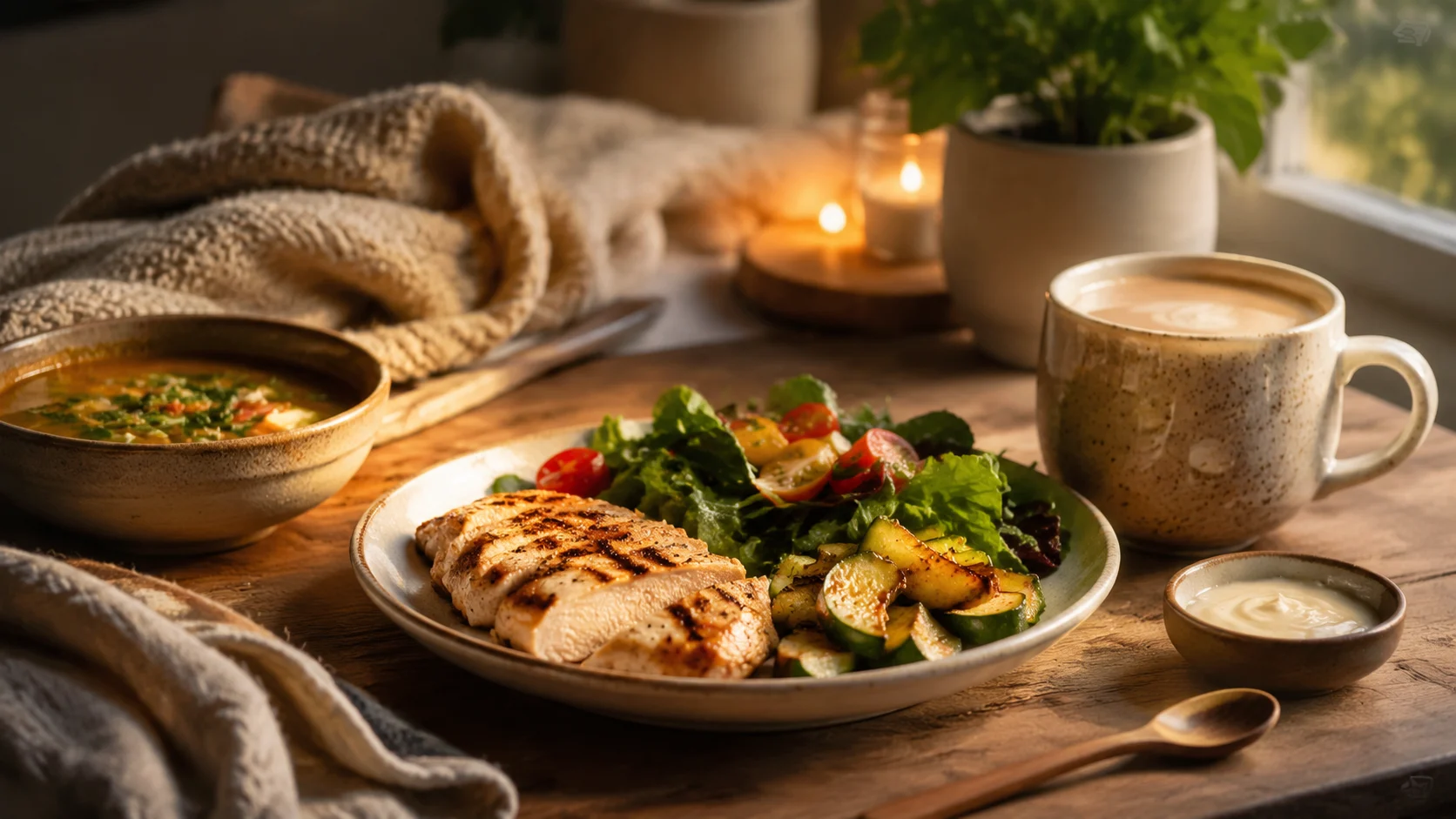
Low-effort meals count. A rotisserie chicken with microwaved rice and frozen vegetables, or toast with eggs and avocado, can still be nourishing and realistic.