
When Food Rules Start Feeling Like Static
Chronic dieting often makes eating feel more chaotic, not more controlled. For many women, the problem is not a lack of discipline. It is that the body keeps responding to long stretches of restriction, mental food rules, and the quiet stress of always trying to eat “better.” When food has been managed like a project for years, hunger can grow louder, cravings can feel urgent, and trust can begin to fray.
She may look composed on the outside—answering emails, reheating coffee, promising herself she will “be good” tonight. But beneath that calm, the body is often keeping score. Chronic dieting can raise food preoccupation, intensify cravings, and make ordinary meals feel emotionally loaded. One classic observation from nutrition research, including the well-known Minnesota Starvation Experiment, showed that even semi-restriction increased fixation on food, emotional distress, and binge-like urges. The body was not being dramatic. It was adapting.
“The body is not a problem to outsmart. It is a language to learn.”
The Quiet Cost of Always Starting Over
Chronic dieting is not only about formal diets. It can also look like skipping breakfast to “make up” for dessert, eating a tiny lunch before a social dinner, or living under a rotating set of rules that changes every Monday. The pattern matters more than the label.
Over time, this pattern can nudge the body into a cycle that feels confusing:
- Hunger becomes less predictable. After repeated restriction, some women stop noticing early hunger cues and only realize they need food when they are suddenly ravenous.
- Cravings feel louder. When certain foods are placed on a moral pedestal or pushed into exile, they often gain emotional power.
- Eating can become all-or-nothing. A salad at noon turns into standing in the kitchen with crackers, chocolate, and a tired sense of “I already messed up.”
This is where Joyini’s gentle idea of food freedom matters. Many eating struggles are not personal failures. They are protective responses to scarcity, stress, and too many rules.
The “Pendulum Plate” Effect
One helpful way to understand chronic dieting is through a small framework: the Pendulum Plate effect. When intake swings too far toward control, the body and mind often swing back toward urgency. Not because someone is weak, but because pendulums do what pendulums do—they move.
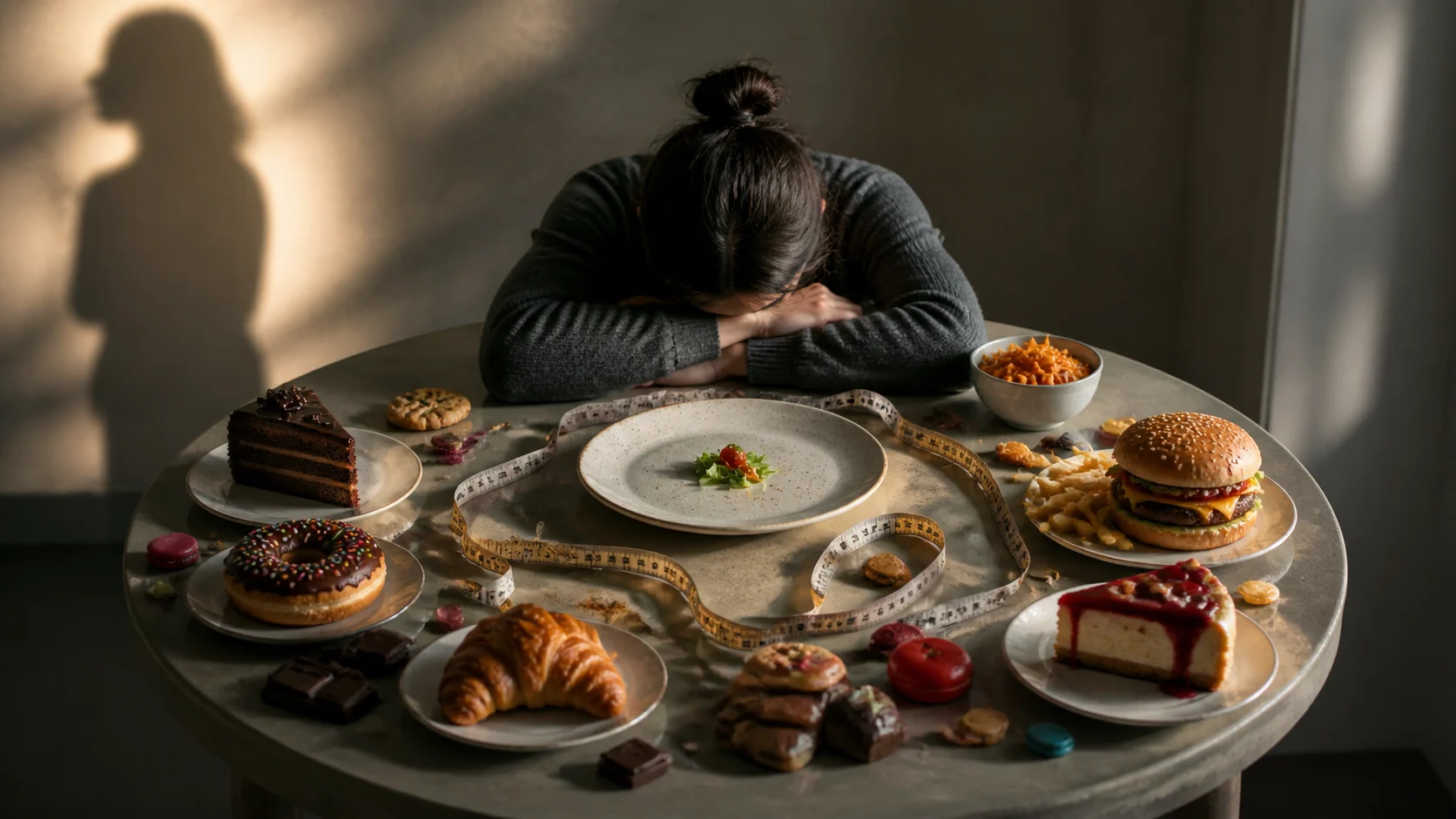
On one side of the swing, there is restraint: eating less than needed, ignoring hunger, choosing the “lightest” option while secretly thinking about something more satisfying. On the other side, there is rebound: intense snacking at night, eating past comfort, or feeling unable to stop once a forbidden food appears.
The answer is rarely more control. More often, the body needs steadiness. A meal with enough substance. A snack before the late-afternoon crash. Permission to eat carbohydrates without turning them into a moral debate.
“When eating feels chaotic, kindness is often more regulating than control.”
What Gentle Eating Can Look Like After Chronic Dieting
Recovery from chronic dieting does not need to begin with a grand declaration. It can start in quieter ways, in the texture of an ordinary day.
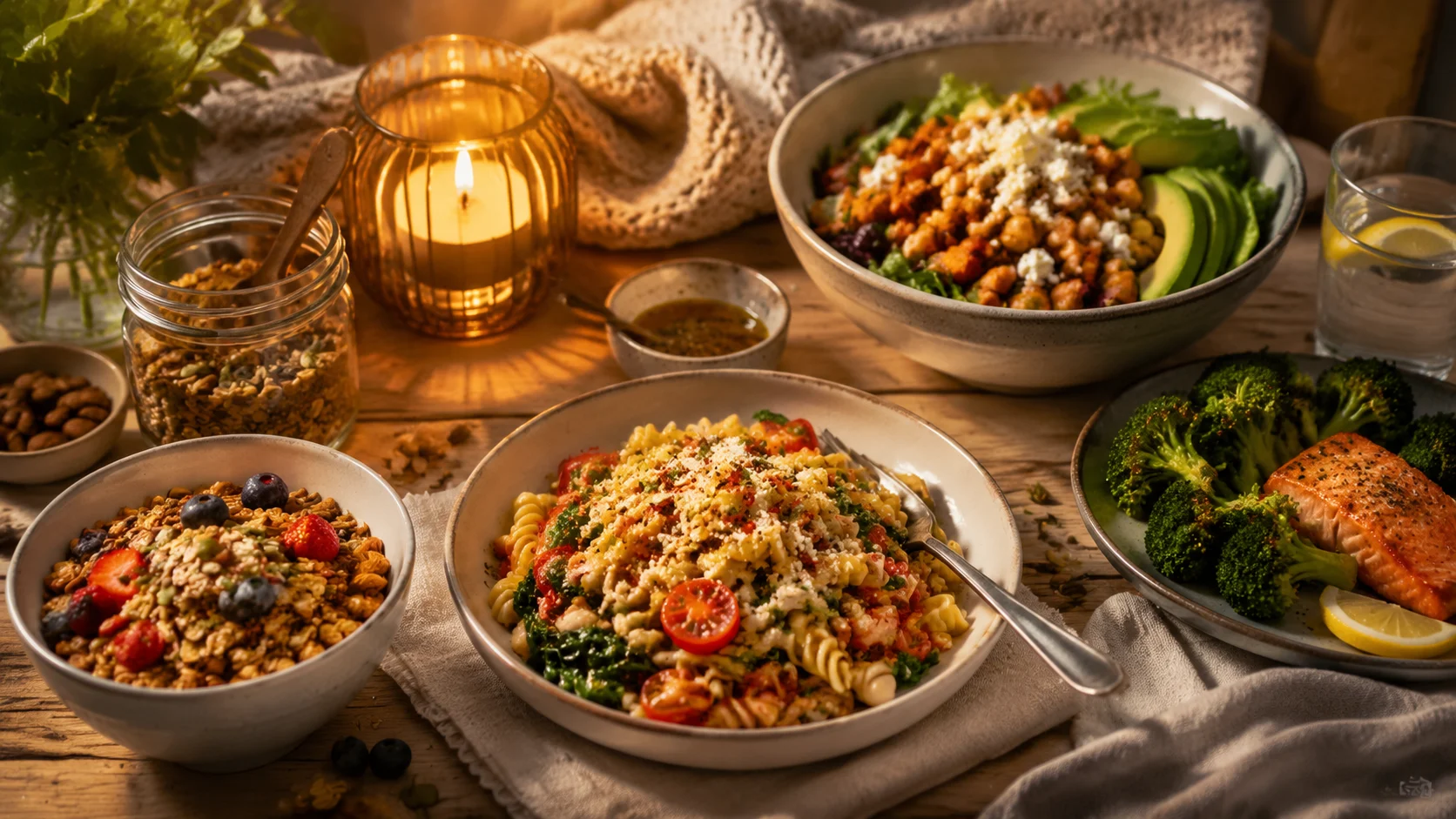
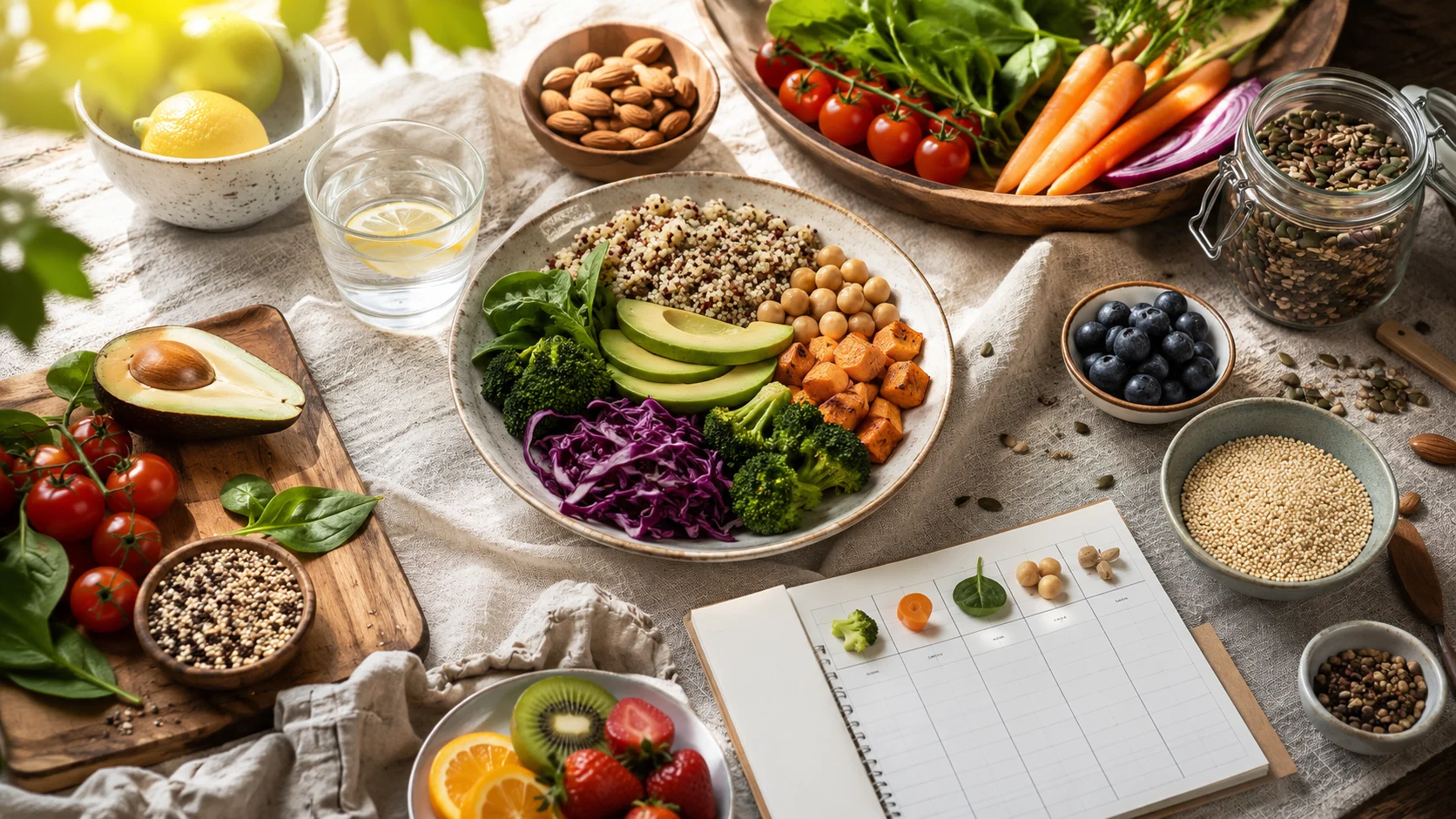
- Add before you subtract. Instead of asking how to eat less, ask what would make this meal feel more grounding. A bowl of soup may need bread on the side. Yogurt may need berries and a handful of granola. The goal is not perfection. It is support.
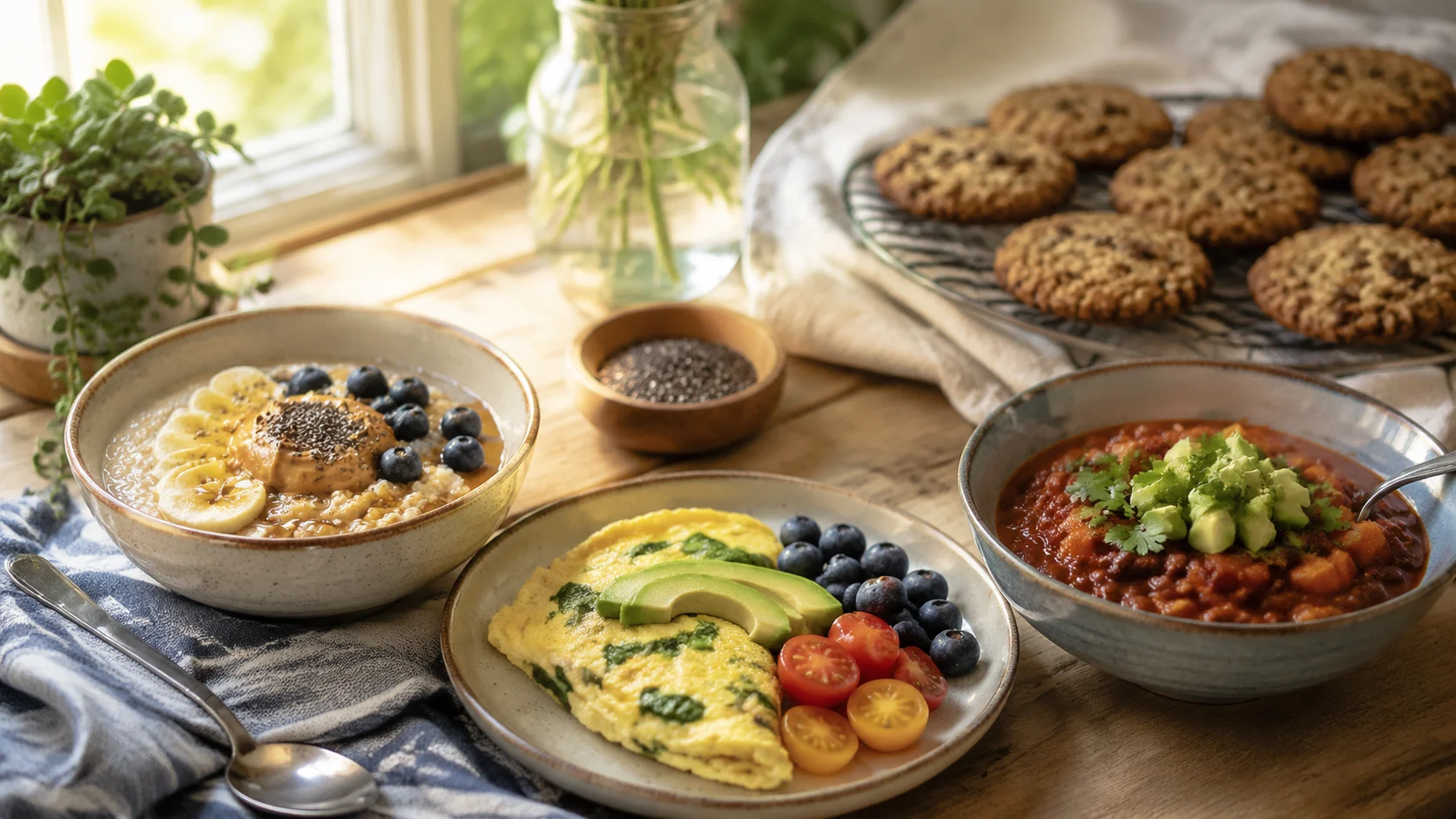
- Build “steady energy anchors.” Think of these as small moments that keep the day from unraveling: eggs on toast in the morning, a warm rice bowl at lunch, an afternoon snack tucked between meetings. These are not rewards. They are structure.
- Notice the emotional weather around food. Some cravings come from hunger, some from comfort, and many from both. Naming that gently can reduce shame and help a woman respond with more care.
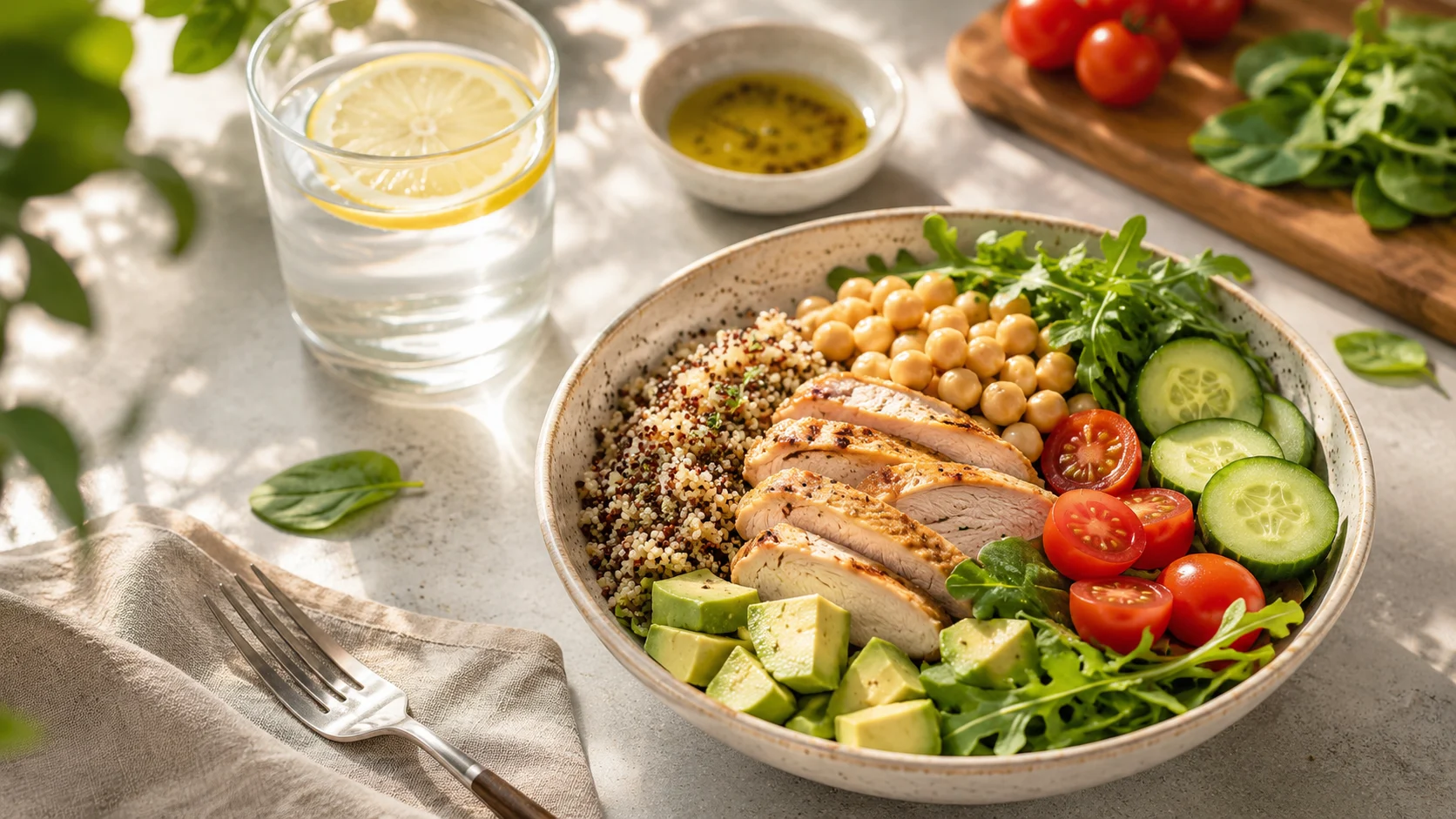
- Let satisfaction matter. A balanced meal is not only about nutrients on paper. It also has to feel emotionally and physically enough, so the mind is not still hunting an hour later.
There is also growing research around intuitive eating suggesting that a more flexible, internally attuned approach to food is linked with better psychological well-being and less disordered eating behavior. That does not mean eating becomes effortless overnight. It means the relationship can soften.
Please note: Every body has its own rhythm, history, and needs. This gentle guide is for educational purposes and does not replace personalized care from a registered dietitian, physician, or mental health professional—especially if eating feels distressing or out of control.
You Might Also Wonder
Is chronic dieting the same as having tried a lot of diets?
Not always. Chronic dieting is more about the ongoing pattern of restriction, monitoring, and restarting. Someone may not be on a named diet, but if she is constantly trying to compensate, cut back, or control food, the effect can feel very similar.
Why do I crave more food at night after trying to “eat healthy” all day?
Often, the body is catching up. If breakfast was coffee, lunch was light, and the afternoon passed on willpower, nighttime hunger and cravings can arrive with real force. That is not a character flaw. It is a delayed response to not getting enough earlier.
Can chronic dieting affect mood too?
Yes. Eating under pressure can make food feel emotionally charged, and restriction itself may increase irritability, anxiety around meals, and mental preoccupation. When nourishment becomes steadier, mood often feels steadier too.
What if I am afraid that eating more regularly will make me lose control?
That fear is common, especially after years of rules. But regular, satisfying meals often create the very stability that reduces chaotic eating. For many women, consistency feels unfamiliar before it feels safe.