
When Hunger Isn’t the Whole Story
What causes emotional eating? Often, it is not a lack of discipline at all. It is a body and mind trying to find relief, comfort, or steadier ground in the middle of stress, exhaustion, loneliness, restriction, or overwhelm. For many women, eating can become a quick form of soothing when life feels too loud. That does not mean anything is wrong with them. It usually means something inside needs support.
By late afternoon, she may still be answering emails with a half-finished coffee beside her, realizing lunch was rushed or barely there. By evening, the house quiets down, and suddenly the pull toward chips, cookies, or something warm and comforting feels almost magnetic. This is often the moment people start asking what causes emotional eating, as if the answer must be hidden in character. More often, it is hidden in body signals that have been easy to miss all day.
“The body is not a problem to outsmart. It is a place asking to be listened to.”
The Quiet Drivers Beneath the Craving
Emotional eating usually grows from a few forces working together, not one single trigger. Stress is one of the biggest. When the nervous system stays activated, food can feel grounding, distracting, or comforting for a moment. Research has observed that chronic stress can influence appetite and increase preference for highly palatable foods, especially those rich in sugar and fat.
Undereating earlier in the day can also set the stage. A body that did not get enough food at breakfast or lunch may ask loudly for fast energy later. What looks emotional on the surface may be partly biological underneath.
Sleep deprivation matters too. Even one short night can make appetite feel less steady and cravings feel more urgent. Some studies have found that inadequate sleep is linked with shifts in hunger hormones, including higher ghrelin and lower leptin, which can make food feel harder to ignore.
Then there is restriction—not only physical dieting, but also mental rules. When someone spends years hearing that bread is “too much” or dessert should be “earned,” food can start carrying emotional charge. The forbidden thing often becomes the fascinating thing.
The “Comfort Loop” That Makes So Much Sense
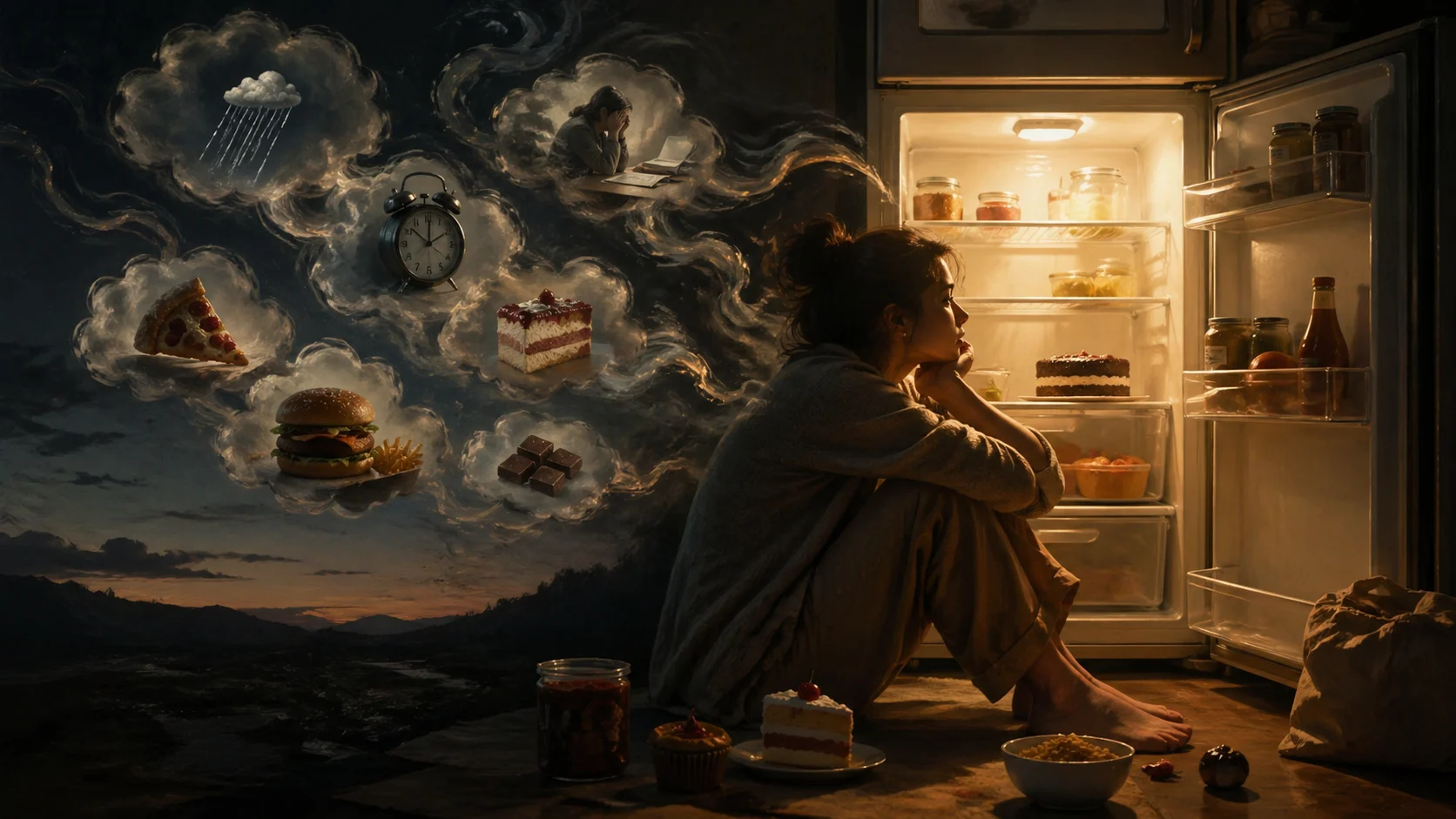
A gentle way to understand what causes emotional eating is through what Joyini might call the Comfort Loop: stress rises, needs go unmet, food offers quick relief, guilt follows, and the cycle becomes easier to repeat. It is not a moral failure. It is a learned survival pattern.
In that loop, food is doing a job. It may soften loneliness after a hard conversation. It may fill the silence after everyone else is asleep. It may create a small pocket of pleasure in a day that felt dry and demanding. Seen this way, emotional eating is less like chaos and more like a clever, if temporary, coping strategy.
“When comfort comes through food, the real question is not ‘Why am I so weak?’ but ‘What has been too heavy to carry alone?’”
Why Shame Usually Makes It Louder
Many women try to solve emotional eating by becoming stricter. They promise to cut sugar, eat perfectly, or “be good” tomorrow. Yet shame often adds more tension, and tension tends to increase the need for soothing. This is one reason the cycle can feel so persistent.
If someone is wondering what causes emotional eating at night, the answer may be especially layered: not enough food, not enough rest, too much pressure, and no gentle pause between giving to everyone else and finally being alone. Evening is simply when the unmet needs catch up.
A kinder response starts with curiosity. Was there enough lunch with real staying power, like a bowl of rice, roasted salmon, and something crisp on the side? Was there any emotional exhale in the day? Was she running on caffeine, adrenaline, and obligation?
Small Shifts That Support More Ease
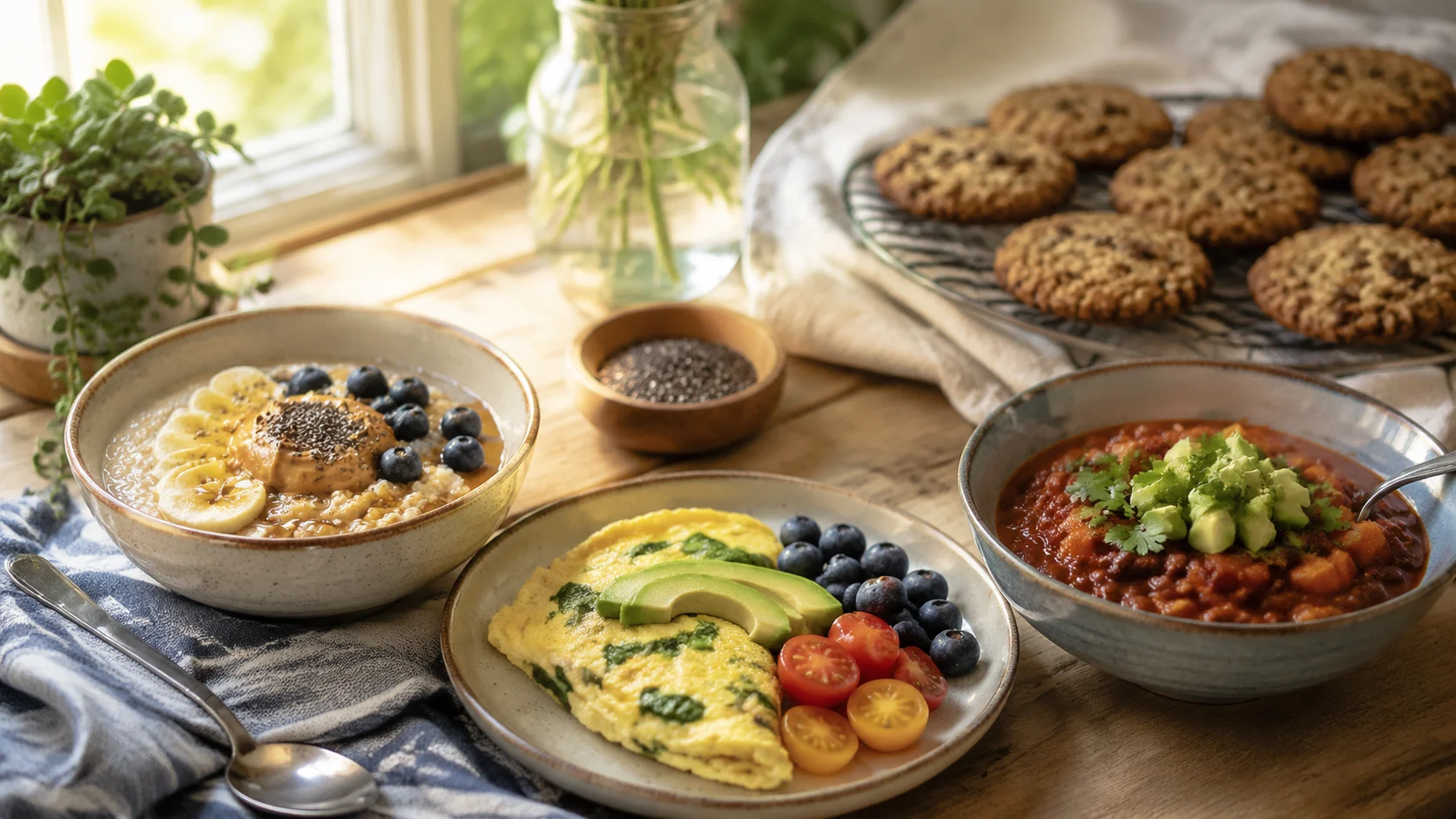
- Build steadier meals earlier. A morning that begins with toast alone may fade quickly. A warm bowl of oatmeal with Greek yogurt, berries, and crushed walnuts can land differently, offering more steady energy.
- Name the feeling before the snack. Sometimes the urge is asking for comfort, distraction, rest, or company. Naming it does not erase it, but it often softens the urgency.
- Keep comfort, add support. If cookies are calling, they do not need to be banned. They may simply feel better alongside something else—perhaps tea, fruit, or a handful of nuts—so comfort and nourishment can sit at the same table.
- Create a tiny landing space. Five quiet minutes, a shower, music while reheating dinner, or stepping outside at dusk can interrupt autopilot without force.
For anyone still asking what causes emotional eating, the answer is rarely simple, but it is often compassionate: stress, unmet physical needs, old food rules, and a human longing for relief. Once that is understood, the conversation can finally move away from blame and toward support.
Please note: Every body has its own rhythm, history, and needs. This gentle guide is for educational purposes and does not replace personalized advice from a healthcare professional or mental health provider, especially if eating feels distressing or hard to control.
You Might Also Wonder
Is emotional eating always a bad thing?
Not necessarily. Sometimes food really is part of comfort, celebration, or relief. The concern usually begins when it feels frequent, automatic, or followed by distress. The goal is not perfection. It is more understanding and more choice.
Why does emotional eating happen more at night?
Night can bring a collision of fatigue, undernourishment, and unprocessed emotion. When the day finally slows down, hunger, stress, and loneliness often become easier to feel.
Can dieting make emotional eating worse?
For many people, yes. Restriction can heighten cravings, increase preoccupation with food, and make eating feel emotionally charged. A more balanced, less rule-driven approach often feels steadier.
What if the craving feels urgent and I do not want to overthink it?
That makes sense. In that moment, simple is better: pause, breathe once, and ask what would feel both comforting and supportive right now. Sometimes that answer is food. Sometimes it is food plus rest.