
The Afternoon Crash Is Not a Character Flaw
She reaches for another coffee at 3 p.m., wondering why her focus has slipped again. It often gets framed as a motivation problem, but the body usually tells a softer truth: **energy dips are often a food pattern issue, not a personal failure**. The best foods for stable energy are rarely the strictest or most “perfect” choices. More often, they are the meals that combine **carbohydrates, protein, fat, and fiber** in a way that helps the body feel safe, fed, and steady.
When someone wants more reliable energy, she does not need to memorize complicated rules. She usually needs a gentler rhythm: meals that land softly, snacks that actually satisfy, and enough nourishment before she gets so hungry that everything feels urgent.
Body signals are not interruptions to ignore; they are messages asking for support.
A small but meaningful body of research has observed that meals with **fiber, protein, and healthy fats** can help slow digestion and support steadier blood sugar responses, which often translates into more even energy through the day. That is part of why foods for stable energy tend to look balanced rather than extreme.
The Soft-Steady Plate: A Simple Way to Build Meals
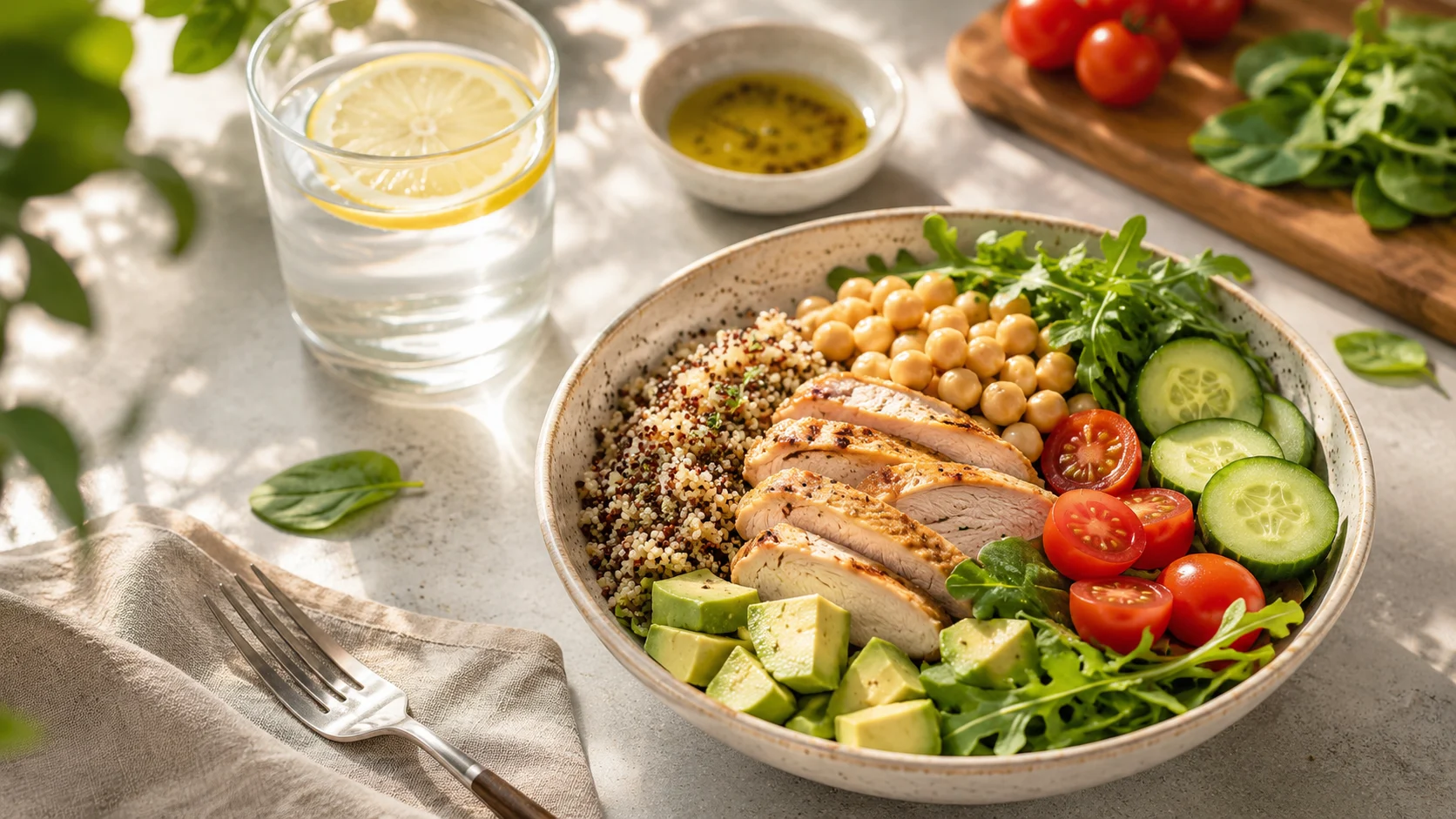
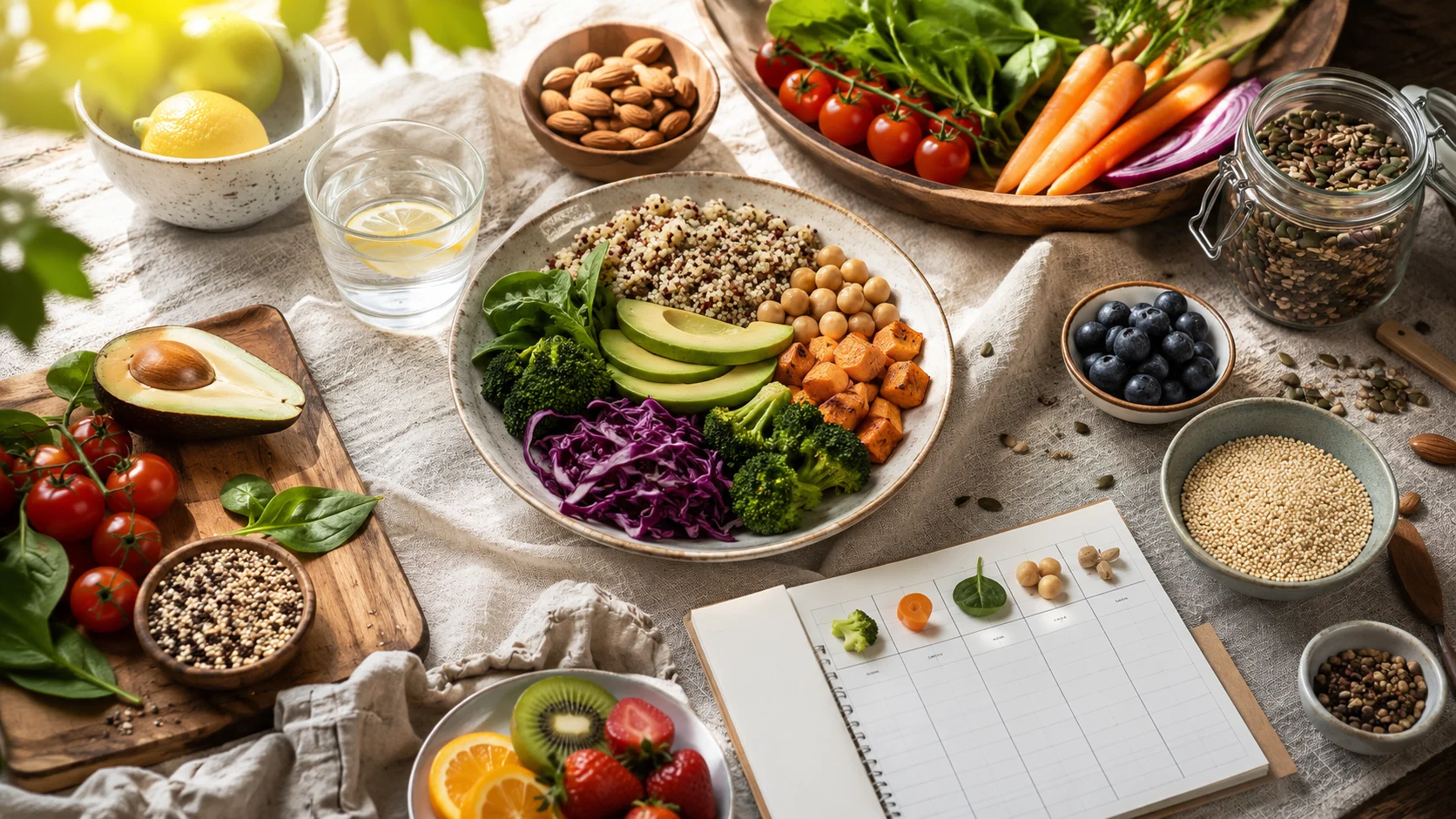
Instead of chasing energy with sugar alone or trying to “be good” with a too-light lunch, it helps to use what Joyini might call the Soft-Steady Plate. It is a simple image: one meal, four quiet anchors.
- A grounding carbohydrate — something like warm oats, roasted potatoes, rice, sourdough toast, or fruit. These foods bring accessible energy, which the body deeply needs.
- A staying-power protein — Greek yogurt, eggs, tofu, beans, cottage cheese, salmon, or shredded chicken. Protein helps the meal linger in a more supportive way.
- A calming fat — sliced avocado, peanut butter, olive oil, tahini, nuts, or seeds. Fat adds steadiness and satisfaction, which matters more than many women have been taught.
- A fiber-rich companion — berries folded into oatmeal, a handful of greens under rice, lentils stirred into soup, or apple slices beside toast. Fiber helps soften the rise and fall of energy.
This is why foods for stable energy are not just single ingredients. They work best as a conversation on the plate, each part helping the others do their job.
The goal is not to eat perfectly. The goal is to eat in a way that lets energy stay with her a little longer.
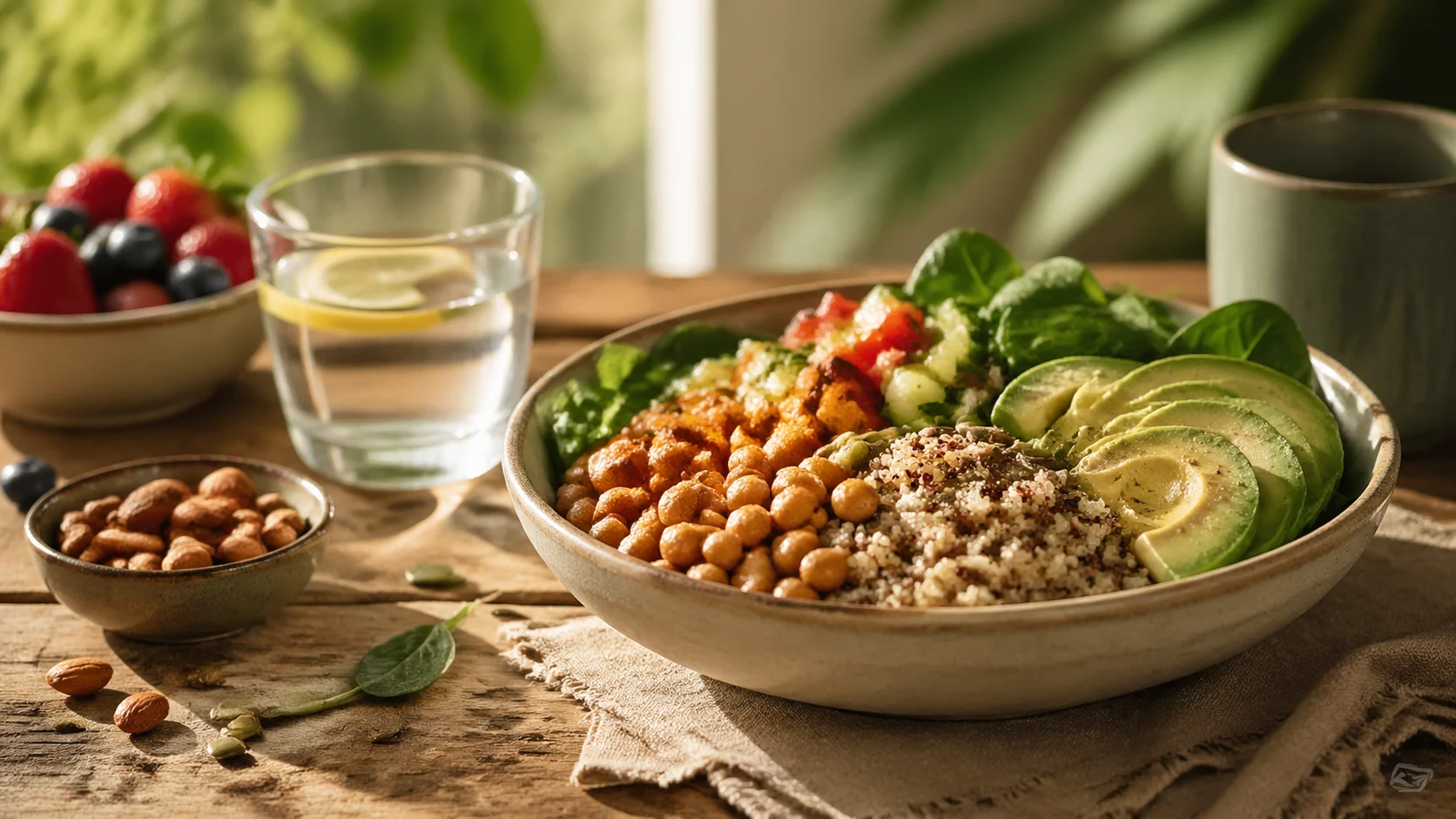
What Foods for Stable Energy Can Look Like in Real Life
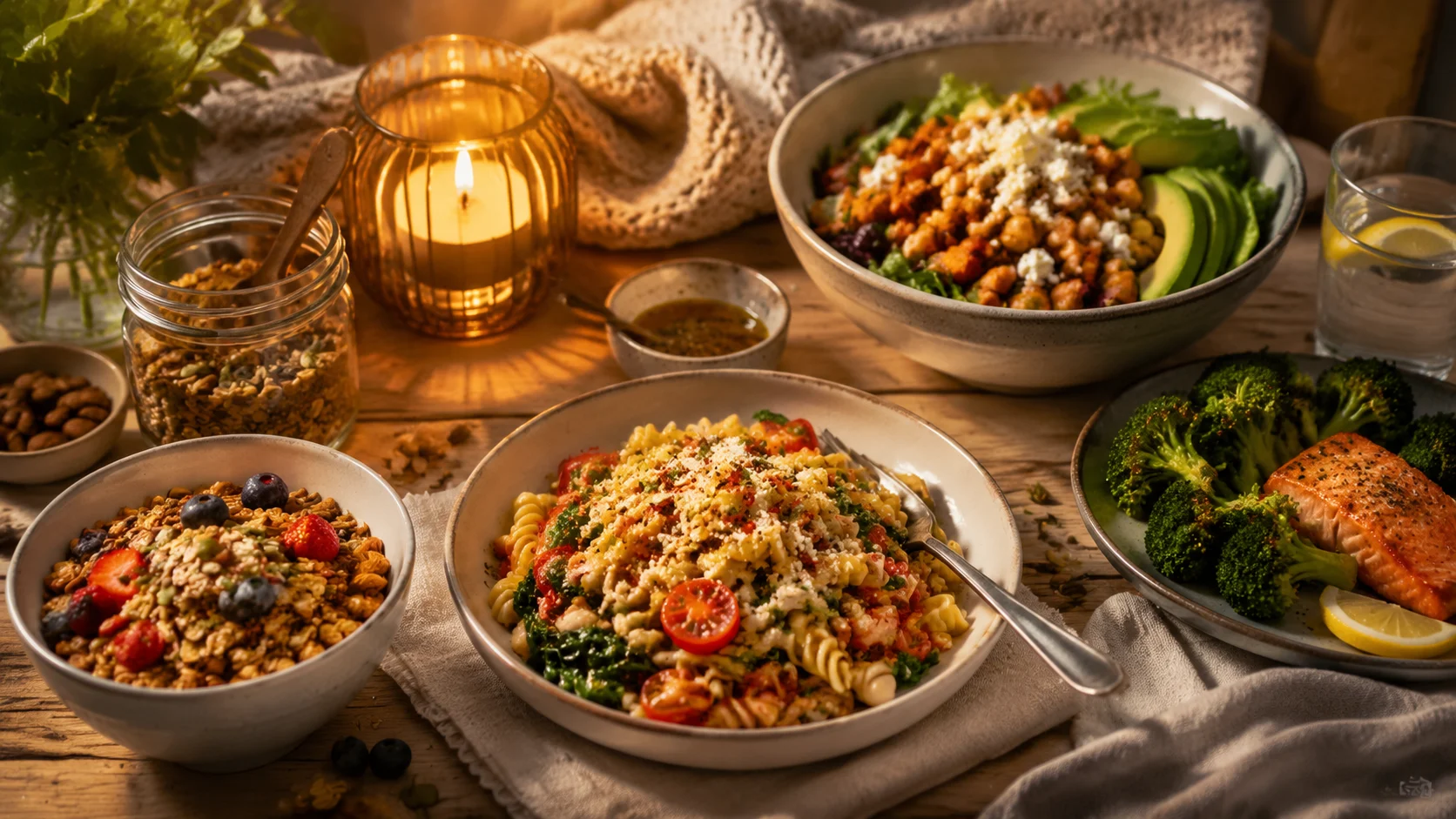
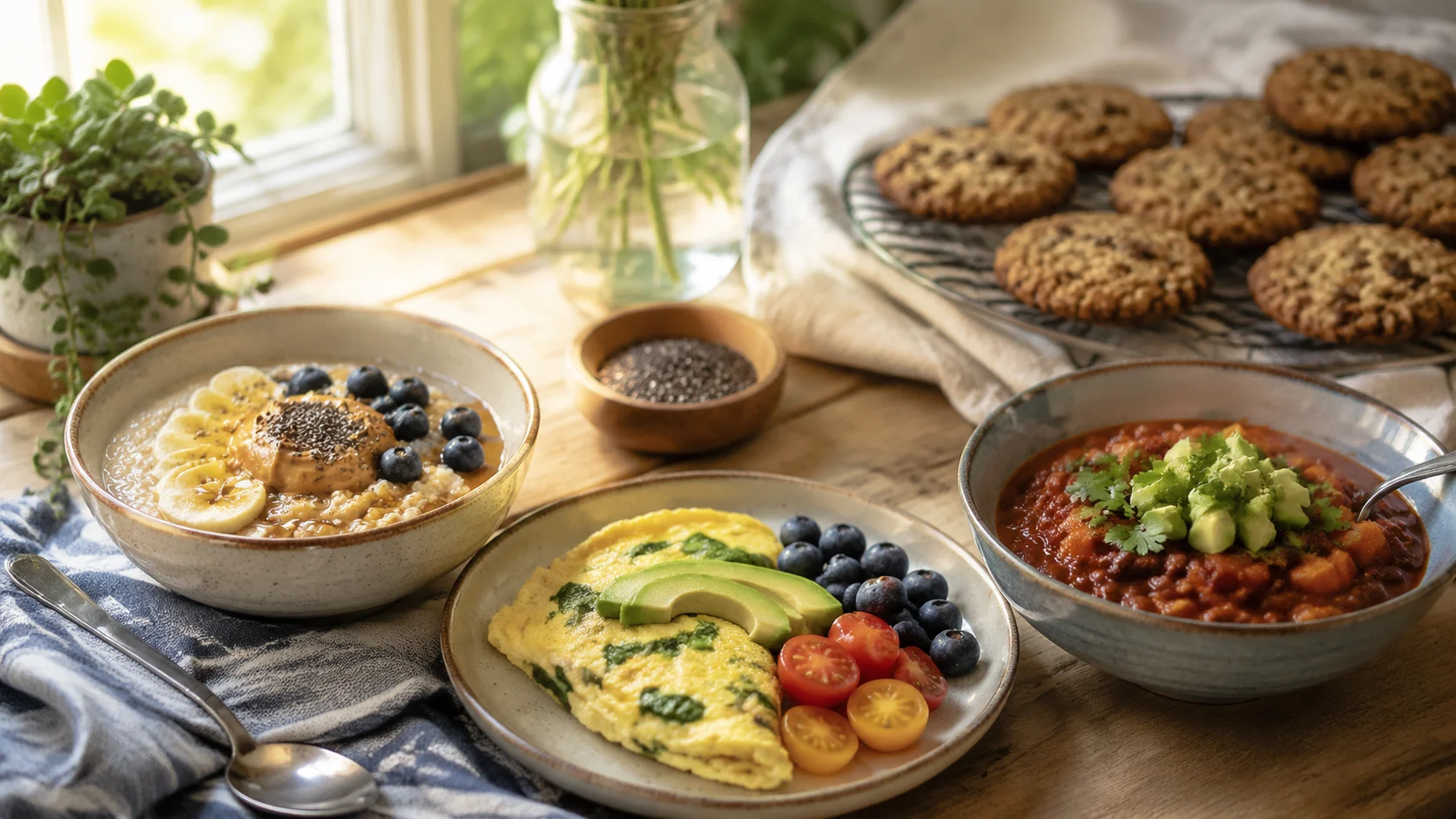
On busy mornings, foods for stable energy might look like **a bowl of oatmeal with crushed walnuts, cinnamon, and berries**, with a spoonful of yogurt on the side. Not fancy. Just warm, steady, and enough.
At lunch, it could be **a rice bowl with salmon or tofu, cucumber, edamame, and a drizzle of sesame dressing**. The rice gives quick fuel; the protein and fat help that fuel last beyond the first hour after eating.
In the afternoon, when many women start prowling the kitchen for something sweet, a more supportive snack often looks like **apple slices with peanut butter**, **crackers with cheese**, or **toast with hummus and sliced tomato**. These choices do not remove cravings through force. They often reduce the intensity by meeting the body halfway.
Even dinner can be simple: **roasted potatoes with eggs and sautéed spinach**, or **a comforting bowl of pasta tossed with olive oil, white beans, and arugula**. Foods for stable energy do not need to be low-carb, joyless, or overly controlled. They need to be balanced enough to carry a person through real life.
The Patterns That Quietly Drain Energy
Sometimes the question is not only which foods for stable energy to add, but which habits make steady energy harder to find. A breakfast of coffee alone, a rushed lunch with too little substance, or a long stretch without eating can set up the familiar cycle: shaky hunger, intense cravings, then a heavy crash.
Many women have also learned to fear carbohydrates, even though the brain relies heavily on glucose for fuel. The gentler truth is that carbs often help energy most when they are not left to work alone. Pairing them with protein, fat, or fiber can make them feel more supportive and less fleeting.
Common energy-draining patterns include:
- Skipping meals — the body often answers later with urgent hunger and foggy thinking.
- Eating too little earlier in the day — this can make late-day cravings feel louder, not weaker.
- Relying on sugar by itself — quick comfort, then a faster drop.
- Waiting until exhaustion to eat — when nourishment comes too late, it can feel harder to make balanced choices.
A Few Practical Questions
What if she wants sweets every afternoon?
That usually does not mean she is doing something wrong. It may be a sign that lunch was too light or too low in protein, fat, or fiber. Adding a more balanced lunch or pairing something sweet with a satisfying snack can help.
Are carbs bad if she wants stable energy?
Not at all. Carbohydrates are one of the body’s main energy sources. Foods for stable energy often include carbs; the difference is that they are supported by protein, fat, and fiber.
What is an easy breakfast when mornings feel chaotic?
Something simple is enough: toast with peanut butter and banana, Greek yogurt with berries and granola, or overnight oats with chia seeds. The best breakfast is often the one she can actually eat consistently.
Can snacks really help with energy?
Yes, especially when meals are far apart. A snack that includes at least two elements — like fruit and nuts, or crackers and cheese — can help prevent the sharp dip that leads to overeating later.
Please note: Every body has its own rhythm, appetite, and needs. This gentle guide is for educational purposes and does not replace personalized advice from a healthcare professional or registered dietitian, especially if someone is dealing with ongoing fatigue, blood sugar concerns, or a medical condition.