
When the Pantry Isn’t the Real Problem
How to stop eating your feelings often begins with a surprising truth: emotional eating is usually not a discipline problem. For many women, it is the body’s soft alarm bell ringing after a long day of stress, under-eating, overstimulation, or loneliness. When she stands in the kitchen at 9 p.m., reaching for something crunchy or sweet, she is rarely “failing.” More often, she is trying to find comfort, steadiness, or a moment that feels like her own.
The first shift is gentle but powerful: instead of asking, “Why can’t I control myself?” it helps to ask, “What is this moment trying to soothe?” That question opens a different door.
Body signals are not character flaws. They are messages that become louder when they are ignored.
Many people who want to learn how to stop eating your feelings have spent years trying to use rules, guilt, or stricter food plans. Yet pressure often makes urges louder. A woman who skipped lunch, pushed through the afternoon on coffee, and came home emotionally wrung out is not simply craving cookies. She may be craving relief, enoughness, and a sense of landing.
The “Pause, Pair, Permission” Method
A simple way to approach how to stop eating your feelings is through a small Joyini-style micro-framework: Pause, Pair, Permission.
- Pause — not to force control, but to create one soft breath of space. A hand on the counter, a longer exhale, a glass of water, a quiet sentence: “Something feels hard right now.”
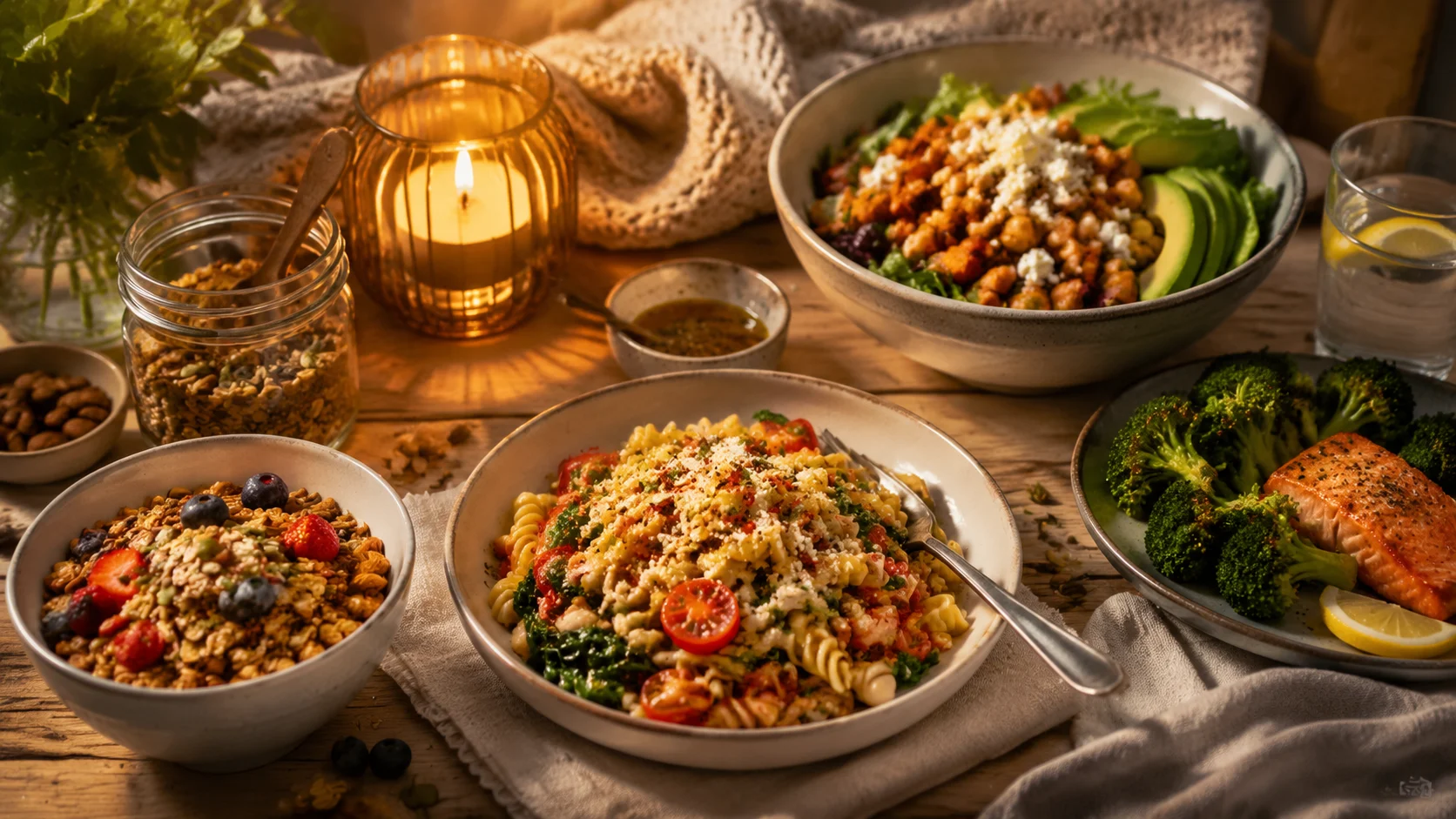
- Pair — if food still sounds comforting, pair it with support. Instead of eating on emotional autopilot, she might place chocolate beside warm yogurt with berries, or chips next to a turkey sandwich. Comfort and nourishment can sit on the same plate.
- Permission — removing food drama matters. When comfort food is allowed, the nervous system often becomes less frantic around it. Permission does not create chaos; for many women, it creates calm.
This method works because it respects both emotions and physical needs. Research has observed that stress can increase preference for highly palatable foods, especially when people are also tired or depleted. At the same time, stable meals with protein, fiber, and carbohydrates can support steadier energy and appetite patterns throughout the day.

What Emotional Hunger Often Sounds Like
Emotional hunger rarely arrives as a neat sentence. It sounds more like, “I deserve something,” or “I just need a little treat before I answer one more email,” or “I’m not hungry, but I can’t stop thinking about food.” Learning how to stop eating your feelings sometimes means learning the dialect of one’s own inner life.
Physical hunger often builds gradually and feels easier to satisfy with a range of foods. Emotional hunger can feel sudden, specific, and urgent. Still, the two often overlap. A woman can be emotionally tired and physically underfed. That is why a harsh all-or-nothing response usually backfires.
The goal is not to become a woman who never seeks comfort. It is to become a woman who has more than one way to receive it.
Small Supports That Make Evenings Feel Less Fragile
If evenings are the hardest time, the answer may begin much earlier than dinner. Women who struggle with stress eating often do better when the day includes more consistent nourishment, not more restriction.
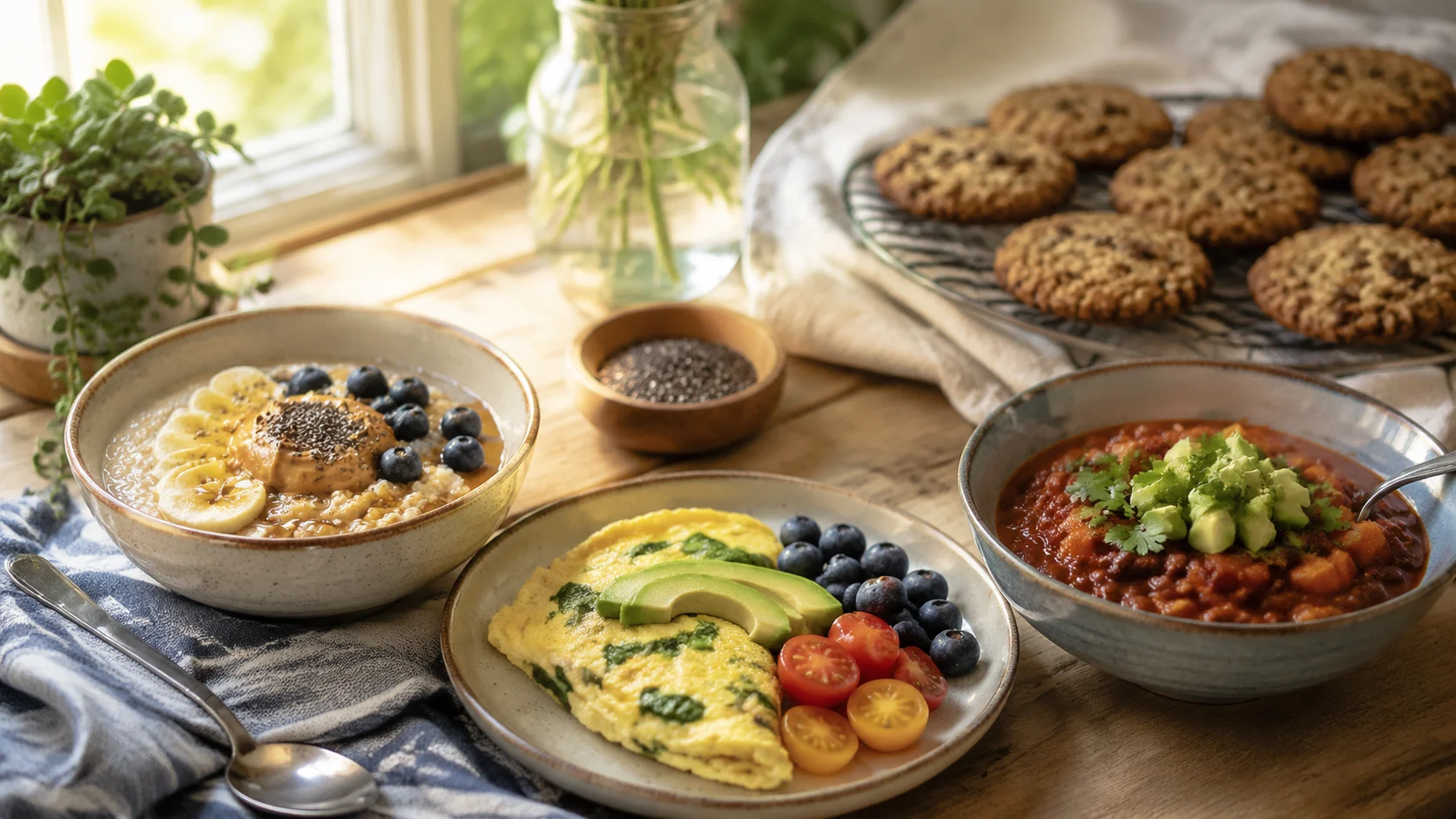
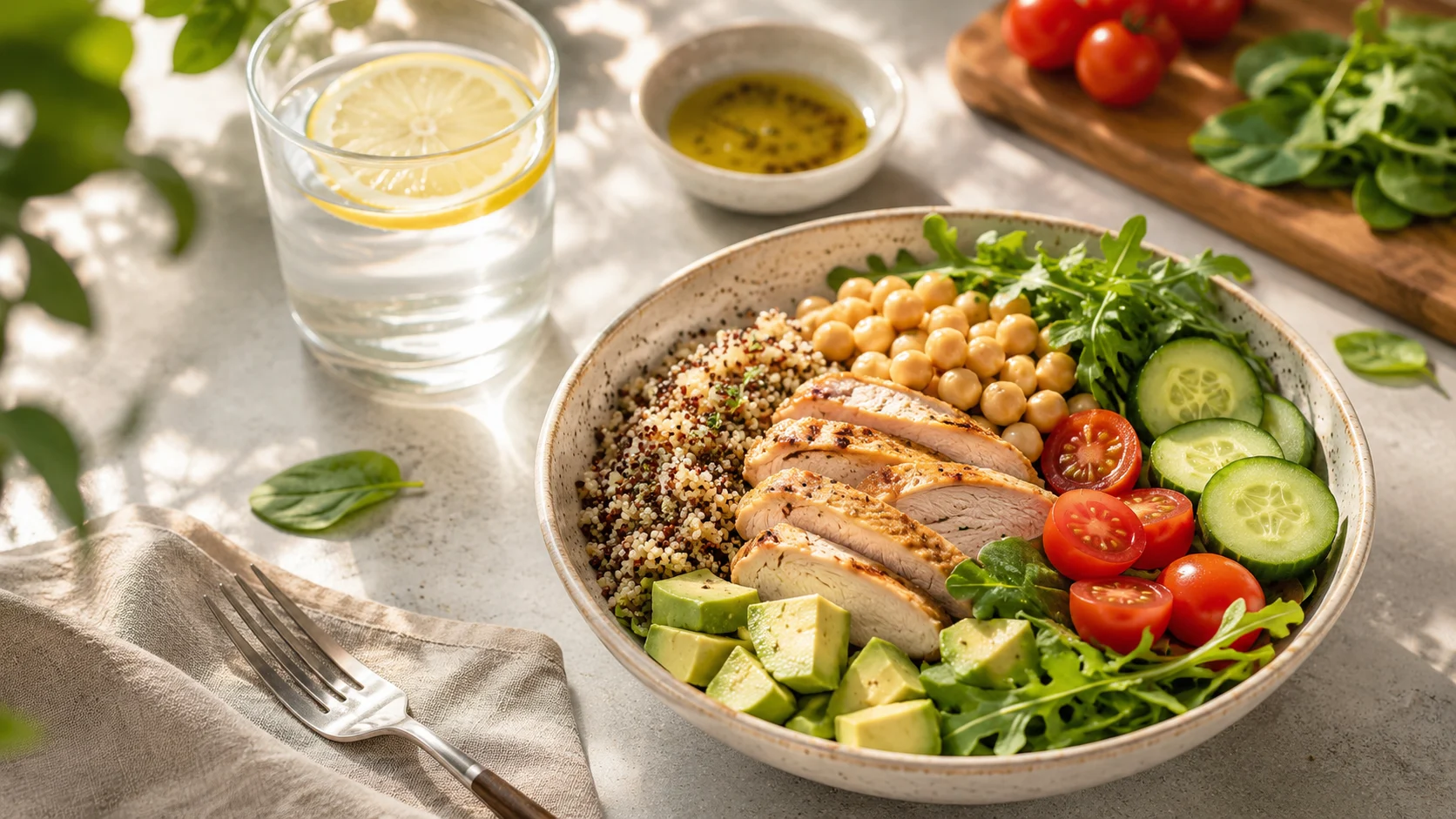
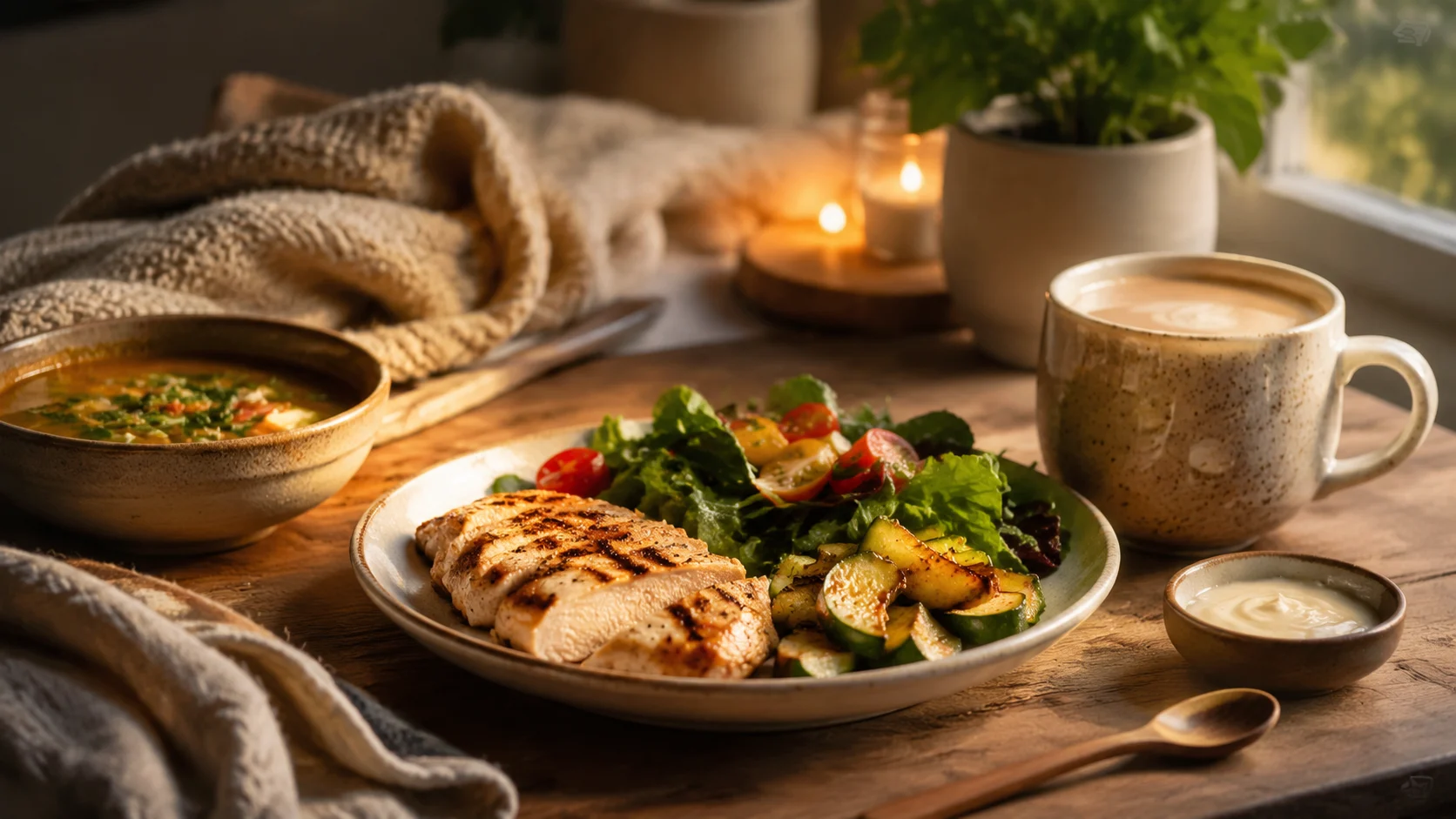
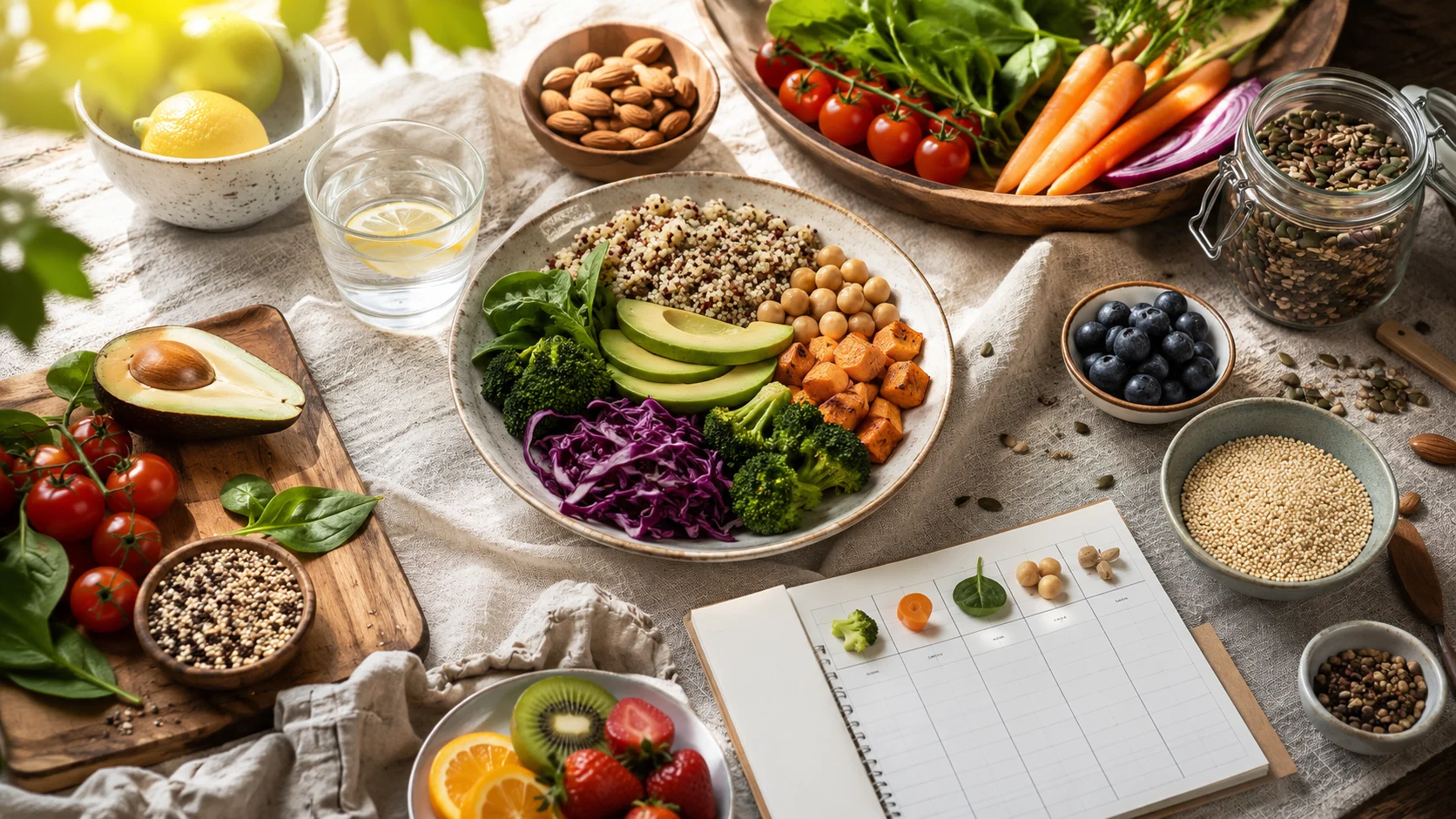
- A steadier lunch — not a sad desk snack, but something grounding, like a grain bowl with roasted vegetables and chicken, or a warm soup with bread and a side of fruit. Afternoon urges often soften when lunch was enough.
- A bridge snack — that quiet little meal between work and dinner can change the whole evening. An apple with peanut butter, or crackers with cheese, can keep a tired brain from spiraling toward urgency.
- A comfort ritual that is not food — soft socks, ten minutes alone in the car, a short walk at dusk, music while the kettle warms. These are not replacements for eating; they are extra doors to comfort.
For someone exploring how to stop eating your feelings, these supports matter because they reduce vulnerability. The nervous system is easier to care for when it is not running on fumes.
A Softer Way Back to Trust
There is no medal for never eating emotionally again. Food has always been part of comfort, celebration, and survival. The gentler aim is to make emotional eating less automatic, less lonely, and less loaded with shame. Over time, a woman may notice that the urge to numb with food becomes easier to name. She might still choose the brownie sometimes, but now she also notices she needed dinner, or rest, or a good cry, or someone to text back.
That is often the quiet heart of how to stop eating your feelings: not perfect control, but a deeper relationship with what the body and heart have been asking for all along.
Please note: Every body has its own rhythm, history, and stress load. This article is for educational purposes and does not replace personalized support from a healthcare professional or mental health provider, especially if eating feels distressing, compulsive, or tied to a history of disordered eating.
You Might Also Wonder
What if she still wants dessert after a balanced dinner?
That can be completely normal. Wanting something sweet does not automatically mean something is wrong. The gentlest approach is to enjoy it with awareness rather than turning it into a moral debate.
Is emotional eating always unhealthy?
No. Sometimes food truly is part of comfort, and that is part of being human. Trouble usually begins when food becomes the only coping tool or is followed by intense shame.
What if stress eating happens mostly at night?
Night eating often reflects the accumulated weight of the whole day: too little food, too little rest, too little emotional space. Looking at the full rhythm of the day can help more than policing the evening alone.
Can restricting favorite foods help reduce cravings?
For many women, restriction does the opposite. When certain foods feel forbidden, they often become louder in the mind. Permission, structure, and regular meals tend to create a steadier relationship with cravings.