
When the Pantry Calls, It May Not Be About Self-Control
Stress cravings often are not a sign that someone is weak or “doing food wrong.” More often, they show up when the body is under pressure, underfed, overstimulated, or simply asking for comfort. When she reaches for something crunchy, sweet, or warm after a hard day, the story is usually deeper than hunger alone.
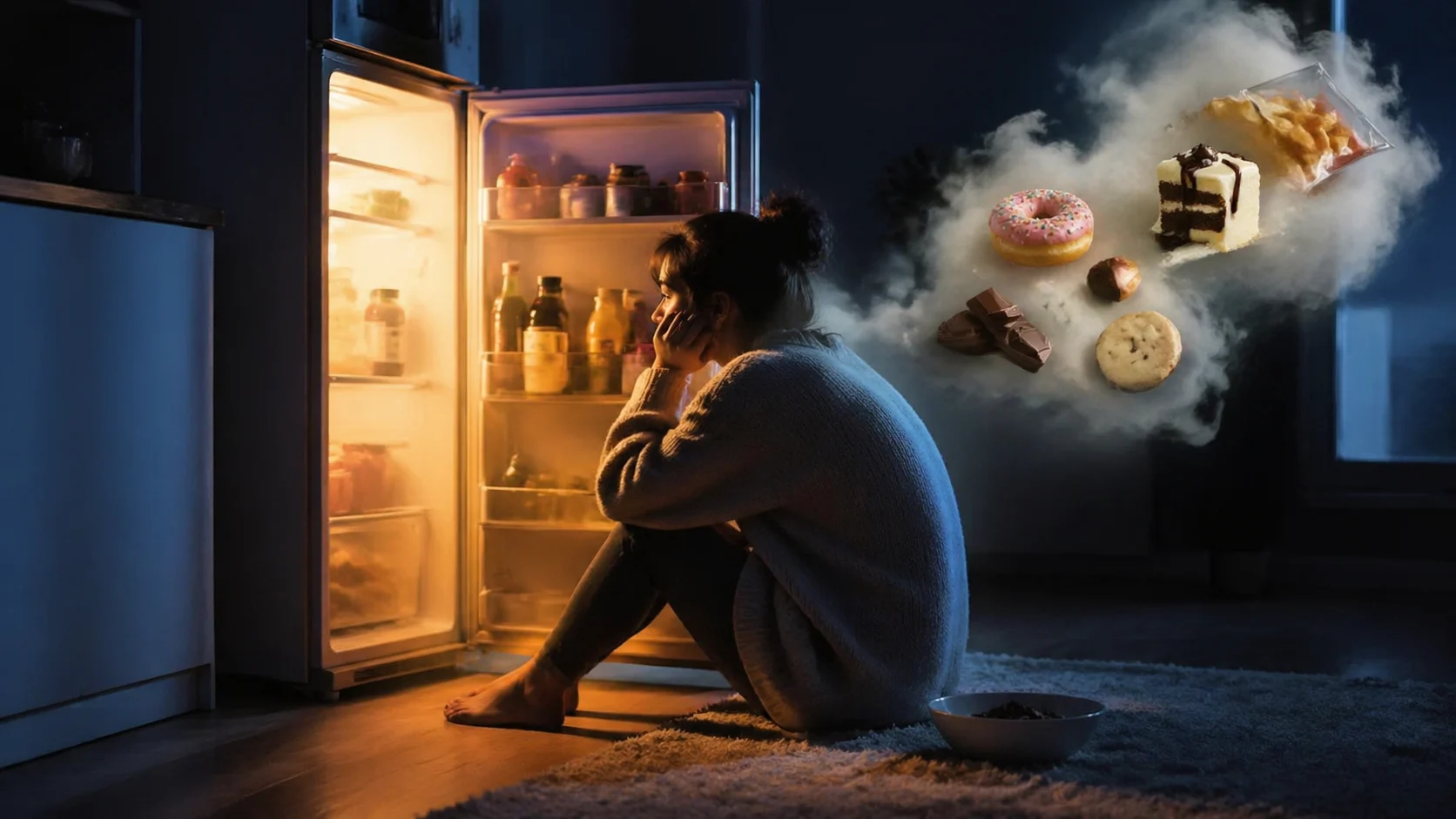
That is the pattern many women know well: a tense afternoon, a long commute, a laptop still glowing at 9 p.m., and suddenly the pull toward snacks feels louder than any good intention. The body does not speak only in logic; it also speaks in cravings.
Stress cravings are not a character flaw. They are often the body’s quickest way of asking for relief.
Stress can shift appetite hormones, energy needs, and emotional bandwidth. Some research has found that chronic stress can influence cortisol, which may increase preference for highly palatable foods rich in sugar and fat. That does not mean anything is broken. It means the nervous system is trying to find ease in the fastest way it knows.
The Hidden Reasons Stress Cravings Feel So Intense
For many women, stress cravings build from several small unmet needs rather than one dramatic cause. A body that has moved through the day on coffee, a rushed lunch, and adrenaline will not ask for kale with poetic restraint. It will often ask for immediate energy and comfort.
Three common forces tend to stack together:
- Not enough food earlier in the day. When breakfast was light or lunch happened at a desk in six distracted minutes, late-day cravings can feel sharp and urgent.
- Emotional overload. Food can become a soft landing place when the mind has been carrying too much for too long.
- Poor sleep and mental fatigue. After a short night, the brain often leans toward quick pleasure and easy energy.
Sometimes stress cravings are less about a single cookie and more about a body that has been asked to keep going without enough support.
The Soft Landing Method: A Gentler Way to Respond
Instead of fighting stress cravings with stricter rules, it can help to use a simple micro-framework: the Soft Landing Method. The idea is to give the body steadiness before shame rushes in.
- Pause for one breath. Not to suppress the craving, but to create a little space. A single breath can interrupt the autopilot spiral.
- Ask what kind of hunger is present. Is it physical, emotional, sensory, or exhaustion asking to be fed? Sometimes it is more than one at once.
- Add support before removing anything. If she wants chocolate, pairing it with something grounding like Greek yogurt, a handful of almonds, or toast with peanut butter can bring more steadiness and satisfaction.
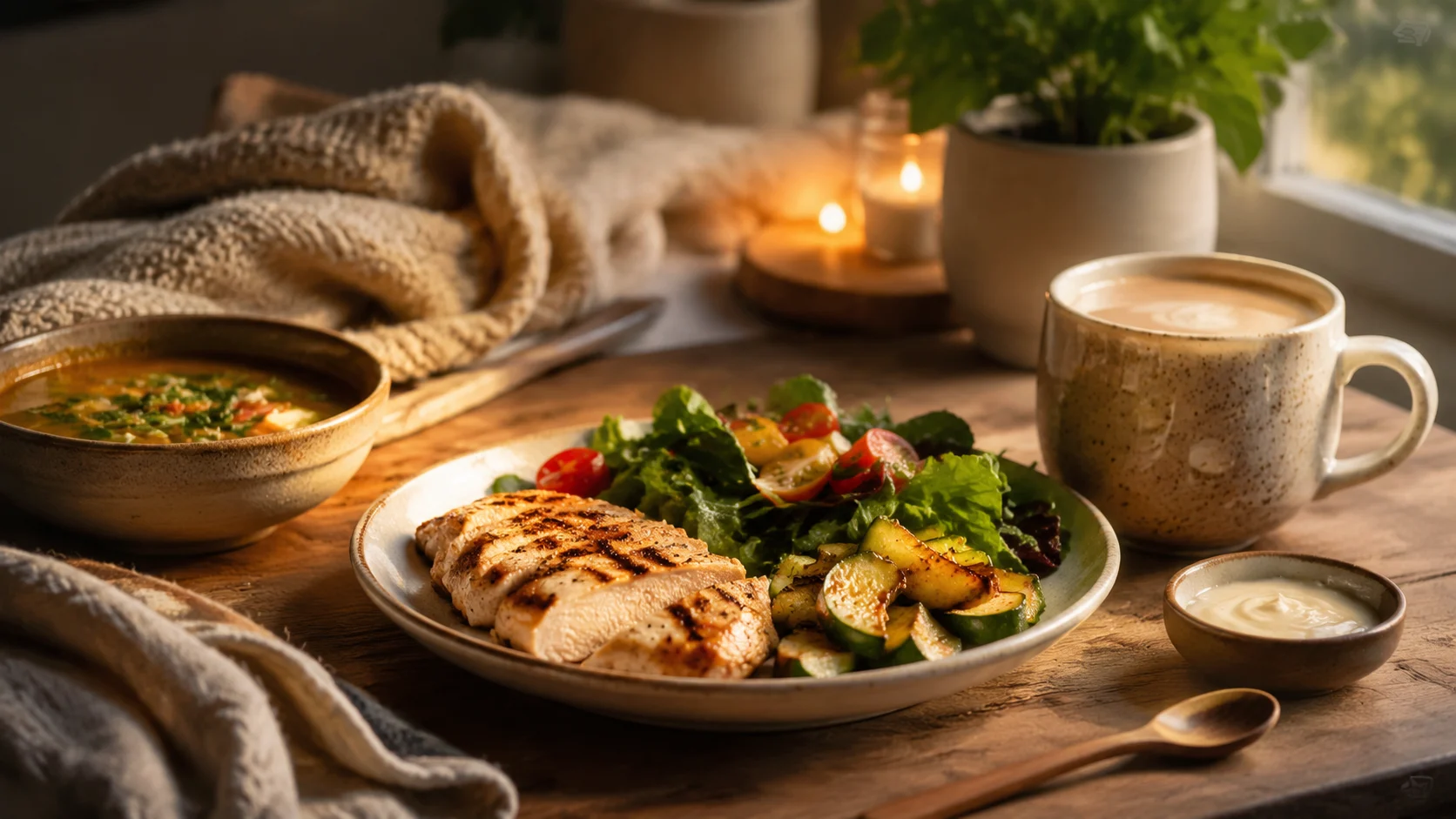
- Lower the temperature of the moment. A mug of tea, five minutes away from screens, or a quieter room can help the nervous system come down enough to hear body signals more clearly.
The goal is not to win against the body. The goal is to make the body feel safe enough to stop shouting.
What Gentle Nourishment Can Look Like in Real Life
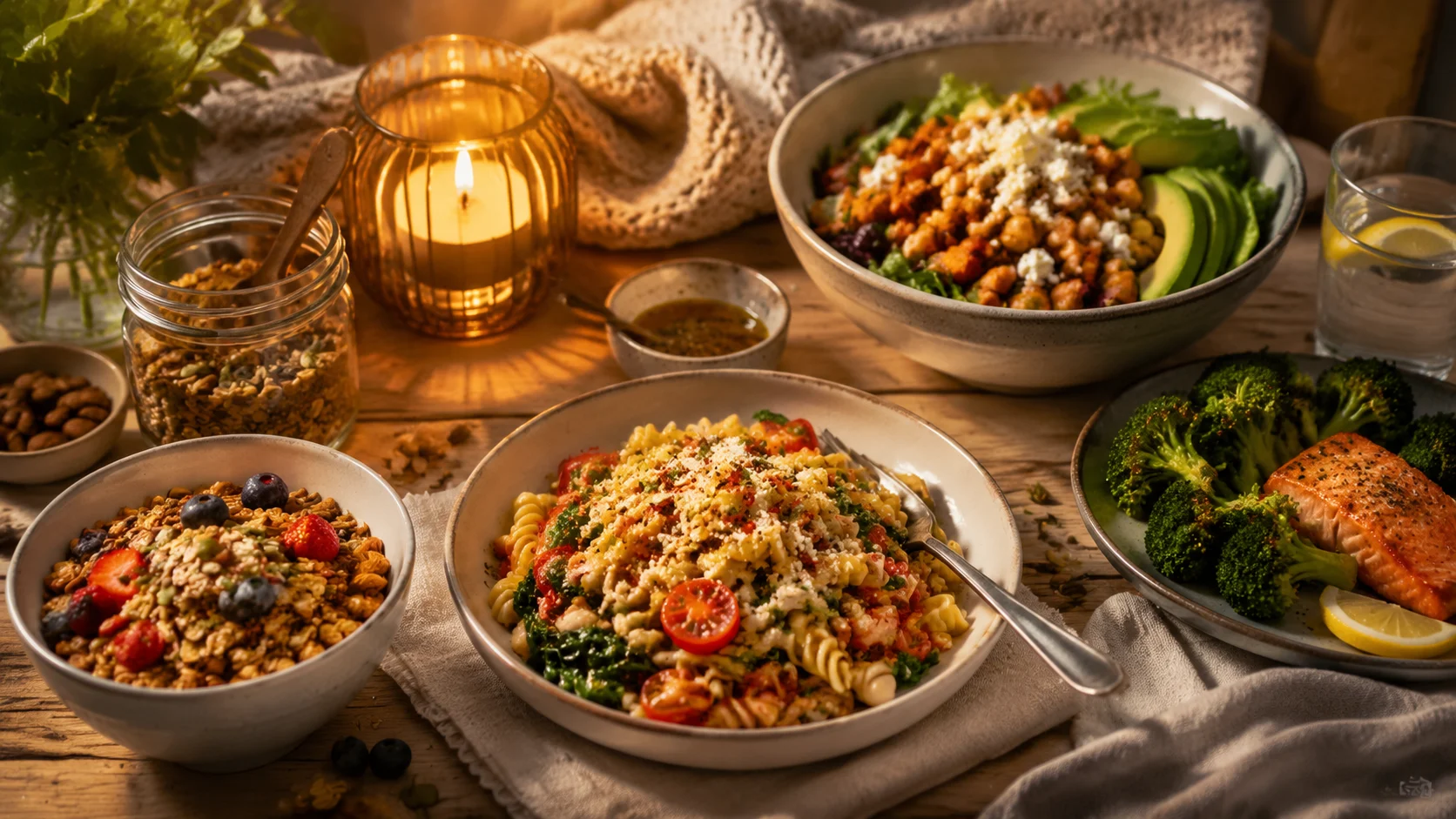
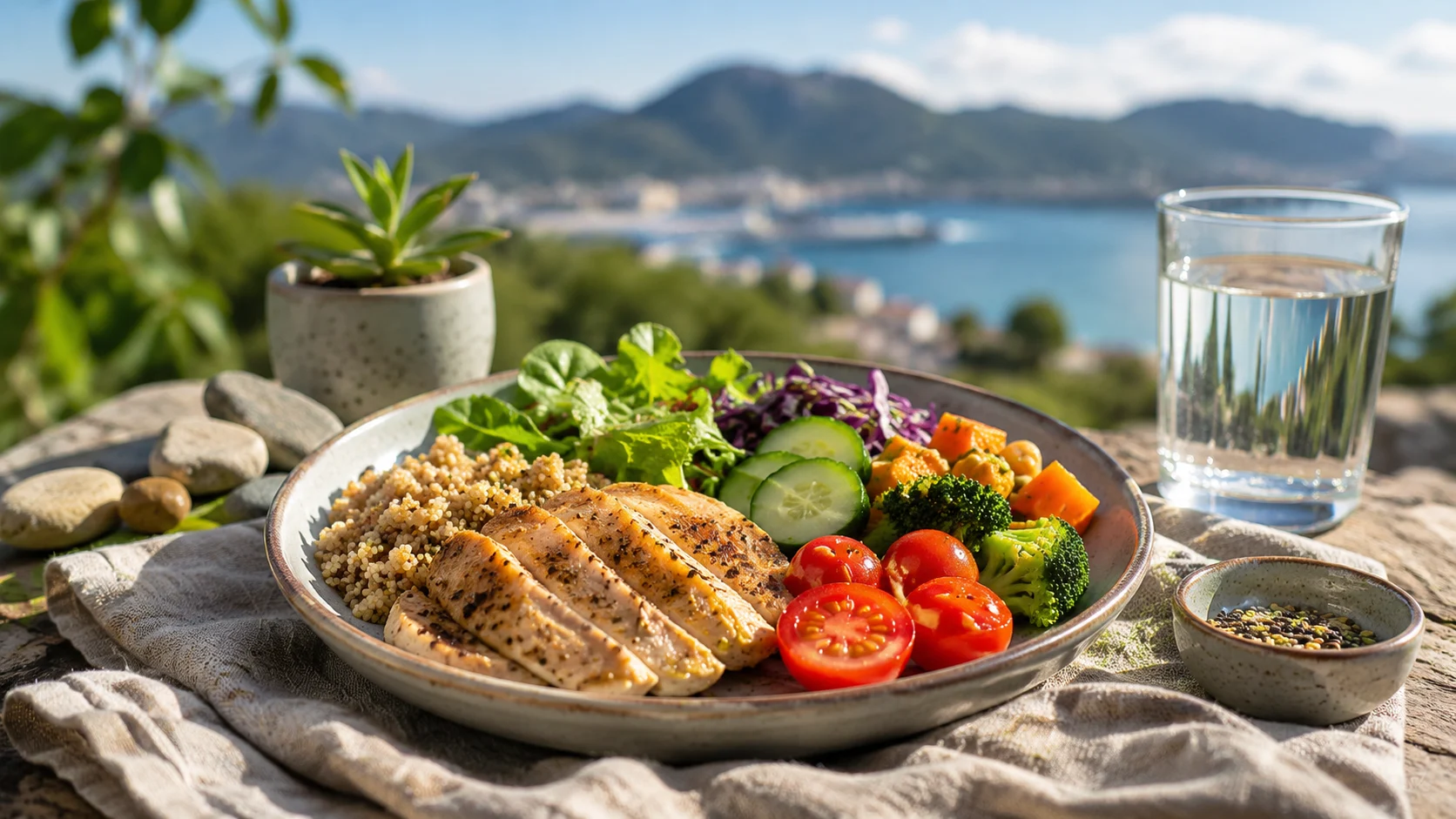
Real-life nutrition rarely looks polished. It may look like standing in a kitchen in socks, spreading almond butter over toast while pasta water simmers. It may look like adding frozen berries to a bowl of warm yogurt because the evening has already asked too much.
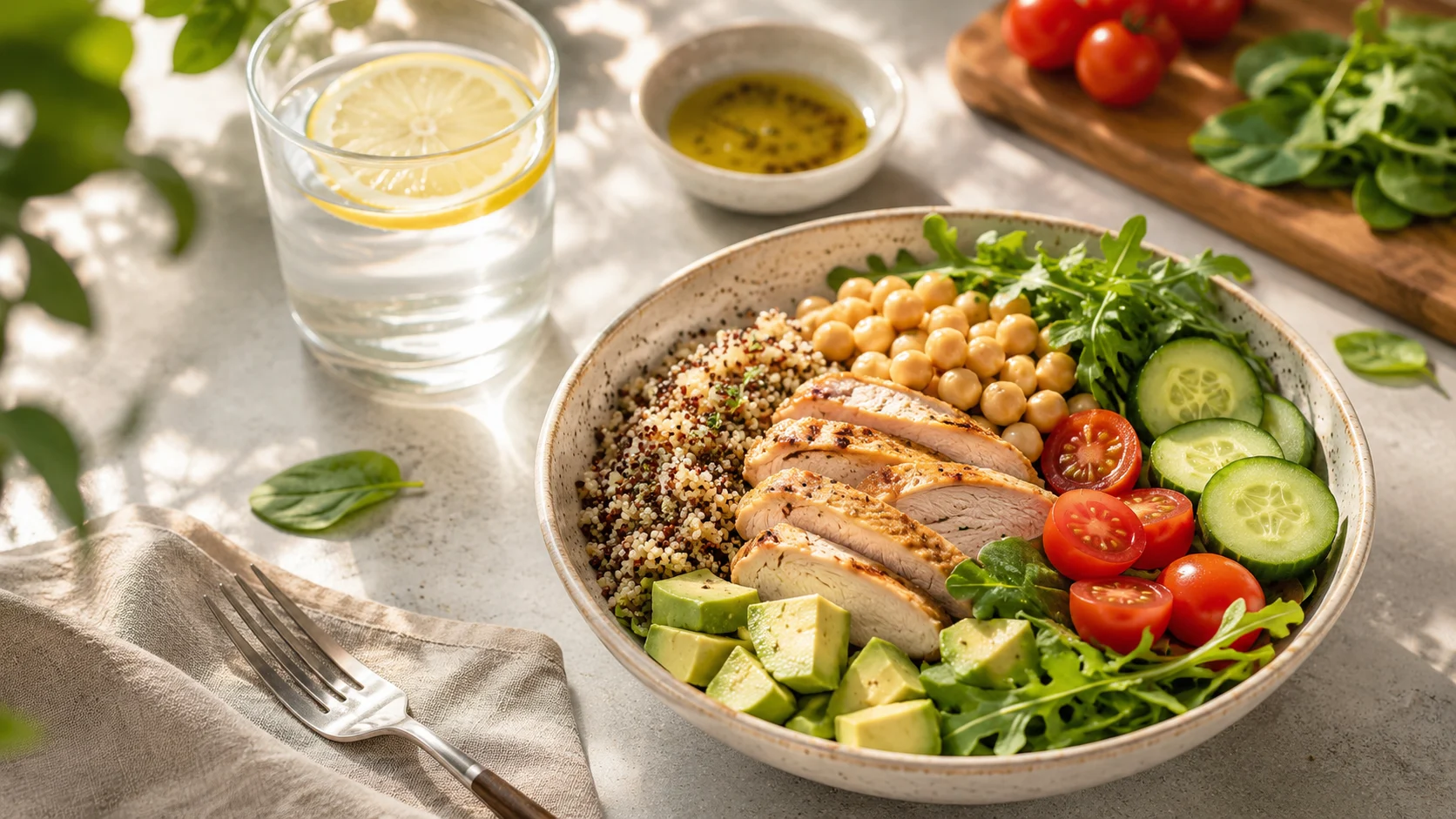
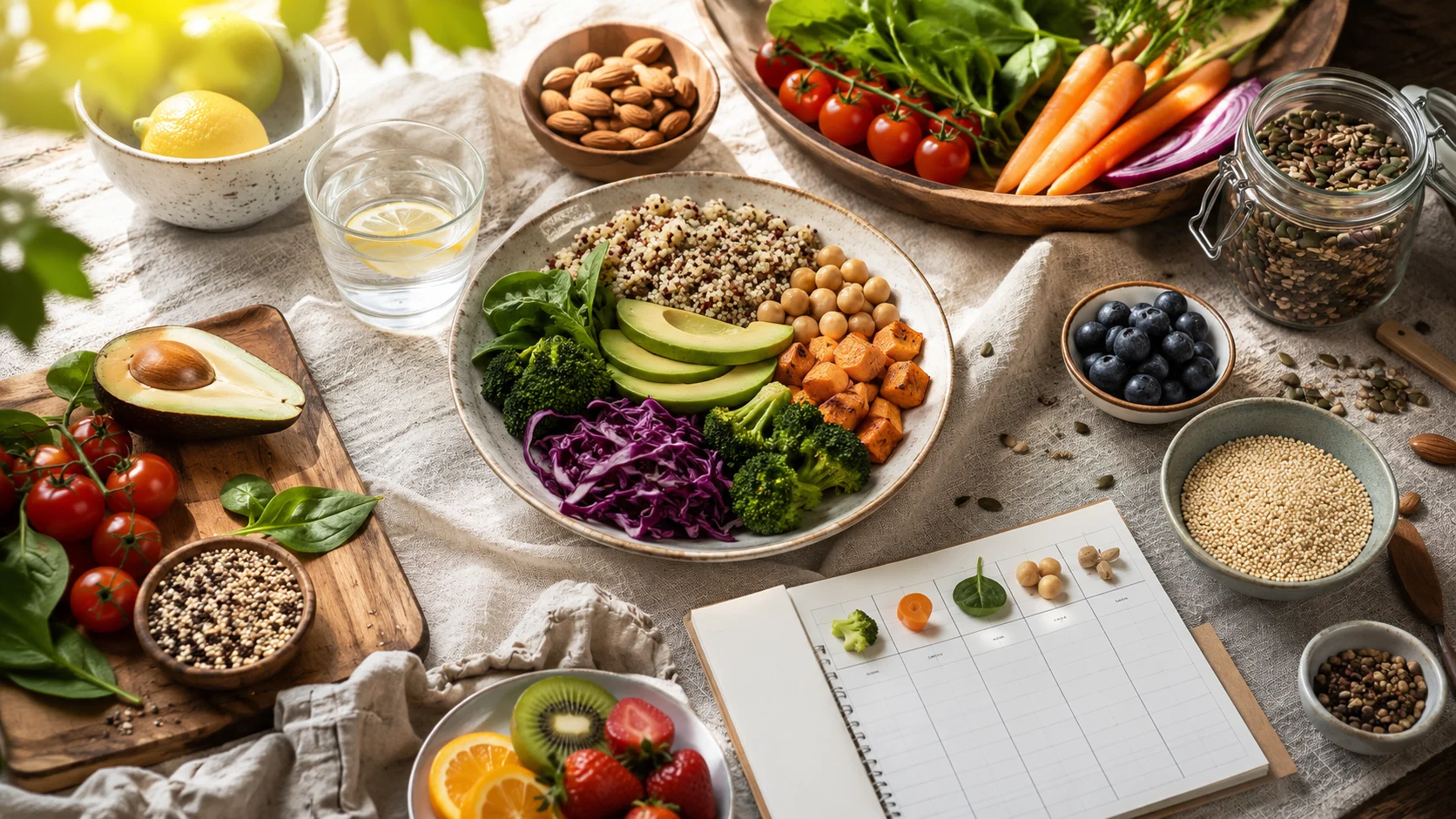
Balanced comfort often helps more than pure restraint. A few examples:
- When something sweet is calling: a square of chocolate alongside sliced apple and a few salted nuts can feel both comforting and steady.
- When crunch sounds perfect: crackers with hummus, or toast with cottage cheese and cucumber, can meet that need without leaving her feeling more scattered.
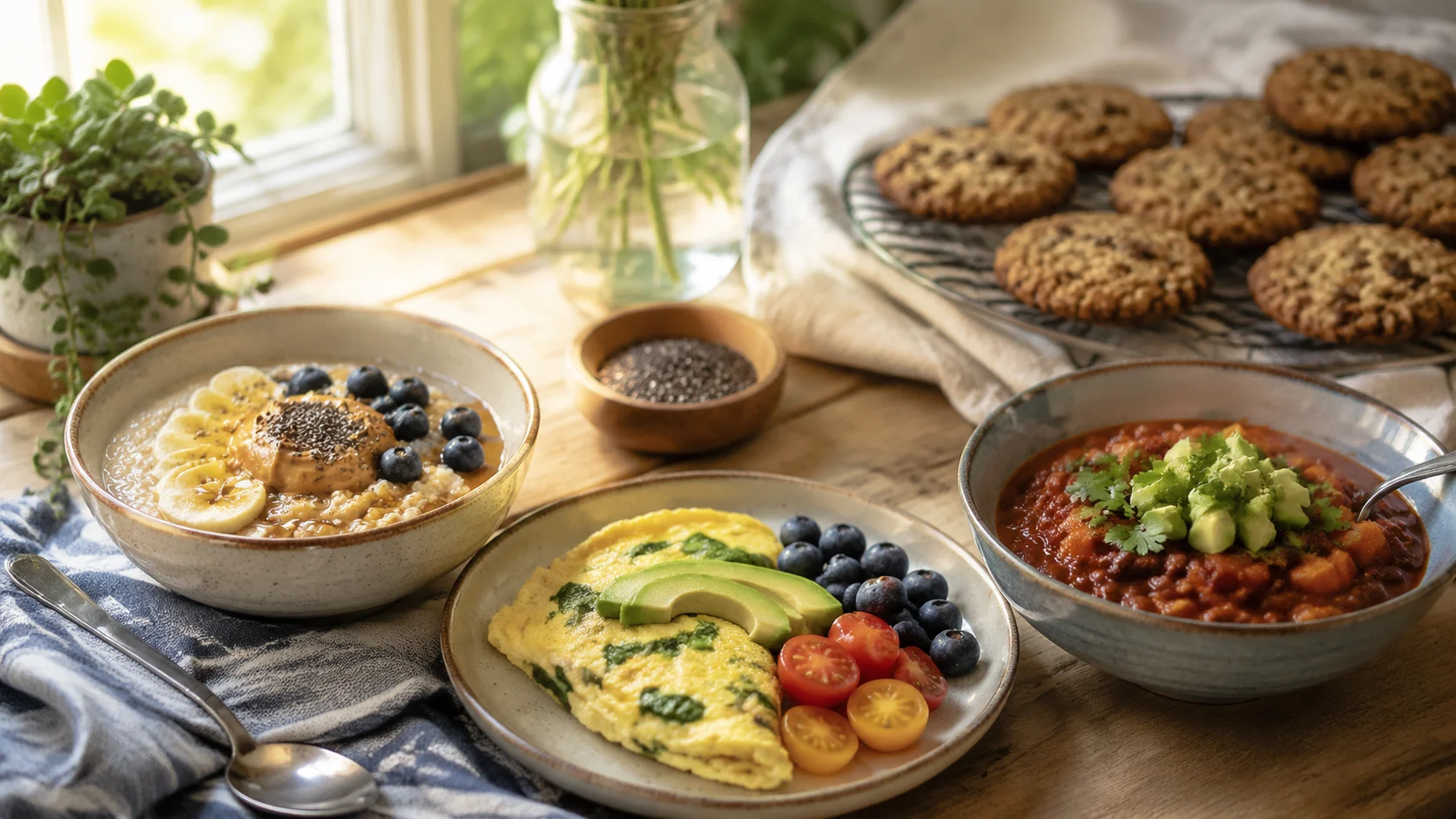
- When only warmth will do: a bowl of oatmeal with cinnamon and crushed walnuts can offer comfort that lingers instead of disappearing in ten minutes.
None of these choices need to be perfect to be supportive. The body often responds well to being nourished consistently, not managed harshly.
Questions That Often Come Up
If stress cravings happen every night, does that mean something is wrong?
Not necessarily. Nighttime is often when unprocessed stress, under-eating, and fatigue finally get loud. Patterns matter, but they are not moral verdicts.
What if she is not physically hungry but still wants food?
That can still be a real need. Emotional hunger, sensory comfort, and the need for decompression are human experiences. It helps to respond with curiosity instead of judgment.
Should she avoid keeping snack foods at home?
For some people, that can intensify stress cravings by making those foods feel more charged. A calmer approach is often to keep satisfying foods available and pair them with grounding structure.
How can she tell the difference between stress cravings and restriction backlash?
If cravings become stronger after a day of strict eating, skipped meals, or food rules, restriction may be part of the picture. The body often pushes back when it senses scarcity.
Will stress cravings go away completely?
Maybe not forever, because stress is part of life. But they often soften when meals are more balanced, sleep improves, and food stops feeling like a battlefield.
Please note: Every body has its own rhythm. This gentle guide is for educational purposes and does not replace personalized advice from a healthcare professional or registered dietitian, especially if cravings feel distressing, compulsive, or tied to a larger health concern.