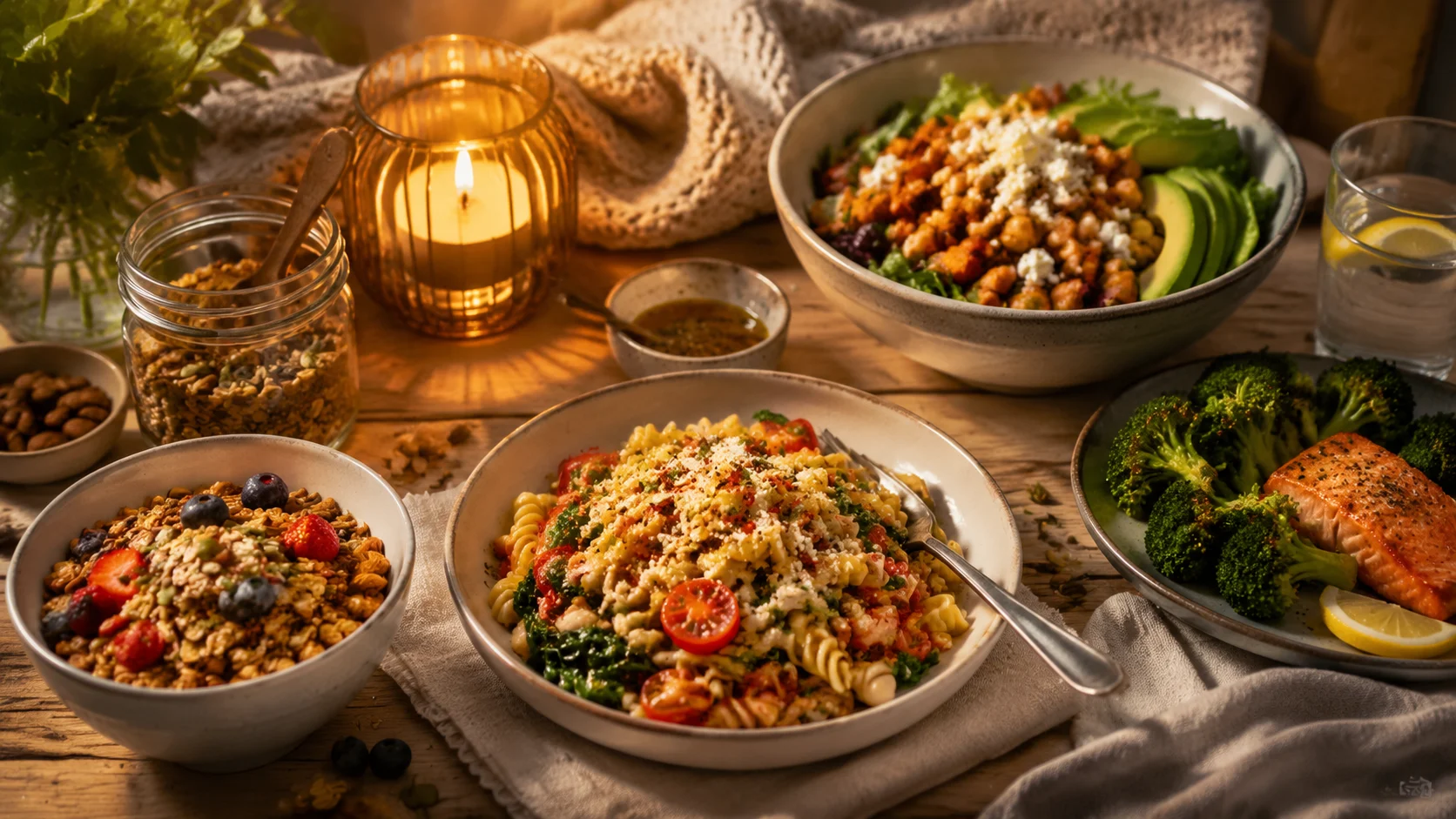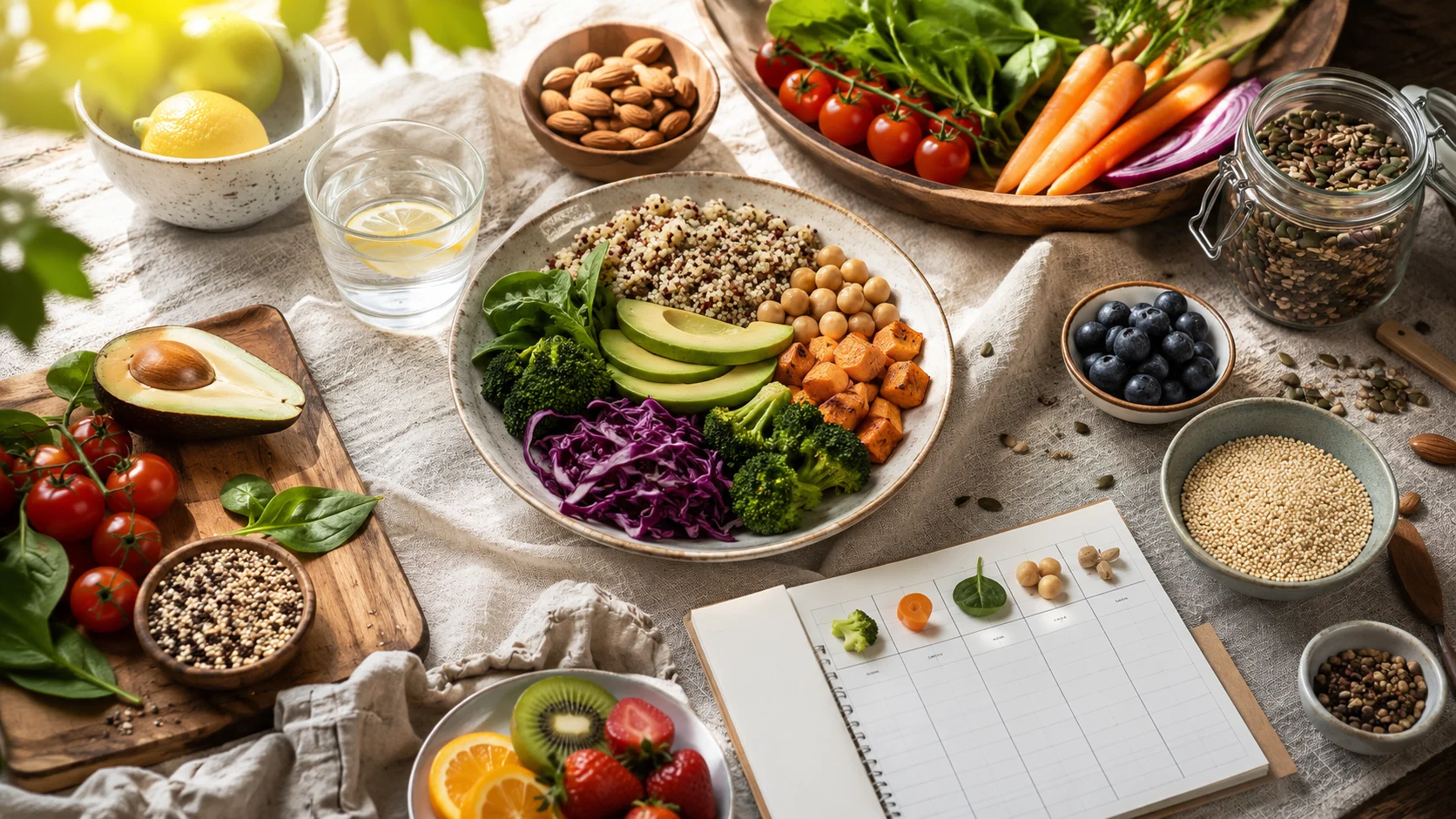

The plate was never meant to be a math problem
Many women have been taught that eating well requires tracking, measuring, and second-guessing every bite. The balanced plate method offers a softer path. Instead of turning meals into a spreadsheet, it helps build a plate with protein, fiber-rich carbs, color, and satisfying fats so energy feels steadier and eating feels more grounded. For the woman standing in her kitchen at 6:40 p.m., already tired before dinner begins, this can feel like a deep exhale.
The real surprise is this: what looks like “lack of discipline” is often just an underbuilt meal earlier in the day. When lunch was all crackers, coffee, or a lonely salad, the body does what bodies do—it asks for more help later.
Body signals are not a character flaw. They are often the quiet language of unmet needs.
That is where the balanced plate method becomes useful. It is not a rulebook. It is more like a gentle visual anchor, something a busy woman can return to when she wants nourishment without food anxiety.
A simple visual rhythm: the Four-Part Plate
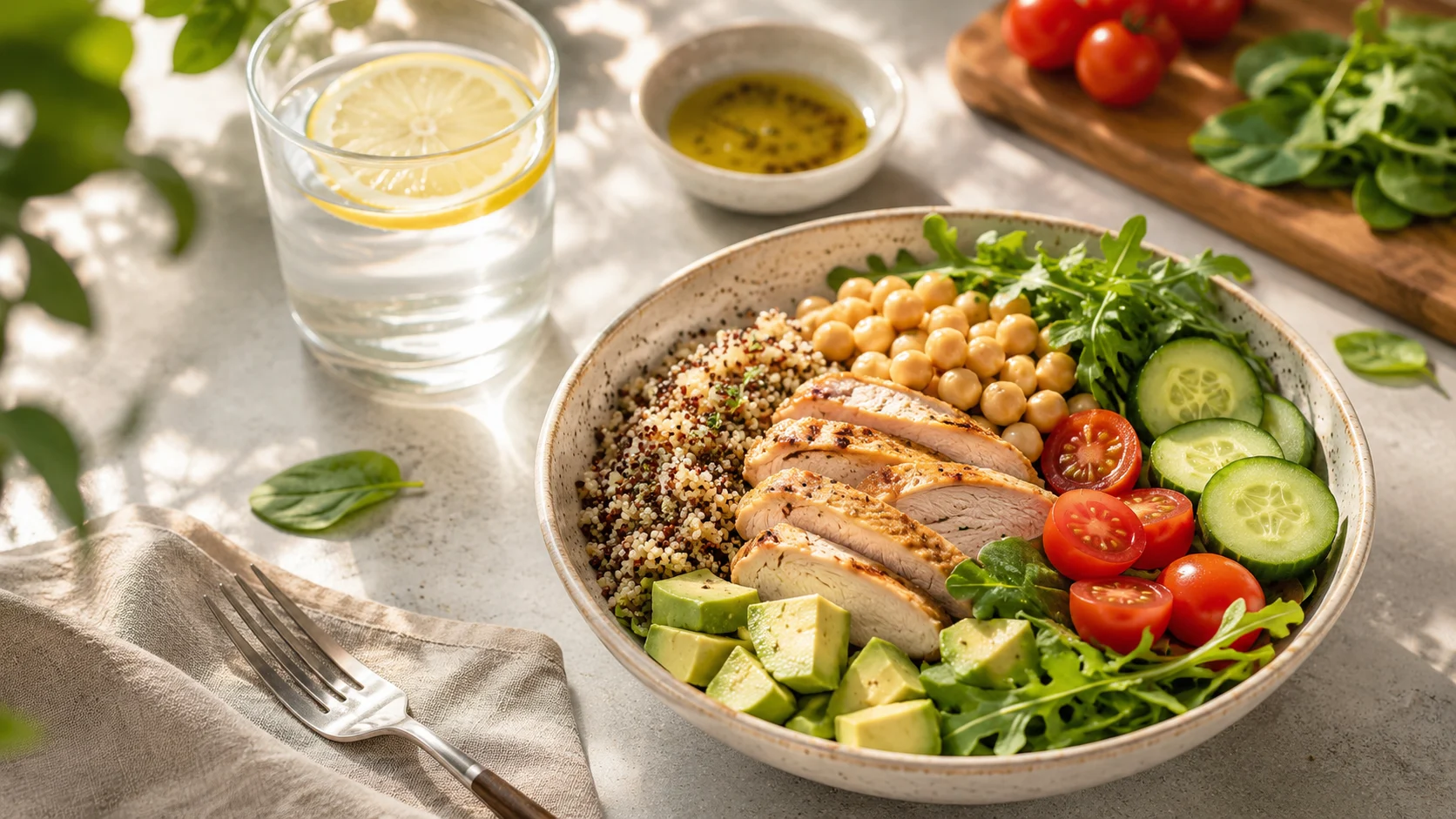
Think of this approach as the Four-Part Plate: not perfection, just a steady rhythm the body can recognize.
- One grounding protein — something that helps a meal last, like eggs folded into soft scrambled toast mornings, Greek yogurt with berries, shredded chicken in a grain bowl, or tofu warmed into a quick stir-fry.
- One steady carb — the part that often gets unfairly blamed, even though it helps support energy. Rice, potatoes, pasta, oats, tortillas, or crusty bread can all belong here, especially when paired rather than feared.
- One generous source of fiber or color — roasted carrots that turn sweet at the edges, cucumber beside a sandwich, a handful of greens stirred into soup, or berries scattered over oatmeal.
- One satisfying fat — avocado, olive oil, cheese, nuts, tahini, or a creamy dressing that makes the meal feel complete instead of medicinal.
The balanced plate method works because it supports both satiety and steadier energy. Research has long observed that meals combining protein, fiber, and fat can slow digestion and help people feel fuller for longer, which may reduce the intense rebound hunger that often shows up later in the day.
What this looks like when life is actually busy
On social media, balanced eating can look polished and expensive. In real life, it often looks like a woman eating leftover rice from the fridge with fried eggs, sliced cucumber, and chili crisp while answering one last email. That still counts.
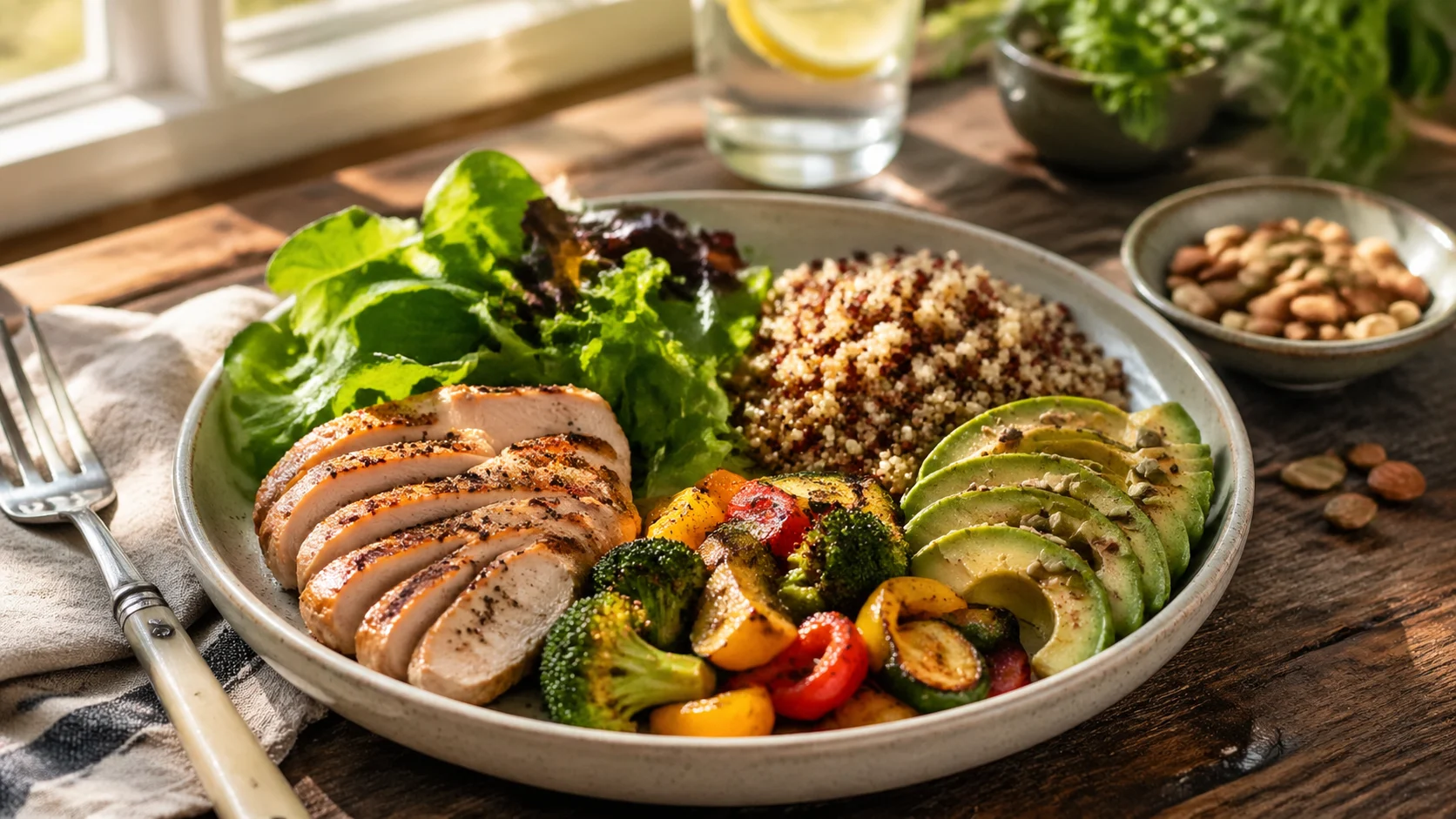
A few examples of the balanced plate method in ordinary life:
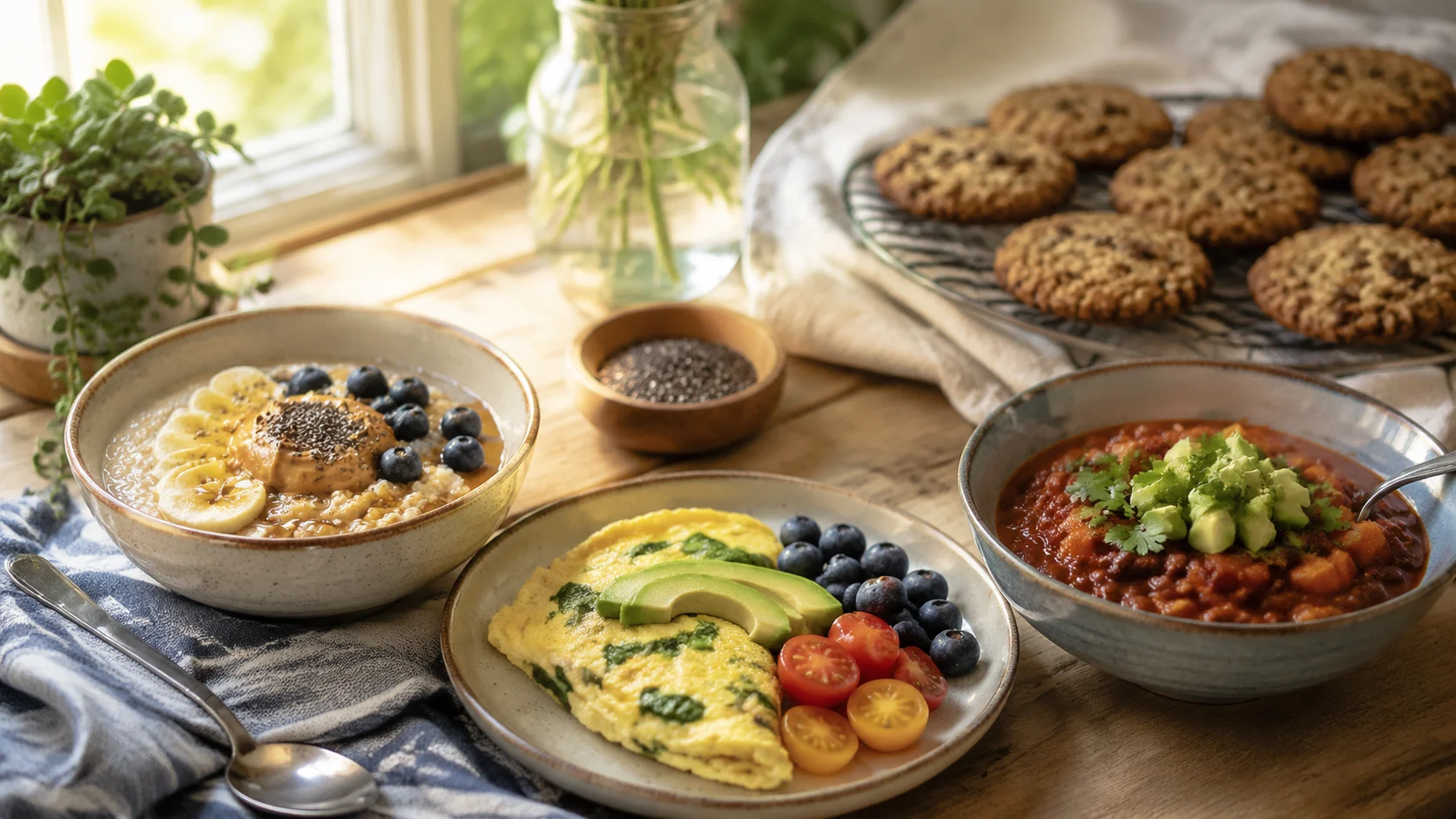
- Breakfast in five minutes — a bowl of warm oatmeal with peanut butter stirred in, banana on top, and a side of yogurt. Soft, fast, and surprisingly steady.
- Desk lunch that does not leave her searching for sweets at 3 p.m. — a turkey sandwich on whole grain bread with apple slices and a handful of nuts.
- Low-energy dinner — frozen dumplings with edamame and sautéed greens, drizzled with sesame oil. Not fancy, still balanced.
- Takeout with more ease — a burrito bowl with rice, beans, chicken, fajita vegetables, guacamole, and salsa, eaten without the old urge to earn or undo it.
A meal does not need to be perfect to be supportive. It only needs enough structure to help the body feel safe.
Why it can help with cravings, guilt, and that late-afternoon crash
When a meal leans too heavily on just one element—only carbs, only vegetables, or something tiny in the name of “being good”—the body often responds with louder cravings later. The balanced plate method can reduce that swing by making meals more complete in the first place.
For the woman who feels ravenous after work, this matters. For the one who keeps wondering why she wants dessert every night, it matters too. Sometimes the longing for something sweet is emotional comfort. Sometimes it is also plain biological catch-up. Both deserve compassion.
There is also a freedom in not labeling foods as good or bad. A balanced plate can include pasta. It can include chocolate after dinner. It can include takeout on a Wednesday night. The point is not rigid control. The point is building meals that support steadier energy, more satisfaction, and less mental noise.
When the plate is uneven, nothing has gone wrong
Some meals will be snacky. Some days will feel chaotic. Some seasons—PMS, stress, poor sleep, grief, caregiving—shift appetite in ways that no neat graphic can capture. The balanced plate method is not there to grade anyone. It is there to offer a return point.
If a plate feels a little off, a gentle question often helps more than self-criticism: What might help this meal support her for another few hours? Maybe it is adding cheese to soup, toast beside eggs, or fruit next to yogurt. Tiny changes can create a very different afternoon.
Please note: Every body has its own rhythm, appetite, and needs. This gentle guide is for educational purposes and does not replace personalized advice from a registered dietitian or healthcare professional, especially if someone is managing a medical condition, blood sugar concerns, or a history of disordered eating.
You Might Also Wonder
What if she still feels hungry after eating a balanced plate?
That does not mean she did anything wrong. Hunger can rise with stress, activity, menstrual cycle changes, or simply needing more food. A balanced plate is a starting place, not a ceiling.
Does the balanced plate method work if she does not cook much?
Yes. Rotisserie chicken, microwave rice, canned beans, bagged salad, frozen vegetables, yogurt cups, and toast can all become part of a supportive meal. Ease matters.
Can the balanced plate method include comfort food?
Absolutely. Mac and cheese can sit beside broccoli and chicken sausage. Pancakes can be paired with eggs and fruit. Comfort and nourishment are allowed to share the same table.
What if mornings are too rushed for a full meal?
Even a small combination helps: a latte with an egg sandwich, or yogurt with granola and berries. The body often responds well to being gently remembered early in the day.