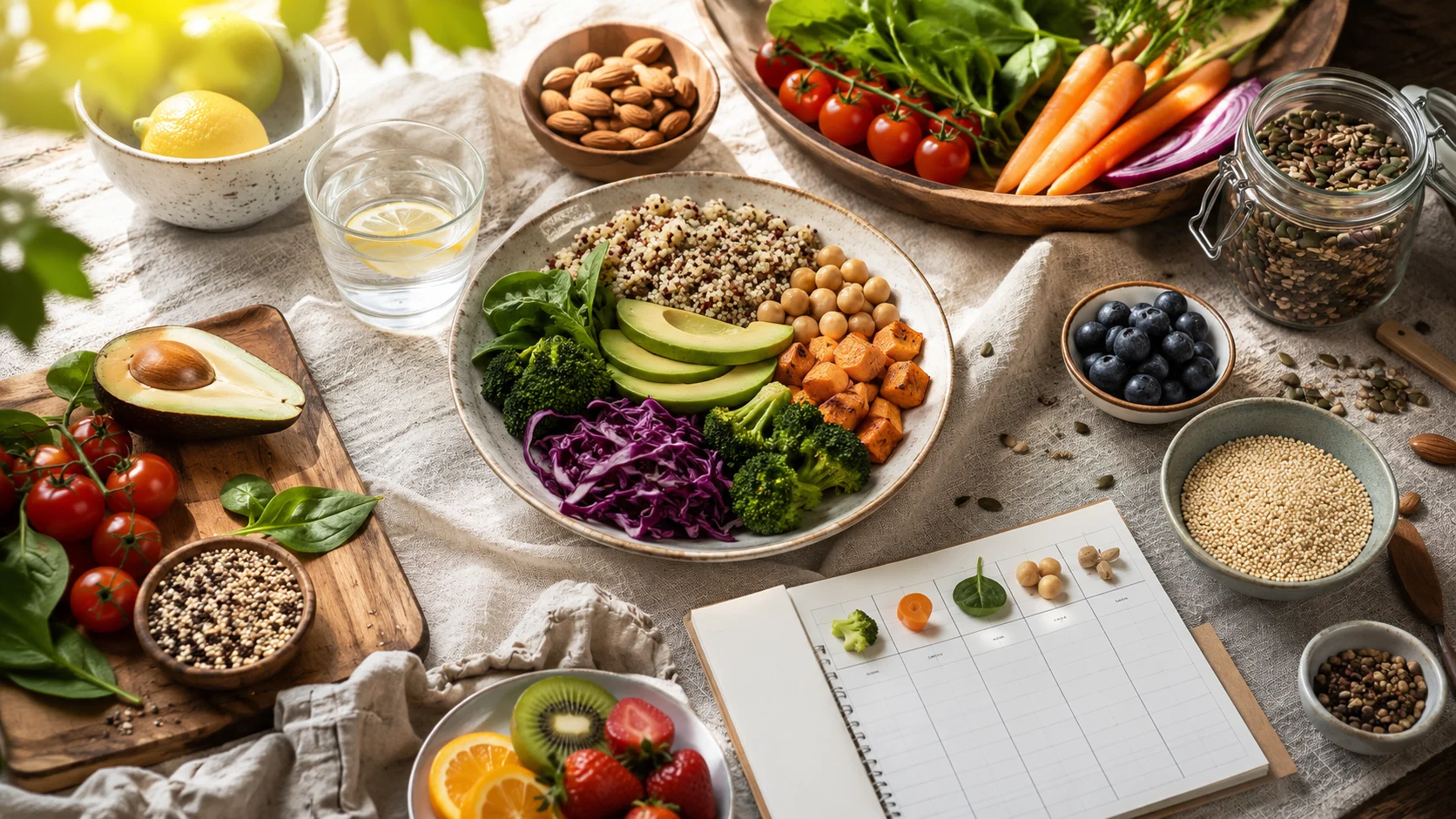

When the Problem Isn’t Food at All
How to heal your relationship with food often begins with an uncomfortable truth: the struggle is usually not about being “bad” at eating. More often, it is about stress, restriction, disconnection from body signals, and years of trying to be “good” around food. For many women, healing starts not with more control, but with more understanding. The moment she stops treating meals like a test, food can begin to feel less charged and more ordinary again.
That idea can feel almost backwards in a culture obsessed with discipline. Yet repeated restriction often makes food louder, not quieter. A review published in American Psychologist found that chronic dieting is linked with increased food preoccupation and cycles of overeating in many people. In other words, the body is not being dramatic. It is trying to protect her.
Body trust is not built by winning a fight against hunger. It is built by listening closely enough that the fight becomes unnecessary.
For the woman standing in her kitchen at 9 p.m., eating crackers straight from the box and wondering what is wrong with her, this shift matters. The question is not “Why can’t she control herself?” but “What has her body been asking for all day?”
The Quiet Repair Method: Three Gentle Places to Begin
If she wants to learn how to heal your relationship with food, it helps to think of it as a slow repair rather than a dramatic reset. One helpful micro-framework is the Quiet Repair Method: Regularity, Permission, and Noticing.
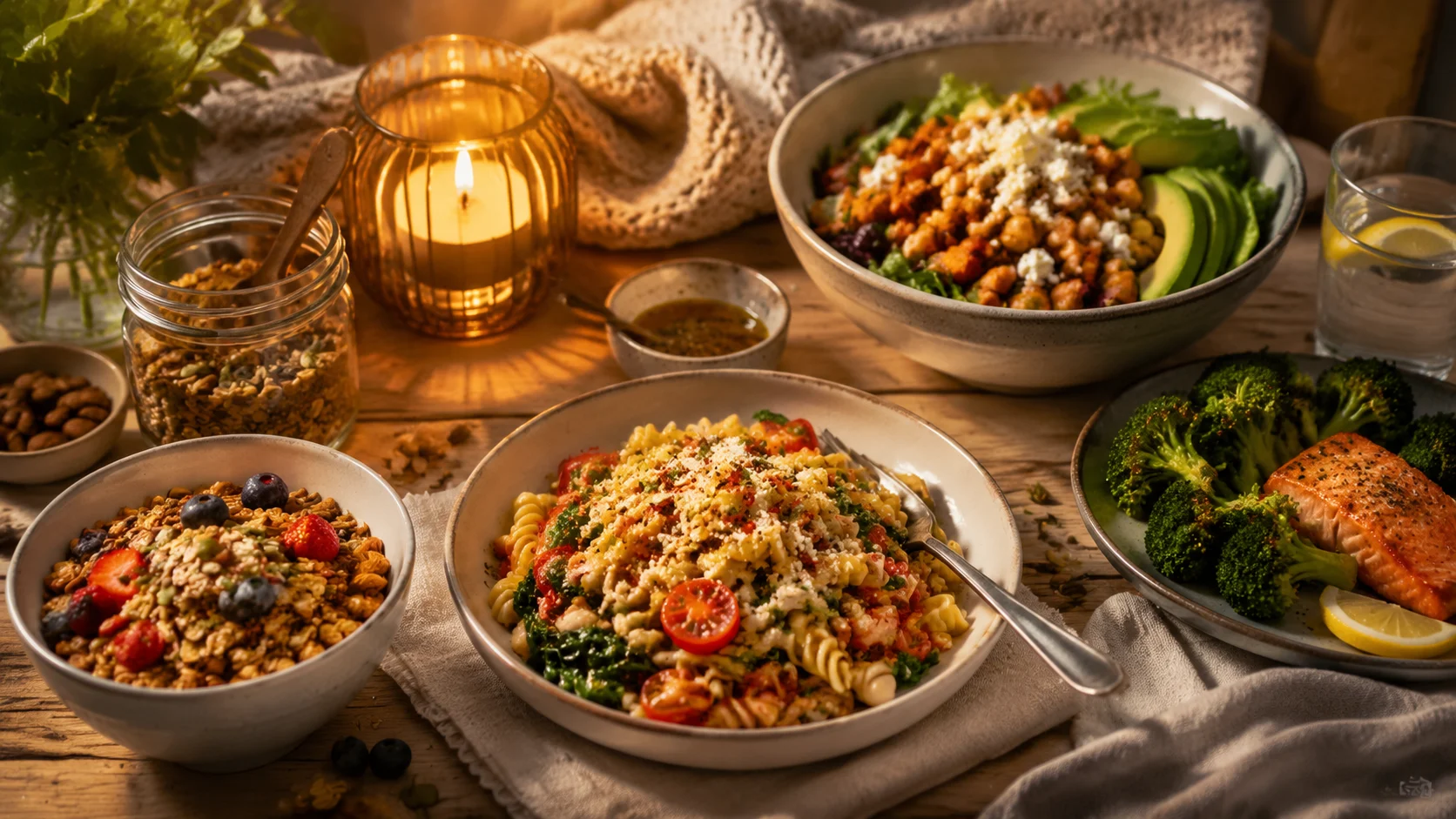
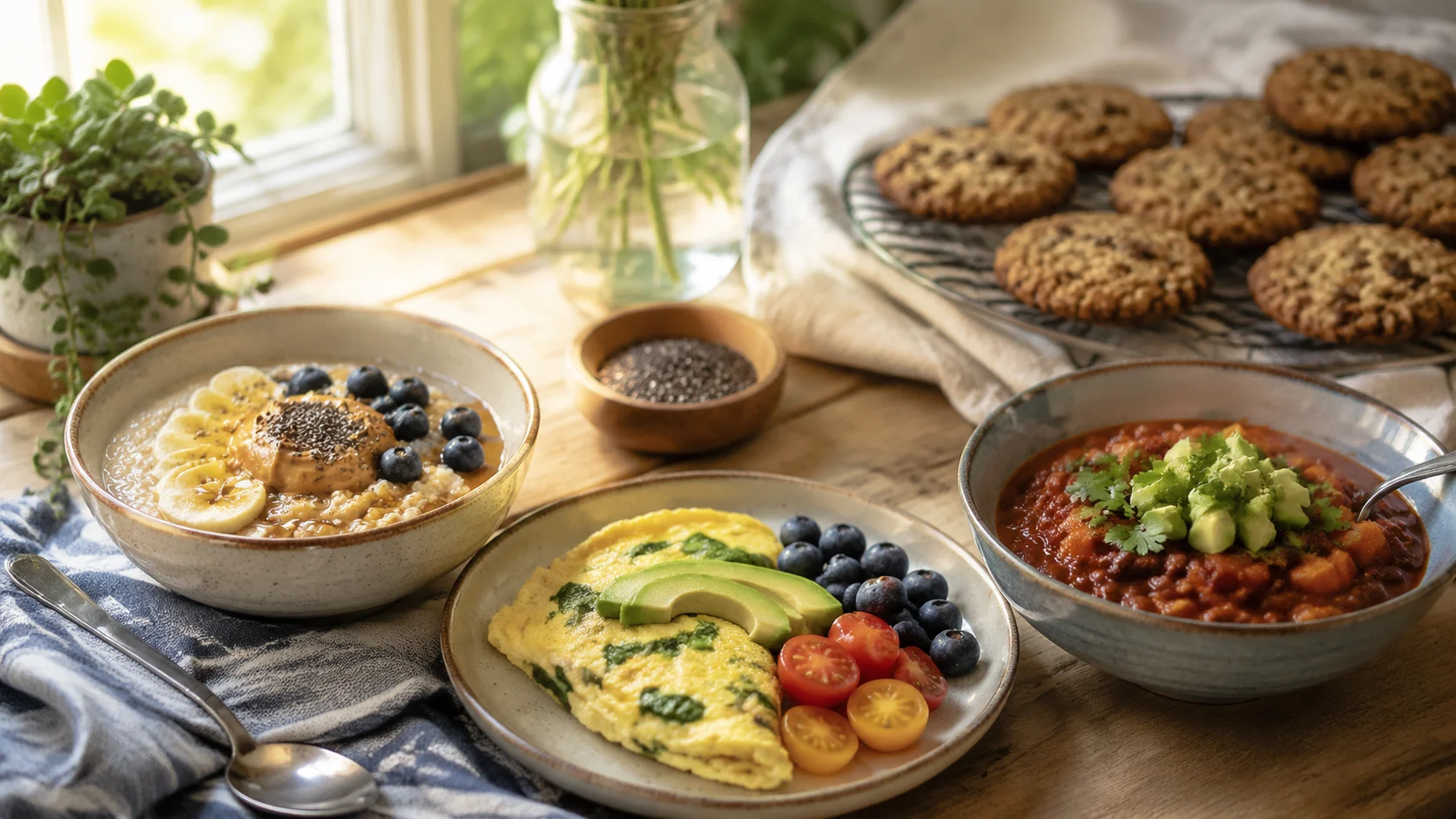
- Regularity — Eating consistently can soften the urgency around food. This may look like a real breakfast instead of coffee alone, or a steady afternoon snack before that desperate late-night search for something sweet. A bowl of warm oatmeal with crushed walnuts and berries can do more emotional repair than another skipped meal ever will.
- Permission — Food loses some of its power when it is no longer forbidden. When dessert is allowed, it often stops feeling like a last chance. Permission does not mean chaos; it means removing the drama that makes one cookie feel like a moral event.
- Noticing — Gentle awareness matters more than food policing. She might notice that salty foods call louder after a hard meeting, or that cravings sharpen when lunch was light and rushed. This is not failure. It is information.
How to heal your relationship with food becomes less mysterious when meals are no longer random acts of compensation, but small acts of support repeated often enough to feel safe.
What Food Freedom Looks Like on an Ordinary Tuesday
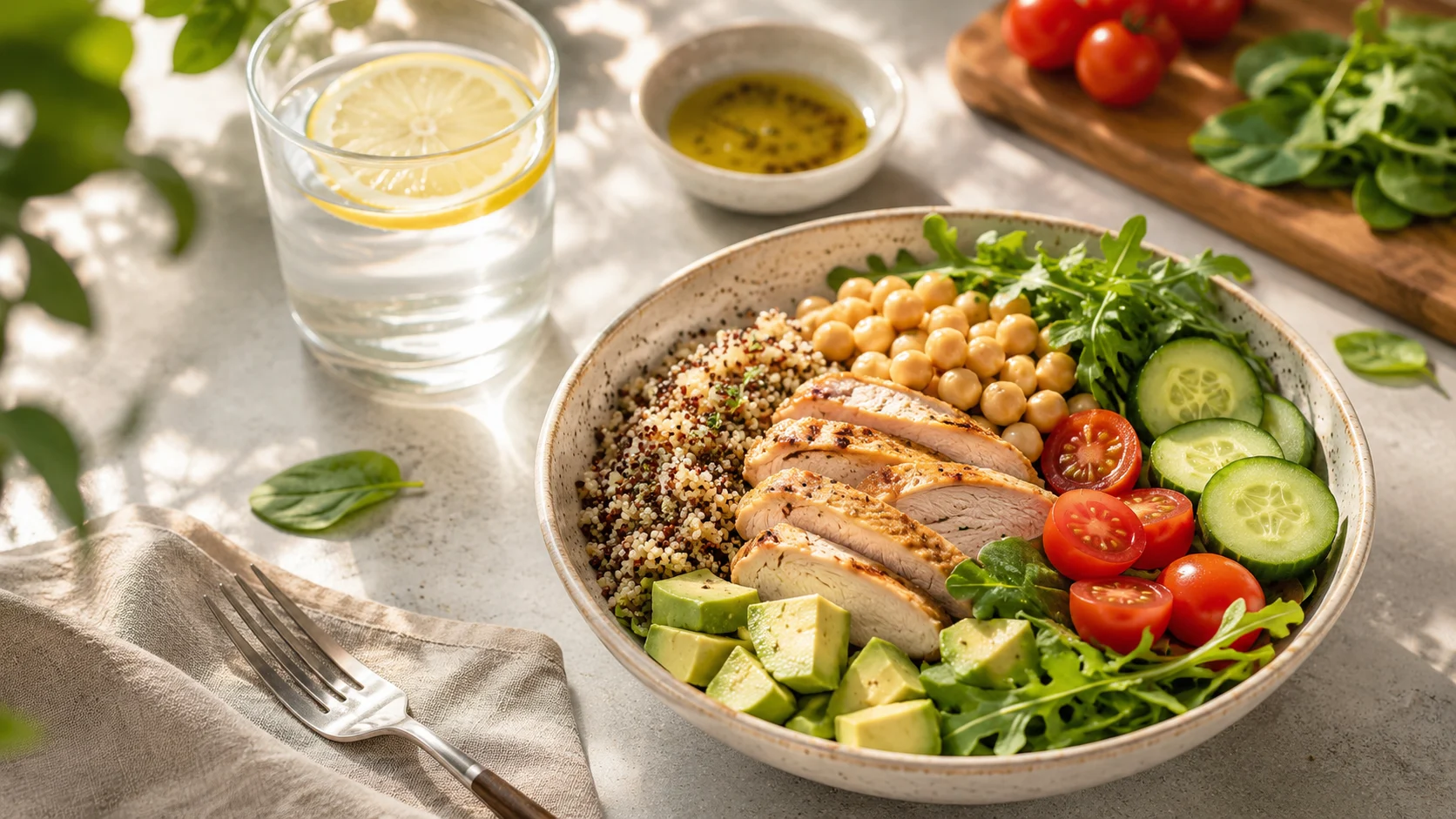
Healing rarely looks cinematic. It looks like the woman who used to label foods as “good” or “bad” pausing long enough to build a more balanced plate. It looks like adding, not just removing: a piece of toast beside eggs, olive oil on roasted vegetables, a handful of pistachios in the car before school pickup.
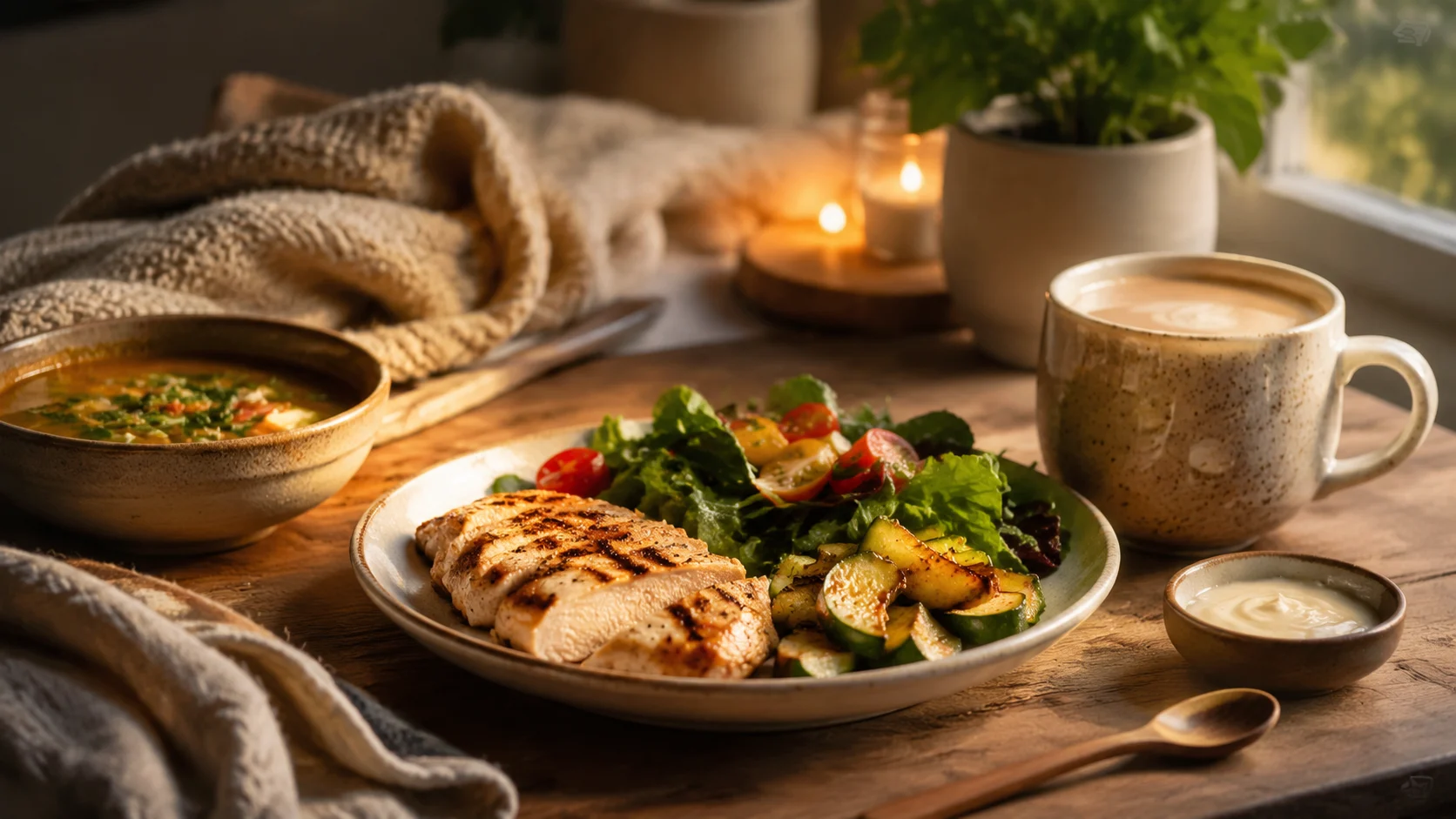
It also looks like letting comfort count. Sometimes how to heal your relationship with food means understanding that nourishment is not only physical. A soft grilled cheese with tomato soup on a draining evening may support her more deeply than a joyless meal chosen only because it seemed “healthier.”
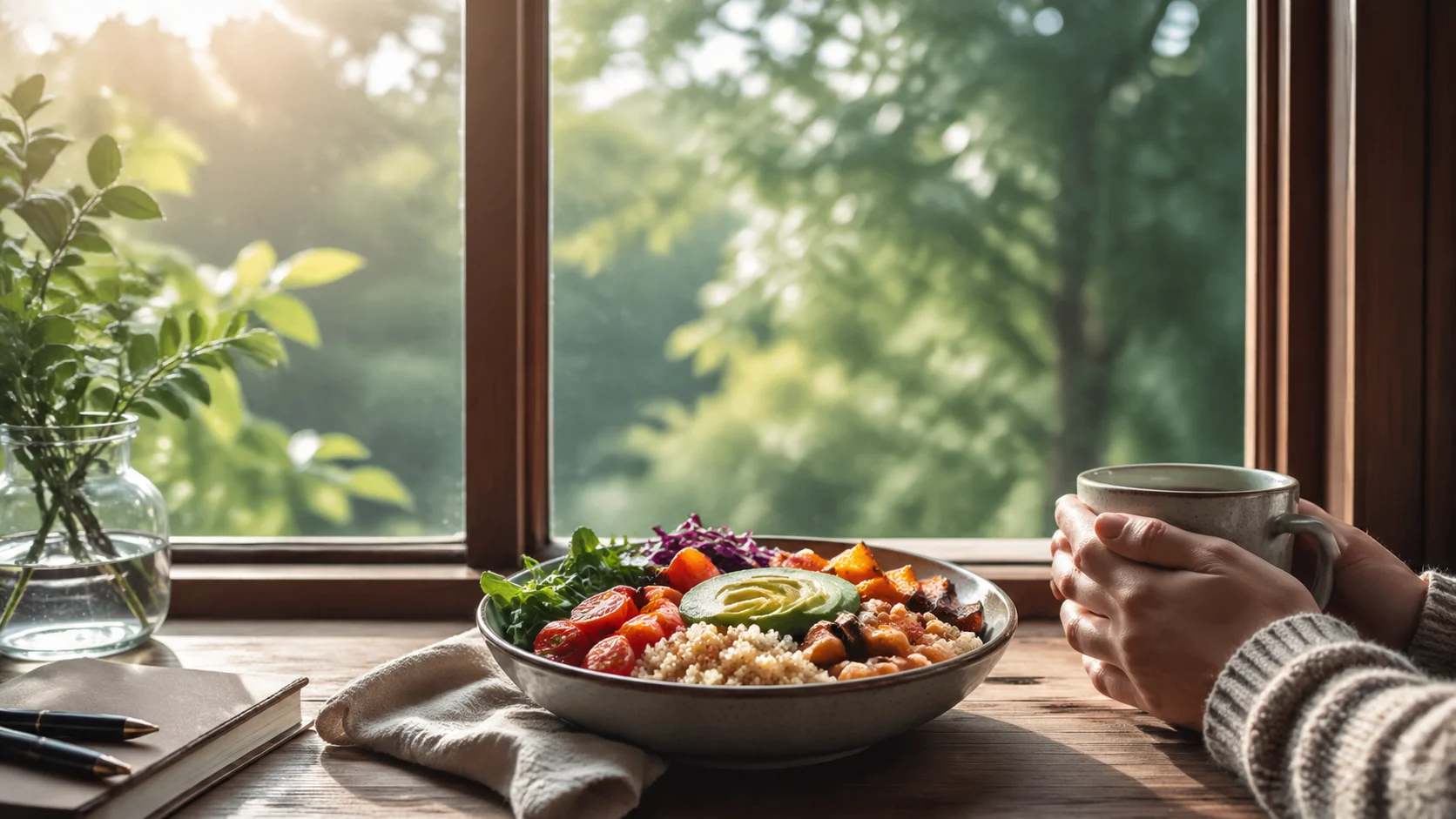
Food feels loudest when the body has been ignored for too long; gentleness is often what turns the volume down.
This is where many women begin to feel a subtle but important shift: food freedom is not eating without care, but eating without fear.
The Hidden Signals Beneath Cravings
Cravings are often treated like enemies, but they can be messengers. A sudden pull toward sweets in the afternoon may reflect low energy, an underfed lunch, poor sleep, or simply a need for comfort after holding too much all day. For some women, hormone shifts before a period can also make hunger and cravings feel more intense. That does not mean the body is broken. It means the body has seasons.
Anyone exploring how to heal your relationship with food may need to get curious about the moments that feel hardest:
- After restriction — the body often seeks quick energy fast, which can make eating feel urgent.
- During stress — food may become a brief landing place when the nervous system feels overloaded.
- In loneliness or fatigue — eating can become a form of comfort, rhythm, or pause.
None of these experiences make her weak. They make her human.
A Softer Way Forward, One Meal at a Time
Learning how to heal your relationship with food does not require perfect intuition overnight. It often begins with a few steadier meals, a little less judgment, and a willingness to stop turning every craving into a character verdict. She does not need to earn breakfast, compensate for dessert, or prove that she is disciplined enough to deserve ease.
She may simply begin here: eat a bit earlier, add something satisfying, sit down when possible, and ask what would feel supportive rather than what would be most impressive. These quiet choices, repeated over time, can rebuild trust in ways rules never could.
Please note: Every body has its own rhythm, history, and needs. This gentle guide is for educational purposes and does not replace personalized advice from a registered dietitian, physician, or mental health professional—especially if eating feels distressing, compulsive, or medically complicated.
You Might Also Wonder
What if I know I’m not physically hungry, but I still want to eat at night?
That can happen when the day has offered very little rest, pleasure, or enough food. Night eating is not always about hunger alone. Sometimes it is the first moment she can finally feel what she needs.
Can I heal my relationship with food without giving up nutrition goals?
Yes. Gentle nutrition and food freedom can live together. The goal is not to stop caring about nourishment, but to care without fear, shame, or harsh rules.
How long does it take to feel more normal around food?
It varies. For someone with a long history of dieting, healing may feel gradual. Often the earliest signs are small: fewer food obsessions, less urgency around treats, and a little more calm at mealtimes.
What should I do after overeating?
The kindest next step is usually not compensation. A steadier response is to return to regular meals, drink some water, and get curious about what led there—undereating, stress, loneliness, or exhaustion.