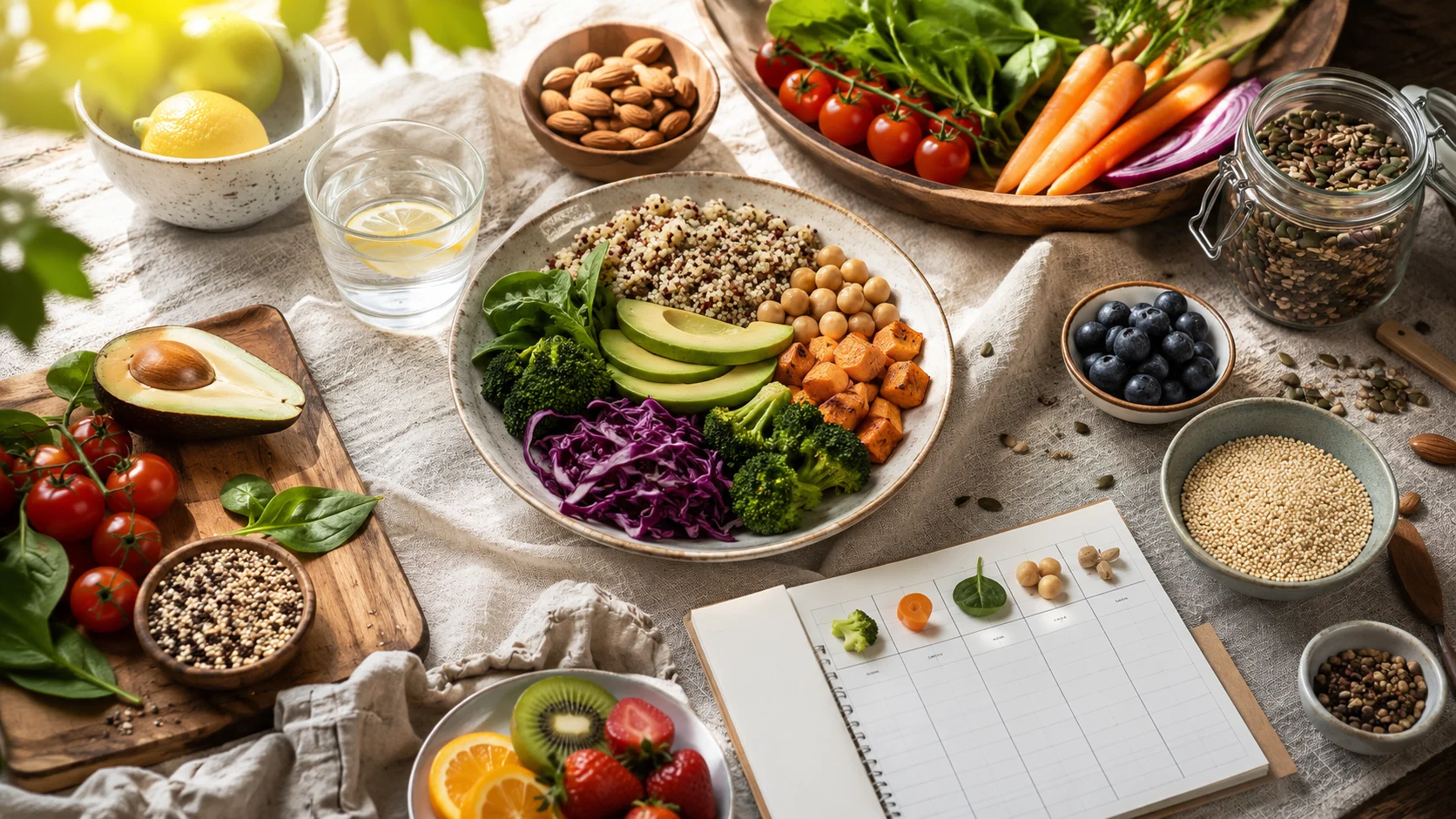

The Quiet Problem With Food Rules
Many women think food rules are the same thing as healthy eating. They are not. In real life, rigid rules often make food feel louder, not calmer. What looks like “discipline” on the outside can quietly turn into second-guessing, stress eating, and a constant fear of getting it wrong. A gentler approach supports steady energy, more ease, and a more trusting relationship with the body.
There is often a familiar scene: she stands in the kitchen after a long day, too tired to cook, trying to remember what she is “allowed” to eat. By then, hunger is no longer simple. It has mixed with fatigue, stress, and the ache of being responsible for too much. This is where many food rules begin to crack—not because she failed, but because the rule was never built for a real human life.
“The body is not a project to control. It is a place to care for.”
Some rules sound harmless at first: no carbs at night, dessert must be earned, snacks are a lack of control. Yet these ideas can make ordinary eating feel like a moral test. Over time, they pull attention away from body signals like hunger, satisfaction, energy, and comfort.
When Eating Turns Into a Rulebook
Food rules often appear when someone is trying to feel safe, healthy, or “on track.” That makes sense. Structure can feel comforting. But there is a difference between support and restriction.
- Support says: “How can this meal help her feel more steady this afternoon?” It leaves room for context, appetite, and real life.
- Restriction says: “She already had bread, so she should not have pasta.” It sounds tidy, but it ignores hunger, stress, and satisfaction.
A small but telling shift happens here: food stops being nourishment and becomes math, performance, or self-judgment. Research has observed that dietary restraint is associated with a greater risk of overeating in some people, especially after stress or perceived rule-breaking. In other words, the stricter the internal rulebook becomes, the more likely eating may swing between control and rebound.
That is why food rules can feel strangely powerful. They offer certainty, but often steal peace.
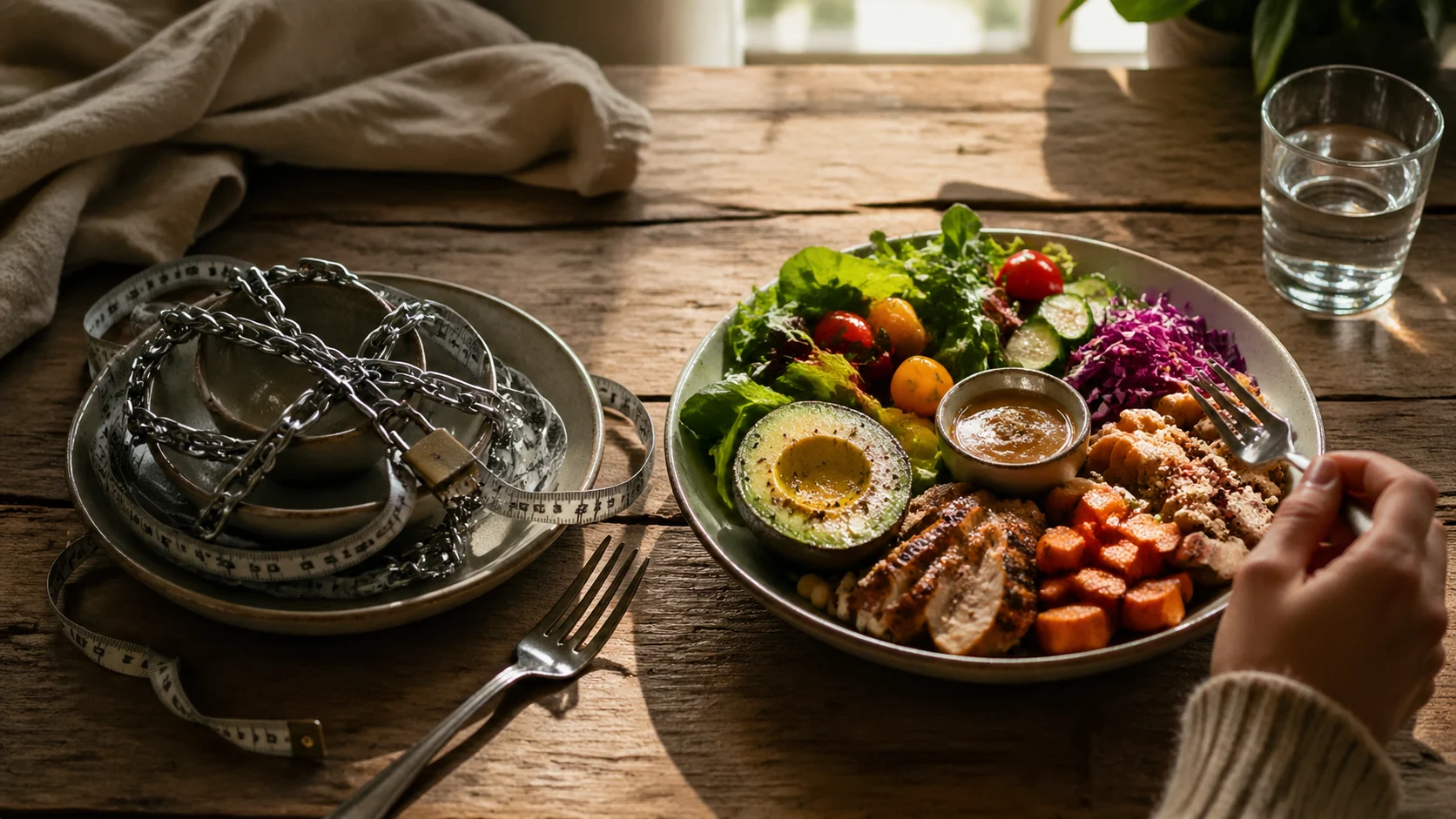
The Lantern Plate Method
Instead of chasing rules, Joyini’s gentler lens offers a simple micro-framework: the Lantern Plate Method. A lantern does not shout or punish. It simply helps someone see what she needs more clearly.
When she looks at a meal through this lens, she asks:
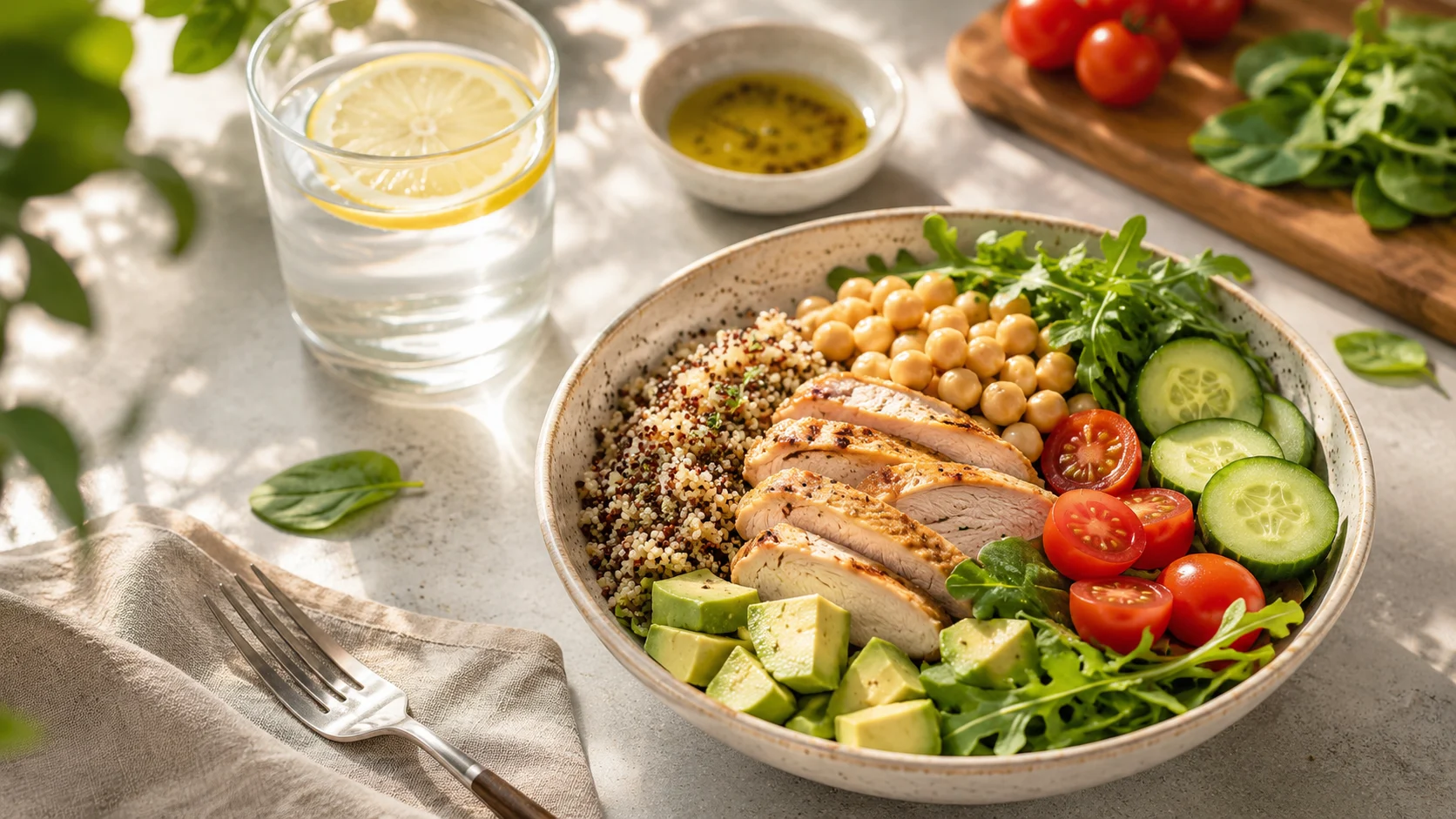
- What will steady me? Maybe that means a bowl of warm rice with salmon and something green, not because rice is “good,” but because it helps her feel grounded.
- What will satisfy me? Perhaps the meal needs crunch, creaminess, or a little sweetness so she does not leave the table still searching.
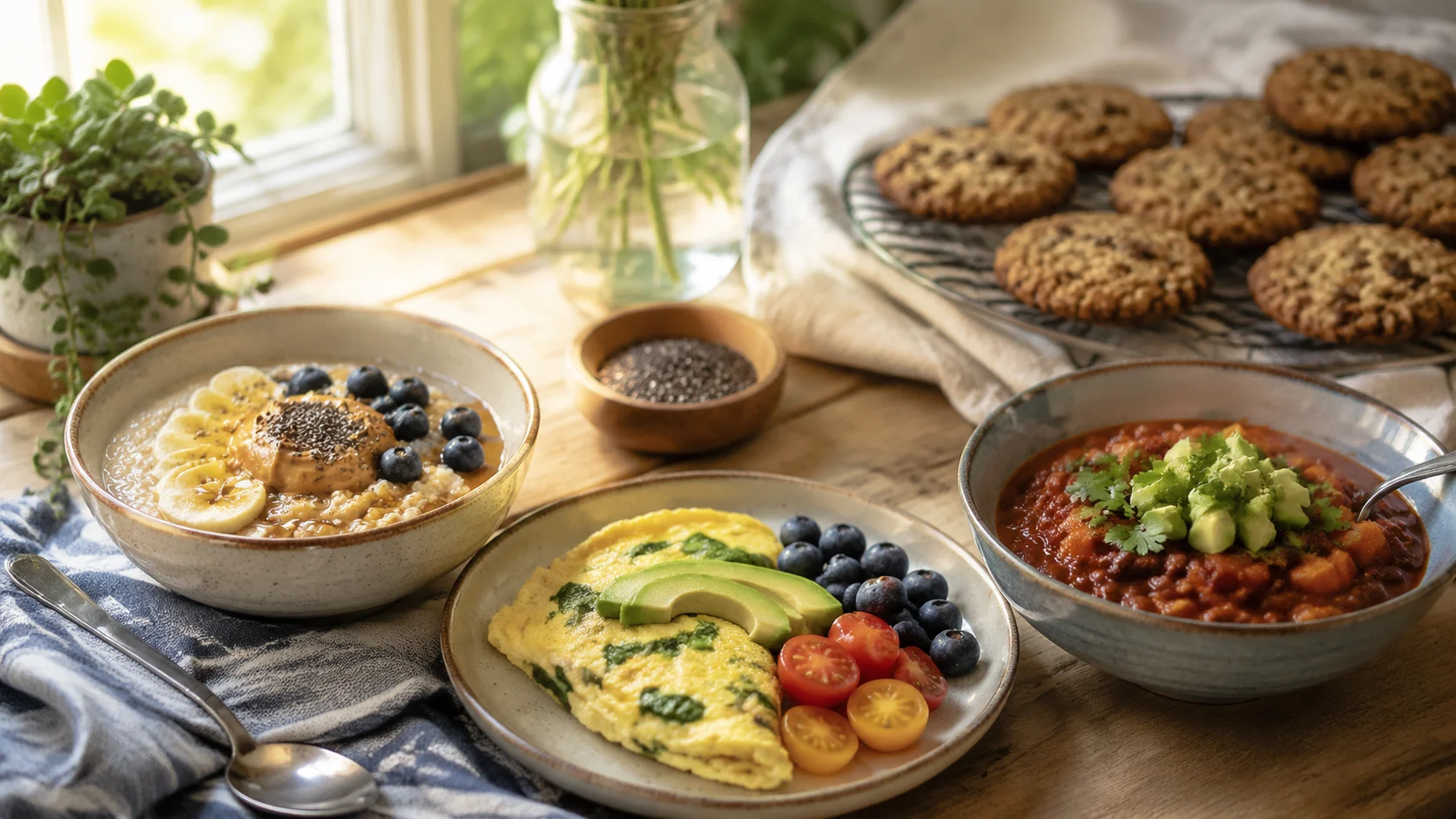
- What feels doable today? On some evenings, nourishment looks like toast with eggs and sliced avocado eaten at the counter. Real-life nutrition still counts.
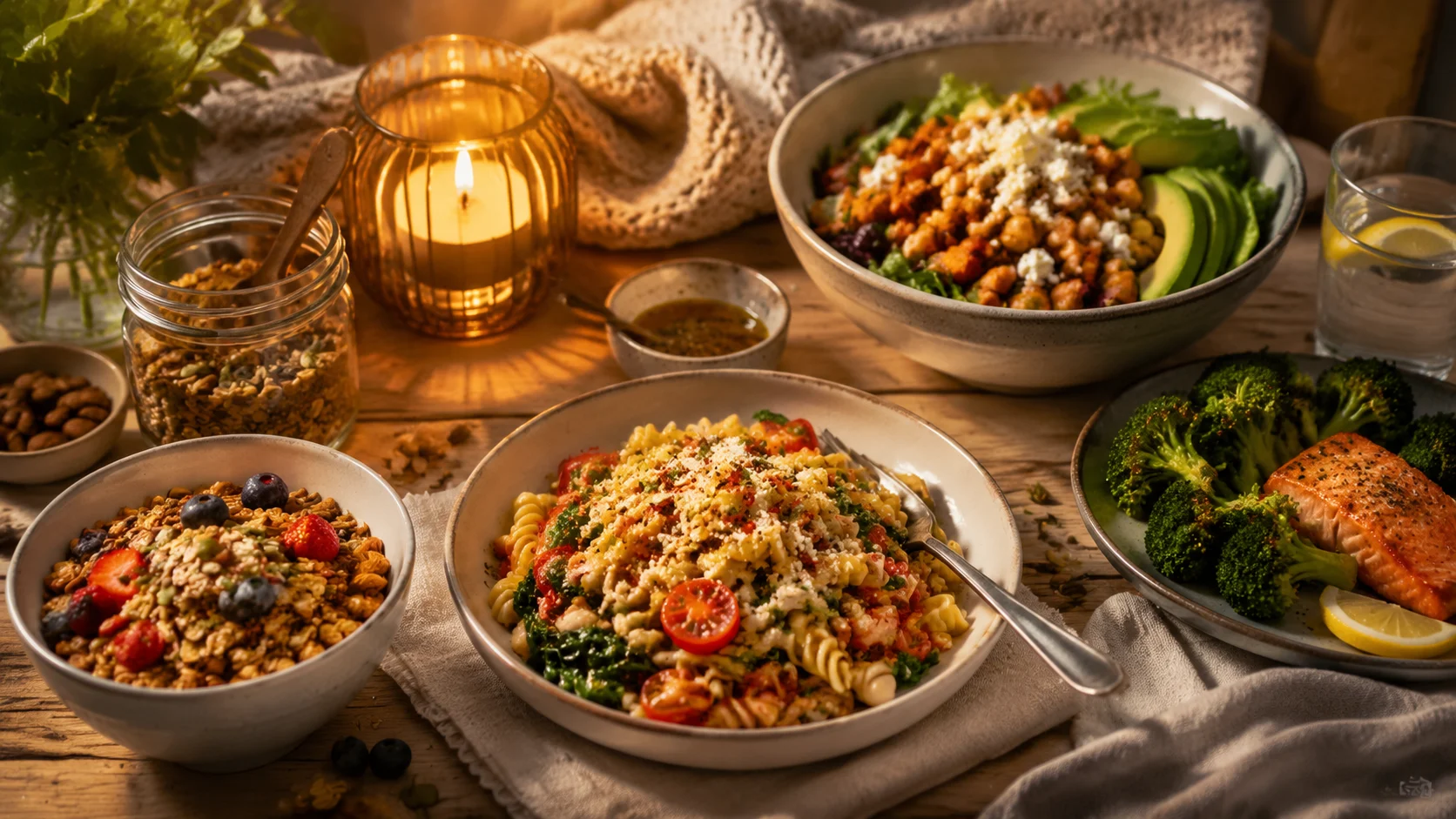
This is not about building a perfect plate. It is about using food to create support, not pressure. A balanced meal can be wonderfully ordinary: a tub of yogurt with berries and granola on a rushed morning, or takeout noodles made steadier with edamame and a side of vegetables. The body responds to patterns of care, not perfection.
What to Keep Instead of Food Rules
Letting go of food rules does not mean chaos. It means replacing harsh certainty with gentle awareness. Some women find it helpful to keep a few anchors:
- Regular meals matter. Skipping lunch often makes late-afternoon cravings feel explosive, not because she lacks self-control, but because her body is asking to be fed.
- Satisfaction is part of nourishment. A meal that looks balanced on paper but leaves her emotionally unsatisfied may keep her circling the pantry.
- Context changes needs. During PMS, stressful workweeks, or poor sleep, hunger and cravings may feel stronger. That is not weakness. It is information.
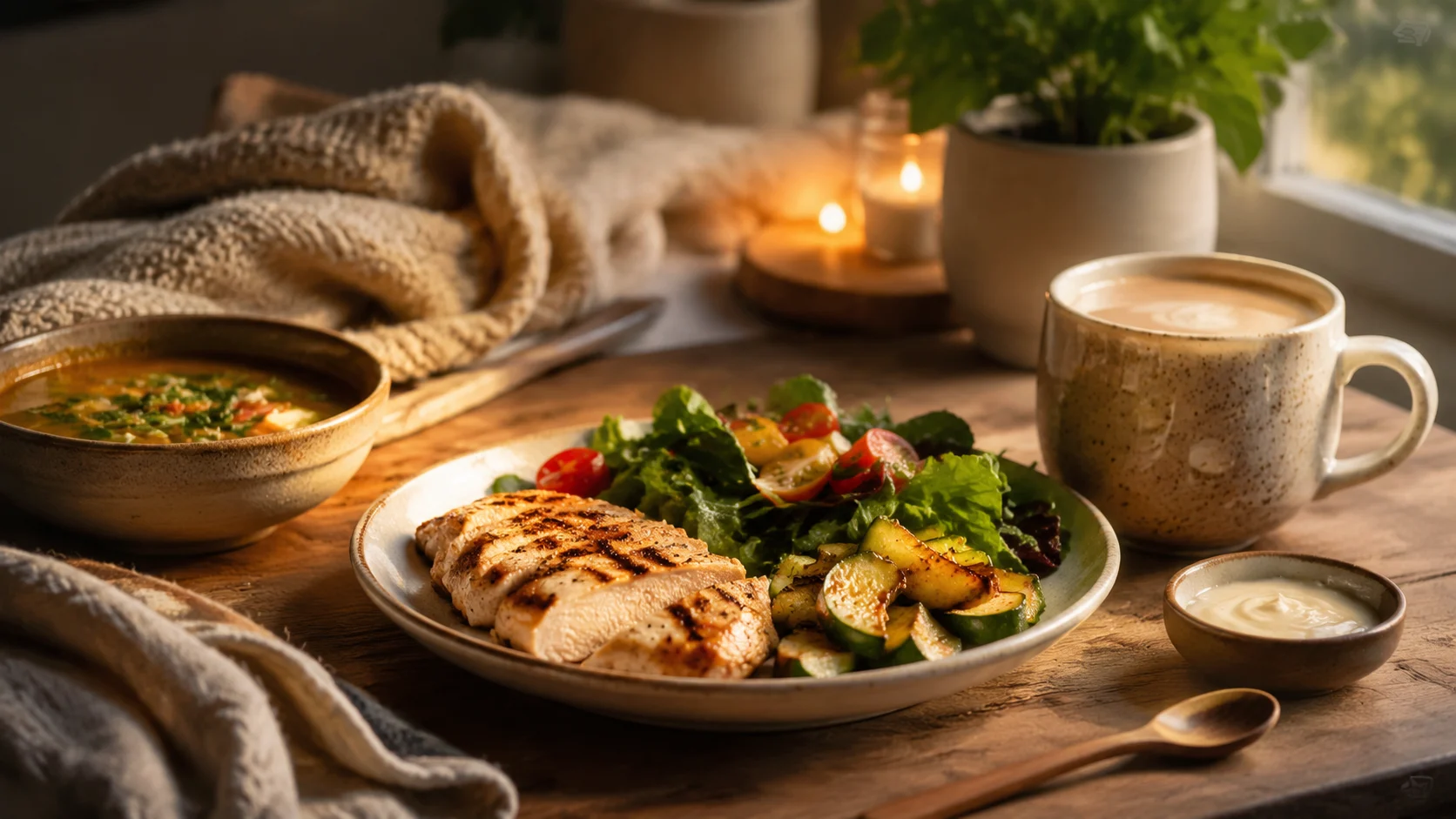
- Gentle structure helps. Planning a few easy staples—like soup, frozen dumplings, fruit, crackers, eggs, or a favorite bread—can create ease without turning the kitchen into a rulebook.
“Peace with food often begins when a woman stops asking, ‘Did I eat perfectly?’ and starts asking, ‘Did I care for myself?’”
A Softer Way Forward
For many women, releasing food rules is less like losing control and more like exhaling after a long time. It may feel unfamiliar at first. The old rules were loud; body trust can sound quieter. But quieter does not mean weaker. It often means wiser.
Healthy eating does not have to feel like a courtroom. It can feel like a conversation—one where hunger, pleasure, comfort, and steady energy all get a seat at the table. And that conversation tends to last much longer than any rule ever could.
Please note: Every body has its own rhythm, appetite, and health history. This gentle guide is for educational purposes and does not replace personalized advice from a registered dietitian, physician, or other qualified healthcare professional.
You Might Also Wonder
What if food rules make me feel safe?
That feeling is understandable. Rules can offer a sense of order, especially after years of food anxiety. The goal is not to rip them away overnight, but to slowly notice which ones truly support well-being and which ones create more stress than ease.
How do I know whether a habit is supportive or restrictive?
A helpful clue is how it feels in the body and mind. Supportive habits usually create steadiness and flexibility. Restrictive ones often bring fear, obsession, or guilt when life gets messy.
What if I eat past fullness after breaking a rule?
That often happens when the body senses scarcity—physical or emotional. Rather than punishing the moment, it helps to get curious: Was she too hungry, too tired, or finally allowing a food that had been tightly controlled?
Can I still care about nutrition without strict food rules?
Yes. In fact, many women understand nutrition more clearly when fear is not running the conversation. Gentle nutrition makes space for balance, satisfaction, and real-life choices.