
When the Craving Is Not a Character Flaw
Hormonal cravings are not a sign that someone is weak or “out of control.” Very often, they are the body’s way of asking for steadier energy, comfort, or support during a shifting point in the menstrual cycle. For many women, that sudden pull toward chocolate, bread, or something warm and sweet arrives with surprising force—not because they failed, but because the body is speaking in a louder voice.
When she reaches for a snack late in the afternoon and wonders why her appetite feels different this week, the answer may be less about discipline and more about biology. In the second half of the cycle, progesterone rises, energy needs can shift, and blood sugar can feel a little less steady. Some research suggests energy intake may increase by roughly 90 to 500 calories per day in the luteal phase for some women, which helps explain why cravings can feel more urgent before a period.
Body signals are not a moral test. They are messages asking to be understood.
That is why hormonal cravings often feel especially emotional: they sit at the crossroads of physiology, stress, sleep, and the long memory of dieting.
The Quiet Chemistry Behind the Urge
Hormonal cravings often bloom in ordinary moments. She is standing in the kitchen after dinner, not exactly hungry, but thinking about cookies. Or she is at her desk at 3 p.m., distracted by the idea of something sweet. These moments can be shaped by a few overlapping forces.
- Cycle-related shifts: In the luteal phase, the body may ask for more energy. Appetite can rise, and familiar comfort foods may feel more appealing.
- Blood sugar dips: If lunch was light or rushed, cravings can arrive like a wave. Not because the body is dramatic, but because it is trying to restore balance.
- Stress and sleep loss: Poor sleep and chronic stress can make food sound louder. Sweet or quick-energy foods often become especially tempting when the nervous system is tired.
- Restriction rebound: If someone has been “being good” all day, cravings can intensify at night. What looks hormonal may also be amplified by not eating enough earlier.
This is where a gentle lens matters. Hormonal cravings may begin with hormones, but they are often made louder by undernourishment, pressure, and food rules.

The “Steady Comfort Pairing” Framework
Instead of fighting hormonal cravings, it can help to meet them with what Joyini might call the Steady Comfort Pairing: a simple way of combining satisfaction with support. The idea is not to cancel the craving. It is to make room for it while giving the body something more grounding.
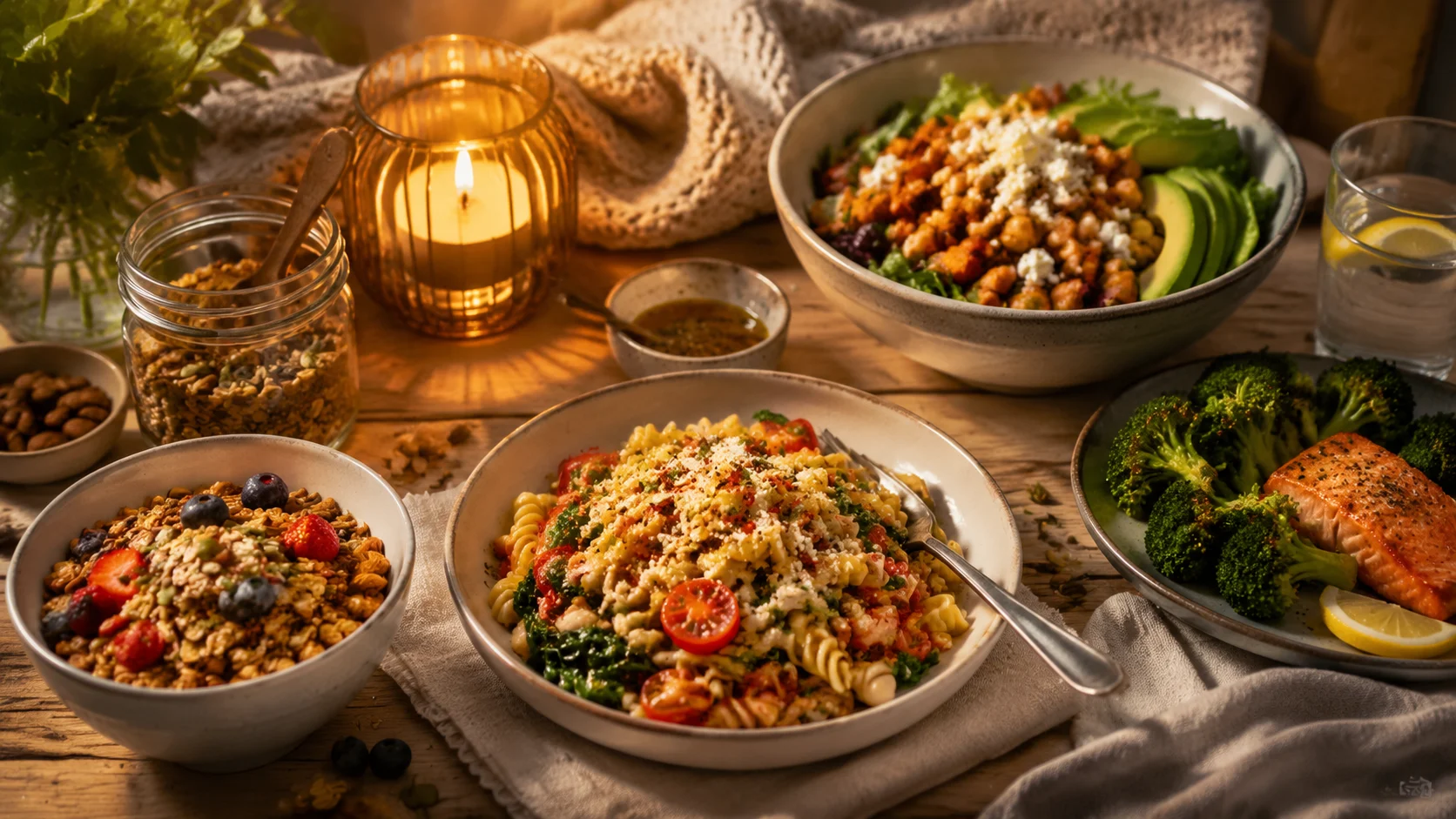
Imagine a square of chocolate melting beside a bowl of Greek yogurt with berries. Or a slice of toast spread with almond butter and a drizzle of honey. Or a warm baked potato with butter, salt, and a side of eggs. Comfort lands more gently when it is paired with staying power—protein, fiber, or fat that helps energy unfold more slowly.
The body is not a project to be conquered. It is a place to come home to.
For women who experience hormonal cravings, this framework can soften the all-or-nothing swing. Rather than saying, “I should not want this,” it quietly asks, “How can this craving be honored in a more supported way?”
What Gentle Support Can Look Like in Real Life
There is no perfect response to hormonal cravings, only more compassionate ones. A few rhythms can help:
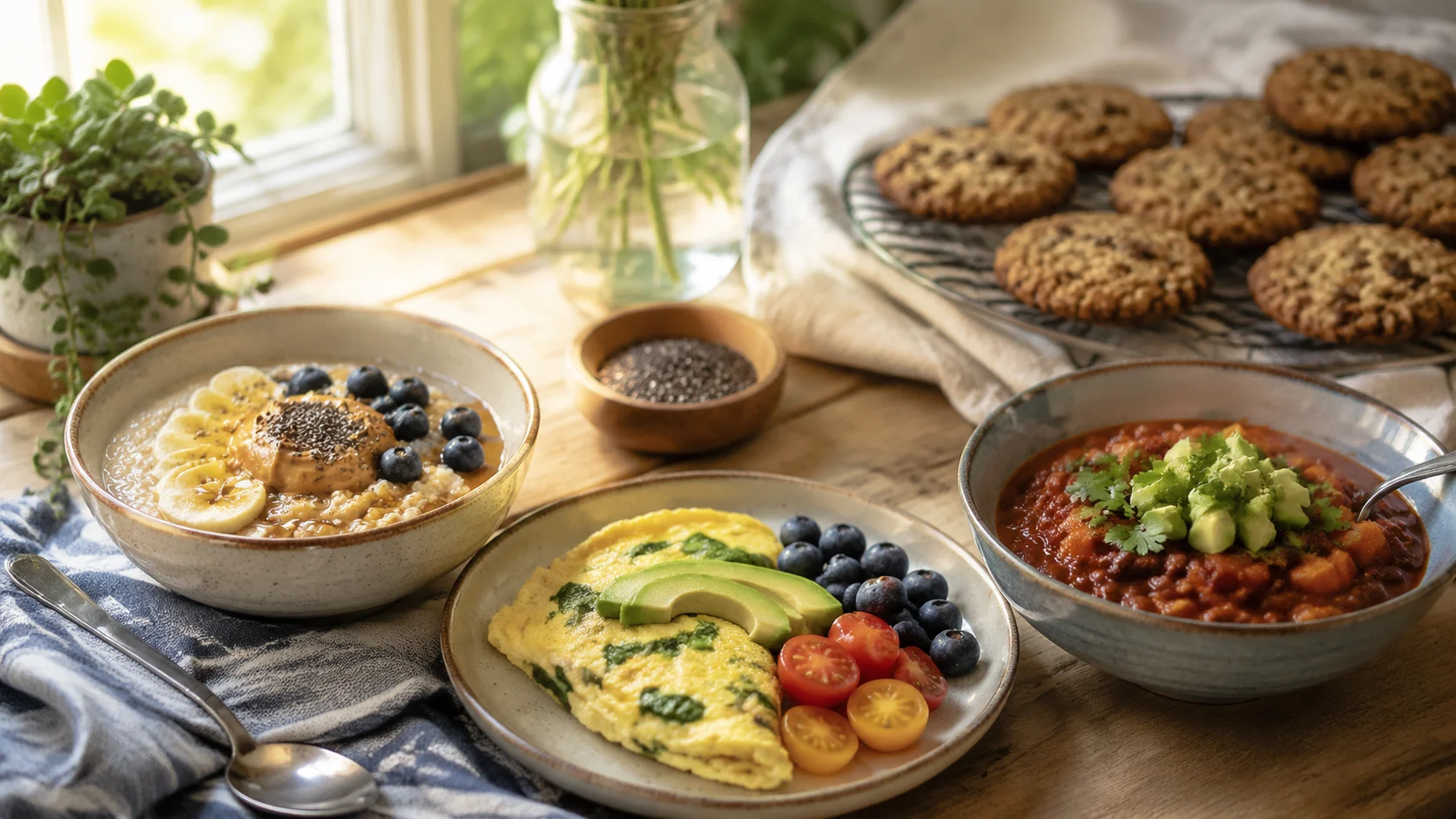
- Eat enough earlier in the day. A breakfast that actually satisfies—perhaps warm oats with crushed walnuts and fruit, or eggs with toast and avocado—can change the tone of the entire afternoon.
- Build in predictable comfort. If premenstrual hunger visits every month, planning for it can feel surprisingly freeing. Keeping satisfying snacks nearby is not giving up; it is wise support.
- Notice the craving’s texture. Sometimes the body wants sweetness. Sometimes it wants rest, warmth, or a break from decision-making. Naming the deeper need can reduce the frantic edge.
- Release the food labels. Calling foods “bad” often makes them more magnetic. A more balanced relationship with food usually lowers intensity over time.
For many readers, the most healing shift is this: stop treating hormonal cravings like an emergency. They are often a pattern, a rhythm, a body signal that becomes easier to work with once shame leaves the room.
Please note: Every body has its own rhythm. This gentle guide is for educational purposes and does not replace personalized advice from a healthcare professional, especially if cravings, mood changes, or cycle symptoms feel severe or disruptive.
You Might Also Wonder
Why do hormonal cravings feel stronger at night?
Night cravings can be amplified by a mix of cycle-related hunger, mental fatigue, and not eating enough during the day. Evening is often when the body finally gets loud enough to be heard.
Do hormonal cravings always mean someone needs sugar?
Not always. Sometimes the body is asking for quick energy, but sometimes it is asking for comfort, more total food, or a steadier mix of carbs, protein, and fat.
Is it okay to eat the food I am craving during PMS?
Yes. In many cases, allowing the food—rather than turning it into a forbidden object—can reduce tension. Pairing it with something satisfying and balanced may help you feel more steady.
How can I tell whether it is hormonal cravings or emotional eating?
They can overlap. Hormonal cravings often follow a familiar cycle pattern, while emotional eating may feel more tied to stress, overwhelm, or loneliness. Sometimes both are present, and that does not mean anything is wrong.