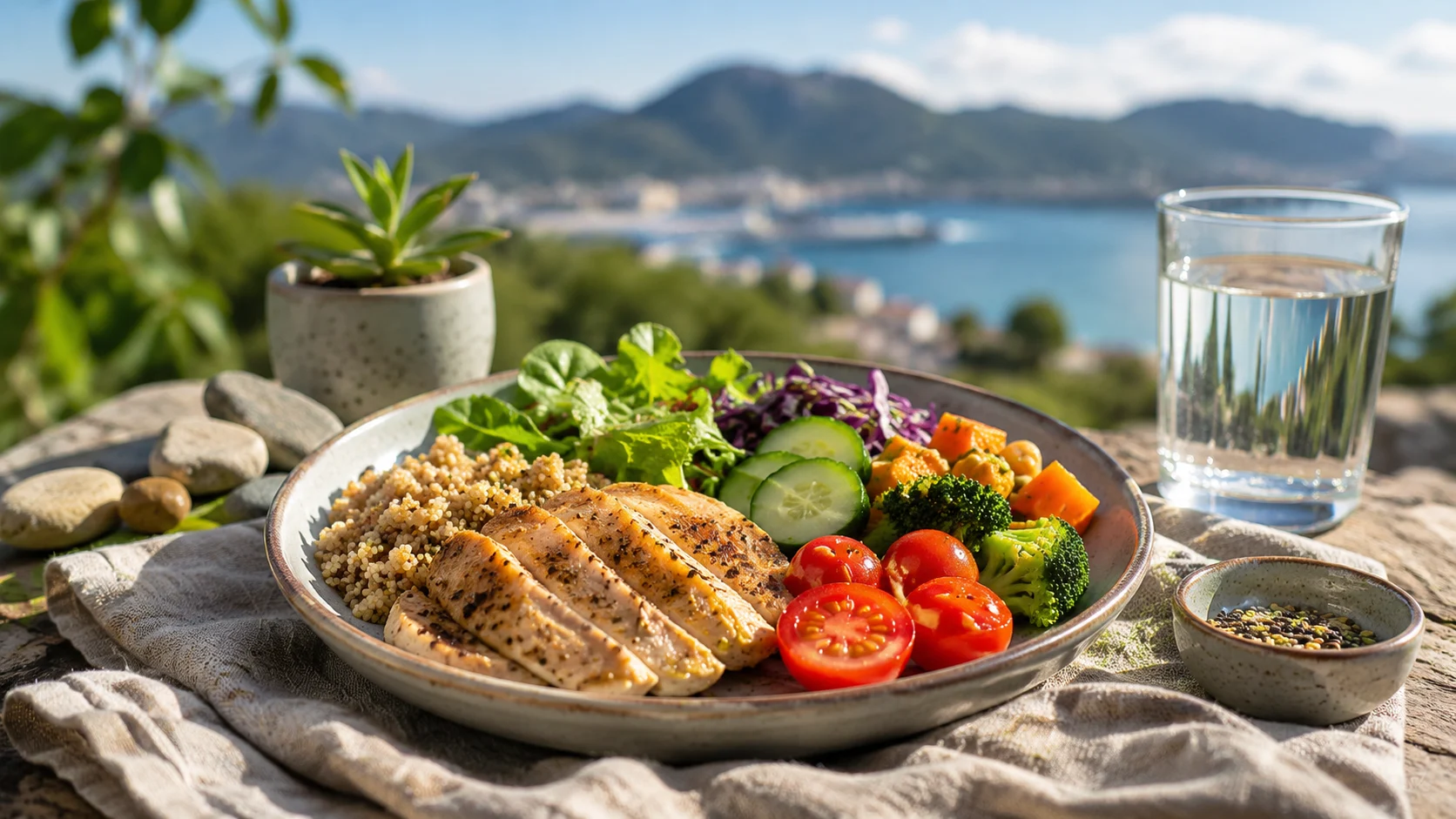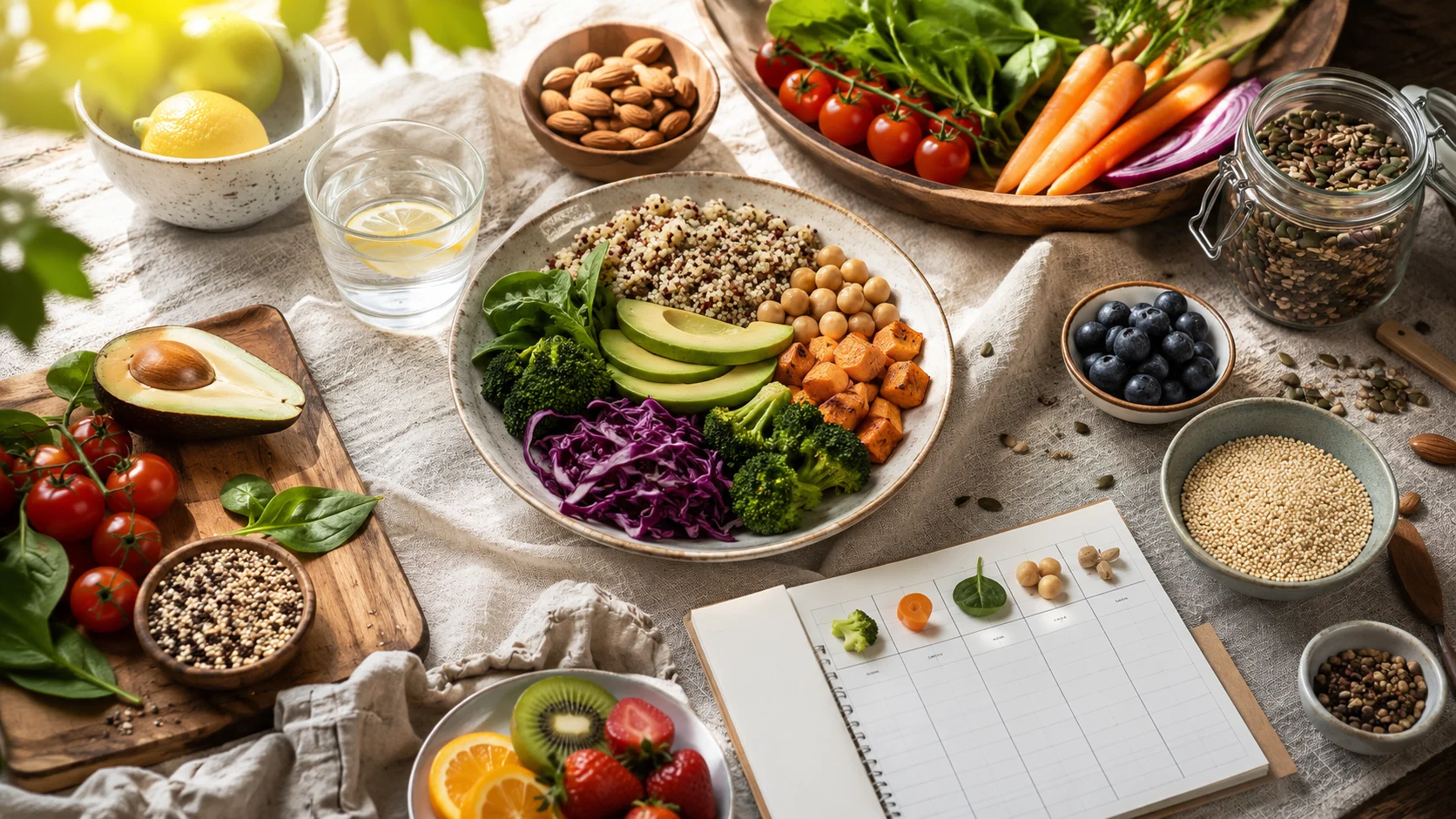

When Exhaustion Isn’t Laziness, but a Body Asking for Care
Some of the best easy dinner ideas when too tired to cook begin with a small emotional shift: tiredness at dinnertime is not a personal failure. Often, it is simply the body asking for something steady, warm, and kind. For many women, the hardest part of dinner is not the food itself. It is the quiet pressure to “do better” at the exact hour when energy has already been spent.
That is the pattern worth interrupting: when she feels too drained to cook, the answer is not more discipline—it is less friction. A simple meal can still support steady energy, comfort, and satisfaction.
Food does not need to be impressive to be nourishing. It only needs to meet her where she is.
A helpful way to think about low-energy meals is Joyini’s gentle micro-framework: the Soft Plate Formula. It means building dinner from three soft edges rather than strict rules:
- Something grounding — a toast, rice cup, noodles, tortilla, or baked potato that feels easy to reach for.
- Something steadying — eggs, Greek yogurt, rotisserie chicken, beans, tofu, tuna, or melted cheese to help the meal stay with her longer.
- Something soft and living — sliced cucumber, baby carrots, microwaved peas, jarred soup vegetables, or a handful of greens that ask very little of her.
Research often points in the same direction: meals that include protein, fiber, and carbohydrate together can support satiety and steadier energy better than eating quick carbs alone. One review published in Advances in Nutrition noted that protein tends to increase fullness and help regulate appetite across the day. That matters most on the nights when she is tempted to skip dinner and later find herself searching the pantry.
A Few Low-Effort Plates That Still Feel Like Dinner
These easy dinner ideas when too tired to cook are not about perfection. They are about helping dinner feel possible.

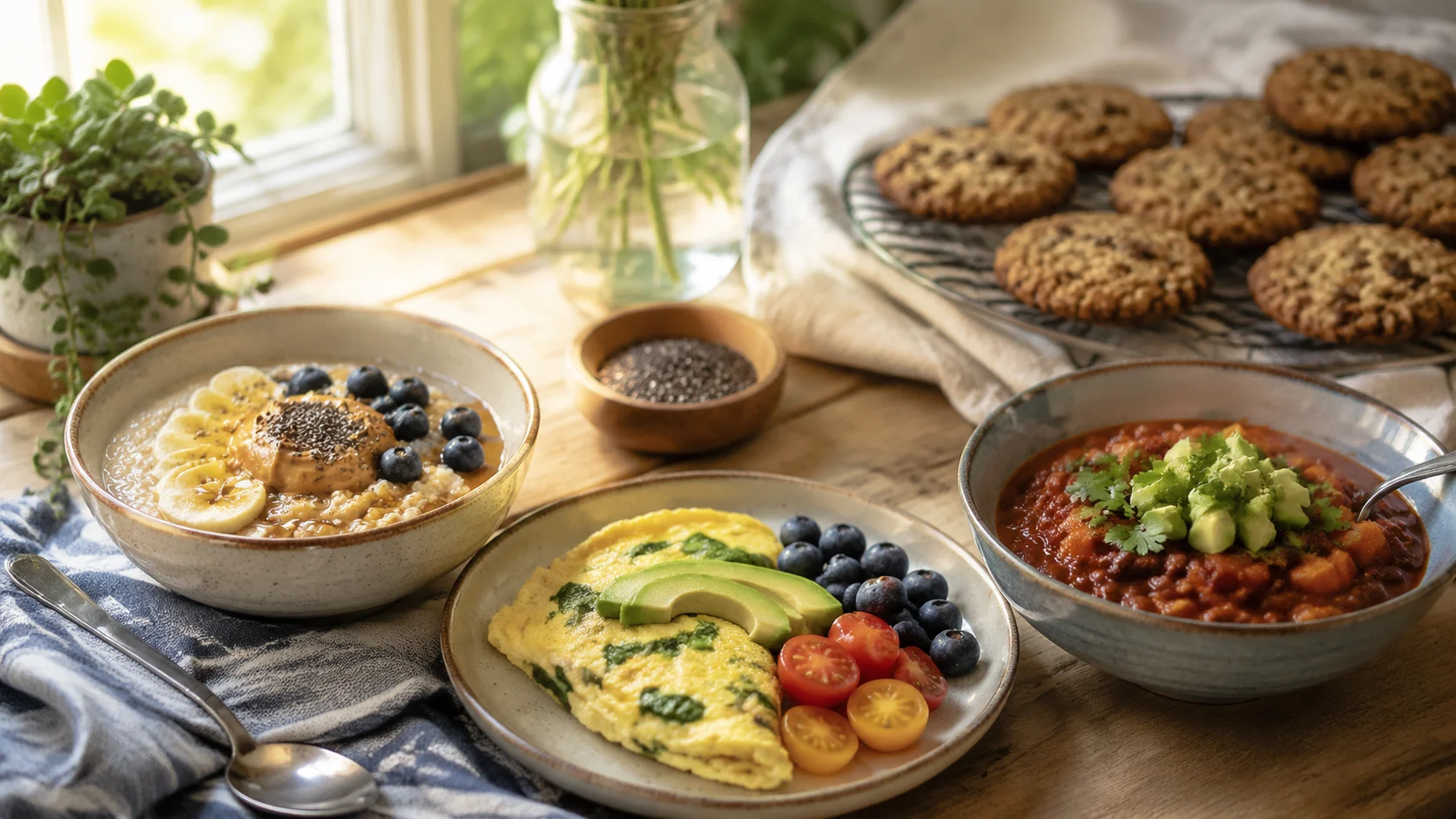
- Toast, eggs, and something crisp. Two pieces of toasted sourdough, softly scrambled eggs, and cucumber slices with olive oil and salt. It comes together in minutes and feels far more comforting than another random snack dinner.
- A warm bowl built from freezer and pantry corners. Microwave rice, shelled edamame, and frozen broccoli with soy sauce and sesame oil. If she wants more substance, leftover chicken or tofu can quietly slip in.
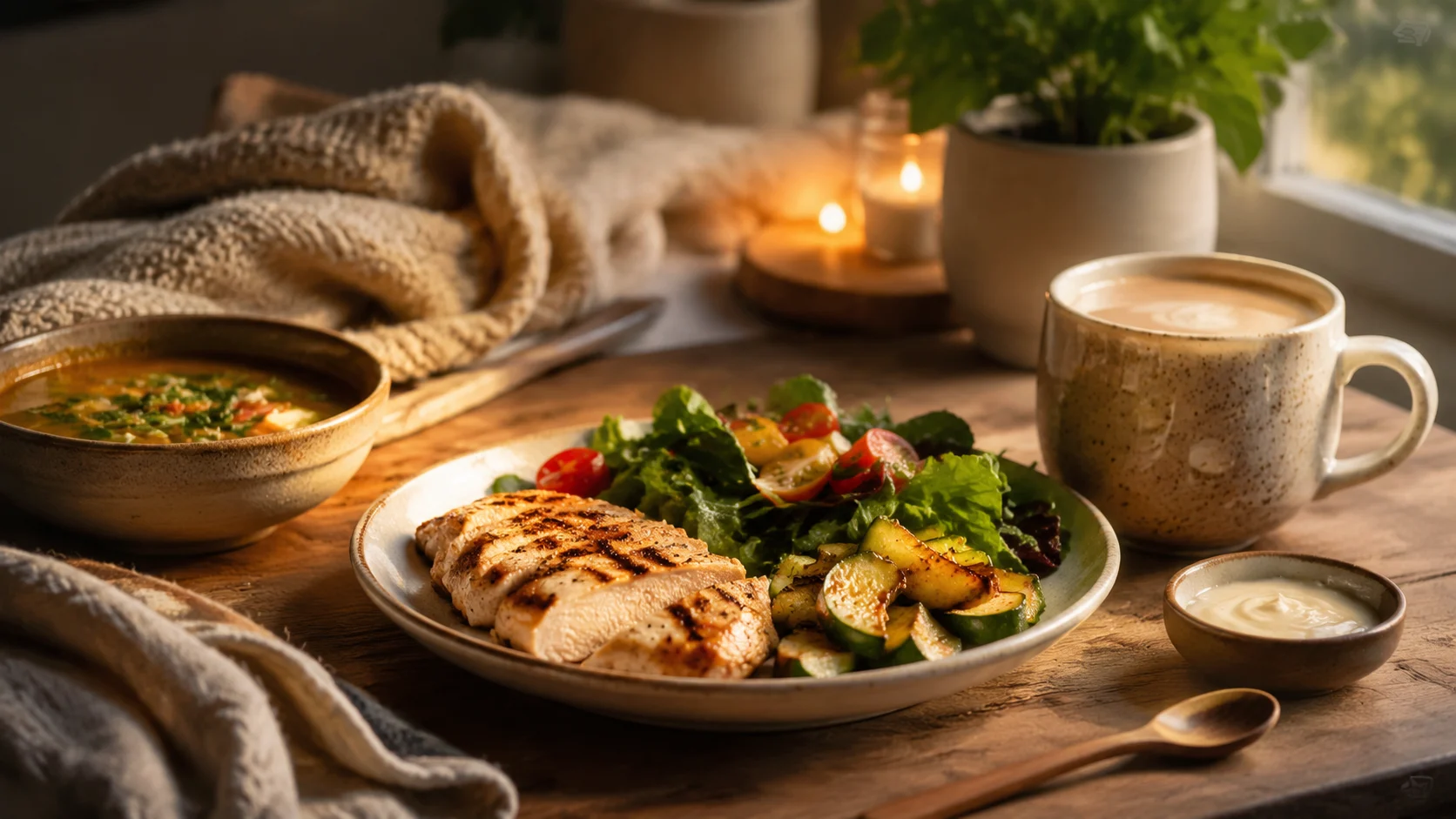
- The soup-and-side rescue. A boxed tomato or lentil soup poured into a favorite bowl, paired with buttered toast or a quesadilla. The warmth does half the emotional work.
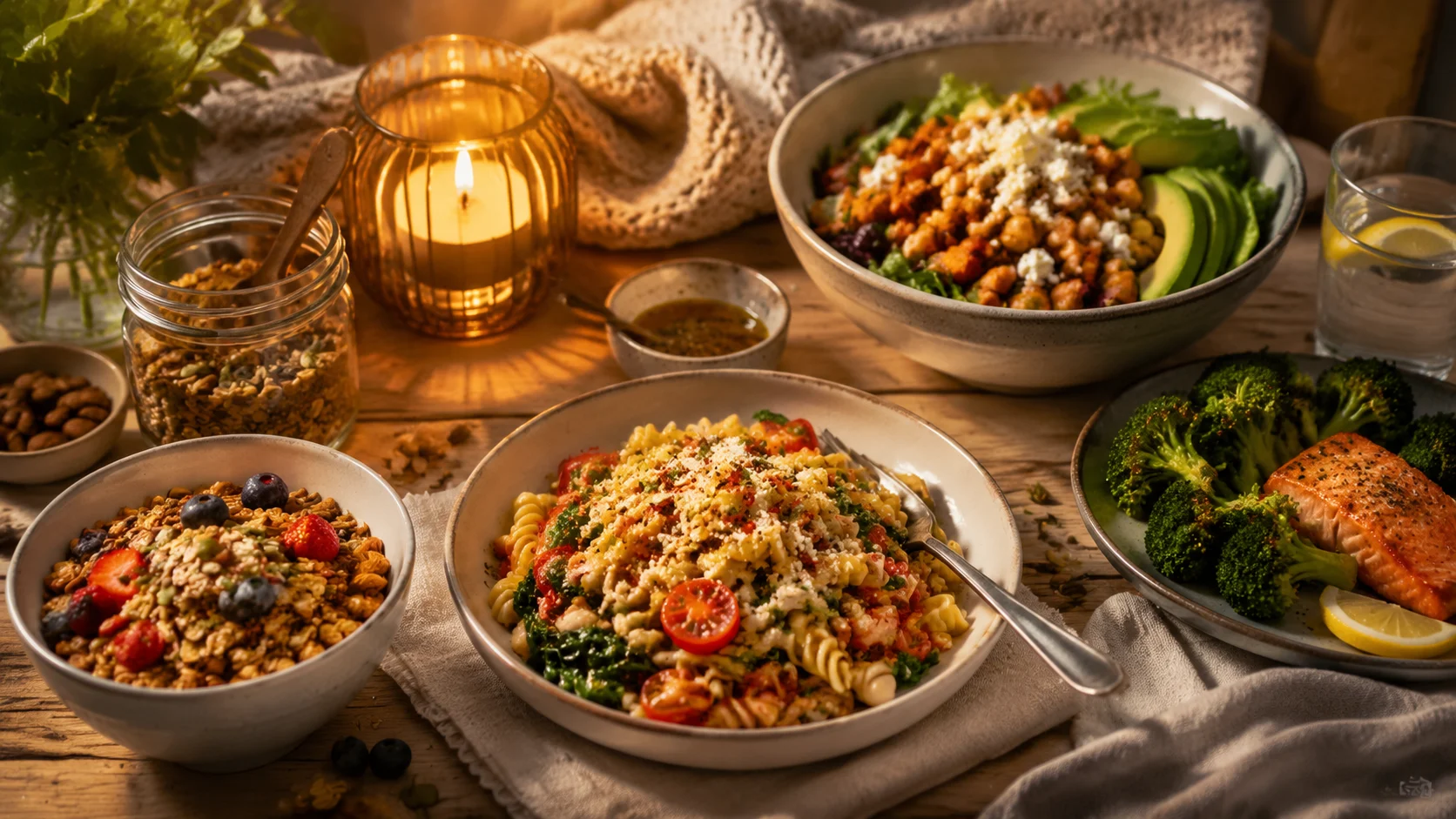
- Yogurt that eats like a meal. Thick Greek yogurt in a bowl with granola, berries, chia seeds, and a spoonful of nut butter. On especially depleted evenings, a cold dinner can feel easier than facing a stove.
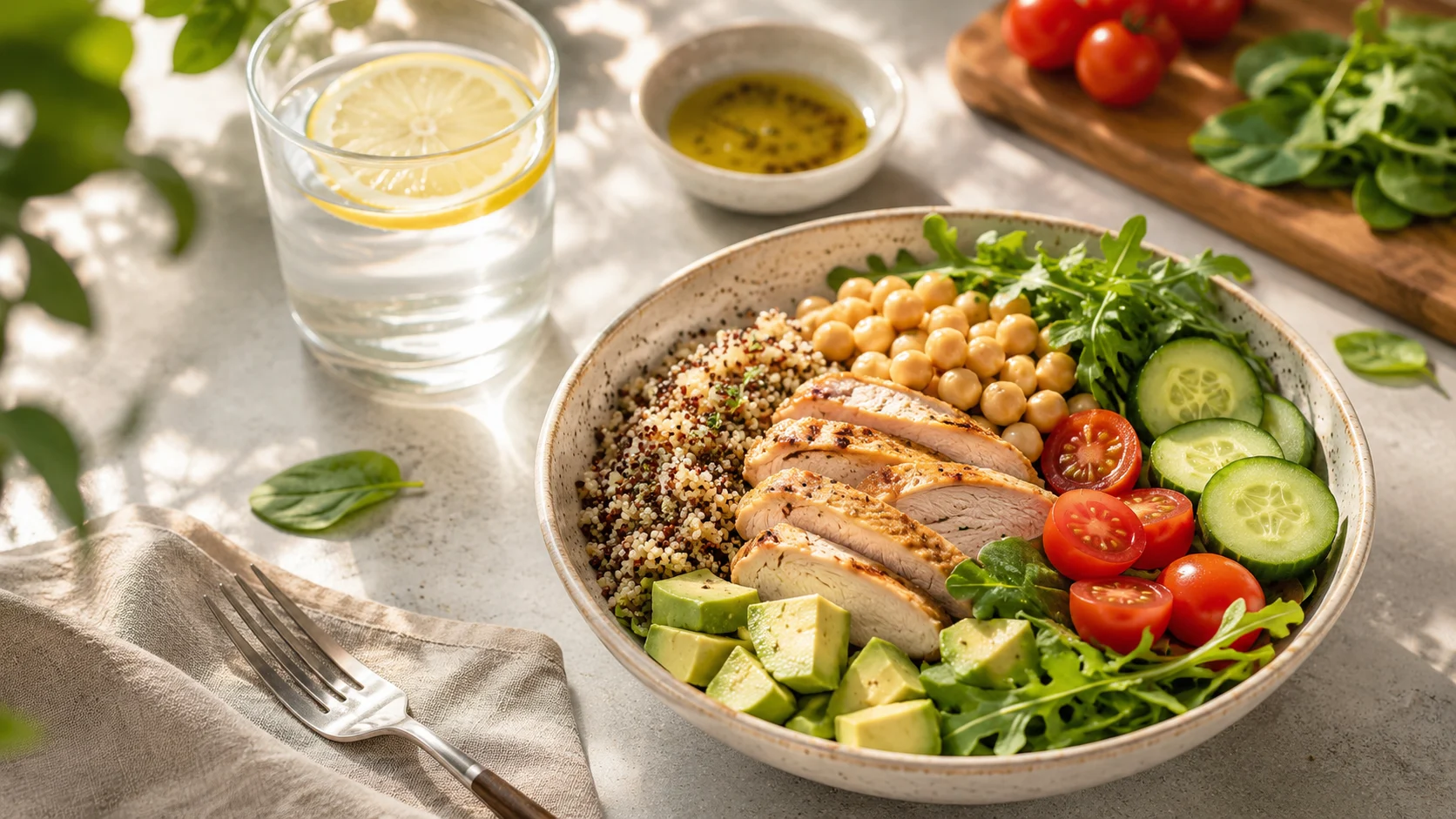
- Rotisserie comfort plate. Store-bought rotisserie chicken, a microwaved sweet potato, and bagged salad tossed with dressing. It is assembled more than cooked, and that still counts.
- Beans on toast with a little richness. Warm white beans with garlic and olive oil spooned over toast, finished with parmesan or avocado. Humble, filling, and deeply real-life.
The Quiet Reason Skipping Dinner Often Backfires
Many women think resting instead of making dinner is the most efficient choice. Sometimes it is. But skipping a real meal can quietly turn into late-night grazing, especially after a long day of stress, under-eating, or emotional strain. The body does not forget that it has been underfed. It usually asks again—later, louder, and with less patience.
That is why easy dinner ideas when too tired to cook are not just convenient. They can be a form of emotional eating support before the spiral begins. A simple bowl of rice and eggs may not look glamorous, but it can soften the 9 p.m. pull toward endless snacking.
The body is not a machine that performs better under neglect. It is a home that grows calmer when it is fed with steadiness.
How to Make Tired-Night Dinners Easier Before the Tired Night Arrives
Low-energy meals become more realistic when the kitchen already contains a few gentle anchors. That does not require meal prep in the glossy internet sense. It simply means leaving a breadcrumb trail for her future self.
- Keep two freezer basics. Frozen rice and frozen vegetables create a meal base without chopping, washing, or waiting.
- Choose one ready protein each week. Rotisserie chicken, baked tofu, hard-boiled eggs, or canned salmon can carry multiple dinners.
- Let convenience be part of nourishment. Bagged salad, pre-cut fruit, soup cartons, and shredded cheese are not shortcuts to feel bad about. They are tools that make eating possible.
- Build a “too tired” shelf. A small section with crackers, beans, pasta, tuna, microwave grains, and sauces can become a quiet safety net on the most depleted evenings.
For women looking for easy dinner ideas when too tired to cook, the deeper goal is not culinary excellence. It is creating a rhythm where dinner still offers support, even when energy is low and the day has already taken enough.
You Might Also Wonder
What if she is too tired to cook and also not very hungry?
A smaller meal can still help. Something like yogurt with fruit and nuts, soup with toast, or a banana with peanut butter may feel gentler than forcing a full plate. The aim is not to eat heavily. It is to offer a little support before hunger shows up stronger later.
Is cereal for dinner okay on exhausting nights?
Yes, especially if it helps her eat something. If she wants it to stay with her longer, she can pair it with milk or soy milk, add nuts or seeds, or have fruit on the side. Dinner does not need to look traditional to be enough.
What if takeout is the only realistic option?
That can still work beautifully. A rice bowl with protein, a burrito bowl, soup and sandwich, or pasta with a side salad can all feel balanced and comforting. Support matters more than perfection.
How can she stop feeling guilty about convenience foods?
It may help to remember that convenience is not the opposite of nourishment. On hard days, foods that reduce effort can be exactly what makes a meal possible. That is care, not failure.
Please note: Every body has its own rhythm, appetite, and needs. This gentle guide is for educational purposes only and does not replace personalized advice from a registered dietitian, physician, or other qualified healthcare professional.