
When the Extra Eating Is Really a Message
Emotional overeating is often less about “lack of control” and more about a body asking for comfort, relief, or steadier support. For many women, the moment happens quietly: the laptop closes, the house finally softens, and a hand reaches for something crunchy or sweet before hunger has fully entered the room. What looks like a food problem is often a stress signal, an exhaustion signal, or the echo of too much restriction earlier in the day.
The common story says she simply needs more discipline. Joyini would tell it differently. When a woman has rushed through breakfast, answered messages through lunch, and carried everyone else’s needs until evening, emotional overeating can feel like the only place where softness lives. In that sense, food is not the enemy. It may be the fastest comfort her nervous system knows how to find.
Body cues are not moral failures. They are often unfinished conversations asking to be heard.
Research has found that chronic stress can raise cortisol, which may increase appetite and intensify cravings for highly rewarding foods. That does not mean a woman is broken. It means biology and emotion are often sitting at the same table.
The Hidden Loop Beneath Emotional Overeating
Emotional overeating rarely begins with the snack itself. It often starts hours earlier, in small moments that seem unrelated: coffee instead of breakfast, a tense meeting, the skipped pause between tasks, the private thought that she should be able to handle more. By evening, her body may be underfed, overstimulated, and looking for rapid comfort.
This is where a simple Joyini framework can help: the Cushion, Fuel, and Pause method.

- Cushion — Before judging the eating, soften the inner voice. A harsh reaction adds more stress, and more stress often keeps the loop going.
- Fuel — Ask whether the body has had enough real nourishment. Sometimes emotional overeating grows in the soil of inadequate meals, low protein, long gaps without food, or unstable energy.
- Pause — Not a rigid stop sign, but a small moment of noticing. What is needed right now: comfort, rest, distraction, connection, or actual food?
That pause matters because emotional overeating is not always purely emotional. Sometimes it is emotional hunger layered on top of physical hunger, which can make the urge feel especially loud.
What Gentle Support Can Look Like in Real Life
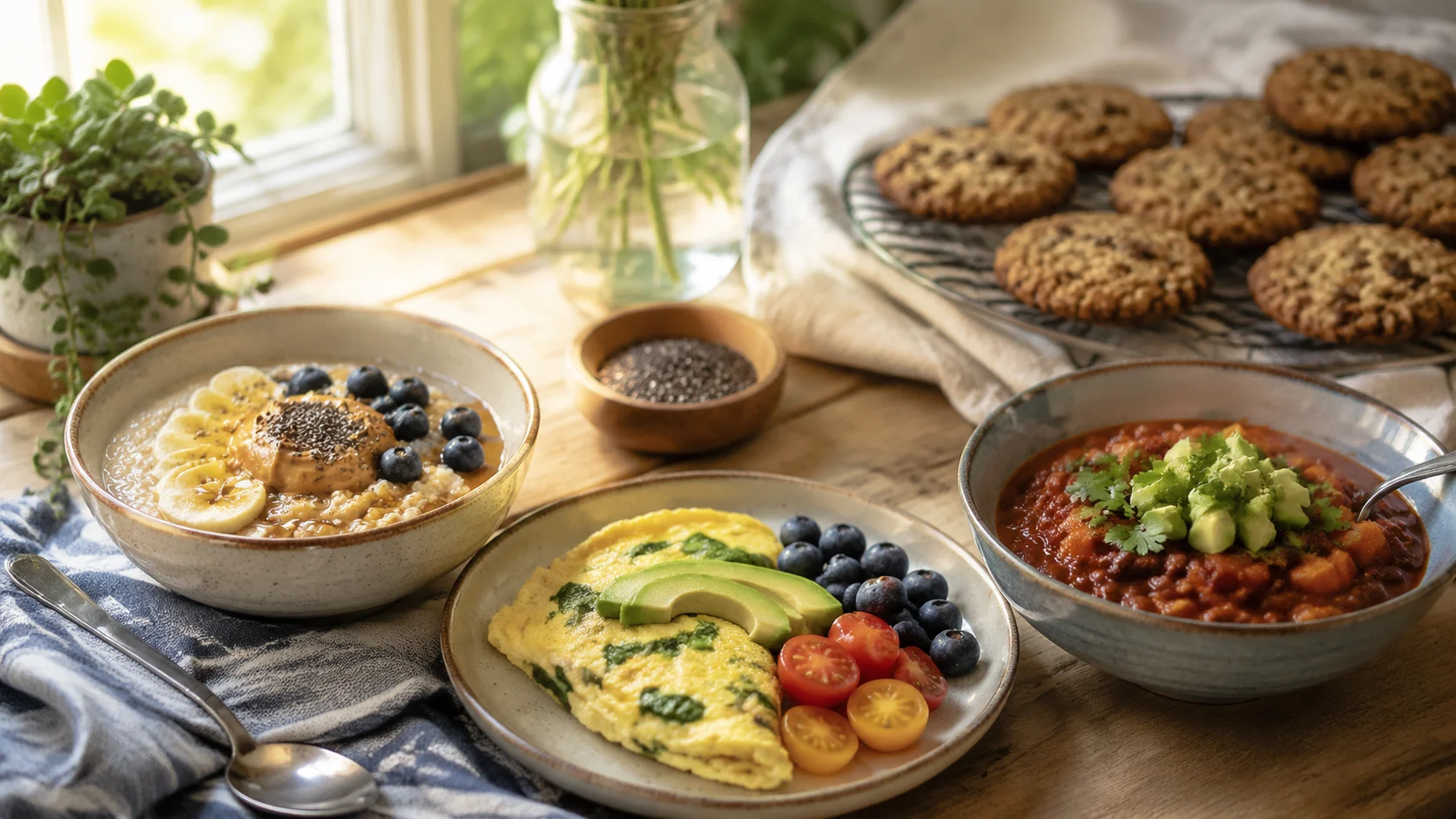
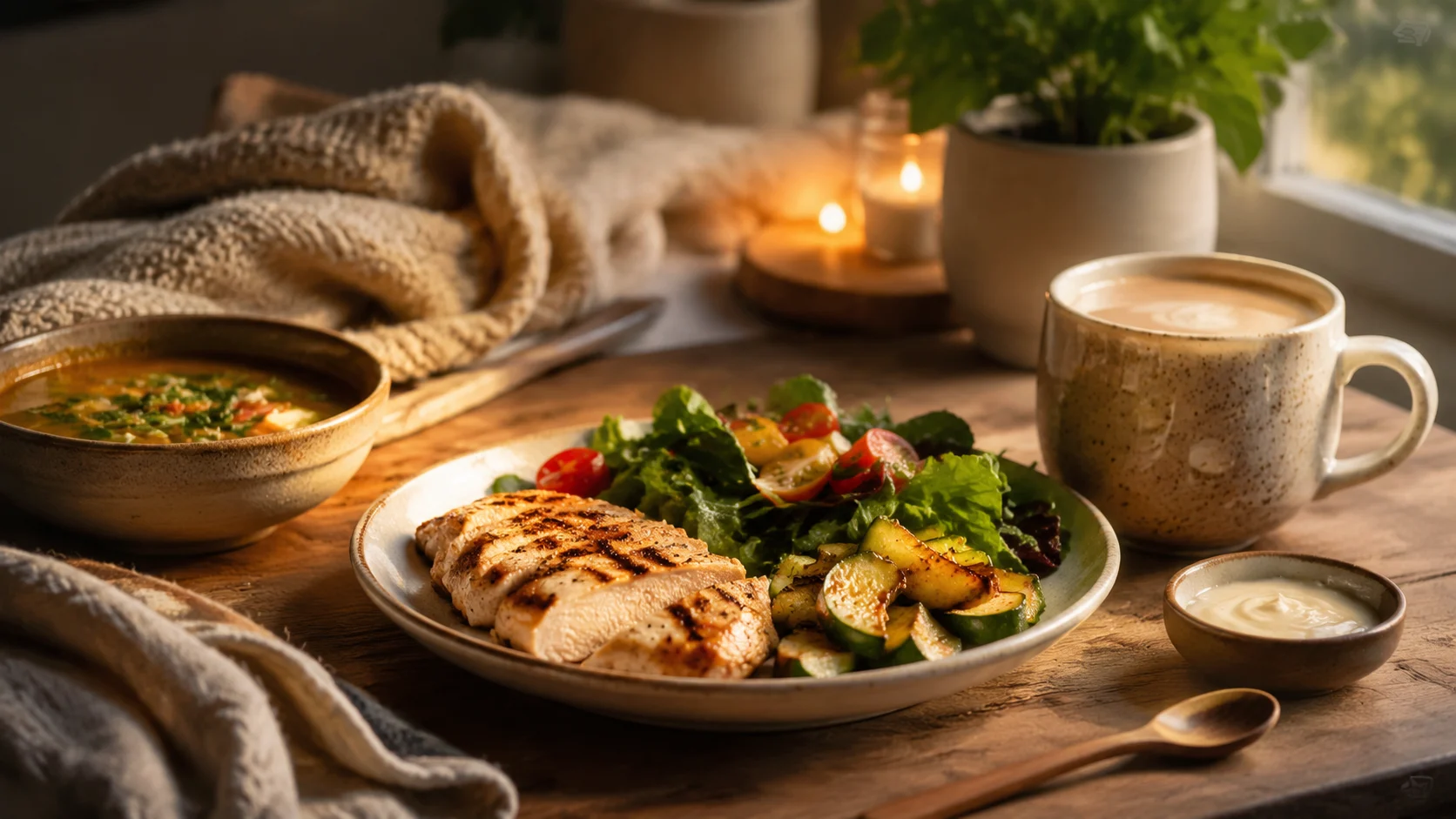
A woman sitting at her desk at 3 p.m., suddenly desperate for chocolate, may not need a lecture about self-control. She may need a more balanced afternoon landing: perhaps a warm latte with a slice of toast spread with almond butter, or thick yogurt with berries and a sprinkle of granola. The point is not to “be perfect.” The point is to give the body something steady enough that emotions do not have to shout through cravings.
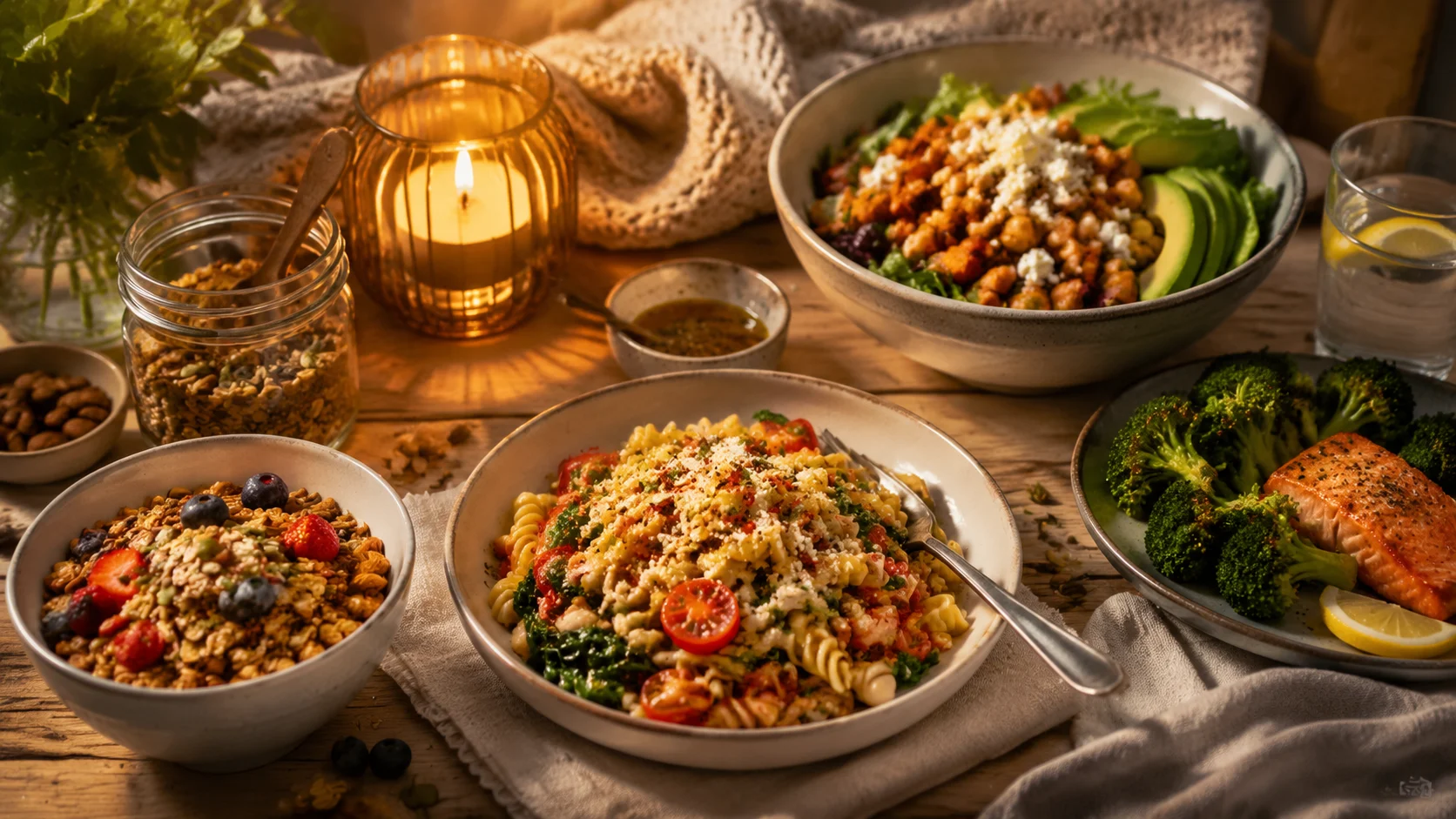
At night, emotional overeating can soften when the evening becomes a little less empty. A small bowl of pasta with olive oil and greens, eaten seated instead of standing in the kitchen, can feel very different from grazing while half-distracted. So can naming the feeling out loud: “She is not only wanting cookies. She is lonely, overstretched, and tired.” That sentence alone can create space.
The body is not a project to control. It is a place to come home to.
For some women, it also helps to loosen food rules. When certain foods are treated like forbidden territory, they often glow brighter in the mind. A more peaceful relationship with food can lower the urgency that fuels emotional overeating in the first place.
Small Signs That the Pattern Is Beginning to Shift
Healing this pattern rarely looks dramatic. It may look like noticing the urge five minutes earlier. It may look like eating dinner before getting ravenous. It may look like choosing comfort on purpose instead of by accident: a blanket, a text to a friend, a shower, a sandwich, a handful of crackers with cheese, or yes, dessert enjoyed without turning it into a courtroom.
If emotional overeating has been happening for a long time, support can be especially helpful. A registered dietitian or therapist who understands stress, eating patterns, and women’s health can offer a steadier path without shame. There is nothing weak about needing guidance. Sometimes the most powerful shift is moving from self-blame to self-understanding.
Please note: Every body has its own rhythm, history, and needs. This gentle guide is for educational purposes and does not replace personalized advice from a healthcare professional, registered dietitian, or licensed therapist, especially if overeating feels distressing, frequent, or tied to a history of dieting or disordered eating.
You Might Also Wonder
If she eats when stressed but is also physically hungry, does that still count as emotional overeating?
Often, yes—but that does not make it less real or less valid. Emotional and physical hunger can arrive together, especially after a long, draining day.
Why does emotional overeating happen more at night?
Night tends to collect what the day pushed aside: skipped meals, decision fatigue, loneliness, and the first quiet moment to finally feel something. The urge is often about accumulated depletion, not just food.
Should she remove trigger foods from the house?
Sometimes a short pause can feel supportive, but strict avoidance can also make those foods feel more charged. A gentler approach is to pair satisfying foods with regular meals and reduce the sense of scarcity around them.
What helps in the exact moment the urge feels overwhelming?
Try a two-step response: eat something grounding if the body may be underfed, then add one non-food comfort such as stepping outside, making tea, or texting someone safe. The goal is support, not punishment.