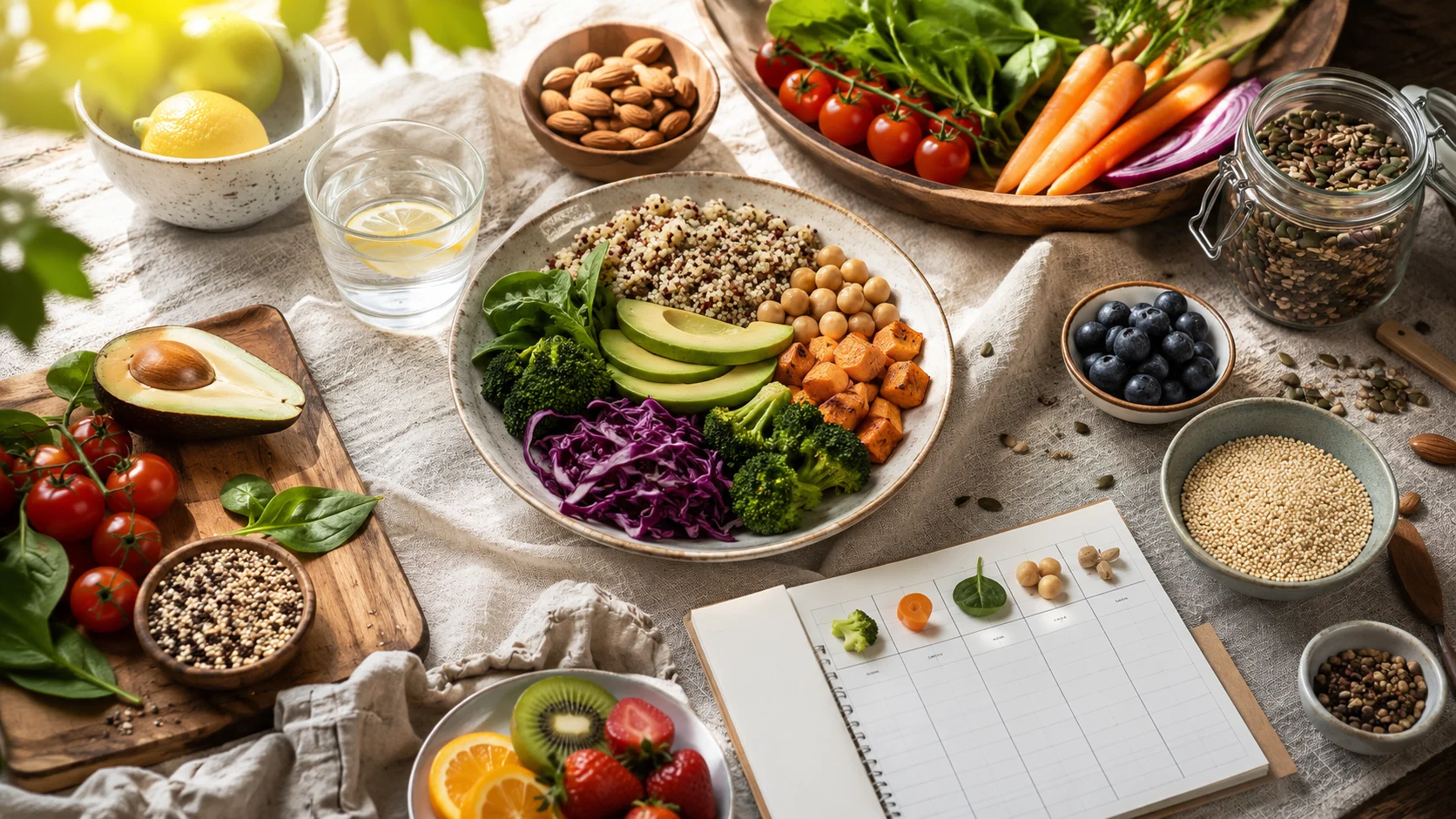

She may call it anxiety eating, but what looks like “eating for no reason” is often the body asking for comfort, steadier energy, or a pause from overwhelm. When food keeps calling her name during a tense afternoon or a restless evening, it does not always mean she lacks discipline. More often, anxiety eating is a stress response—a gentle clue that her nervous system, blood sugar, sleep, or emotional load may need support.
When the Pantry Becomes a Place to Exhale
There is a familiar moment many women know well: the laptop closes, the house is finally quiet, and suddenly the kitchen feels magnetic. She is not necessarily hungry in the simple, growling-stomach sense. She is tired. Wired. A little lonely, perhaps. Food becomes a quick doorway into relief.
This is where anxiety eating can feel confusing. It may seem irrational from the outside, yet inside the body it often makes perfect sense. Stress can raise cortisol, shift appetite, and make quick, comforting foods feel especially appealing. Some research has observed that chronic stress can increase preference for highly palatable foods, especially those rich in sugar and fat, because the brain is trying to soften distress and restore a sense of safety.
“The body is not a problem to be controlled. It is a home asking to be listened to.”
That does not mean every craving carries deep meaning. Sometimes it is beautifully ordinary: she skipped lunch, drank coffee instead of water, and made it to 4 p.m. on very little fuel. What looks emotional may also be physical. In real life, the two often blur together.
The Soft Landing Method
A gentler way to respond to anxiety eating is to use a small micro-framework: The Soft Landing Method. Instead of asking, “How do I stop eating?” it asks, “What would help her land more softly in this moment?”
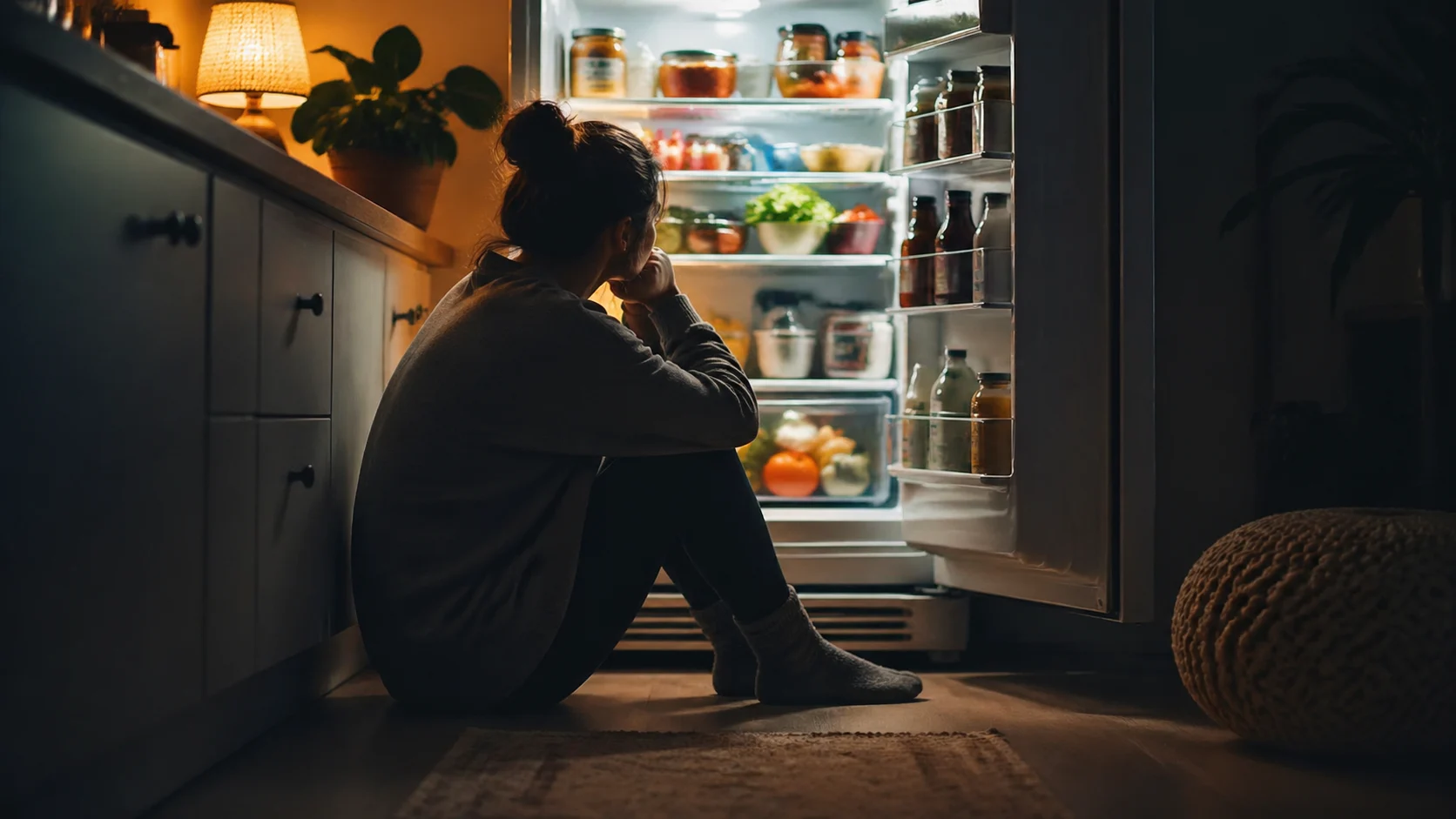
- Pause without punishment. Before reaching for food, she might take one slow breath and notice what the moment feels like. Is it panic, boredom, mental fatigue, or real hunger? The goal is not to interrupt herself with rules, but with kindness.
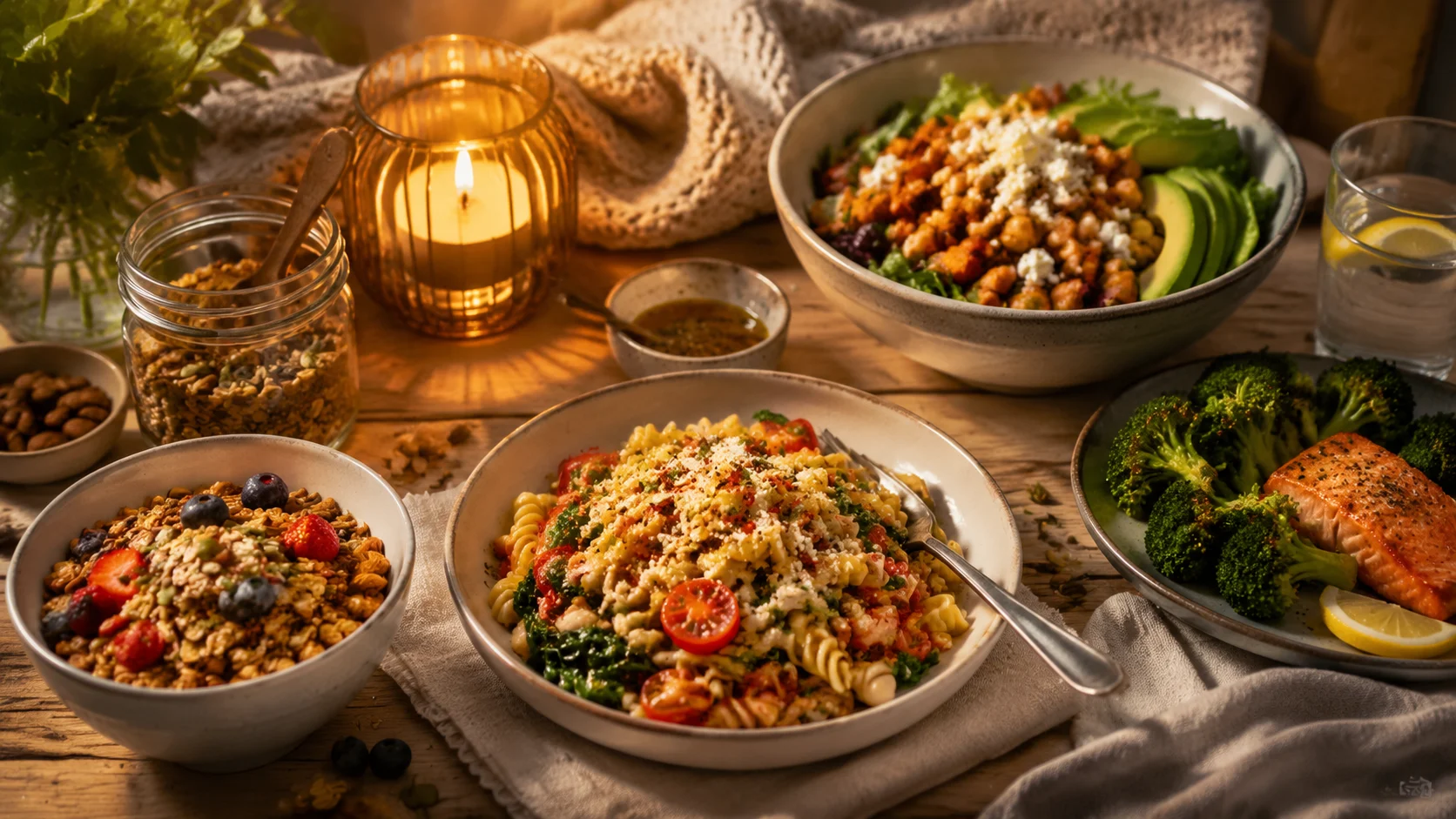
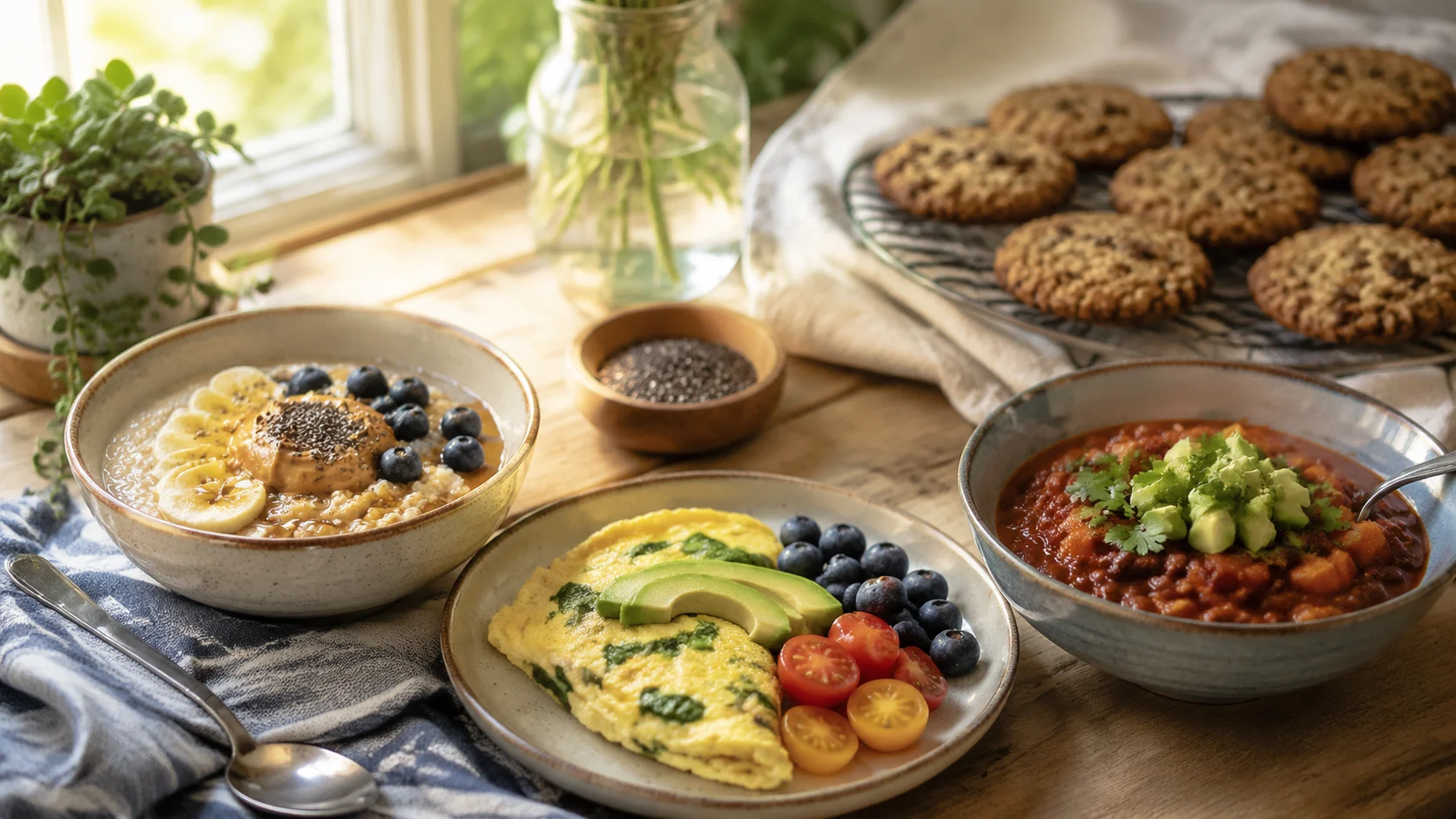
- Add steadiness first. A comforting snack often works better when it brings a little balance. Think of apple slices with peanut butter, or a warm bowl of oatmeal with crushed walnuts and cinnamon. Comfort and nourishment can live in the same bowl.
- Lower the noise. Anxiety often grows in overstimulation. A dimmer lamp, a glass of cold water, soft music, or stepping outside for two minutes can help the nervous system settle enough to hear body signals more clearly.
- Look backward, not just inward. Sometimes the answer is hidden earlier in the day: too little lunch, back-to-back meetings, poor sleep, or carrying everyone else’s needs. The evening craving may have started at noon.
This approach matters because anxiety eating tends to intensify when shame enters the room. Harsh self-talk often keeps the cycle alive far longer than the snack itself.
Why Restriction Can Make the Urge Louder
For many women, anxiety eating does not begin with anxiety alone. It grows in the shadow of food rules. If she has spent years trying to be “good,” ignoring hunger, or labeling certain foods as off-limits, the body may respond with louder cravings when stress arrives.
In that sense, restriction can act like a tightened spring. The more tightly food is controlled, the more forcefully it can rebound in vulnerable moments. A cookie after a hard day is not a moral failure. Often, it is a collision between stress and deprivation.
“What she calls lack of control is often a body that has gone too long without ease.”
That is why support for anxiety eating is rarely about becoming stricter. It is usually about becoming more nourished, more regulated, and less afraid of food.
Small Rituals That Make Evenings Feel Safer
She does not need a perfect routine. She needs a few reliable moments that make the day feel less sharp around the edges.
- A steadier afternoon bridge. A snack around mid-afternoon—like Greek yogurt with berries or toast with avocado and a pinch of salt—can prevent the desperate, foggy hunger that often feeds anxiety eating later.
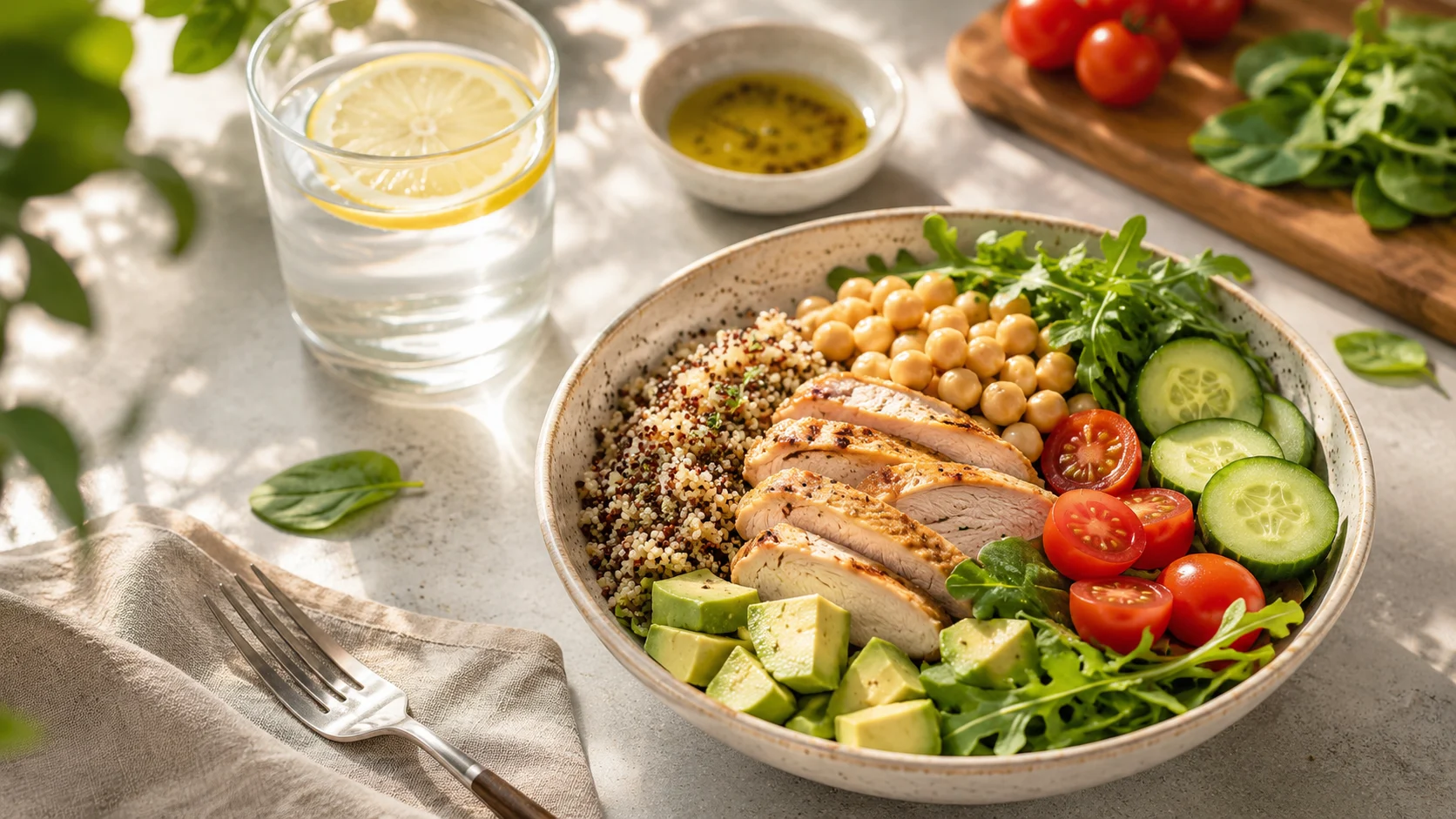
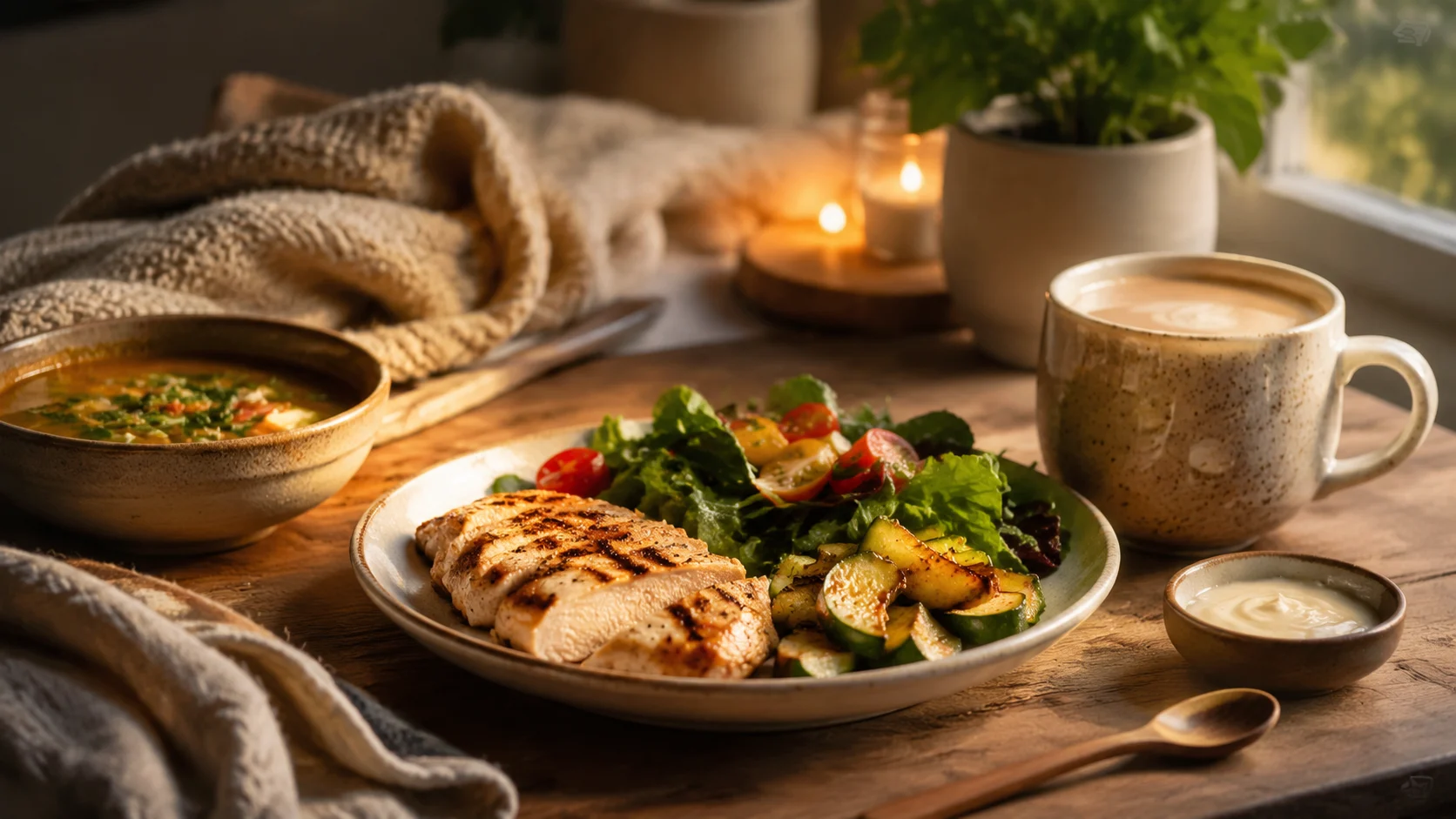
- A softer dinner setup. Even on low-energy nights, a simple plate can help: rotisserie chicken tucked beside microwave rice and buttery green beans. Real-life nutrition counts.
- A comfort plan that is allowed. If evenings are tender, it helps to plan comfort on purpose. A square of chocolate after dinner or a mug of warm milk with cinnamon can feel grounding when it is chosen without secrecy.
- A gentler question. Instead of “Why can’t she stop?” try “What is this moment asking for?” That one shift can change the whole emotional climate.
Please note: Every body has its own rhythm. This gentle guide is for educational purposes only and does not replace personalized advice from a healthcare professional or registered dietitian, especially if anxiety eating feels intense, distressing, or connected to an eating disorder.
You Might Also Wonder
What if anxiety eating happens mostly at night?
That can be a clue that the body is arriving at evening underfed, overstimulated, or emotionally wrung out. Looking at lunch, afternoon snacks, and evening stress can be more helpful than focusing only on nighttime behavior.
How can she tell the difference between hunger and anxiety?
Hunger often builds gradually and feels easier to satisfy with many kinds of food. Anxiety can feel sudden, urgent, and very specific. But the two can overlap, so it helps to stay curious rather than force a perfect distinction.
Should she avoid comfort foods if they trigger overeating?
Usually, making comfort foods forbidden can make them feel even louder. It often helps to include them in a more supported way—alongside enough meals, enough rest, and less food judgment.
What if she feels ashamed after eating?
Shame tends to deepen the cycle. A softer next step might be to notice what was happening before the eating started, then return to the next meal with steadiness instead of trying to compensate.