
When food guilt shows up after a perfectly ordinary bite
Food guilt is rarely proof that someone has “done something wrong.” More often, it is a learned alarm signal—one shaped by stress, old diet rules, and the quiet fear of losing control around food. When she stands in the kitchen after a long day, eating crackers straight from the box or finishing dessert and immediately feeling regret, the problem is usually not the food itself. It is the meaning that has been attached to eating.
Many women carry food guilt like background noise. It hums after takeout, after a second helping, after the chocolate eaten before a period, after the snack grabbed between meetings. The mind turns a human need into a moral story. But eating is not a character test. It is a relationship—one that often becomes strained when the body has been ignored, restricted, or judged for too long.
“The body is not a project to control. It is a home to listen to.”
That is why food guilt can feel so intense even when the meal was ordinary. The guilt is not always about the plate. Sometimes it is grief from years of believing that hunger should be smaller, cravings should be quieter, and satisfaction should be earned.
The false morality hiding inside everyday eating
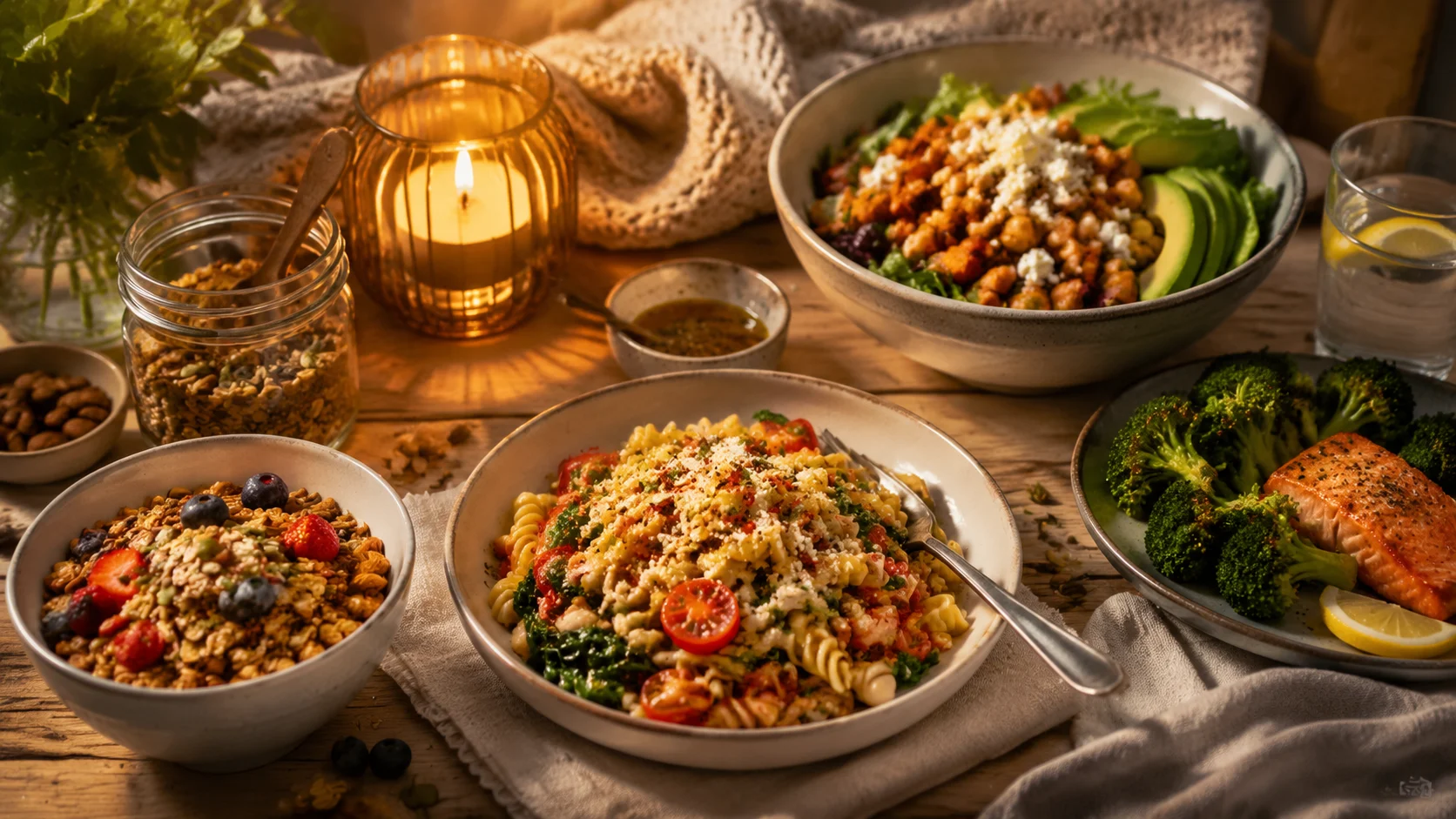
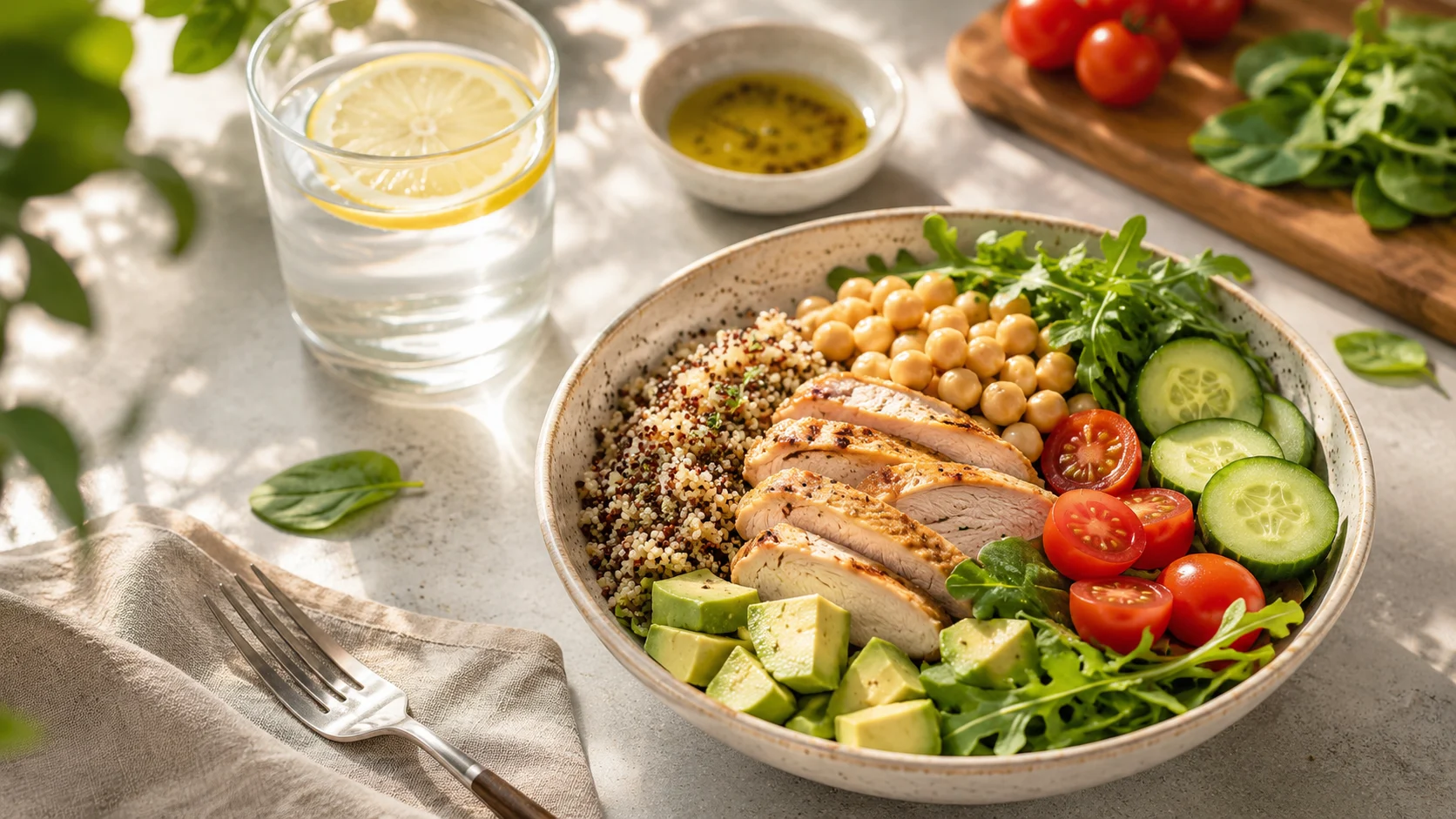
Food guilt tends to grow wherever foods are given moral labels. A salad becomes “good.” Pasta becomes “bad.” A balanced breakfast feels virtuous; a late-night bowl of cereal feels like failure. Once food is sorted into worthiness and wrongdoing, eating stops feeling nourishing and starts feeling like a test.
This is where Joyini’s gentle lens matters: what looks like “overeating” is often a body trying to recover from subtle deprivation. Sometimes that deprivation is physical—too little lunch, not enough protein, long gaps without eating. Sometimes it is emotional—never feeling allowed to enjoy food with ease.
Researchers have long observed that restriction can intensify cravings and preoccupation with food. In one widely cited body of eating behavior research, people placed under food restriction often became more focused on food, not less. That pattern helps explain why food guilt and “loss of control” so often travel together. The tighter the rules, the louder the rebound.

“Food guilt often begins where body trust has been interrupted.”
A gentler way through: the Pause-Name-Nourish method
Instead of answering food guilt with more rules, it helps to use a softer micro-framework: Pause-Name-Nourish.
- Pause. Not to stop eating, but to interrupt the spiral. She might place a hand on the counter and take one slow breath before the shame gathers speed.
- Name. Quietly identify what is happening: “This is food guilt.” Or, “I’m stressed, tired, and looking for comfort.” Naming softens the fog. It turns self-attack into understanding.
- Nourish. Ask what support is actually needed. That may be more food, a more balanced next meal, rest, sweetness, comfort, or simply permission to move on without punishment.
This method does not ask for perfection. It asks for honesty. And honesty is often what rebuilds trust faster than discipline ever could.
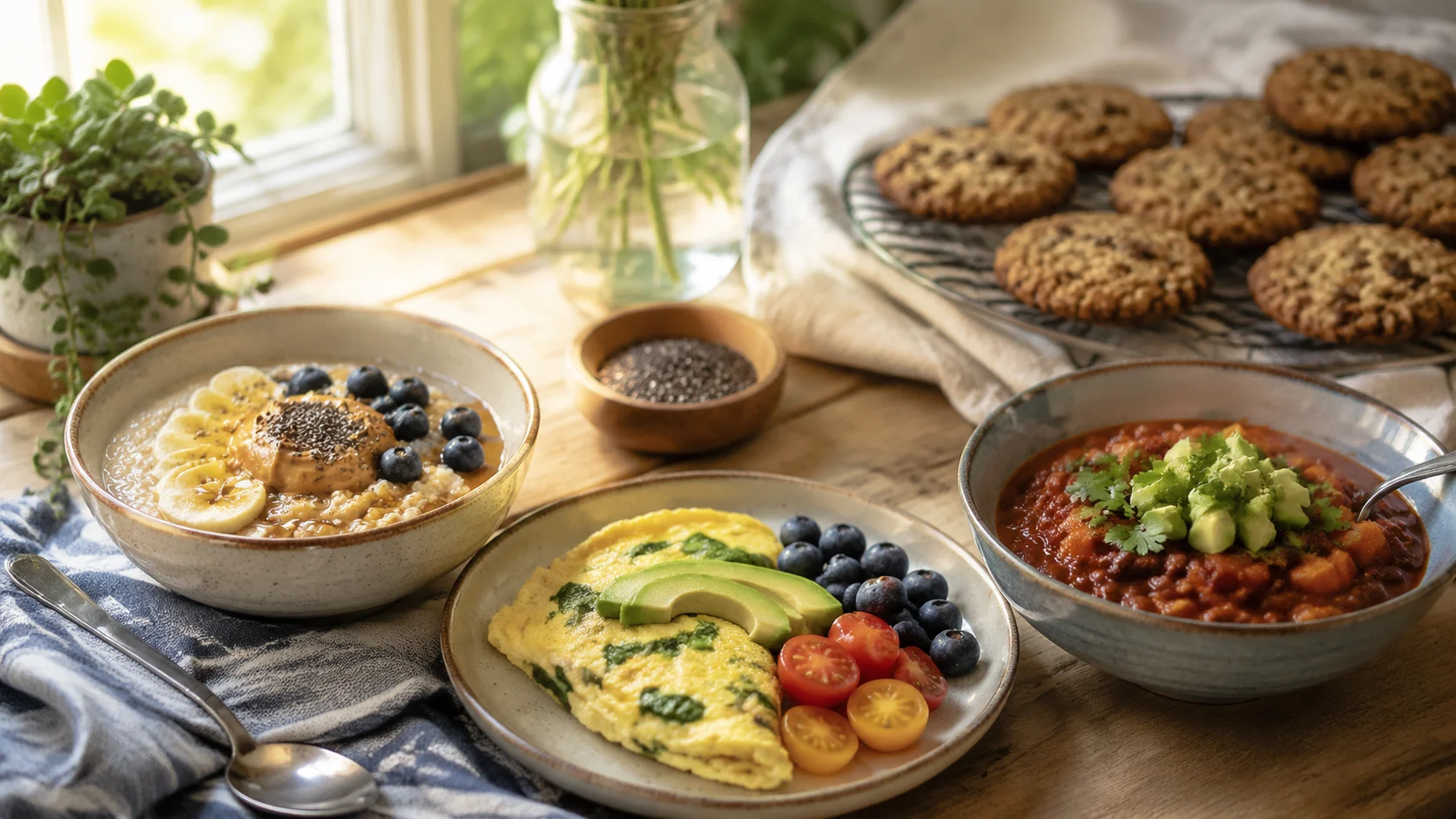
For some women, nourishing means returning to steadier meals: perhaps toast with peanut butter in the morning instead of coffee alone, or a warm grain bowl at lunch so the evening doesn’t arrive with a roar of hunger. For others, it means letting dessert be dessert—something enjoyed at the table, not hidden inside apology.
What food guilt is often trying to say underneath the surface
Food guilt can be a messenger in disguise. Beneath it, there is often a need that has gone unheard:
- More steady energy. When the day runs on caffeine and urgency, the body often asks for quick comfort later.
- Permission to enjoy food. Pleasure is not the opposite of health. It is part of a peaceful relationship with eating.
- Relief from all-or-nothing thinking. One richer meal does not erase care. One snack does not define the day.
- Compassion during hormonal shifts. Before a period, appetite and cravings may rise. That is not weakness; it is a body signal worth understanding.
When she begins to hear these messages, food guilt often loses some of its power. Not overnight. But gradually, like a room becoming brighter at dawn.
Building a calmer relationship with food, one ordinary meal at a time
Healing food guilt rarely happens through one grand breakthrough. It happens in ordinary moments: eating lunch before getting ravenous, adding something satisfying instead of subtracting, speaking more gently after dessert, noticing that a craving before PMS may need support rather than resistance.
A balanced relationship with food is not built by being “good” at eating. It is built by becoming more responsive to body signals, more flexible in real life, and less willing to turn food into shame. The woman who once believed she needed stricter rules may slowly discover that what she needed was steadier nourishment, more permission, and less fear.
Please note: Every body has its own rhythm, history, and needs. This gentle guide is for educational purposes and does not replace personalized advice from a healthcare professional or registered dietitian, especially if food guilt feels intense, persistent, or connected to disordered eating.
You Might Also Wonder
Why do I feel food guilt even when I didn’t eat that much?
Because food guilt is often tied to beliefs, not volume. A small cookie can trigger more shame than a full dinner if that food has been labeled “off limits” in the mind.
Is food guilt a sign that I should have more self-control?
Usually, no. It often points more toward fear, restriction, or stress than a lack of discipline. More control is not always the answer; sometimes more support is.
What should I do right after a guilt-filled eating moment?
Pause before making a “compensating” plan. A steadier next step might be drinking water, taking a breath, and returning to a regular meal instead of skipping one.
Can PMS make food guilt feel worse?
Yes. Hormonal shifts can raise hunger, cravings, and emotional sensitivity. When that happens, gentleness helps more than fighting the body.
How long does it take to reduce food guilt?
It varies. For many women, it softens gradually as they eat more consistently, loosen rigid rules, and practice responding with understanding instead of shame.