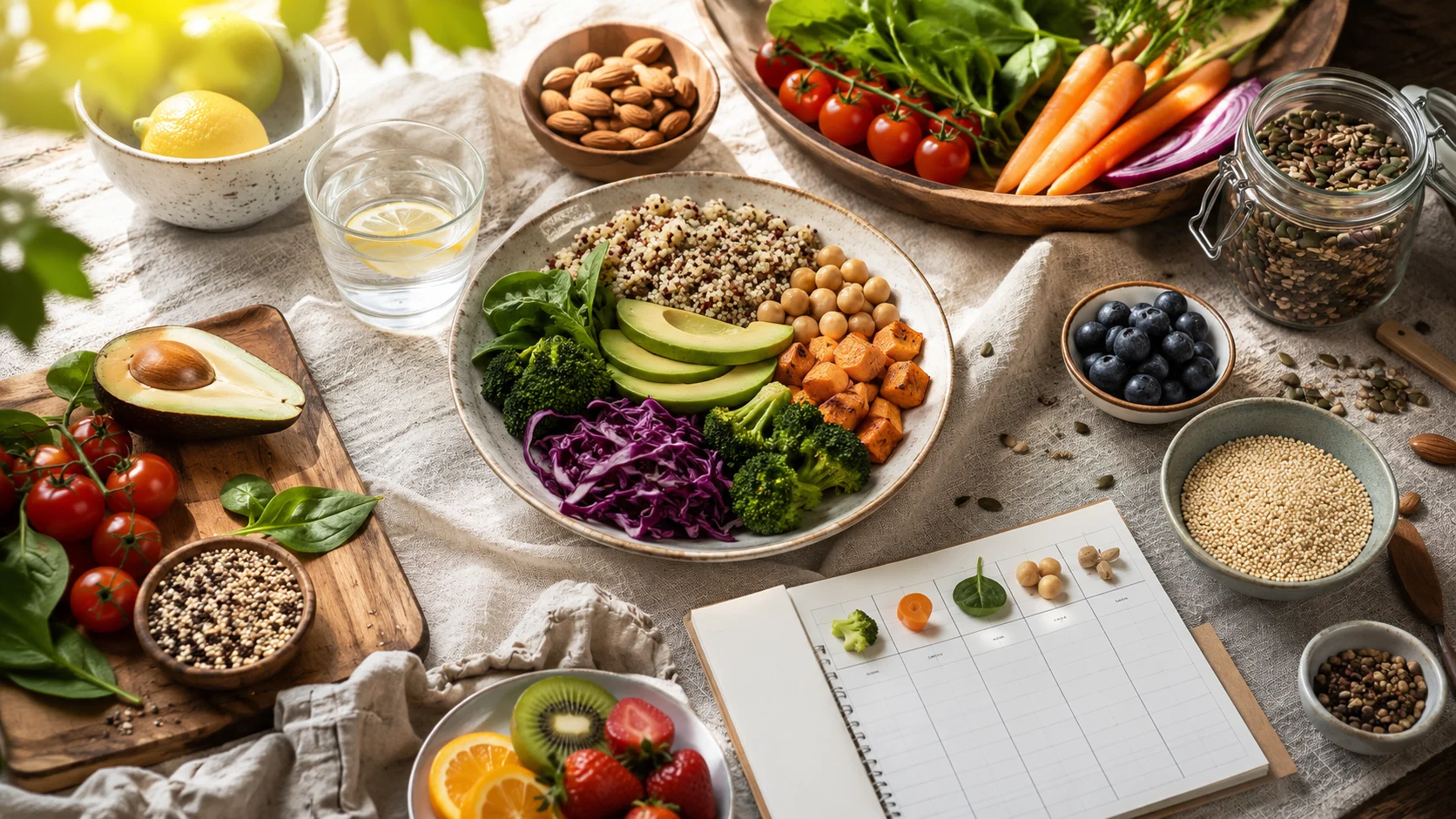

When Control Starts to Feel Like Chaos
An anti diet approach is not about giving up on health. It is about stepping away from the exhausting cycle of rules, guilt, and starting over every Monday. For many women, what looks like “lack of discipline” is often a body responding to stress, restriction, and unmet needs. The anti diet path offers something steadier: more trust, more ease, and a more balanced relationship with food.
She might look perfectly “fine” from the outside—answering emails, reheating coffee, promising herself she will eat lighter tomorrow. But by late afternoon, the day has already turned into a quiet tug-of-war between hunger, stress, and food thoughts. This is where many women begin to realize that dieting did not create peace. It created noise.
“The body is not a project to conquer. It is a place to care for.”
That is the pattern interrupt at the heart of anti diet living: sometimes the problem is not that she has failed the plan. The problem is that the plan has been failing her.
The Gentle Undoing of Food Rules
Diet culture often teaches a woman to mistrust her appetite, praise herself for ignoring hunger, and feel morally better when she eats less. An anti diet perspective softens that harsh script. It does not mean food becomes careless or chaotic. It means food stops being a courtroom.
One helpful way to picture this is Joyini’s Signal, Safety, Satisfaction framework:
- Signal — noticing body signals with curiosity. Maybe she is not “just craving carbs”; maybe lunch was too small, or sleep was thin, or stress has been humming in the background all day.
- Safety — allowing regular nourishment so the body no longer feels it must panic, chase food, or overcompensate at night.
- Satisfaction — making room for meals that feel comforting, grounding, and emotionally real, not merely nutritionally correct on paper.
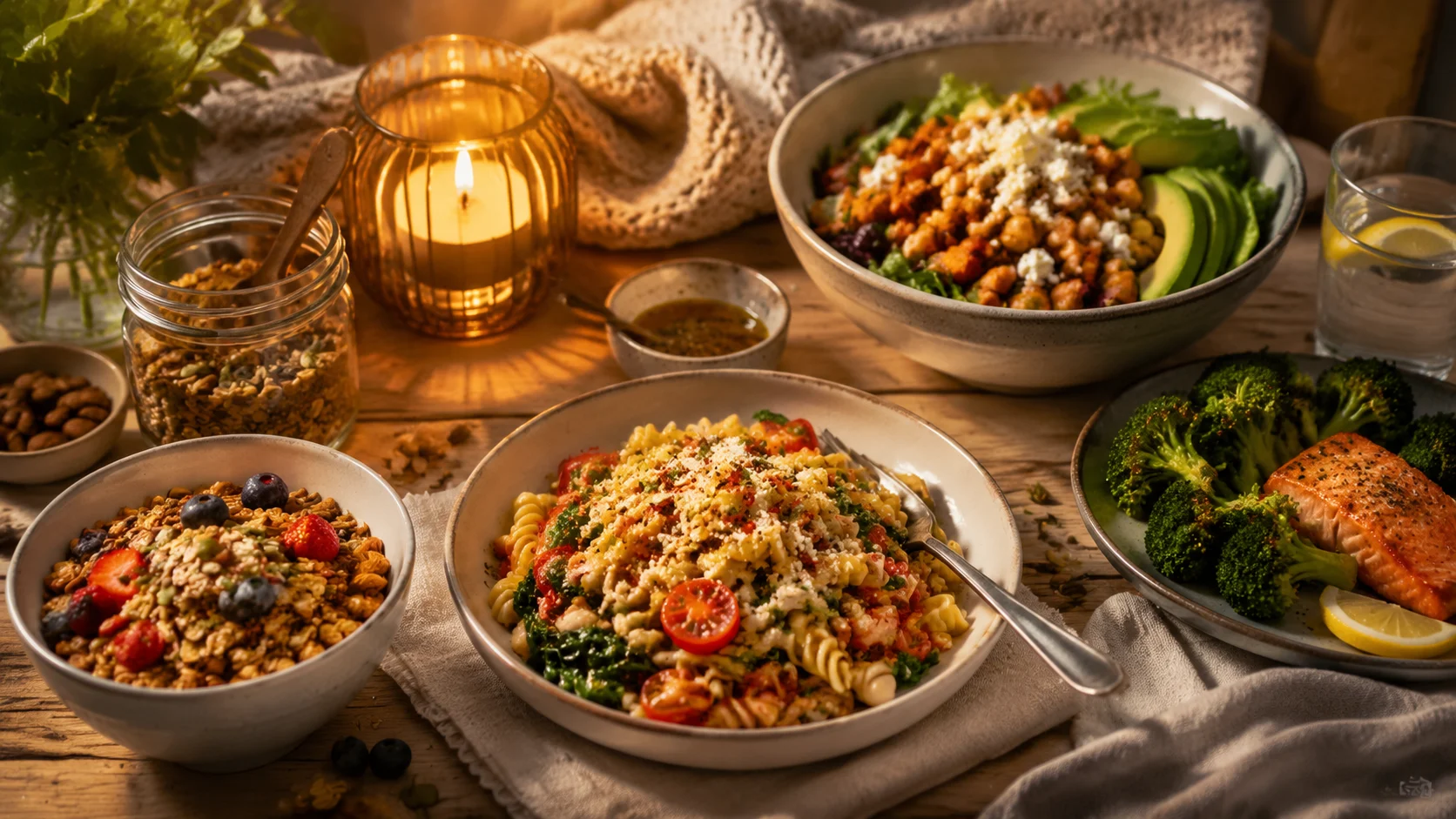
This is where anti diet eating becomes surprisingly practical. A bowl of warm rice with salmon, cucumber, and a drizzle of sauce can do more for steady energy than another round of rigid “clean” rules. A square of chocolate after dinner may create less chaos than trying not to want dessert for three hours.
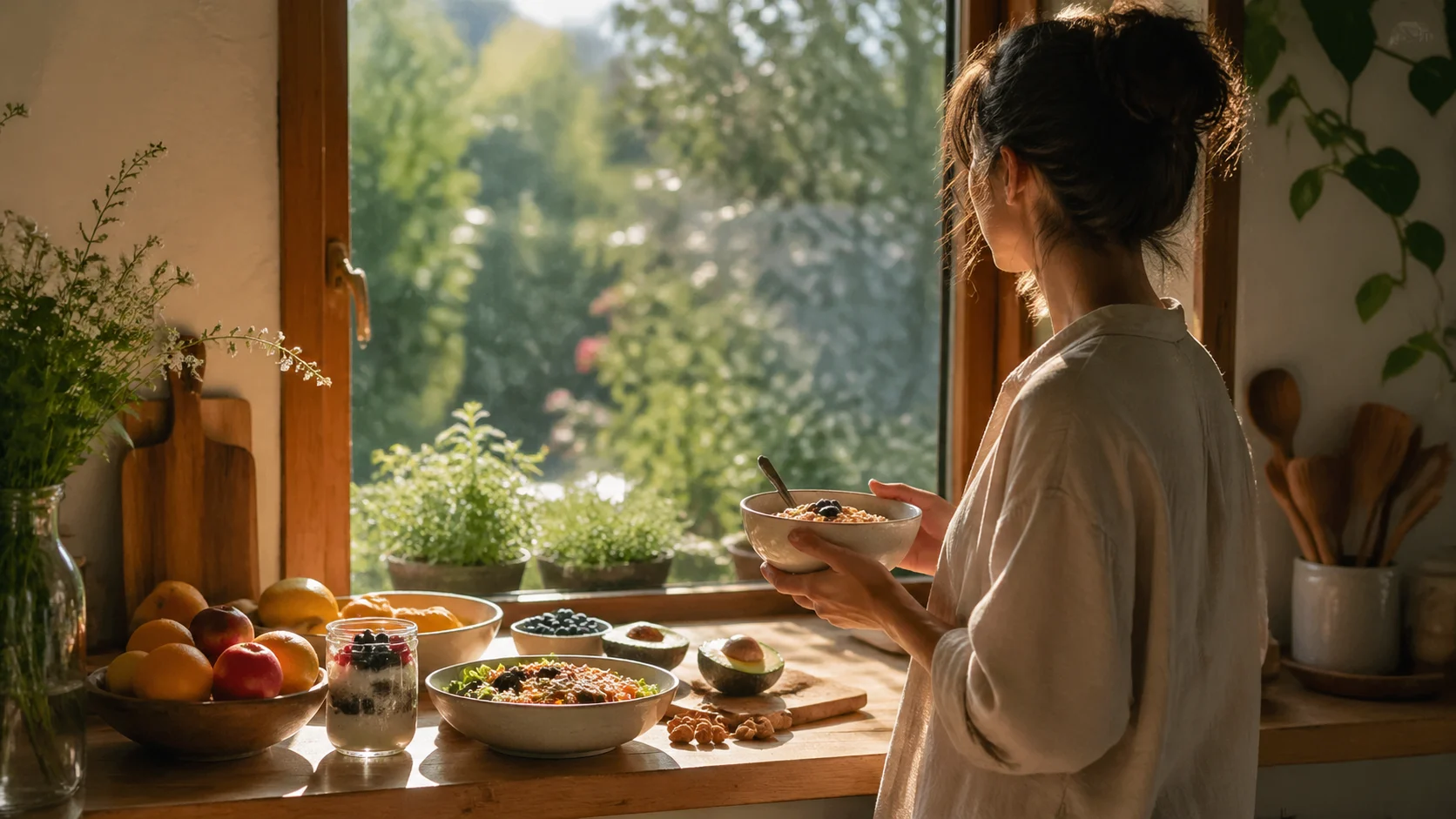
Why Restriction Often Makes Food Feel Louder
Many women discover that the more they restrict, the more intense their cravings become. That is not a character flaw. It is a very human response. When the body senses scarcity, food can become louder in the mind.
Research has long observed this pattern. In the well-known Minnesota Starvation Experiment, even partial restriction increased preoccupation with food, emotional distress, and urges around eating. While everyday dieting is not the same as that study, the direction is familiar: restriction tends to magnify food focus, not erase it.
An anti diet approach helps explain why “being good all day” can turn into eating past fullness at night. If breakfast was rushed, lunch was tiny, and the afternoon ran on nerves and iced coffee, the evening body is not weak. It is simply asking to be supported.
“What looks like losing control is often the body trying to restore balance.”
What Anti Diet Can Look Like in Real Life
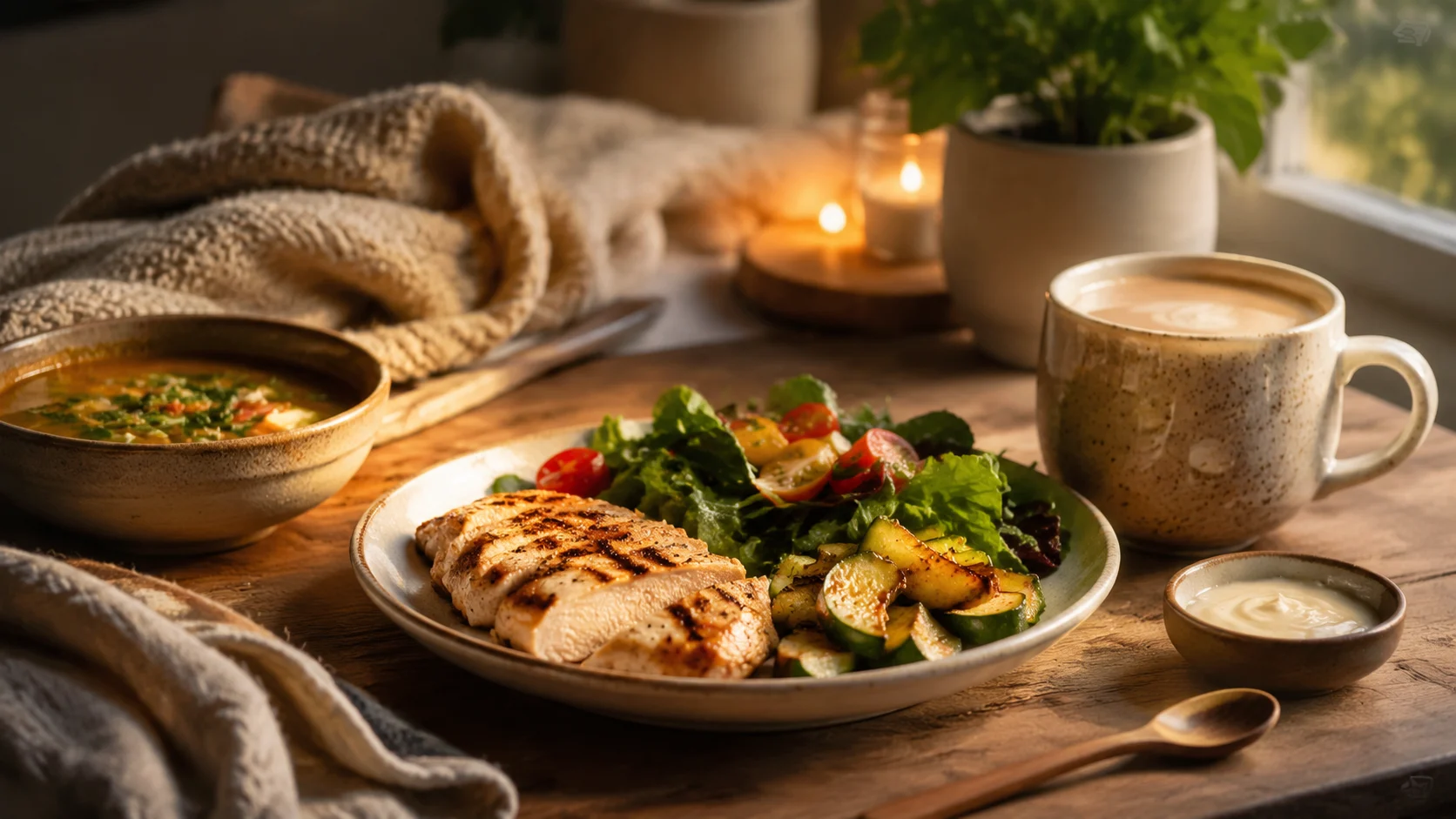
In real life, anti diet choices are often quiet and unglamorous. They happen in office kitchens, school pickup lines, and tired evenings when nobody feels like chopping vegetables.
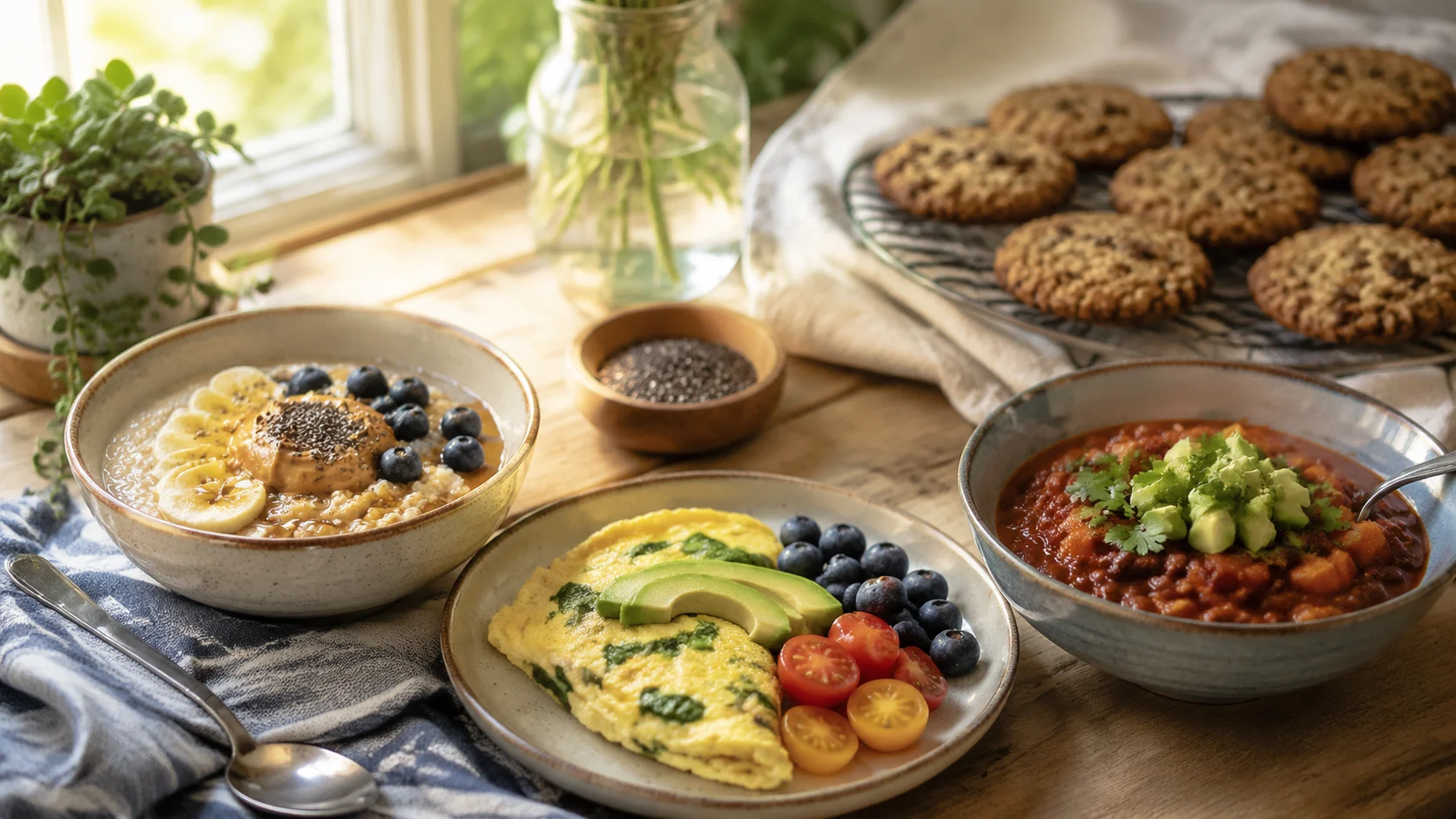
- She adds, instead of only subtracting. Maybe toast gets peanut butter, or pasta gets a side of roasted chickpeas, so the meal carries her longer.
- She plans for steadier energy. Not perfection—just enough support that she is less likely to arrive at 9 p.m. feeling hollow and frantic.
- She stops labeling foods as “good” or “bad.” Some foods comfort, some foods satisfy, some foods are convenient, and many do more than one thing at once.
- She listens after eating, not just before. Energy, mood, fullness, satisfaction, and cravings all become useful information rather than evidence for self-judgment.
This is part of what makes anti diet living feel different. It is not a dramatic rebellion. It is a slow return to body signals, one ordinary meal at a time.
The Kind of Freedom That Still Supports Health
Some people worry that anti diet means nutrition no longer matters. But gentle nutrition still belongs here. Food freedom and nourishment are not opposites. In fact, they often support each other best when shame steps out of the room.
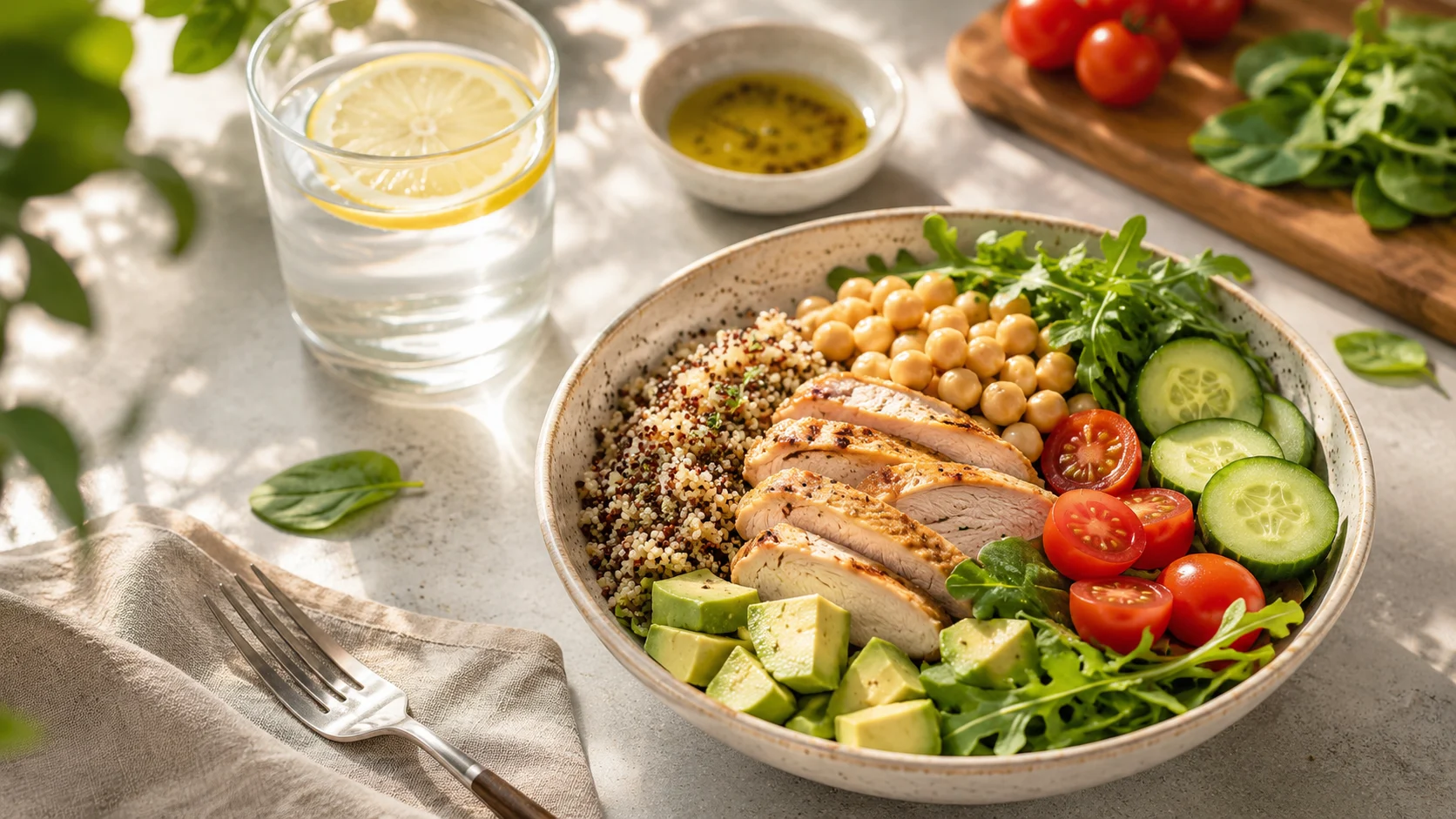
A woman who trusts herself around food may find it easier to build meals with protein, fiber, color, and comfort. She is not doing it to earn dessert or compensate for yesterday. She is doing it because feeling nourished makes her day softer. Her mind gets quieter. Her energy gets steadier.
That is the deeper promise of anti diet life: not a perfect appetite, not endless confidence, but a more peaceful table to return to.
Please note: Every body has its own rhythm, history, and needs. This gentle guide is for educational purposes only and does not replace personalized advice from a registered dietitian, physician, or other qualified healthcare professional.
You Might Also Wonder
Is anti diet the same as not caring about nutrition?
Not at all. Anti diet care often includes nutrition, but without punishment or fear. It asks how food can support energy, satisfaction, and well-being in real life.
What if I feel more hungry when I stop dieting?
That can happen. For some women, hunger becomes more noticeable when years of rules begin to soften. The body may be catching up on trust, consistency, and enough nourishment.
Can anti diet help with emotional eating?
It can be a supportive starting point. When food is no longer framed as a moral test, it becomes easier to notice what else is happening—stress, loneliness, exhaustion, or the need for comfort.
Do I have to throw away all structure?
No. Gentle structure can be deeply supportive. Regular meals, satisfying snacks, and simple planning can help create stability without turning food into a set of rigid rules.