
The Quiet Misunderstanding at the Center of Food Freedom
Food freedom often begins in a surprising place: not with more control, but with less fighting. Many women have been taught that eating feels “successful” only when it is tightly managed. Yet for the woman staring into the pantry at 9 p.m., wondering why she wants something sweet after a long day, the issue is often not a lack of discipline. It is a body asking to be understood with more honesty, steadier nourishment, and less fear.
When she has spent years labeling foods as virtuous or off-limits, her appetite can start to feel like an argument she is always losing. Food freedom is not chaos. It is the slow rebuilding of trust after too many seasons of rules, guilt, and second-guessing.
“The body is not a project to conquer. It is a place to come home to.”
That shift matters. Research on dietary restraint has repeatedly observed that restriction can increase preoccupation with food and make overeating more likely in some people, especially after stress or perceived rule-breaking. In other words, the more tightly food is morally policed, the louder it may become in the mind.
Why Restriction Often Makes Food Feel Louder
Picture her at an ordinary office desk around midafternoon. Lunch was light because she wanted to “be good.” By 4 p.m., concentration is fraying, and cookies begin to glow in her imagination like a rescue flare. This is where the Echo of Enough comes in—Joyini’s gentle way of describing what happens when the body has not received enough satisfaction, enough energy, or enough emotional breathing room. It echoes back later as urgency.
That urgency is not random. It can rise from several places at once:
- Too little food earlier in the day — a skimpy breakfast or rushed lunch often shows up later as intense cravings, especially when energy dips.
- Stress without pause — when the nervous system stays switched on, food can begin to look like comfort, grounding, or relief.
- Food rules that feel moral — the moment dessert becomes “bad,” it can also become emotionally charged and harder to approach with ease.
Food freedom softens this cycle by removing the courtroom energy from eating. Instead of asking, “Was I good today?” she begins to ask, “What might my body be asking for?”
What Food Freedom Looks Like in Real Life, Not on Paper
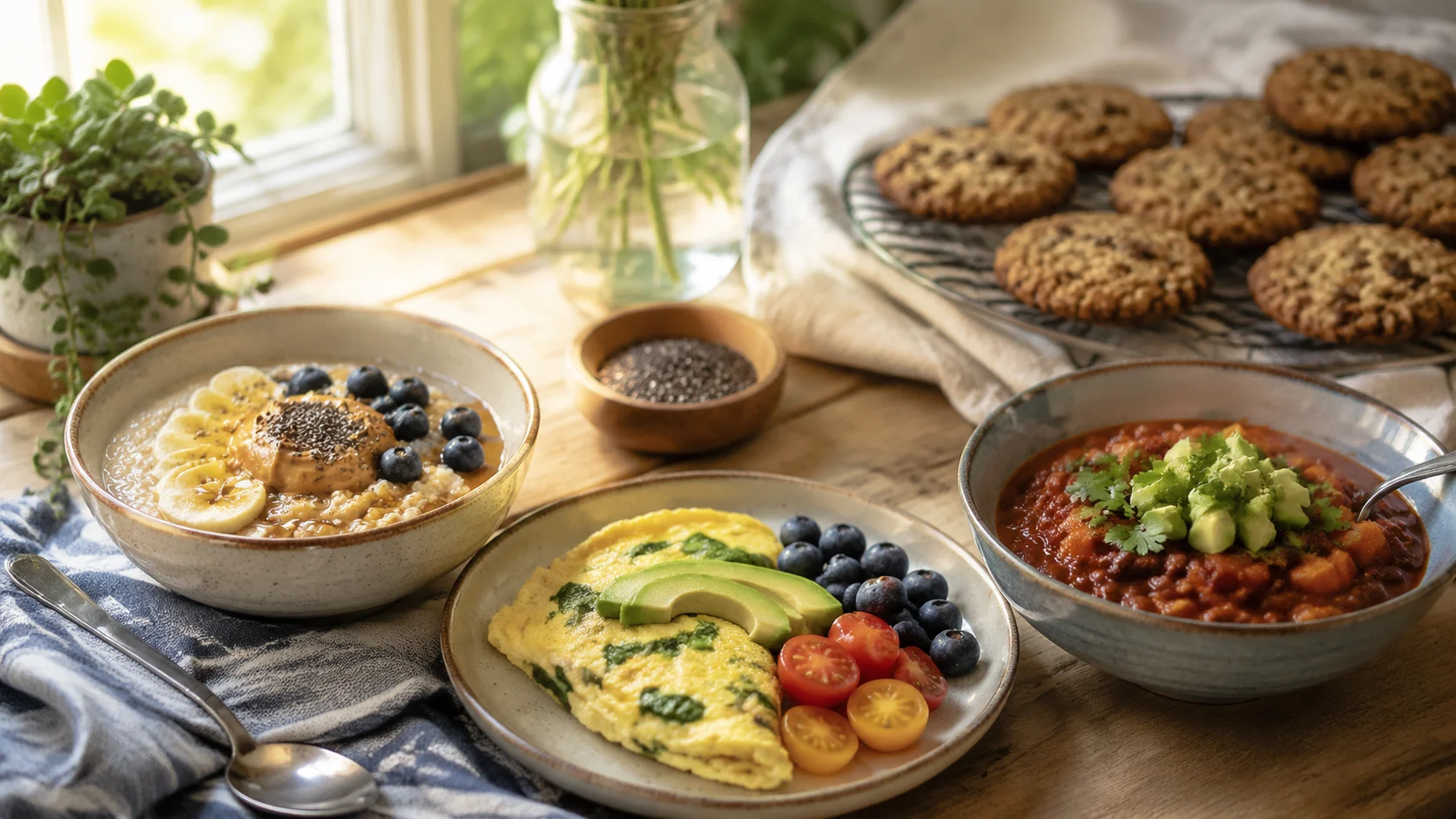
In real life, food freedom rarely arrives as a grand breakthrough. It shows up in smaller scenes. She adds toast beside the eggs because she knows carbs help meals feel complete. She eats the chocolate slowly after dinner and notices that permission makes it less dramatic. She orders takeout and lets “balanced enough” be enough.

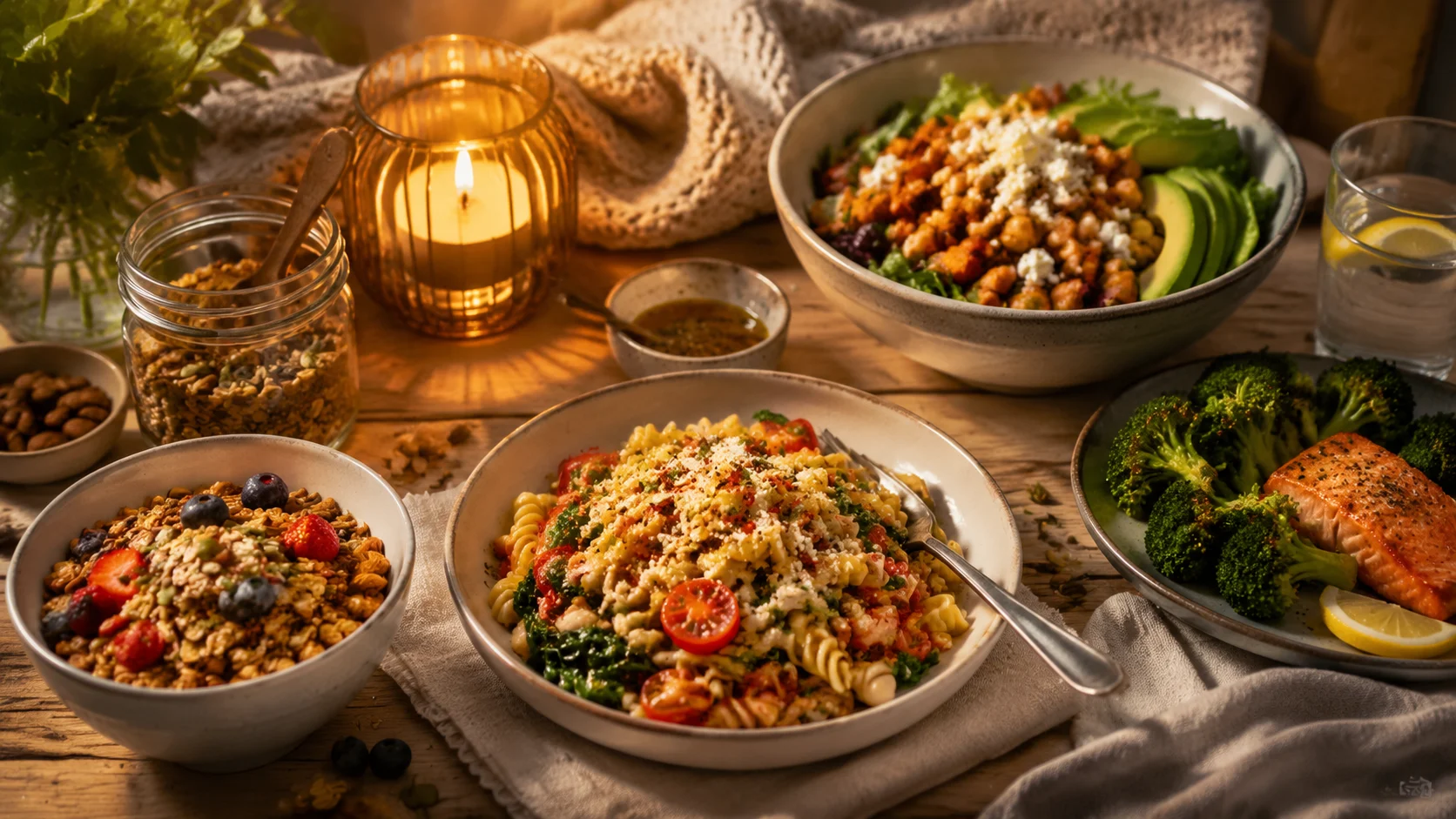
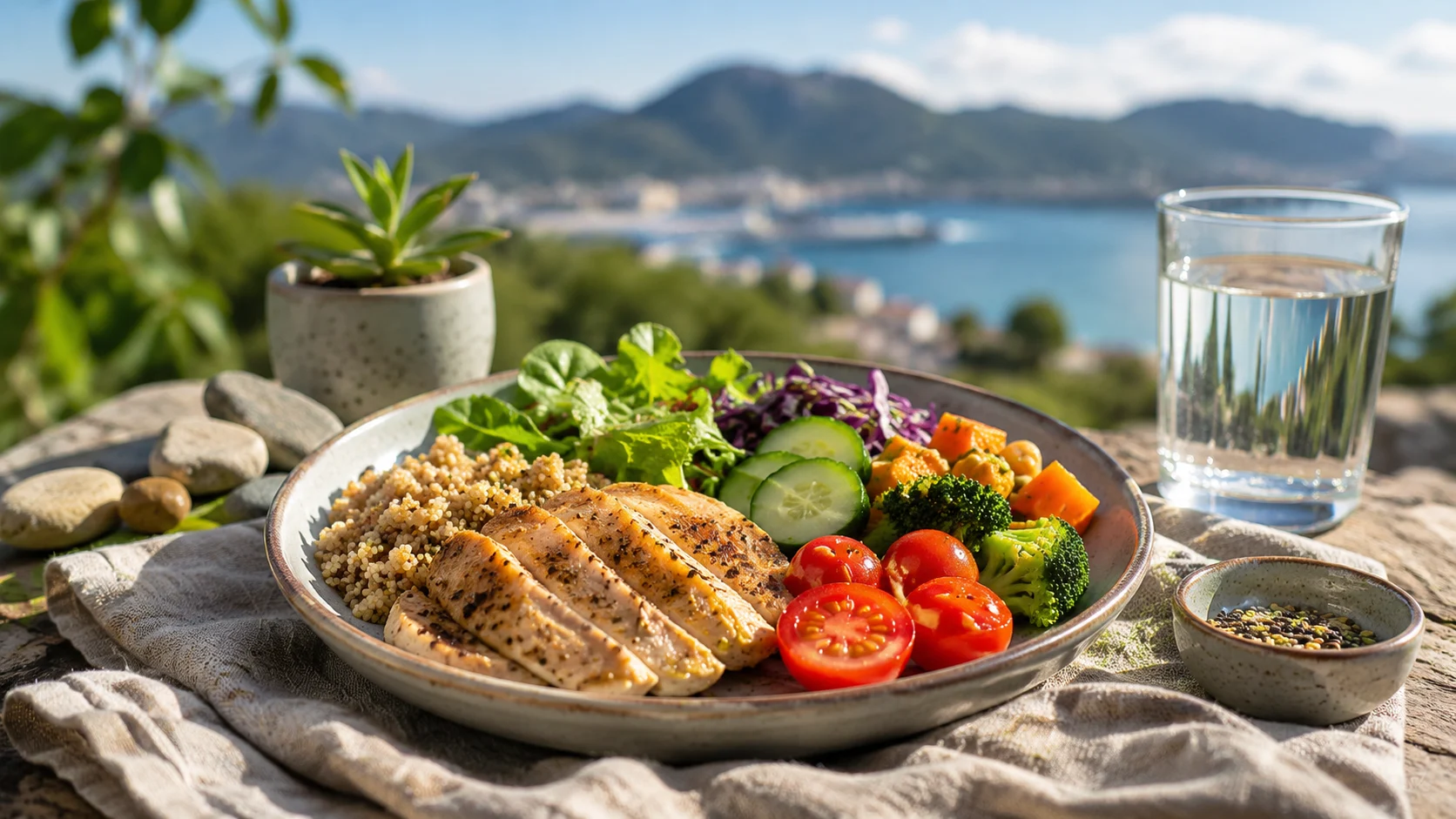
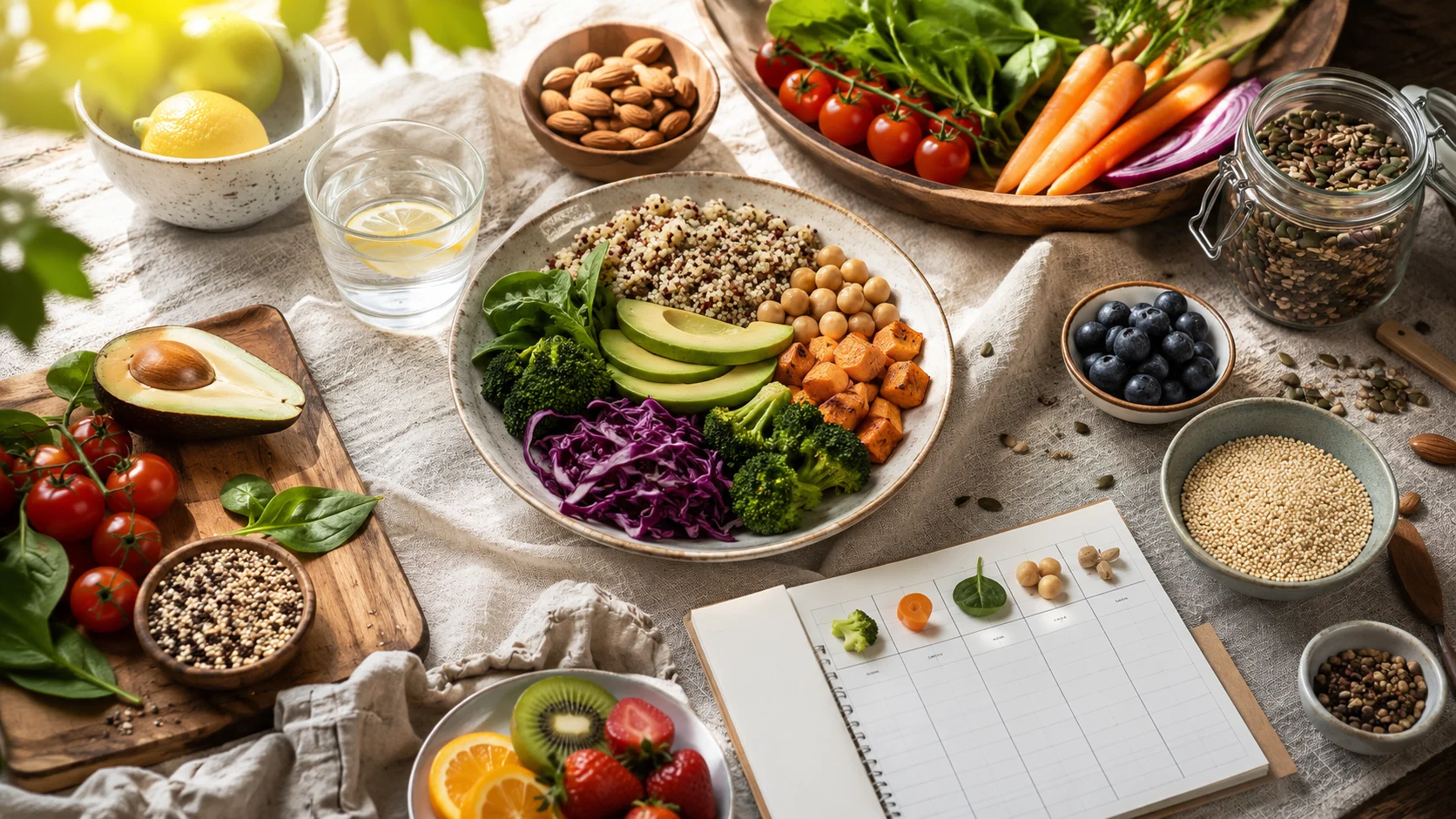
This is not giving up on health. It is stepping away from fear-based eating and moving toward a steadier, more livable relationship with food. A balanced plate in this world may look like warm rice under salmon, cucumber slick with sesame, and something sweet at the end because satisfaction matters too.
“When food is no longer a moral test, it becomes easier to hear the body’s actual voice.”
Many women find that food freedom also means grieving a little. Grieving the years spent trying to earn ease through shrinking, through perfect tracking, through eating that looked polished on paper but felt lonely in the body. That grief is tender, and it deserves kindness.
A Gentle Way to Practice: The Permission–Anchor–Notice Method
Rather than chasing perfection, she can return to a simple rhythm: Permission–Anchor–Notice.
- Permission — Let the food exist without turning it into a test. This lowers the intensity that often comes from forbidden thinking.
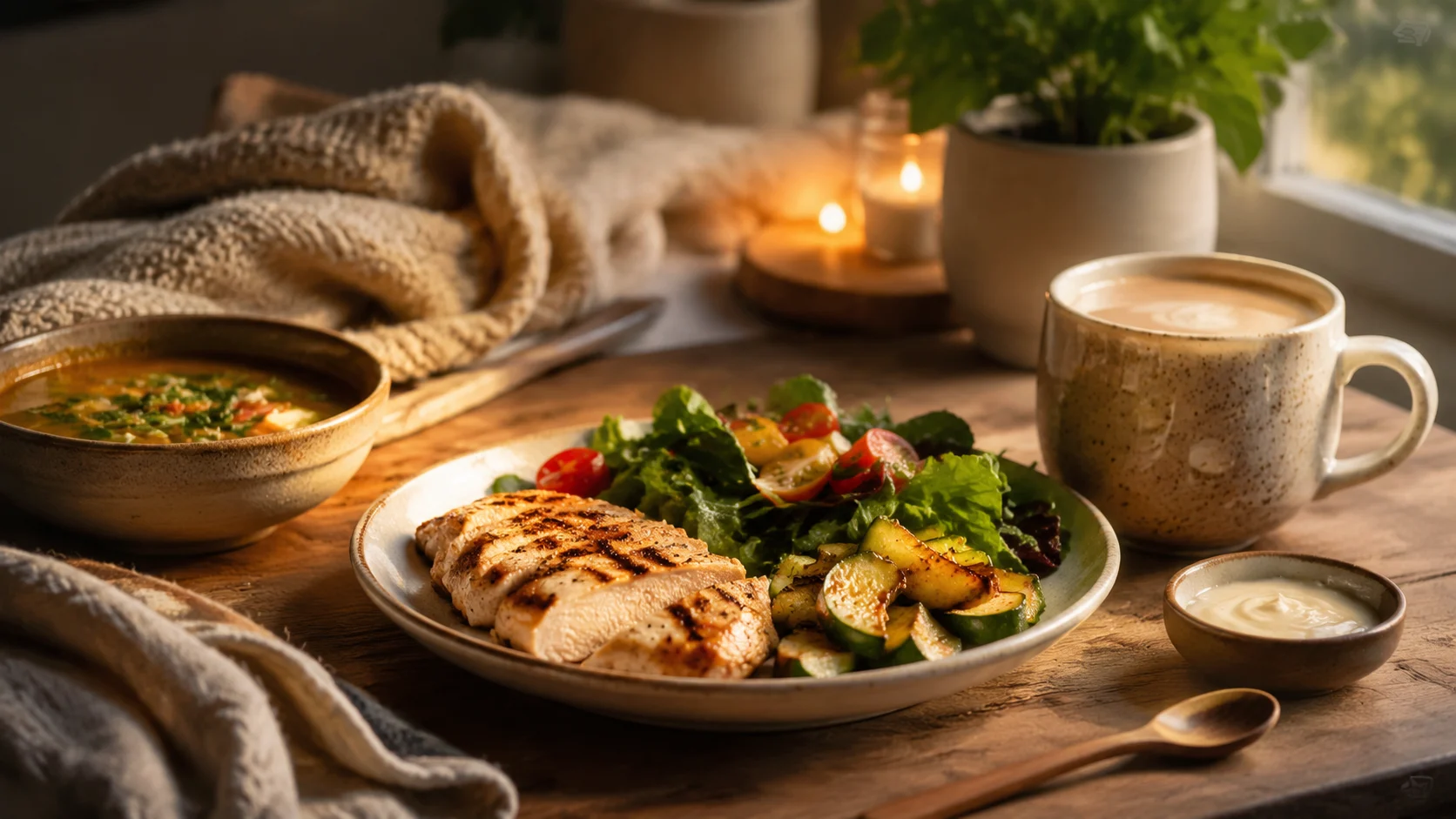
- Anchor — Pair pleasure with steadiness. A flaky pastry may feel even more satisfying alongside yogurt, fruit, or a warm latte that helps the moment feel grounded rather than frantic.
- Notice — After eating, pause long enough to sense what changed. Is there more calm? More energy? More satisfaction? Curiosity builds trust faster than criticism.
This is one of the gentlest doors into food freedom because it does not demand a personality transplant. It simply asks her to listen with more patience than punishment.
When Eating Feels Emotional, Food Freedom Still Belongs to Her
Some nights, the craving is not just physical. It is the softness missing from a hard day. It is the exhale that never happened. Food freedom does not require pretending those moments are purely about hunger. It makes room for emotional reality without shaming it.
She might still reach for chips on the couch after a tense conversation or a draining commute. But if she can meet that moment with less self-attack, the spiral often eases. Compassion does not make habits worse; it makes honest change more possible.
The deeper promise of food freedom is not that she will never overeat, never crave, never eat for comfort. It is that food can become less loaded, less dramatic, less tangled with self-worth. And from that softer ground, steadier choices often grow.
Please note: Every body has its own rhythm, history, and needs. This gentle guide is for educational purposes and does not replace personalized advice from a registered dietitian, physician, or mental health professional—especially if eating feels persistently distressing or overwhelming.
You Might Also Wonder
What if food freedom makes me afraid I’ll eat everything in sight?
That fear is very common, especially after years of restriction. For many people, the intensity settles when the body begins to trust that permission is real and consistent, not a one-day exception.
Can I care about nutrition and still want food freedom?
Yes. Food freedom is not the opposite of nourishment. It simply removes punishment from the equation so nutrition can feel supportive instead of controlling.
What if I still feel guilty after dessert?
Guilt may linger for a while because old beliefs do not disappear overnight. It can help to gently name the guilt, then return attention to what the dessert actually tasted like, felt like, and whether it brought satisfaction or comfort.
How do I start if I don’t trust my hunger at all?
Start with rhythm before intuition. Regular meals and snacks can create a steadier foundation, and trust often grows more easily when the body is consistently nourished.