
When Comfort Eating Is Really a Body Message
Comfort eating is not always about a lack of discipline. Very often, it is the body asking for relief, steadier energy, emotional softness, or simply enough food after a long, demanding day. For many women, the urge to reach for something warm, sweet, crunchy, or familiar is less a personal flaw and more a signal worth understanding with care.
She gets home after answering messages all day, holding herself together through meetings, traffic, childcare, or quiet stress. Then the kitchen light comes on, and suddenly toast with butter, leftover pasta, or a handful of chocolate feels louder than every wellness rule she has ever heard. That moment of comfort eating can look impulsive from the outside. Inside, it often makes perfect sense.
The common mistake is assuming comfort means weakness. But comfort is a human need. Food becomes one of the fastest ways to create it, especially when the body is underfed, overstimulated, lonely, or tired.
Body cues are not character flaws. They are messages spoken in sensation instead of words.
The Hidden Reasons It Feels So Powerful
Comfort eating often grows in the space where several needs overlap. Hunger may be part of it, but not the only part. Sometimes the body wants quick energy because lunch was too light. Sometimes the nervous system wants something predictable after a hard conversation or a day of masking exhaustion.
A useful way to picture this is the Soft Landing Framework: before eating feels chaotic, the body is usually looking for one of four things—calm, energy, satisfaction, or permission. When those needs go unmet for too long, food can become the most available landing place.

- Calm: Warm or familiar foods can feel grounding when stress is high.
- Energy: If the afternoon passed on coffee and a granola bar, the evening appetite may arrive like a wave.
- Satisfaction: Meals that are technically “healthy” but emotionally unsatisfying can leave a person still searching.
- Permission: After long periods of food rules, the forbidden food often becomes the loudest food.
Research has long observed that stress can shift eating patterns, especially toward highly palatable foods rich in sugar or fat, partly through cortisol and reward pathways. In other words, this response is not random. It is deeply human biology meeting modern pressure.
What to Do in the Moment Without Making It Worse
The gentlest response to comfort eating is not to clamp down harder. Restriction often turns one tender moment into a painful cycle. A softer pause tends to work better.
Before the first bite—or even halfway through—it can help to ask: What kind of comfort is she actually reaching for right now? Not in a cold, analytical way. More like noticing the weather.
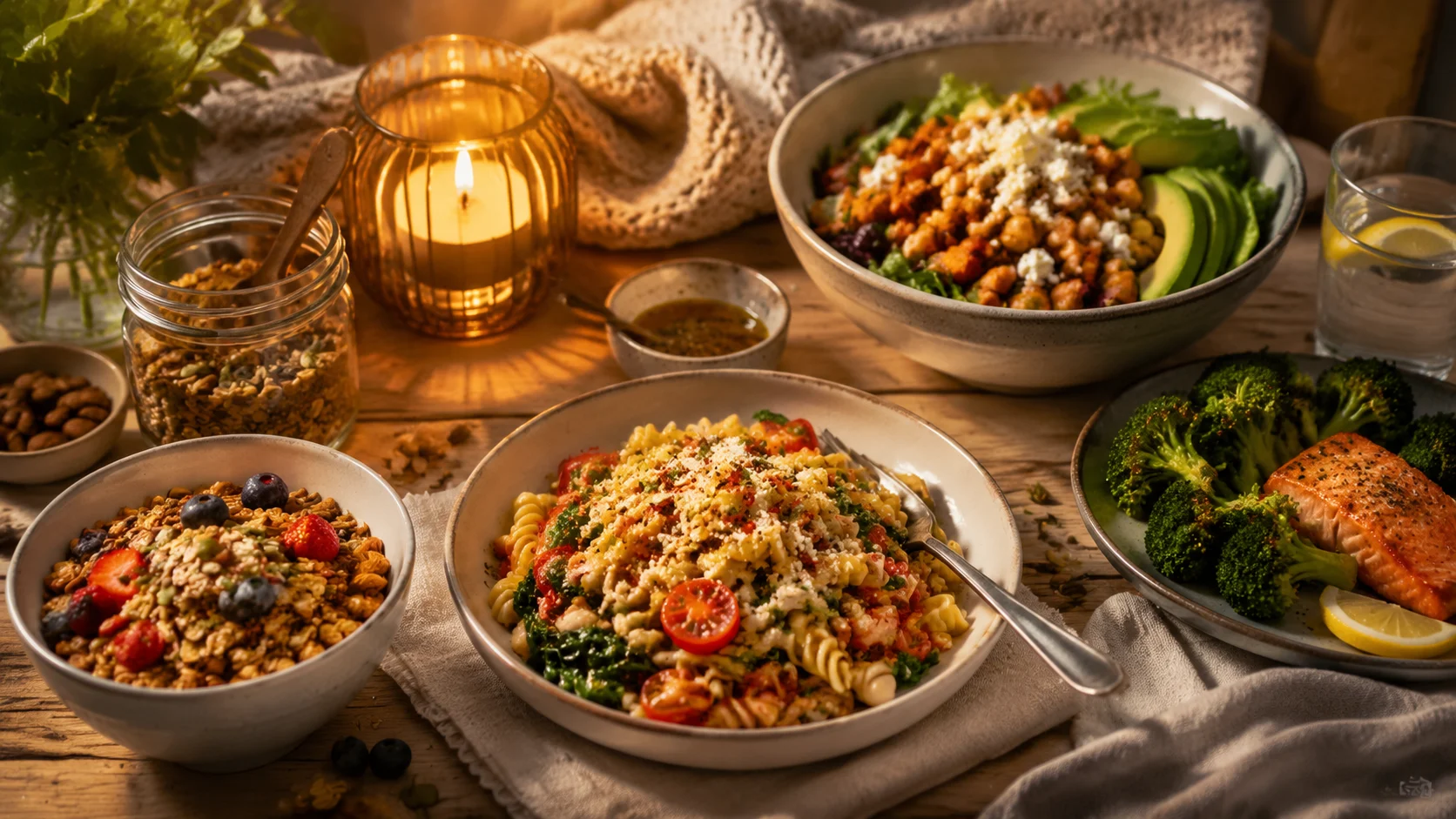
- If she needs food: A real meal may help more than picking at snacks. Think of a warm bowl of rice with salmon and cucumber, or toast with eggs and avocado, where comfort and steadiness sit on the same plate.
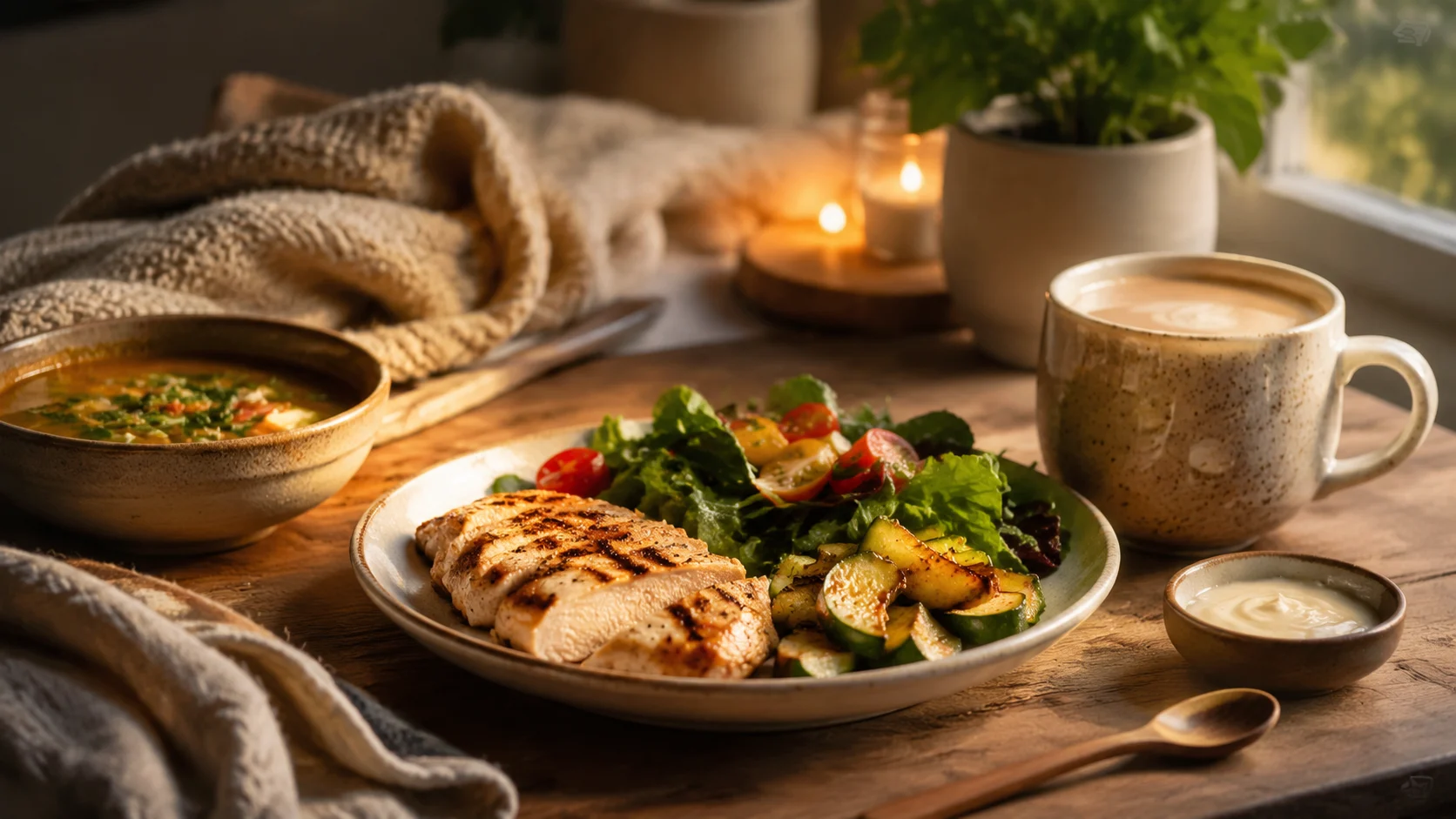
- If she needs rest: Eating may still happen, but pairing it with a softer couch, lower lights, or ten quiet minutes can change the feeling of urgency.
- If she needs emotional release: A few lines in a notes app, a voice memo, or texting a trusted friend can give the feeling somewhere else to land too.
- If she needs satisfaction: Letting the food be genuinely enjoyable matters. Eating the yogurt while wishing for cookies often keeps the search going.
The goal is not to become a woman who never wants comfort. The goal is to build more ways to receive it.
How Gentle Meals Can Lower the Volume of Comfort Eating
Many women notice that comfort eating becomes more intense when the day has been nutritionally thin. This does not mean every craving disappears with a balanced plate, but steady nourishment often makes emotional urges less sharp and less frightening.
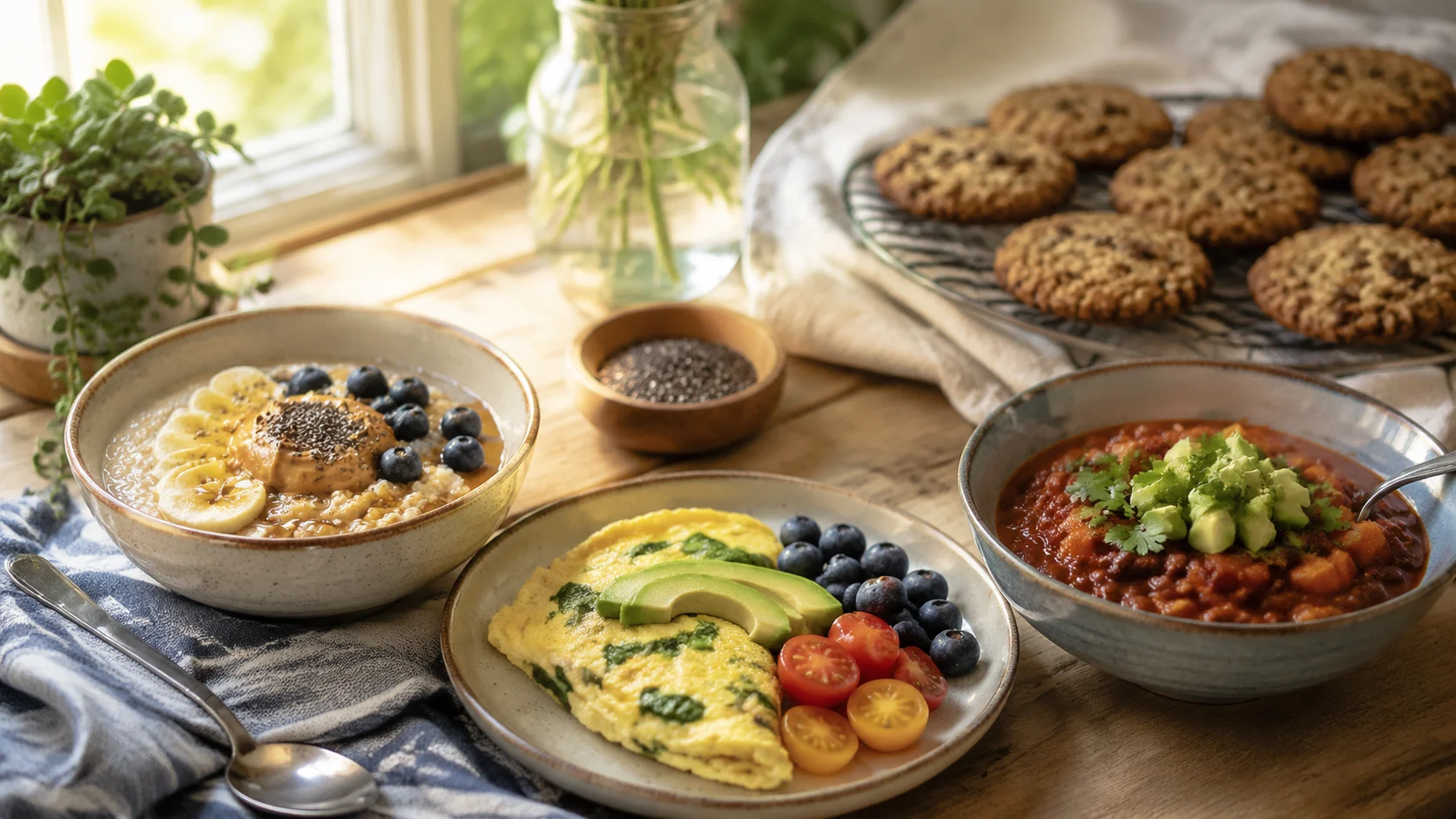
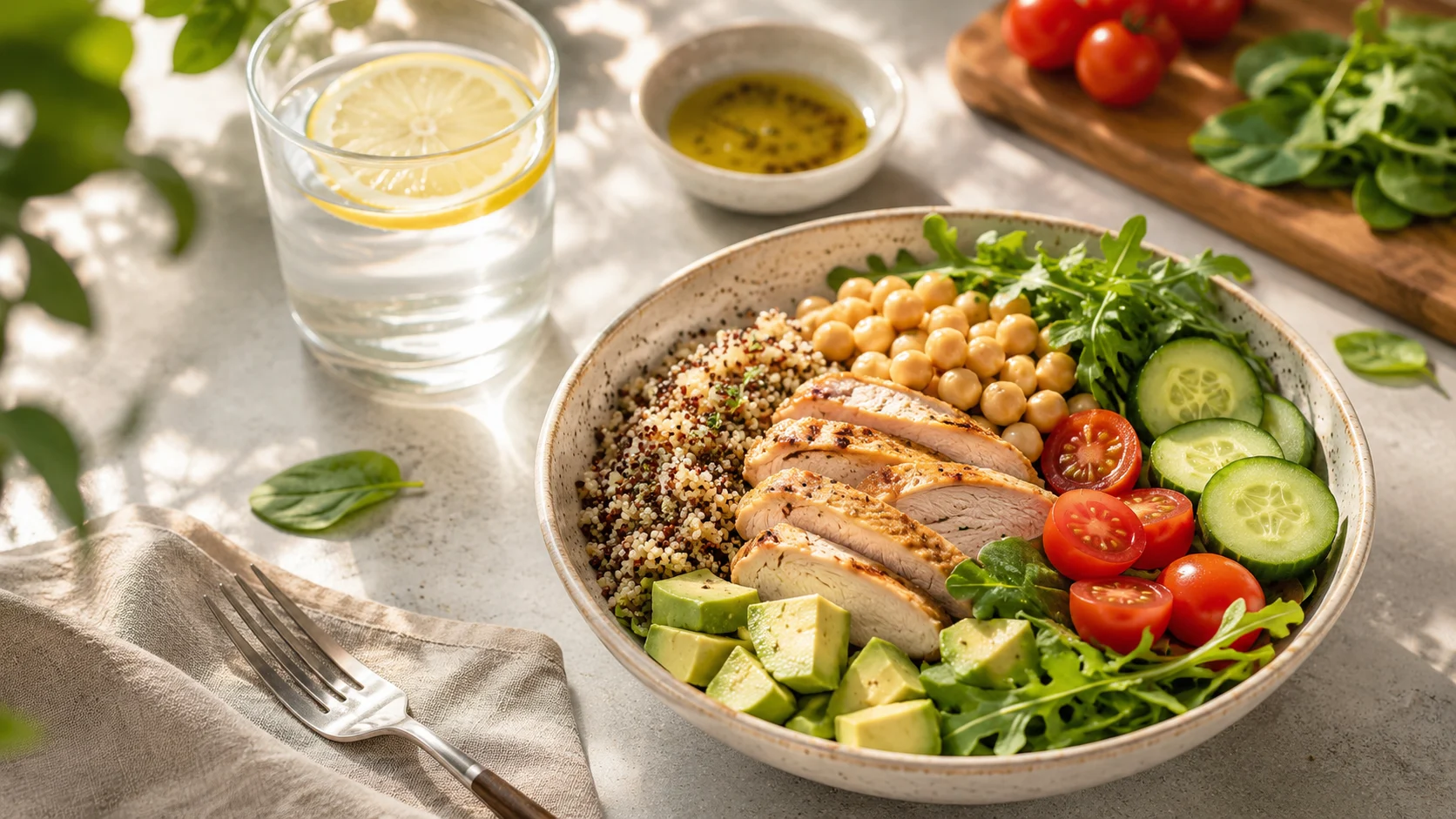
A simple rhythm helps: include protein, fiber, carbs, and fat in ways that feel realistic. Not perfect. Real. A bowl of oatmeal becomes more supportive with Greek yogurt, berries, and crushed walnuts. A rushed lunch becomes steadier with a turkey sandwich, fruit, and something crunchy on the side. These are small acts, but they change the body’s sense of safety.
There is also freedom in dropping the “good food versus bad food” story. When comfort foods are no longer treated like a moral failure, they often lose some of their dramatic pull. They become food again—sometimes practical, sometimes emotional, sometimes both.
Questions That Often Come Up
Why do I want comfort food at night even if I ate dinner?
Night can magnify unmet needs. The body may want more energy, but it may also want decompression, pleasure, or a transition out of performance mode. Dinner can be enough on paper and still not feel fully satisfying.
Is comfort eating the same as emotional eating?
They overlap, but they are not always identical. Comfort eating often leans toward soothing and familiarity. Emotional eating is broader and can include stress, boredom, sadness, celebration, or overwhelm.
What if I feel guilty every time I eat for comfort?
Guilt usually adds more pain than clarity. It can help to replace judgment with observation: What happened earlier today? Was she underfed, overstretched, lonely, or running on fumes? That question opens more healing than self-blame.
Can I still honor comfort eating and care about nutrition?
Yes. Those two things are not enemies. Nutrition can support comfort, and comfort can exist inside balanced eating. A comforting meal can still offer steady energy.
Please note: Every body has its own rhythm, history, and emotional landscape. This article is for educational purposes and does not replace personalized care from a registered dietitian, therapist, or other qualified healthcare professional, especially if eating feels distressing or out of control.