
When the Snack Isn’t Really About Hunger
How to stop stress eating often begins with a surprising truth: the problem is usually not a lack of discipline. More often, it is a body trying to find relief, comfort, or a brief soft place to land. When she reaches for something crunchy after a hard meeting or something sweet late at night, it may be less about food and more about a nervous system asking for support.
That shift matters. It turns the question from “Why can’t she control this?” into “What is her body asking for right now?” For many women, that is the gentlest and most effective place to begin.
Body trust grows faster in compassion than it ever does in criticism.
Stress eating can feel confusing because it is real hunger sometimes, emotional comfort other times, and very often a mix of both. A woman may eat very little through the day, run on coffee and urgency, and then feel almost magnetically pulled toward food at night. That is not failure. That is a body catching up.
The Pause–Nourish–Soothe Method
If she wants to learn how to stop stress eating in a way that actually lasts, it helps to use a simple micro-framework: Pause–Nourish–Soothe.
- Pause. Not to judge, but to notice. Is her chest tight? Is her mind racing? Did she skip lunch? Even ten quiet seconds can reveal whether the craving is driven by physical depletion, emotional overload, or both.
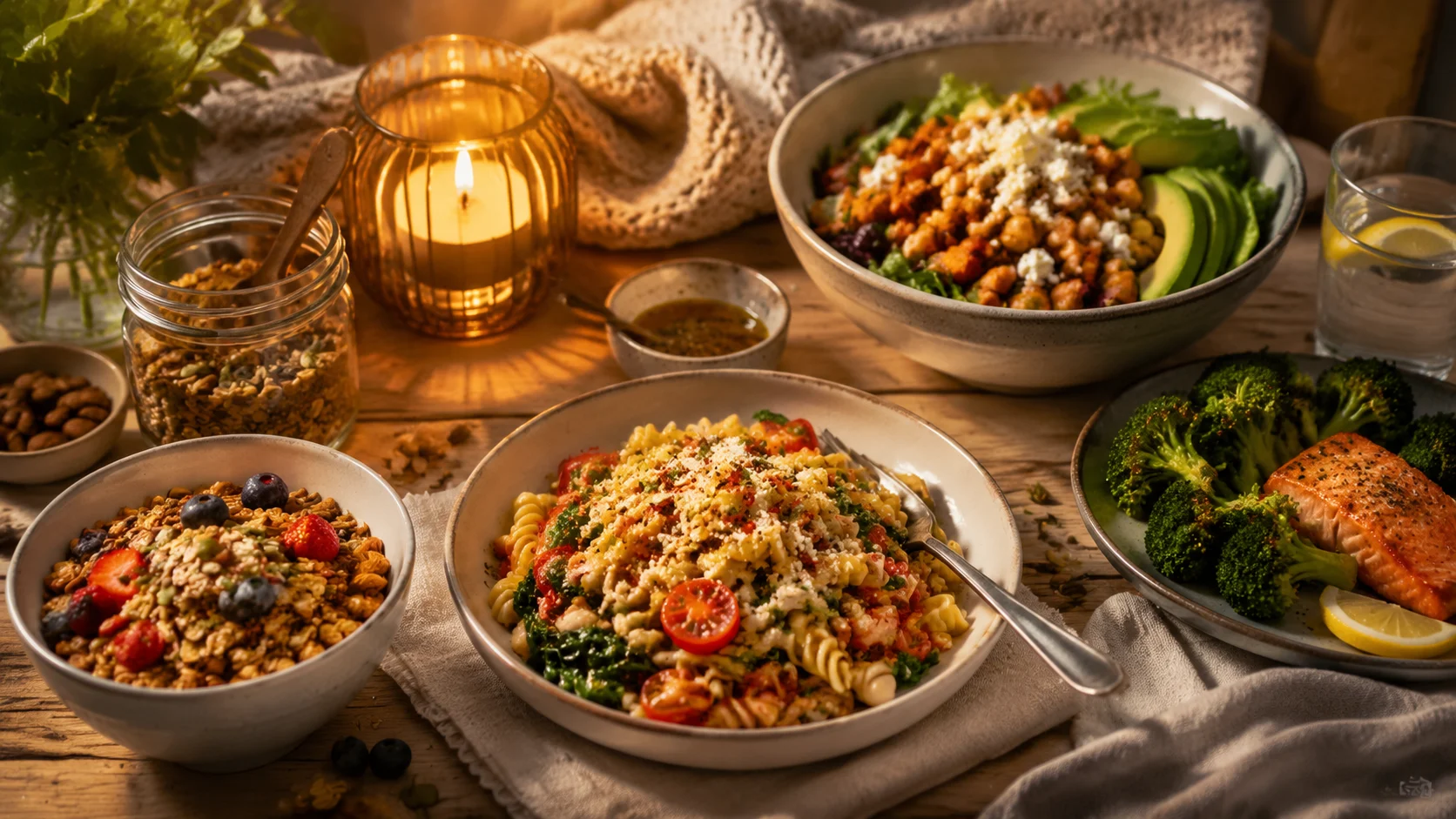
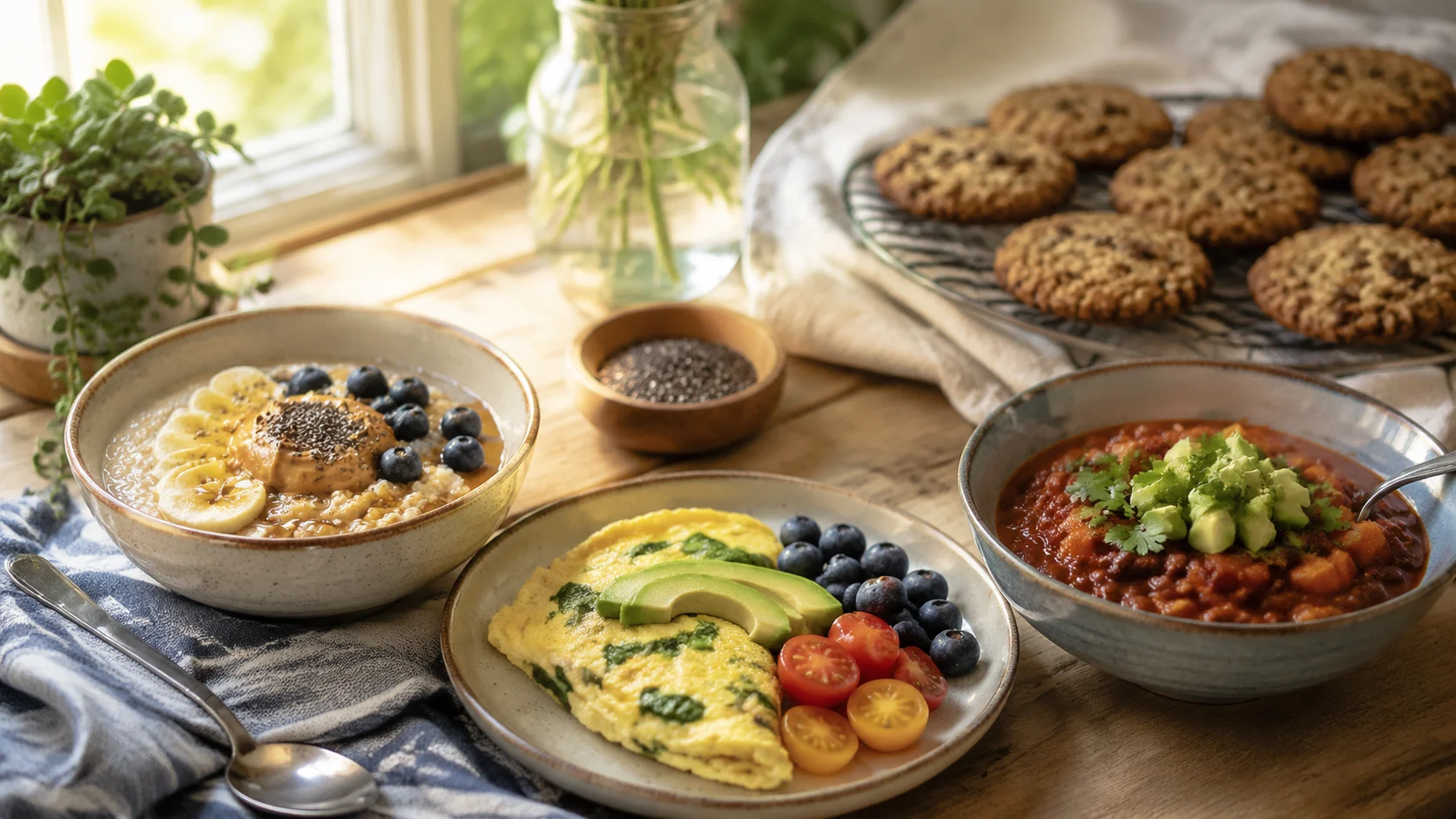
- Nourish. If the body is underfed, comfort alone will not settle it. A more balanced snack can help: a sliced apple with peanut butter, toast with eggs, or warm Greek yogurt with berries and crushed walnuts. The aim is not perfection. It is steadier energy.
- Soothe. Sometimes food is carrying too much emotional work. A cup of tea held in both hands, a short walk to the mailbox, a voice note to a friend, or even five slow breaths can offer the nervous system another path toward ease.
This method works because it does not force an all-or-nothing choice. It makes room for both nourishment and comfort, which is often what the moment truly needs.
Why Stress Makes Food Feel So Loud
Under stress, the brain becomes more interested in quick relief. Foods that are sweet, salty, or familiar can feel especially comforting because they offer a fast sensory reward. Research has also observed that chronic stress can increase cravings for highly palatable foods, particularly when sleep is poor and meals are irregular. In other words, the craving is not random. It is part biology, part emotion, part habit loop.
There is also the quiet influence of restriction. A woman who has spent years trying to “be good” around food may find that stress cracks the whole system open. The stricter the inner rules, the louder the rebound can become.

The body is not a project to control. It is a place to care for.
So when thinking about how to stop stress eating, it helps to look beyond the snack itself. The real story may include too little food earlier in the day, too little rest, too much pressure, and a long history of trying to earn ease through control.
Small Shifts That Make Evenings Feel Less Chaotic
Evening stress eating often starts long before evening. A few gentle supports can change the tone of the whole day:
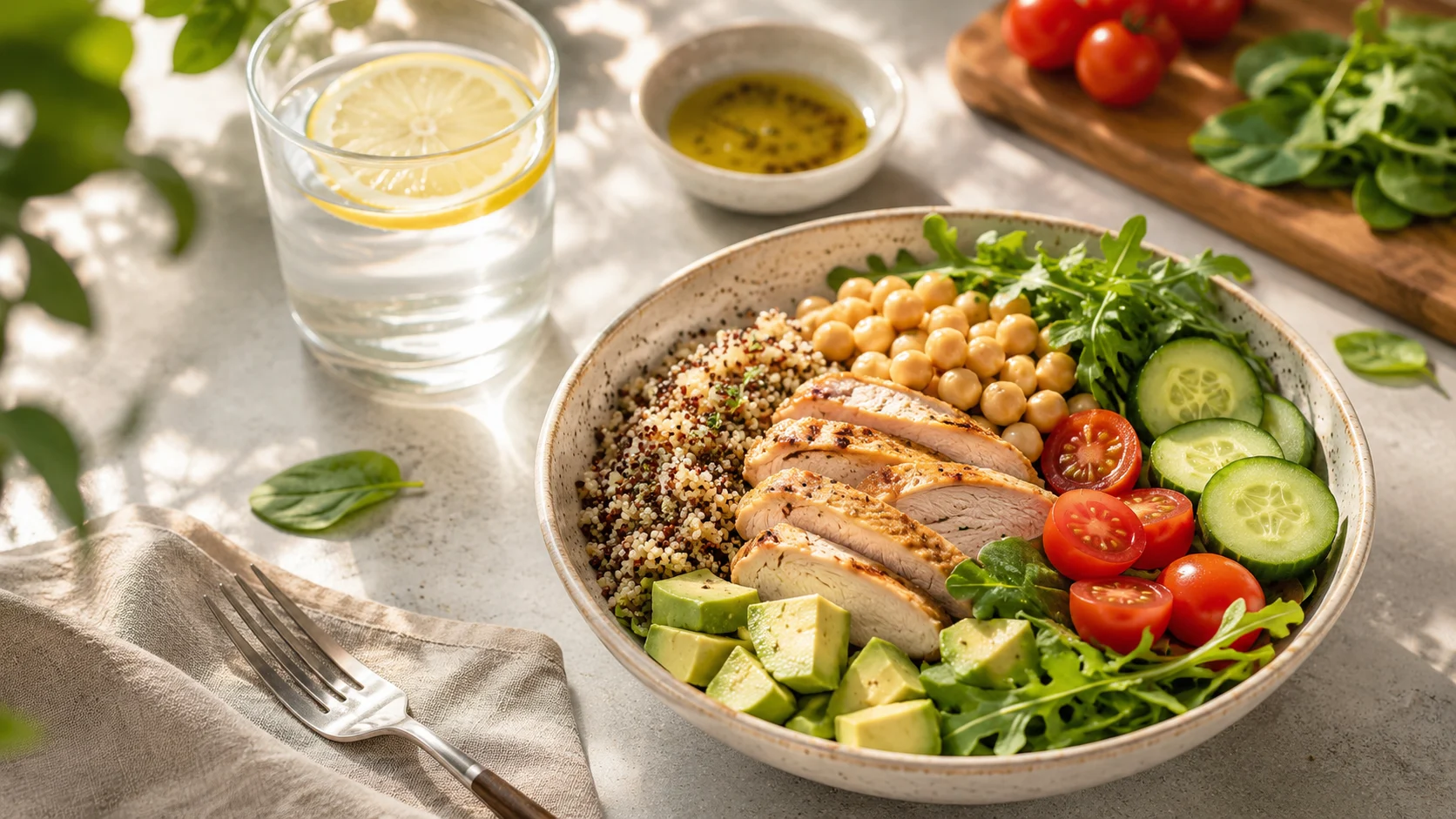
- Make lunch more solid. A rushed salad may leave her chasing energy by 4 p.m. A grain bowl with chicken, avocado, and roasted vegetables or a turkey sandwich with fruit on the side tends to land differently.
- Keep comfort within balance. Instead of trying to avoid comfort food, pair it. Chocolate can sit beside a handful of almonds. Chips can join a plate with hummus and sliced cucumbers. Satisfaction matters.
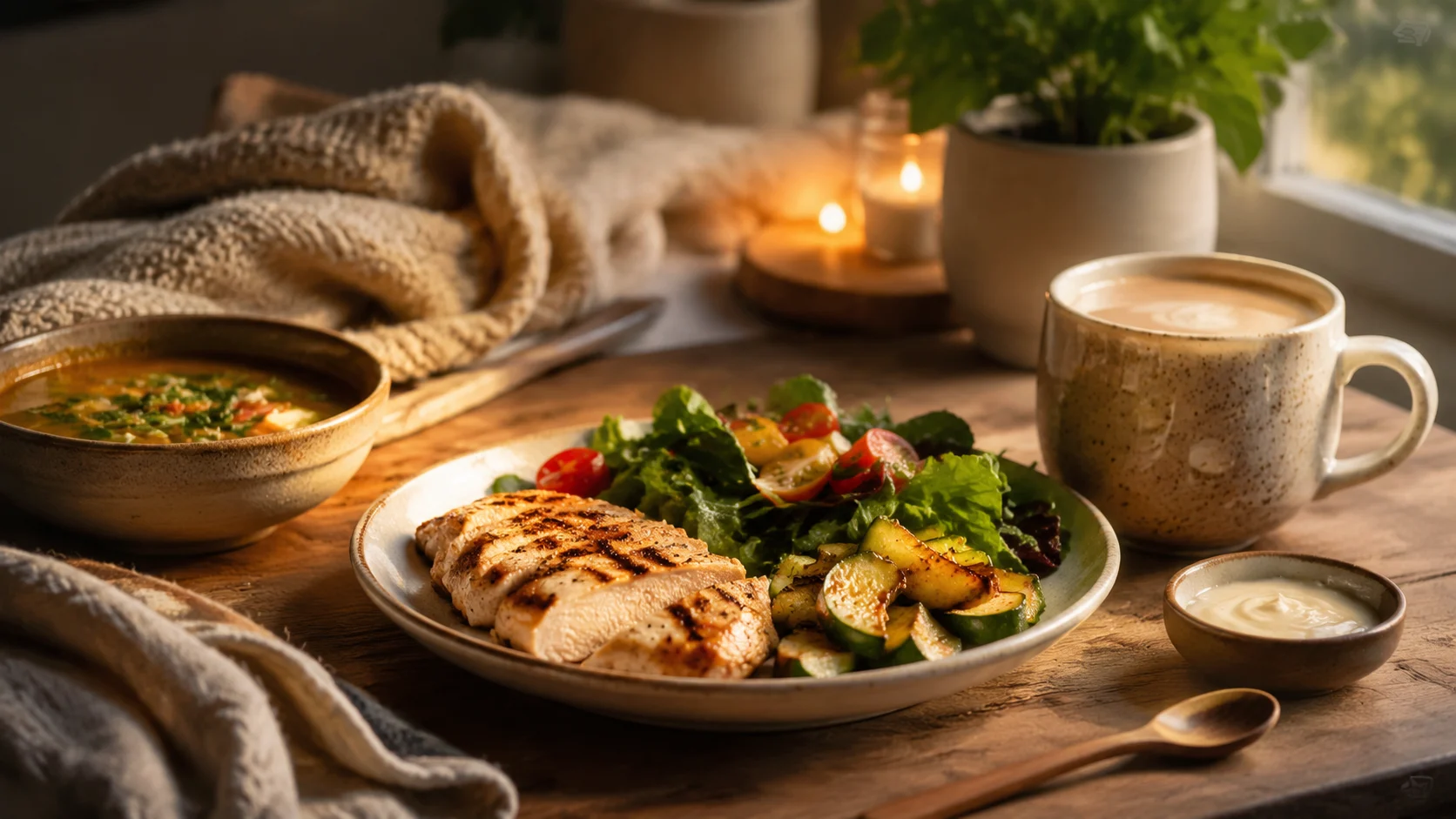
- Create a transition ritual. The moment between work and evening is where many cravings surge. Lighting a candle, changing clothes, or playing one familiar song can tell the body that the day is shifting.
- Eat before she is ravenous. Waiting until she feels shaky or irritable makes it much harder to respond gently. Earlier nourishment often softens later intensity.
A Kinder Way to Practice How to Stop Stress Eating
There is no clean, linear path here. Some days she will pause and choose what she needs with clarity. Other days she will eat quickly, feel disconnected, and only understand it afterward. That does not erase progress. It is part of learning.
A kinder practice of how to stop stress eating means measuring success differently. Not by whether cravings disappear, but by whether she can respond with a little more awareness, a little more steadiness, and a lot less shame. Over time, that is what changes the relationship with food.
Please note: Every body has its own rhythm, history, and level of stress. This gentle guide is for educational purposes only and does not replace personalized support from a healthcare professional or registered dietitian, especially if stress eating feels intense, frequent, or emotionally overwhelming.
You Might Also Wonder
What if stress eating happens mostly at night?
That is very common. Night eating often reflects a mix of exhaustion, delayed hunger, and the emotional exhale that comes when the house finally gets quiet. Looking at daytime meals and evening routines can help more than focusing only on nighttime willpower.
Should she avoid keeping comfort foods at home?
Not always. For many people, total avoidance gives those foods even more emotional charge. It often helps to keep them visible but paired within regular meals or snacks, so they feel less like a forbidden event.
How can she tell if it is hunger or emotion?
Sometimes she cannot, and that is okay. Hunger and emotion often overlap. Instead of forcing a perfect answer, she can ask, “Would food help right now, and what else might help too?” That question tends to open more useful options.
What if she eats from stress and then feels guilty?
The next step is not compensation. It is reconnection. A regular meal, water, and one compassionate thought can do far more good than trying to punish the moment.