
When Control Stops Working, the Body Starts Speaking Louder
Many women arrive at intuitive eating for beginners with a quiet fear: if they stop controlling food, everything will fall apart. But often, the opposite is closer to the truth. When eating has been shaped by rules, guilt, or long stretches of “being good,” the body does not become more peaceful. It becomes louder. Cravings sharpen. Fullness feels confusing. A simple snack can feel emotionally loaded.
Intuitive eating for beginners is not about throwing nutrition away. It is about learning how to hear the body beneath the noise of dieting. In the first hundred steps, the work is often softer than people expect: noticing hunger before it becomes urgency, allowing satisfaction to matter, and understanding that eating struggles are rarely a character flaw.
Body trust is not built through tighter control. It is built through repeated moments of safety.
Research has linked higher intuitive eating with lower disordered eating behaviors and better body image, which helps explain why a gentler approach can feel so steadying over time. Rather than making food another test to pass, it offers a way back to relationship, rhythm, and ease.
The First Shift: From Food Rules to Body Signals
For many women, the beginning feels less like a breakthrough and more like standing in a kitchen doorway, unsure what to believe. One voice says she should wait, be disciplined, drink water, stay “on track.” Another voice is quieter but more honest: she is hungry, tired, distracted, or simply wants something comforting.
That is where a simple Joyini-style micro-framework can help: The Pause, Plate, Permission Method.
- Pause. Before eating, she takes one small breath and asks, “What is happening in my body right now?” Not to judge. Just to notice. Hunger, stress, boredom, anticipation—they all matter.
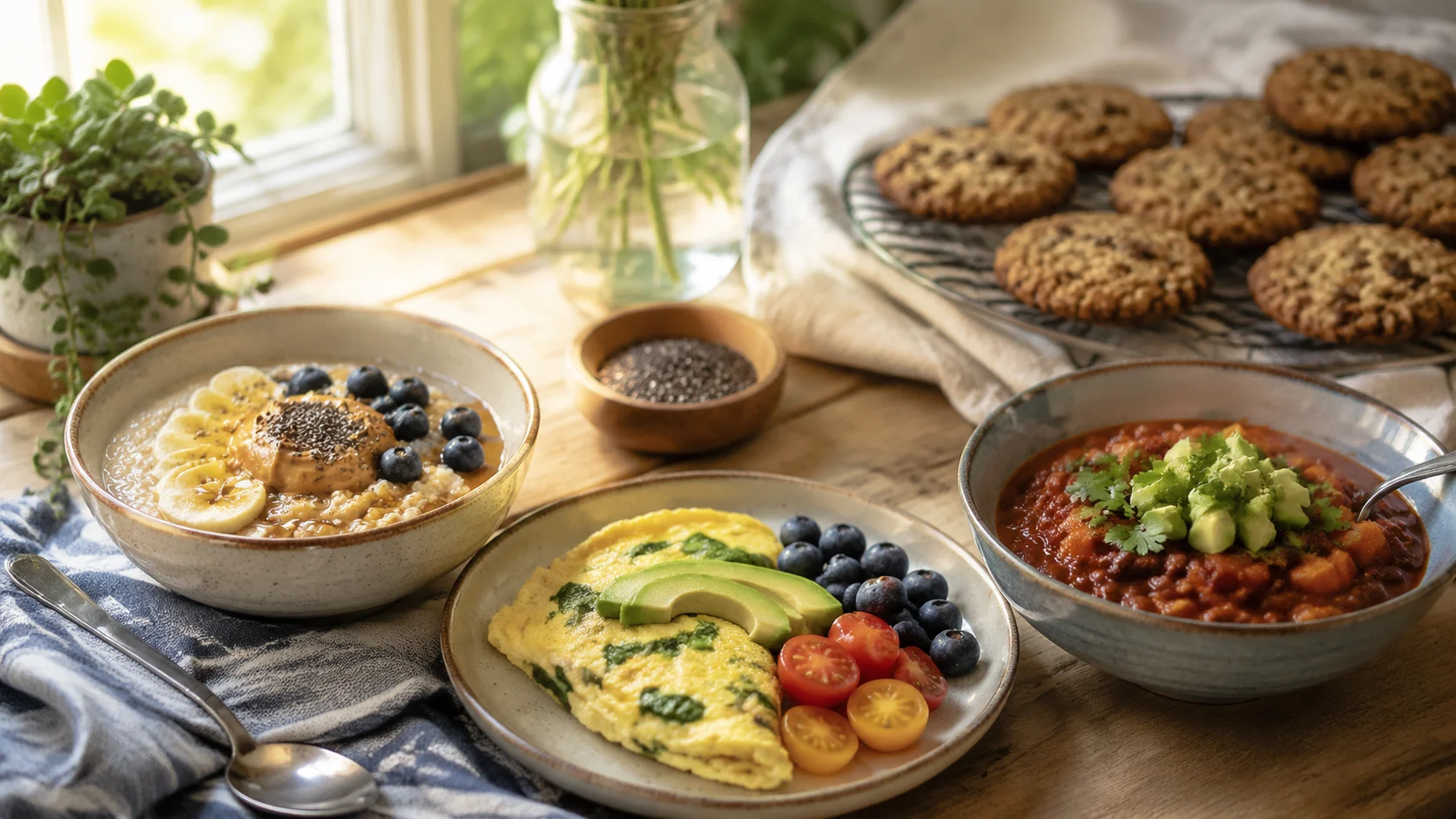
- Plate. She gives the meal some structure so it can actually support her. Maybe that looks like warm toast with eggs and avocado, or a rice bowl with salmon, cucumber, and something creamy on top. Balanced meals often help body signals become clearer.
- Permission. She lets herself eat enough. This part is easy to underestimate. Restriction often disguises itself as virtue, but the body usually experiences it as scarcity.
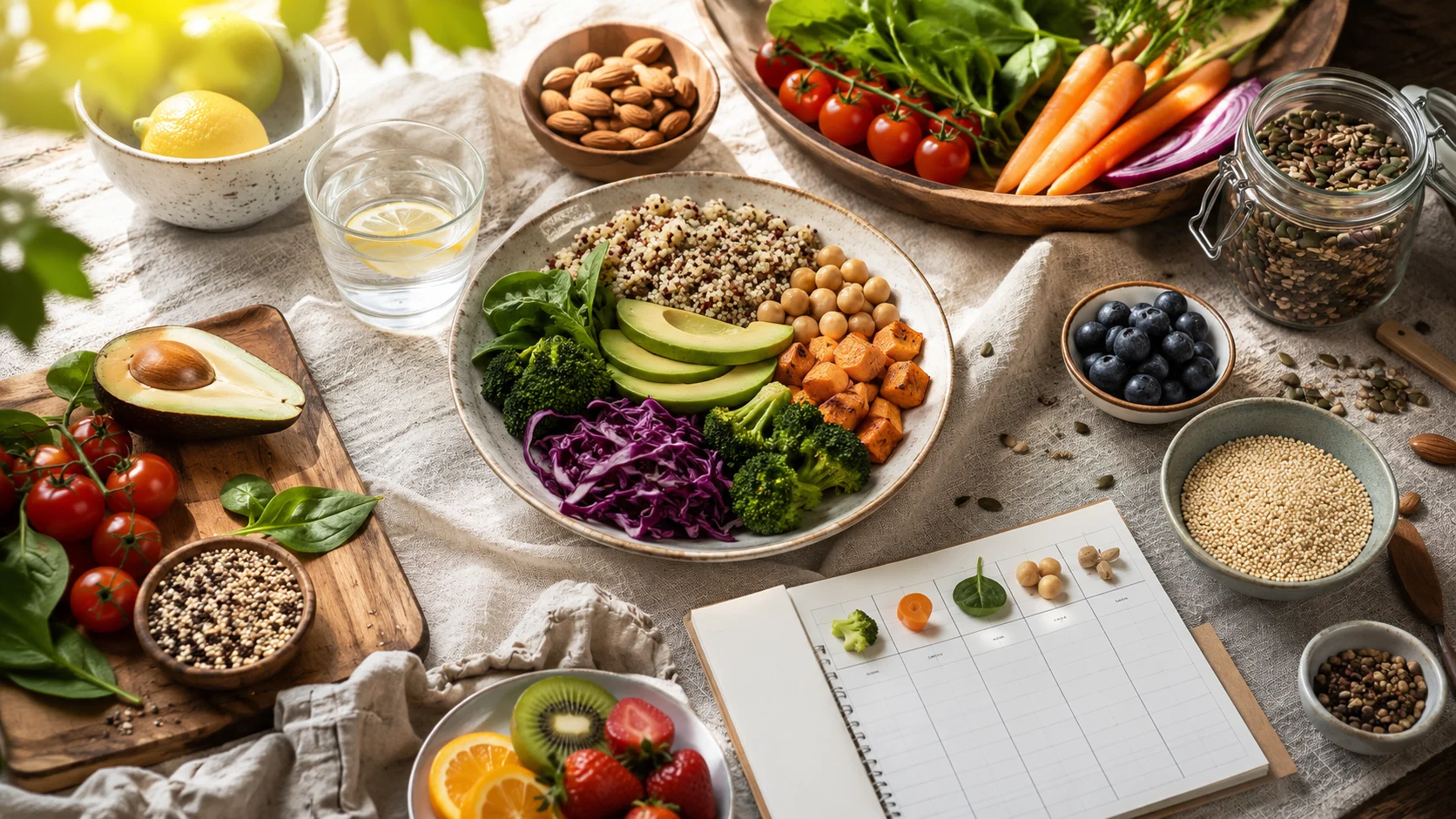
Intuitive eating for beginners often becomes easier when meals are not built on fear. A plate with protein, fiber, fat, and satisfying texture can support steadier energy and reduce the rebound intensity that follows under-eating.

The body is not a project to conquer. It is a place to come home to.
Why the Beginning Can Feel Messy—And Why That Does Not Mean Failure
There is a moment many beginners do not expect. After years of rules, permission can feel chaotic. She may want the foods she once tried hardest to avoid. She may eat past fullness sometimes. She may wonder if she is “doing it wrong.” In truth, this stage can be part of the body testing whether the new permission is real.
That is why intuitive eating for beginners is not a perfect-hunger, perfect-fullness performance. It is a rebuilding process. If someone has spent years ignoring body signals, those signals may not return in a neat, graceful line. They often come back in waves.
One helpful reframe is to stop asking, “Was I good?” and begin asking, “What did this eating moment reveal?” Perhaps lunch was too light, so the afternoon felt shaky. Perhaps stress made crunchy, sweet food feel soothing after a hard meeting. Perhaps dinner needed more comfort, not more rules. This kind of noticing creates understanding, and understanding creates choice.
Gentle Nutrition Still Belongs at the Table
Some people worry that intuitive eating means nutrition no longer matters. But gentle nutrition can still have a place here—just later, and with a softer voice. In real life, this might mean building meals that help a woman feel grounded through a long workday rather than chasing an imaginary perfect standard.
A few supportive anchors can help:
- Do not wait until ravenous. When hunger becomes extreme, food decisions often feel panicked rather than intuitive.
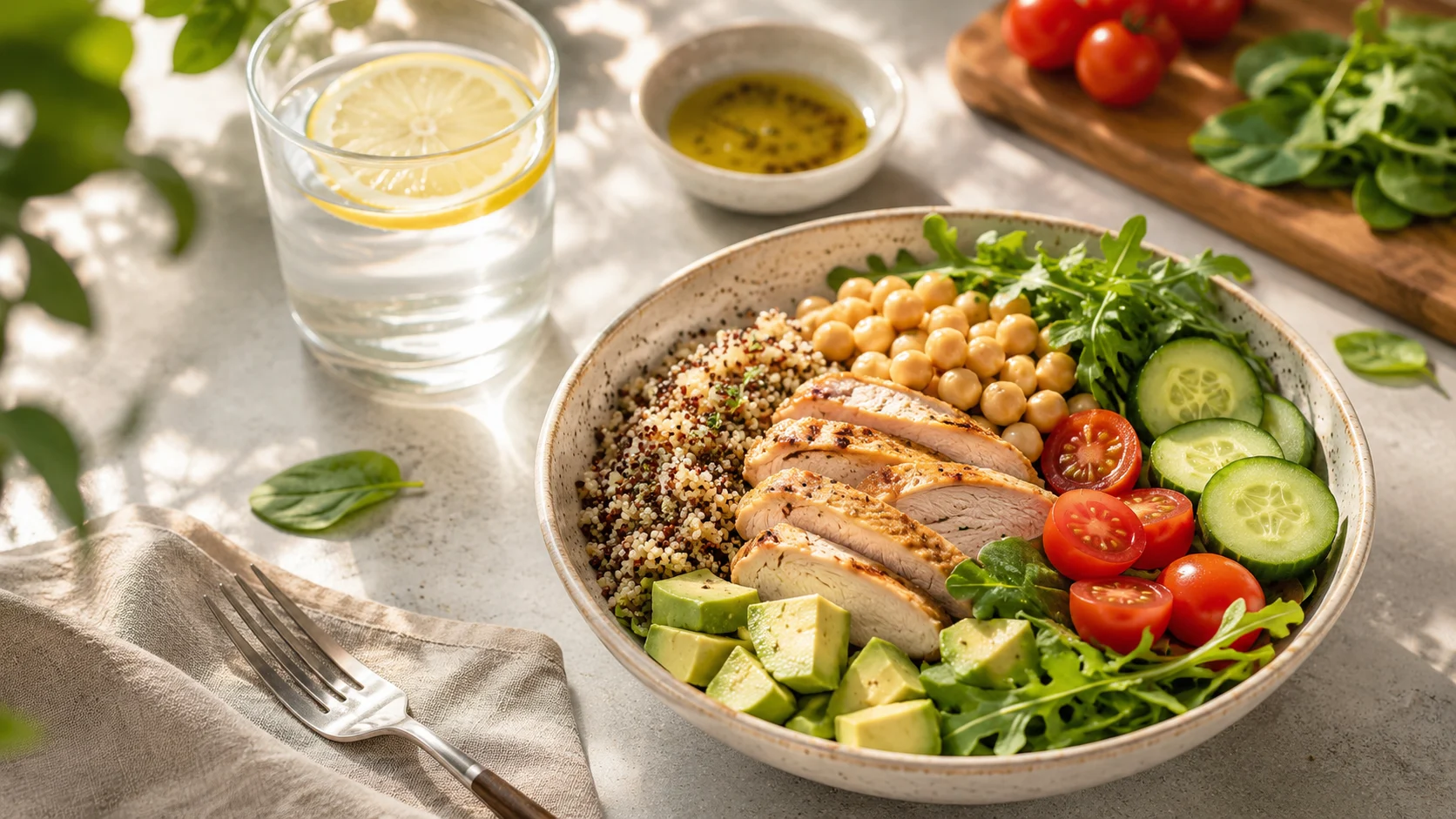
- Make meals emotionally and physically satisfying. A salad that leaves her wandering the pantry an hour later is not automatically more supportive than a warm grain bowl with roasted vegetables and chicken.
- Notice energy, not just fullness. Sometimes the body’s feedback arrives as steadier focus, fewer evening cravings, or a calmer mood around food.
There is also practical science behind this. Some studies suggest that protein and fiber can support satiety, and balanced eating patterns may help with more stable daily energy. In intuitive eating, that information is not used as a rulebook. It is used as support.
A Softer Place to Begin
For anyone exploring intuitive eating for beginners, the starting point does not need to be dramatic. It can begin in ordinary moments: adding more to breakfast instead of less, eating lunch before becoming shaky, keeping a favorite snack nearby without turning it into a moral problem. The early work is often quiet, but it matters.
Over time, many women notice that food becomes less noisy. Not because they finally controlled themselves, but because they stopped fighting signals that were asking to be understood. That is the deeper promise here: not perfection, but peace. Not rigid discipline, but a steadier kind of self-trust.
Please note: Every body has its own rhythm, history, and needs. This gentle guide is for educational purposes and does not replace personalized support from a registered dietitian, physician, or mental health professional—especially if eating feels distressing, compulsive, or medically complicated.
You Might Also Wonder
What if I start intuitive eating and only want dessert or snack foods?
That can happen, especially after a long season of restriction. Often, the body is responding to deprivation, not misbehavior. When permission becomes consistent, urgency usually softens with time.
How do I know whether I am physically hungry or emotionally overwhelmed?
Sometimes the answer is both. Physical hunger may feel like emptiness, irritability, or low energy. Emotional overwhelm may feel sudden and specific. But they often overlap, and that does not make the eating wrong. It simply means the body may need food and comfort.
Can beginners practice intuitive eating and still care about nutrition?
Yes. Gentle nutrition can absolutely belong here. The difference is that nutrition becomes a form of support, not punishment. It helps the body feel nourished rather than controlled.
What if I miss my fullness cues?
That is very common in the beginning. Fullness cues are easier to notice when meals are regular and eating feels safe. Missing them is not failure; it is information that trust is still being rebuilt.