
When the Craving Isn’t About Hunger
Many women searching for how to stop emotional eating are told to simply “have more self-control.” But that idea misses the point. **Emotional eating is often less about weakness and more about unmet needs**—stress, exhaustion, loneliness, under-eating earlier in the day, or a nervous system asking for comfort in the only language it knows.
When she stands in the kitchen after a long day, reaching for something crunchy or sweet, the moment is rarely random. It can be the body’s quiet rebellion after hours of running on coffee, meetings, errands, and emotional labor. Learning how to stop emotional eating begins there: not with shame, but with understanding.
Body signals are not character flaws. They are messages asking to be heard.
A small but helpful shift is to pause and ask, “What kind of hunger is here?” Physical hunger often builds gradually and feels easier to satisfy with a real meal. Emotional hunger tends to feel urgent, specific, and wrapped in a need for relief. That difference is the doorway to change.
The Pause-Plate-Comfort Method
Instead of trying to fight the urge, Joyini’s gentle framework can help: the Pause-Plate-Comfort Method. It offers a softer path for women who want to understand how to stop emotional eating without dieting.
- Pause: Take one breath before eating. Not to stop yourself, but to create a little space. A pause of even 10 seconds can help the nervous system come down from urgency.
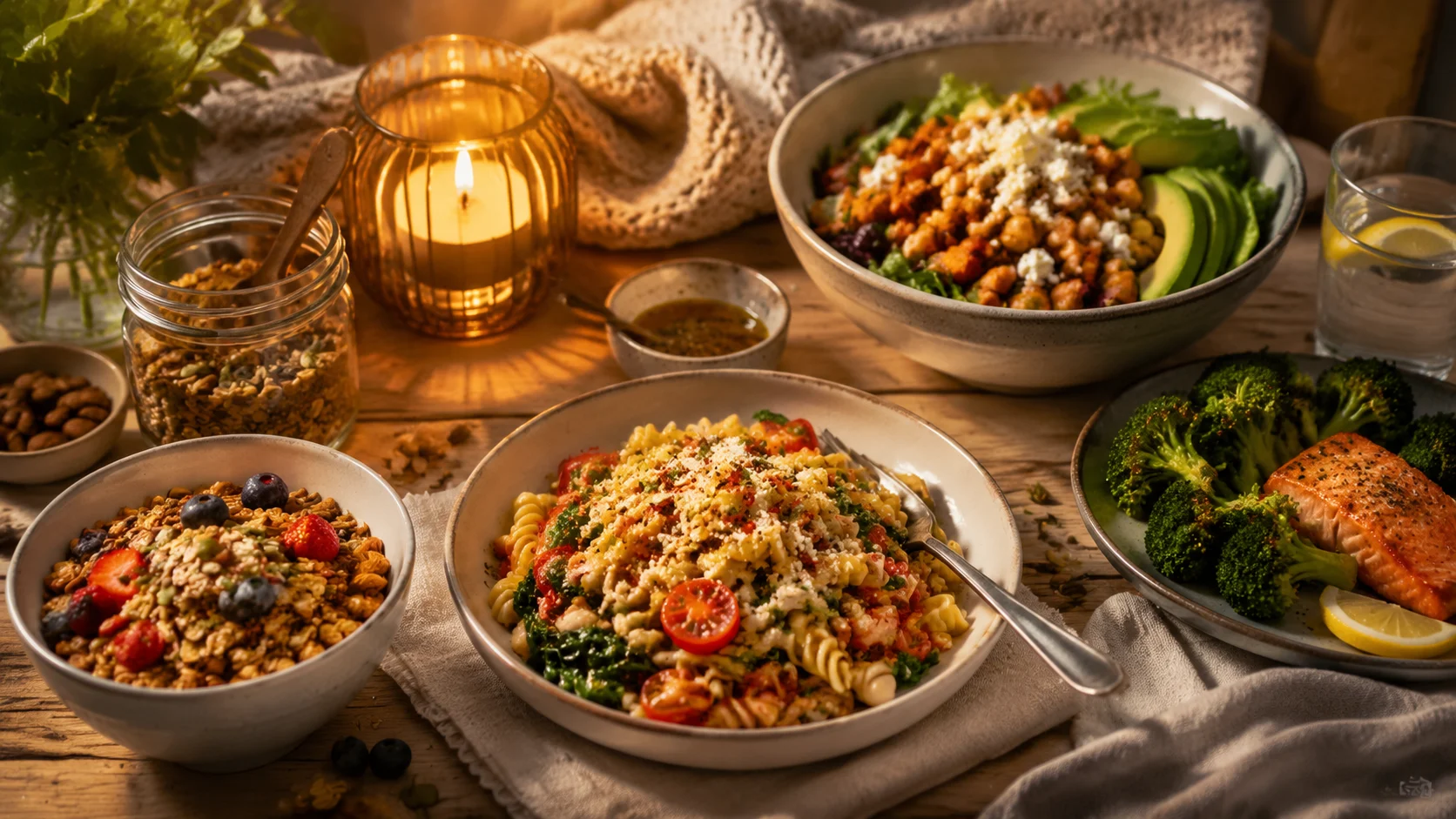
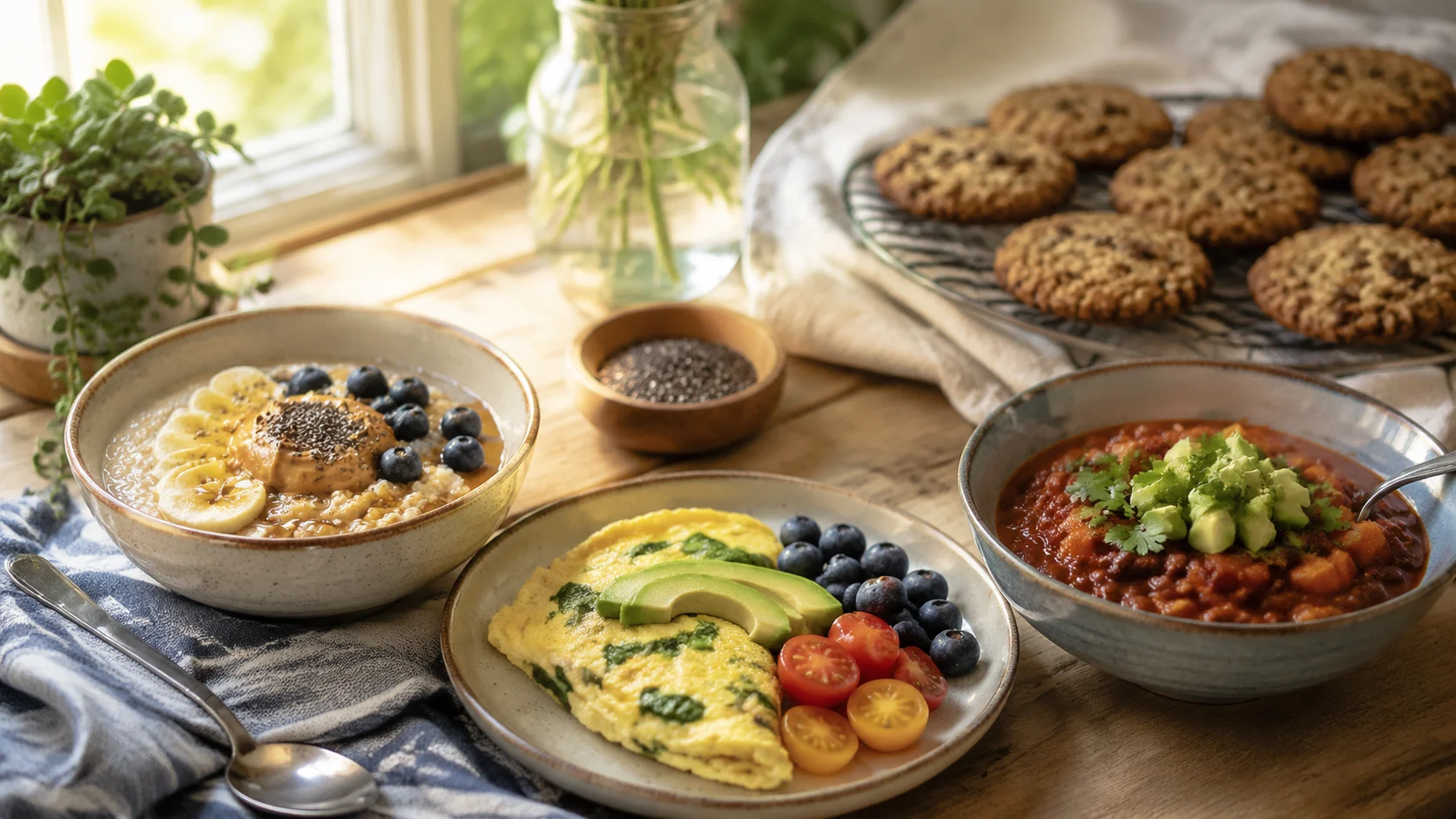
- Plate: Ask whether the body may actually need nourishment. Sometimes emotional eating grows stronger when lunch was too small or dinner was delayed. A plate with something steadying—like warm rice, roasted salmon, and buttery green beans, or toast with eggs and avocado—can support more than a handful of snacks ever could.
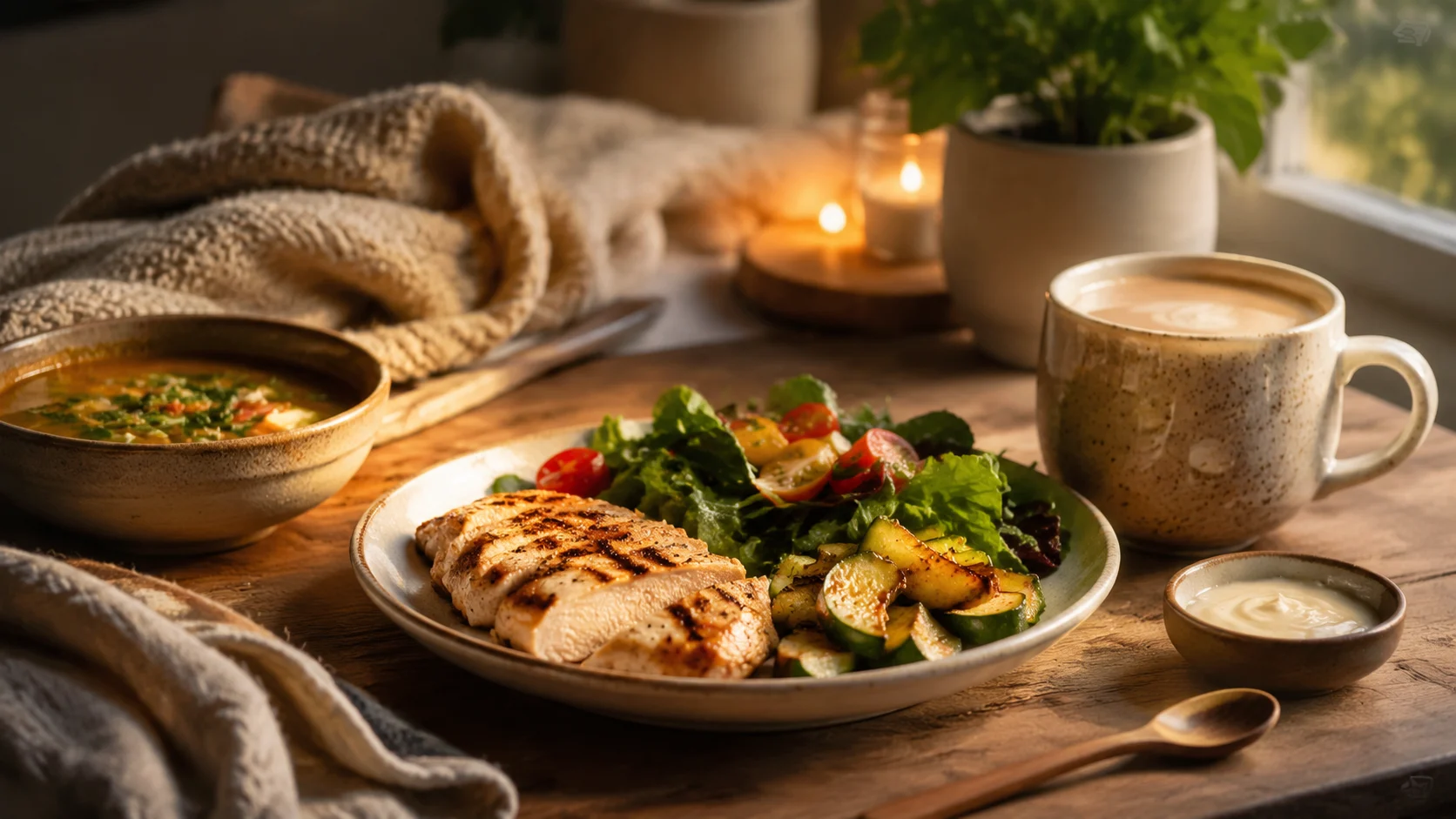
- Comfort: If the need is emotional, comfort still belongs in the picture. A mug of tea, a text to a friend, a soft blanket, a short walk at dusk, or even eating the cookie slowly and without punishment can all be part of the answer.
**This is not about earning food. It is about matching the response to the need.**
Why Restriction Often Makes the Cycle Louder
One reason it feels so hard to figure out how to stop emotional eating is that many women have spent years in a restrict-then-reach cycle. They try to be “good” all day, ignore hunger, avoid satisfying foods, and then feel out of control at night. The problem is not a broken personality. The problem is often deprivation—physical, emotional, or both.

Research has long observed that restriction can increase preoccupation with food and intensify cravings. In one widely cited body of eating behavior research, people who feel deprived tend to become more fixated on food, not less. **The body usually pushes back when it senses scarcity.**
The more food becomes a test, the more eating can start to feel like a rebellion.
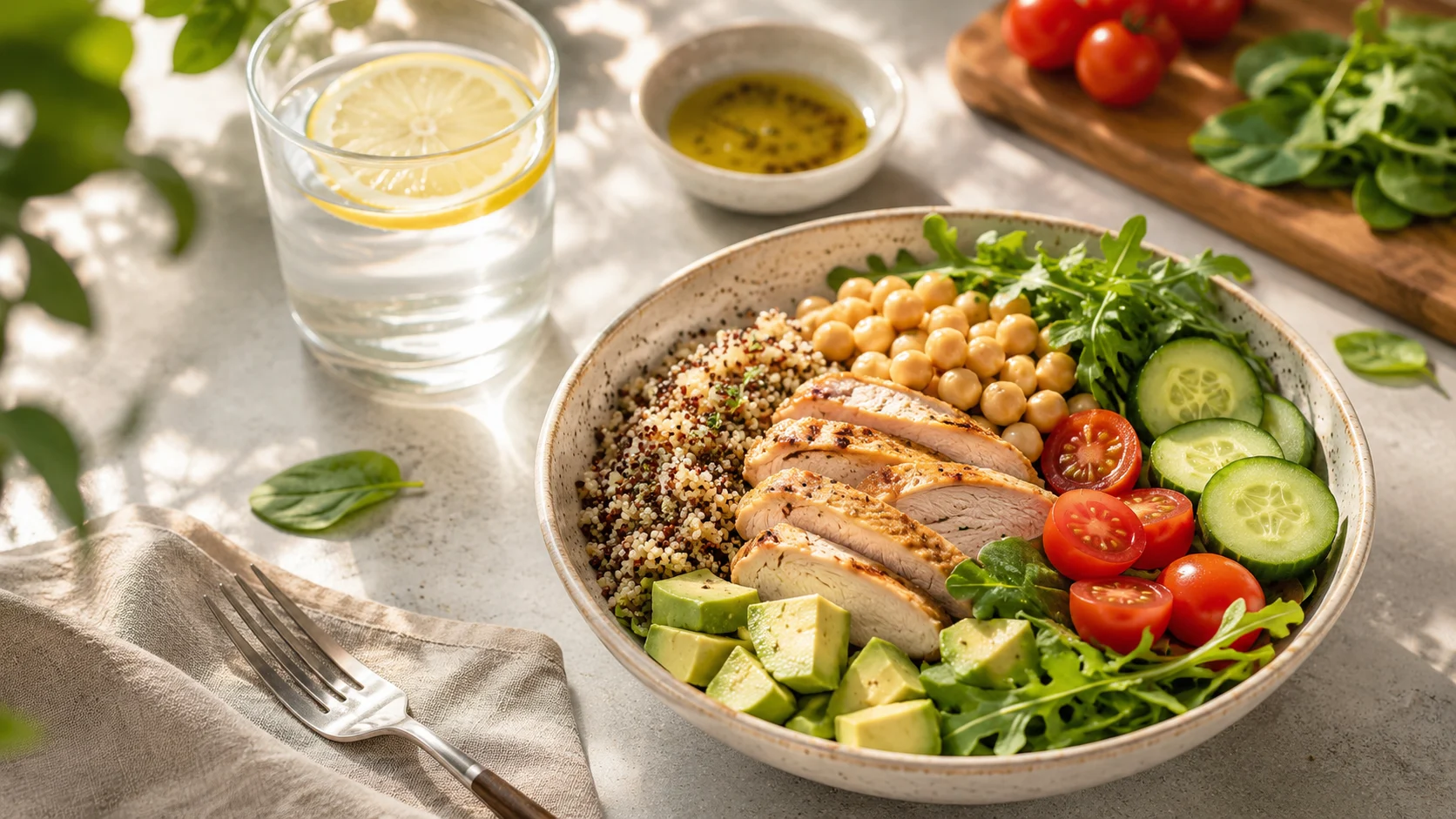
So if someone wants to learn how to stop emotional eating, one gentle question matters: Is she eating enough earlier in the day? Regular meals with protein, fiber, fat, and comforting carbohydrates can create steadier energy and fewer moments of desperation later.
What to Do in the Moment It Usually Happens
The hour when emotional eating shows up is often deeply predictable. Maybe it’s 3 p.m. at a desk when her brain feels foggy and she wants chocolate. Maybe it’s 9 p.m. when the house finally goes quiet and food becomes the only soft place to land.
In those moments, a short ritual can help:
- Name the state: “I’m overwhelmed,” “I’m lonely,” or “I’m running on empty.” Naming reduces the blur.
- Add before subtracting: Before trying to remove the craving, add support. A real snack, a glass of water, or ten minutes away from screens can change the intensity.
- Make eating more intentional: If she still wants the food, she can sit down with it, place it on a plate, and let it be enough for this moment. Eating with attention often softens the frantic edge.
This is one of the kindest ways to practice how to stop emotional eating: not by becoming perfectly controlled, but by becoming more connected.
Building a Softer Relationship With Food
Lasting change usually comes quietly. It looks like keeping easy meals in the freezer for exhausted evenings. It looks like noticing that stress peaks after certain conversations. It looks like allowing satisfying foods at lunch so dinner does not turn into a collapse.
Women often discover that how to stop emotional eating is really a deeper question: How can food stop being the only place where comfort lives? The answer may include therapy, better sleep, more support, gentler meal structure, and permission to be human.
There is relief in remembering that eating for comfort does not make someone broken. It makes her human. The work is not to become emotionless around food. The work is to build enough nourishment, care, and steadiness that food no longer has to carry the whole weight alone.
Please note: Every body has its own rhythm, history, and needs. This gentle guide is for educational purposes only and does not replace personalized advice from a registered dietitian, therapist, or healthcare professional—especially if emotional eating feels frequent, distressing, or tied to a history of disordered eating.
You Might Also Wonder
What if emotional eating happens mostly at night?
That often points to a mix of exhaustion, delayed meals, and the emotional exhale that comes when the day is finally over. A more satisfying dinner and a planned evening snack can help reduce the intensity.
Should she avoid keeping comfort foods at home?
For some women, that can make cravings feel even louder. When a food is always “off limits,” it often gains more emotional power. Gentle exposure and permission can sometimes create more peace.
What if she’s not sure whether it’s physical or emotional hunger?
Sometimes it is both. That is more common than many people realize. Starting with a balanced snack and then checking in again can be a caring middle ground.
Can stress really affect appetite that much?
Yes. Stress can change hunger cues, increase cravings for quick comfort, and make it harder to pause. That response is not dramatic—it is biological.