
When the Snack Drawer Isn’t Really About Hunger
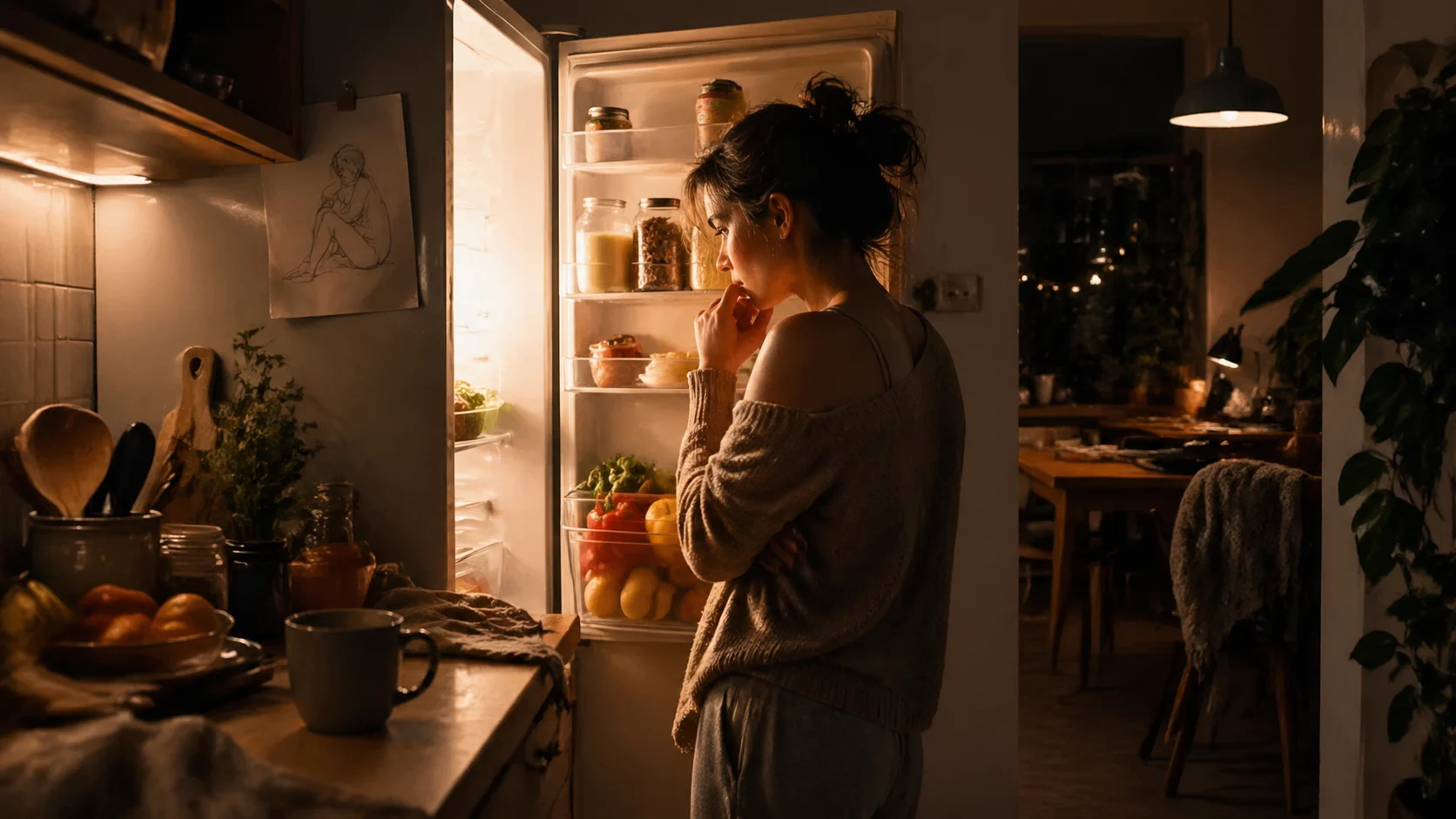
Stress eating often isn’t a sign that someone lacks discipline. More often, it is the body’s fast, practical way of reaching for comfort, energy, or relief when life feels too loud. For many women, stress eating shows up in the late afternoon, after bedtime routines, or in the quiet moment after holding everything together all day. The behavior can feel confusing, but the message underneath it is often surprisingly human: the body may be underfed, overstimulated, exhausted, or emotionally stretched thin.
She may think she is “just craving something sweet,” but sometimes what looks like a random urge is the echo of a long day with too little lunch, too much pressure, and no real pause. That is why fighting stress eating with stricter rules so often backfires. Rules can silence hunger for a moment, but they rarely soothe a nervous system asking for support.
Body trust rarely returns through punishment. It begins when a woman stops asking, “What’s wrong with me?” and starts asking, “What might I need right now?”
The Hidden Conversation Between Stress, Blood Sugar, and Comfort
Stress changes appetite in complicated ways. In some moments, it dulls hunger; in others, it sharpens the desire for quick comfort. When stress hormones rise, sleep is short, and meals are irregular, the body often leans toward foods that feel fast, warm, crunchy, or sweet. That does not make a person broken. It makes her nervous system responsive.
There is also a physical layer here. A study published in Proceedings of the National Academy of Sciences found that chronic stress, paired with highly palatable foods, may reinforce reward-driven eating patterns. In everyday language, this means the brain can start linking relief with certain foods when life feels relentless. Add skipped meals or low protein intake, and stress eating can become even more intense because the body is not only emotionally tired, but also looking for quick energy.
It helps to picture this as a loop rather than a flaw: pressure rises, energy dips, comfort calls, eating brings a brief exhale, and guilt rushes in afterward. The guilt is often the part that hurts most.
The body is not a project to be conquered. It is a place to be cared for, especially on the days that feel messy.
The “Pause, Pair, Permission” Method
Instead of answering stress eating with rigid control, Joyini’s gentle micro-framework is the Pause, Pair, Permission method. It is simple enough for real life and soft enough to reduce shame.
- Pause: Not to interrogate the craving, but to create one kind second. A hand on the counter. One slow breath. A quiet check-in: “Am I overwhelmed, underfed, or needing comfort?”
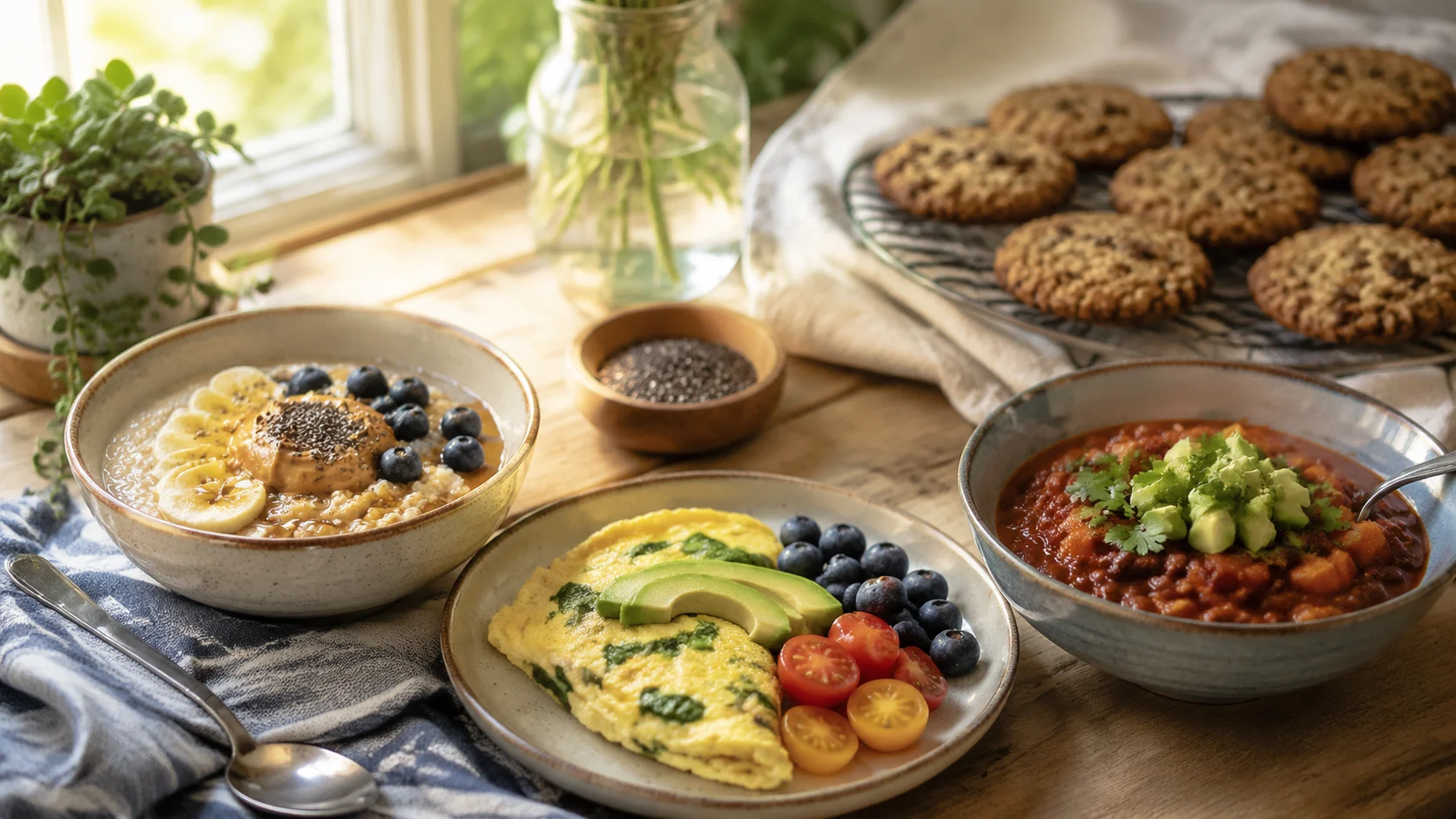
- Pair: If food sounds good, make it more supportive rather than smaller. Pair the comfort food with something that helps steady energy. Think of a buttery piece of toast with Greek yogurt on the side, or a square of chocolate after a bowl of warm oatmeal scattered with chia and berries.
- Permission: Let the food be food. Stress eating tends to grow louder when every craving is put on trial. Permission does not mean chaos; it means removing the shame that can turn one snack into an all-night spiral.
This approach works because it honors both biology and emotion. She does not need to earn comfort. She may simply need a more balanced way to receive it.
What Gentle Support Can Look Like on an Ordinary Tuesday
Real change usually begins in ordinary places: the car after work, the kitchen at 9 p.m., the office chair at 3 p.m. A woman trying to understand stress eating may do better with small anchors than dramatic resets.
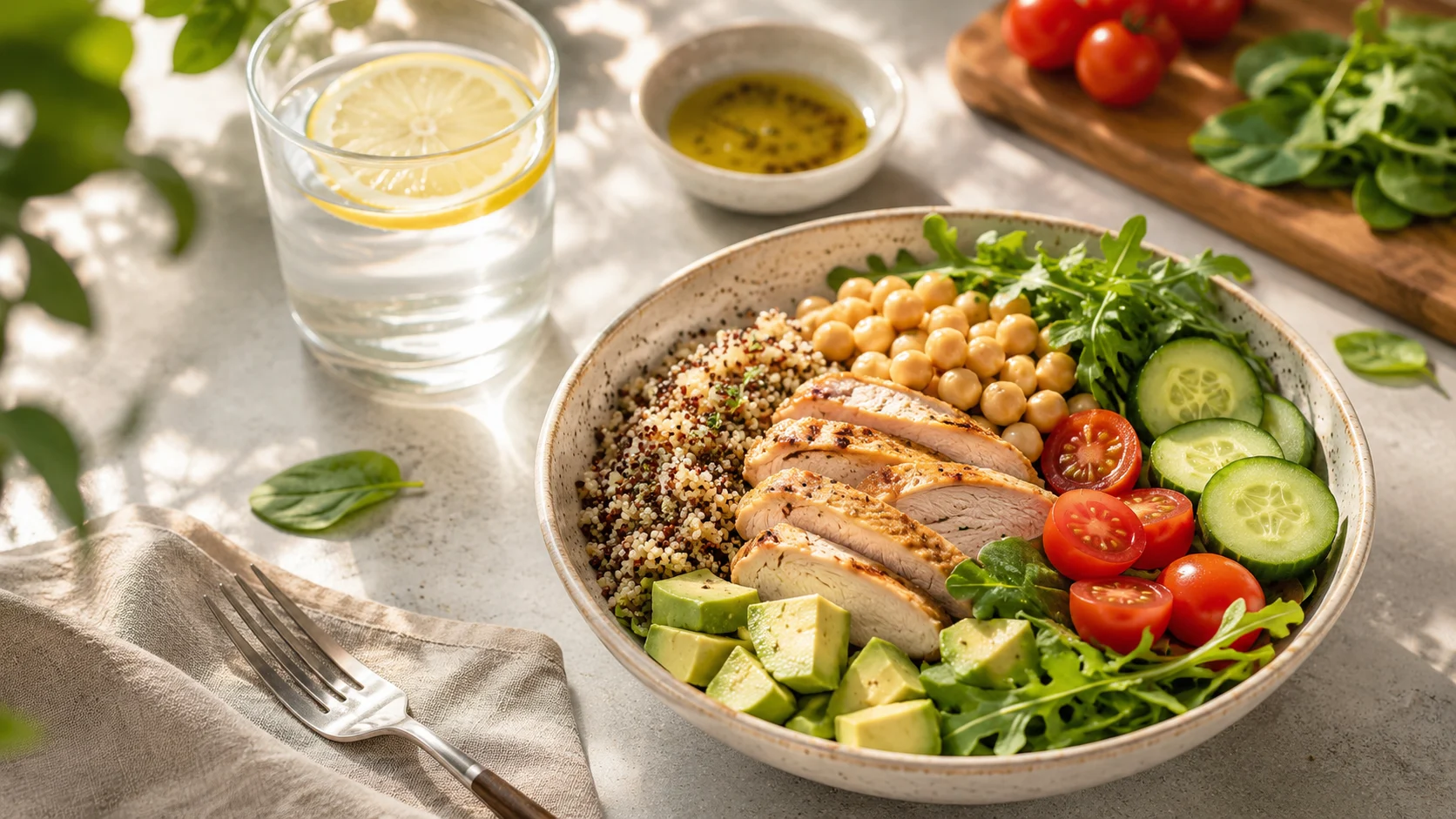
- Build earlier steadiness: A lunch with satisfying substance can soften the evening rebound. Imagine leftover rice warmed with salmon, cucumber, and avocado, rather than a rushed coffee and nothing else.
- Keep comfort easy: If the day has been heavy, a bowl of cereal with milk and sliced banana can be more supportive than waiting until ravenous hunger turns everything urgent.
- Create a non-food exhale: Sometimes the body wants food; sometimes it wants transition. A hot shower, ten minutes under a blanket, or stepping outside into cool air can help separate emotional static from physical hunger.
- Notice patterns without keeping score: Stress eating at night often becomes less intense when the whole day contains more nourishment, more rest, and fewer food rules.
None of this asks her to become perfect. It asks her to become observant, which is a much kinder skill.
When Relief Matters More Than Restraint
Many women have spent years believing the answer to stress eating is tighter control. Yet the deeper shift often comes from learning that relief itself is a need worth respecting. Food may be part of that relief sometimes. So might more consistent meals, gentler self-talk, better boundaries, or simply naming that the day was too much.
When stress eating is met with understanding instead of shame, it often loses some of its urgency. The craving does not need to become an enemy. It can become information. And information, handled gently, can lead a woman back to steadier energy, more ease, and a softer relationship with food.
Please note: Every body has its own rhythm. This article is for educational purposes and offers gentle general guidance, not medical or mental health care. If stress eating feels frequent, distressing, or tied to a history of disordered eating, personalized support from a healthcare professional or registered dietitian can be deeply helpful.
You Might Also Wonder
Why does stress eating happen at night even when she ate dinner?
Evening stress eating can be about more than physical hunger. Night often brings the first quiet moment of the day, and that is when unmet needs—comfort, decompression, emotional release—finally become audible. Sometimes dinner was enough in calories but not especially satisfying, too.
What if she craves sweets every time work gets overwhelming?
Sweet foods can feel fast and soothing because they offer quick energy and a familiar sense of comfort. Rather than trying to ban them, it can help to add steadiness earlier in the day and enjoy sweets with intention, perhaps alongside a more filling snack.
Is stress eating the same as emotional eating?
They overlap, but stress eating is often one specific kind of emotional eating. It tends to appear when pressure, mental fatigue, or overstimulation build up. The helpful question is not which label is correct, but what the pattern is trying to communicate.
How can someone respond in the moment without making it worse?
A small pause helps. Not a harsh one—just enough to notice what feels most urgent. If food still sounds comforting, eating something satisfying and balanced is often kinder than resisting until the craving grows louder.