
When the Snack Isn’t Really About the Snack
Emotional eating often is not a sign that someone is failing. More often, it is the body and mind asking for relief, comfort, steadier energy, or a softer landing after a long day. When she stands in the kitchen at 9 p.m., opening one cabinet after another, the deeper story may have started hours earlier—with stress, skipped meals, loneliness, or simple exhaustion.
The common story says emotional eating is about poor self-control. But that story misses the body entirely. A woman can look calm at her desk and still be running on too little food, too much pressure, and almost no pause. What looks like “random cravings” can be a very intelligent response to unmet needs.
Body signals are not character flaws. They are messages arriving in the only language the body has.
There is also a quiet biological layer here. Research has observed that stress can raise cortisol, and higher cortisol levels may increase the desire for highly palatable foods, especially those rich in sugar and fat. In other words, emotional eating is not imagined, dramatic, or rare. It can be a real stress response, shaped by hormones, habits, and past restriction.
The Soft Signal Map: A Kinder Way to Read Emotional Eating
Instead of asking, “Why can’t she just stop?” a gentler question is: “What happened before the urge to eat felt so loud?” That is where the Soft Signal Map can help. It is a simple way to understand emotional eating without shame.
- Stress signal: Her shoulders are tight, her jaw is clenched, and her nervous system is still racing from the day. Food may feel like the fastest comfort available.
- Energy signal: Lunch was light, dinner was delayed, or breakfast barely happened. What looks emotional may also be physical hunger arriving late and intensely.
- Connection signal: The house is finally quiet, and the silence feels heavier than expected. Sometimes eating becomes company.
- Restriction signal: If she spent the week trying to be “good,” the evening can become the rebound. The body often pushes back when it has been controlled too tightly.
This is why emotional eating so often feels confusing. It may hold more than one truth at once: a need for comfort and a need for nourishment, a hard day and an underfed body.

The body is not a project to conquer. It is a home to care for.
What Gentle Support Can Look Like in Real Life
A softer response does not begin with rules. It begins with steadiness. Before trying to “fix” emotional eating, it may help to make the day feel less sharp around the edges.
One helpful micro-practice is the Pause–Plate–Permission rhythm.
- Pause: Not to police the craving, but to notice it. A hand on the counter. One breath. A quiet check-in: “Am I overwhelmed, underfed, or both?”
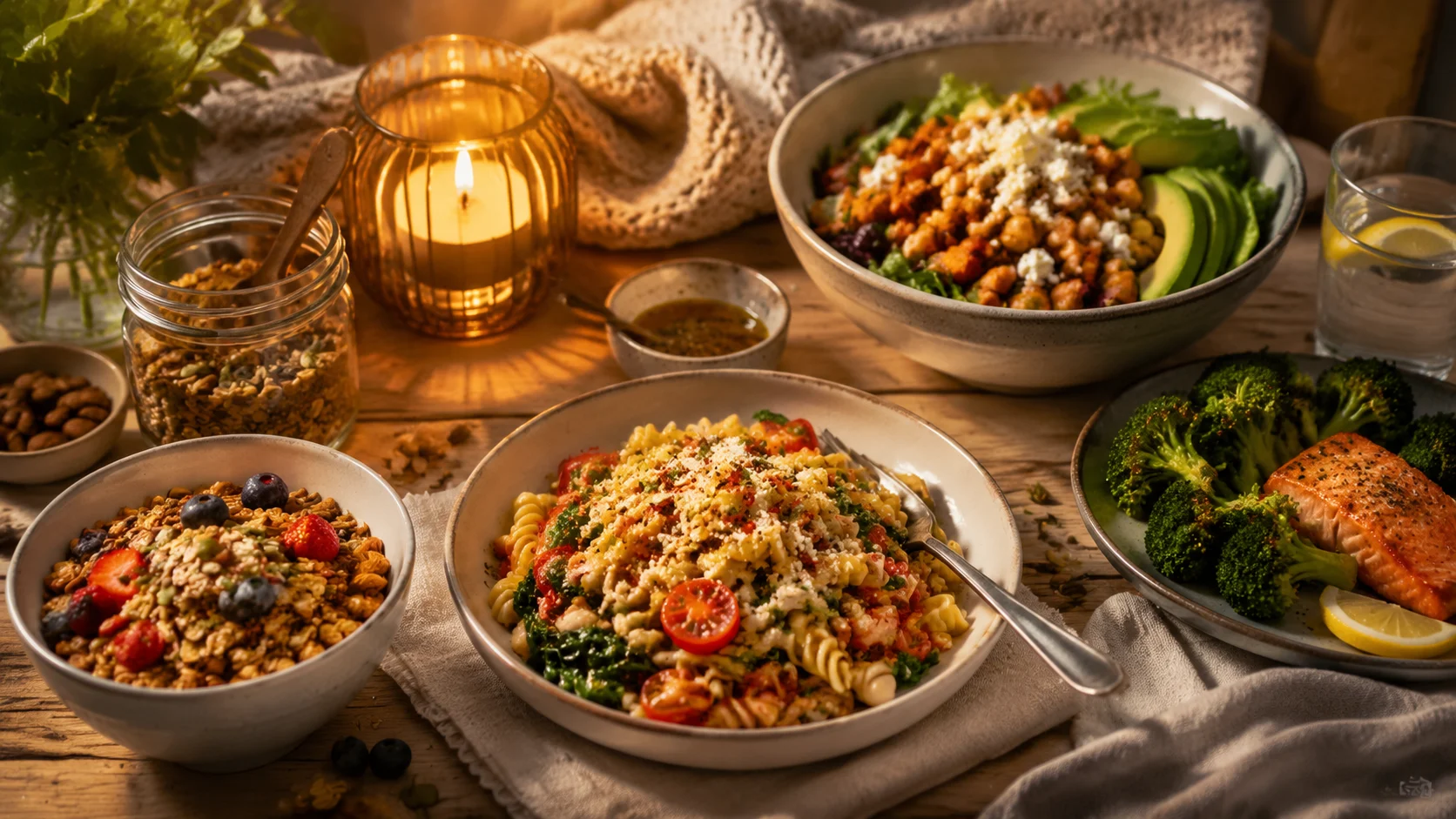
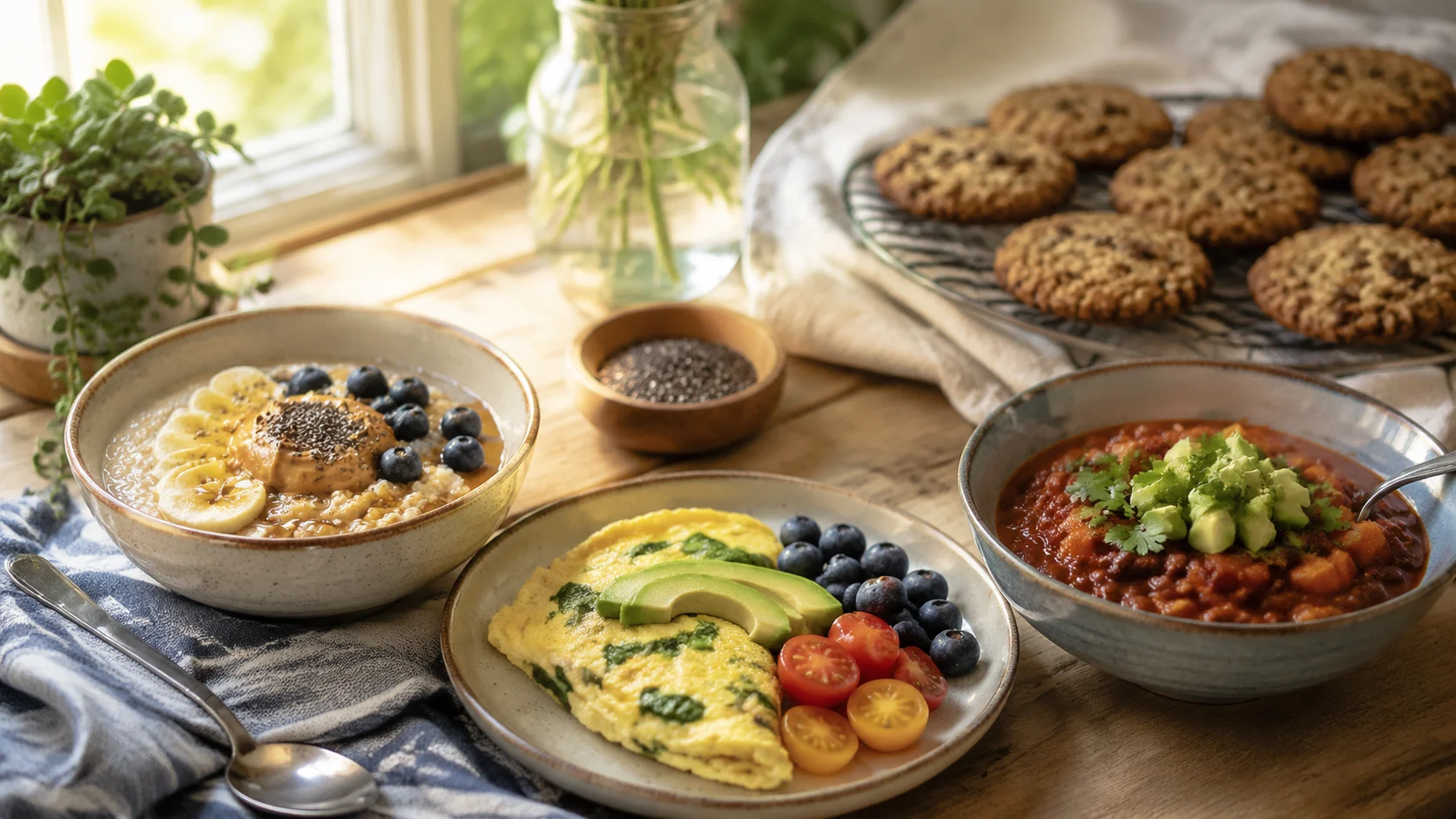
- Plate: If food is what she wants, placing it on a plate can bring a little more presence. Maybe it is toast with peanut butter and sliced banana, or a warm bowl of yogurt with berries and granola—something comforting, but also grounding.
- Permission: This matters more than many people realize. When food is allowed, urgency often softens. Permission reduces the drama that restriction creates.
There is nothing glamorous about this, and that is part of its beauty. Emotional eating often eases not through control, but through more regular meals, steadier blood sugar, better rest, and a gentler inner voice. A woman who eats enough through the day may find that the nighttime pull loses some of its intensity.
Why Shame Usually Makes Emotional Eating Harder
Shame tends to tighten the cycle it claims to solve. She eats to soothe. Then she judges herself. Then the discomfort grows. Then food becomes comforting again. The real trap is not the craving alone—it is the shame wrapped around it.
This is why anti-diet support can matter so much. When foods are no longer sorted into moral categories, the nervous system often becomes less reactive around them. A cookie can become a cookie again, instead of a test of worth. Emotional eating does not always disappear overnight, but it often becomes less charged when the fear and guilt around food begin to loosen.
Sometimes the most supportive question is not “How do I stop emotional eating forever?” but “How do I care for myself so food does not have to do all the comforting alone?”
Please note: Every body has its own rhythm and history with food. This gentle guide is for educational purposes only and does not replace personalized support from a healthcare professional or licensed therapist, especially if eating feels distressing, compulsive, or connected to a deeper mental health concern.
You Might Also Wonder
How can someone tell the difference between emotional eating and physical hunger?
Physical hunger often builds gradually and can be satisfied by a range of foods. Emotional eating may feel more sudden, specific, and tied to a mood or moment. Still, the two can overlap, especially after a long day of under-eating.
What if emotional eating happens mostly at night?
That pattern is very common. Evening can be the first quiet moment when stress catches up, and it is also when delayed hunger tends to roar back. Looking at daytime meals, rest, and emotional decompression can help more than focusing on nighttime willpower.
Is emotional eating always a problem?
Not necessarily. Food is comfort sometimes, and that is part of being human. It becomes more painful when it feels frequent, chaotic, guilt-filled, or like the only coping tool available.
Can balanced meals really help with emotional eating?
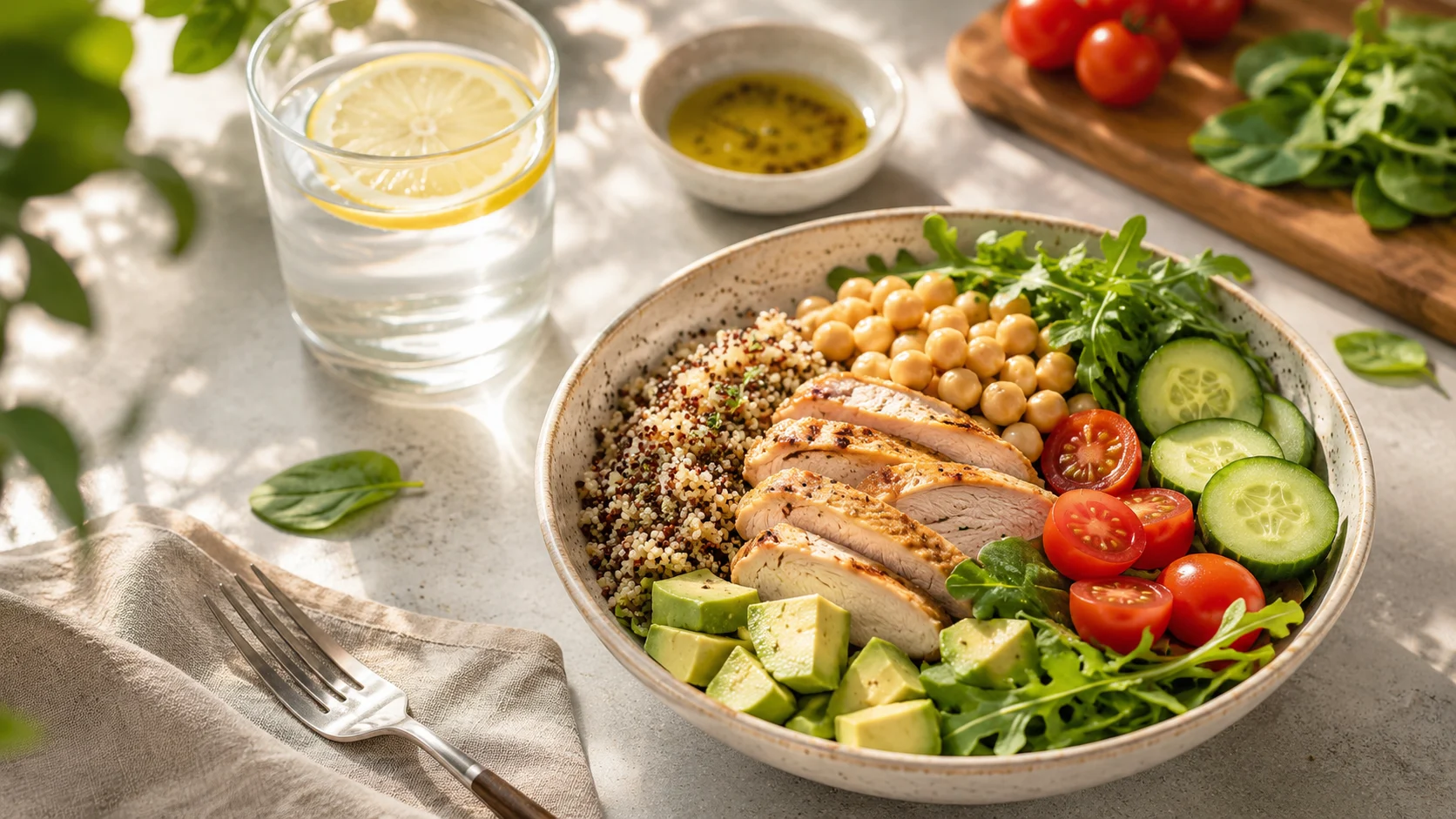
They can help more than people expect. Meals with protein, fiber, fat, and satisfying carbohydrates often support steadier energy, which may lower the intensity of late-day cravings and make emotional cues easier to notice.