
When Control Stops Working, the Body Gets Louder
Intuitive eating is not eating “whatever, whenever” in a careless way. It is a gentle practice of noticing hunger, fullness, satisfaction, energy, and emotion so food stops feeling like a daily fight. For many women, especially after years of rules and restarting, intuitive eating can feel less like losing control and more like returning home to body signals that were ignored for too long.
There is a quiet misunderstanding around intuitive eating: people often imagine it means nutrition no longer matters. But in real life, the opposite is often true. When a woman is no longer spending all day negotiating with herself over what she “should” eat, she can begin to notice what actually helps her feel steady, focused, and nourished.
At three in the afternoon, when the laptop screen blurs and the snack drawer starts calling, the problem is not always lack of discipline. Sometimes it is a breakfast that disappeared too quickly. Sometimes it is stress. Sometimes it is the body asking, in the only language it has left, for more support.
Body trust is not built by tighter rules. It is built by repeated moments of being heard.
The Gentle Compass Behind Intuitive Eating
A useful way to picture intuitive eating is through what Joyini might call the Gentle Compass Method: four soft directions that help a woman come back to herself before food becomes confusing again.
- Hunger: Not dramatic starvation, just the early whisper that concentration is slipping and patience is thinning. Honoring that whisper often prevents the evening rebound that feels impossible to stop.
- Satisfaction: A meal is not only fuel on paper. It also needs texture, comfort, and enough pleasure to feel complete—like warm rice beside salmon, or toast with eggs and buttery avocado on a rushed morning.
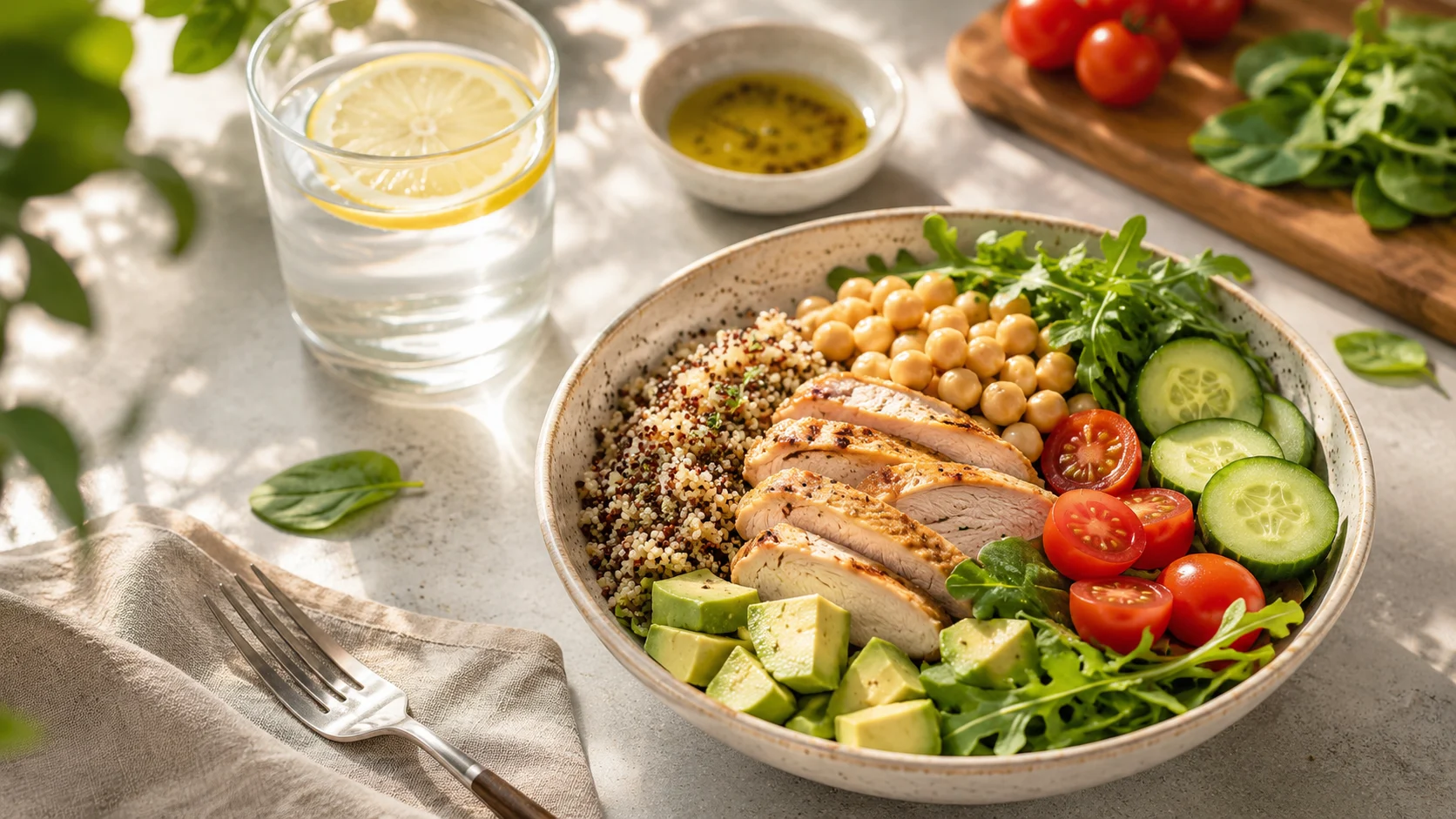
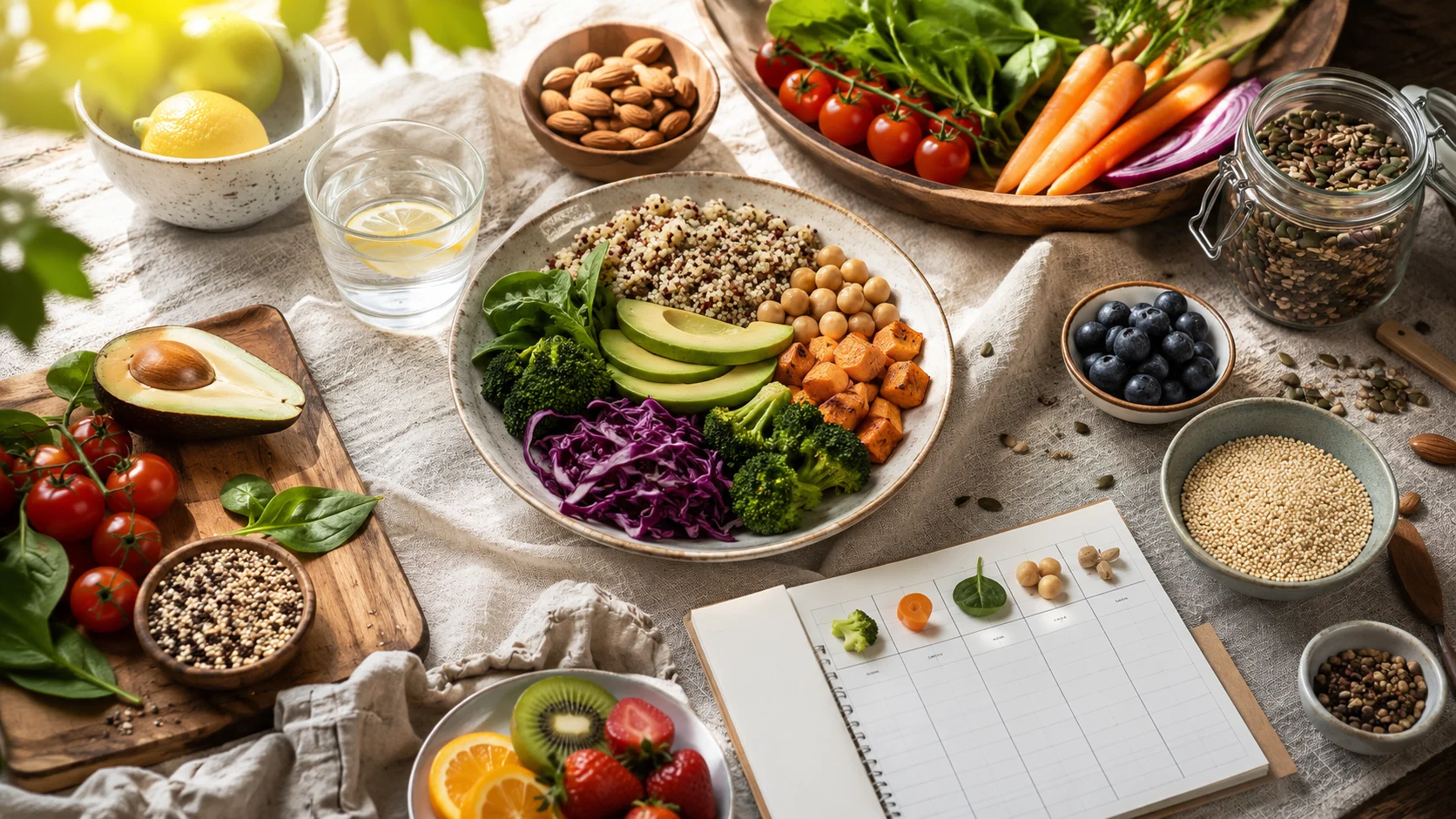
- Steady energy: This is where gentle nutrition lives inside intuitive eating. A balanced plate can help the body feel more even, with protein, fiber, fat, and carbohydrates working together rather than competing.
- Emotion: Sometimes food is about comfort. That does not mean she has failed. It simply means the moment may need care that food alone cannot fully hold.
Research has found that intuitive eating is associated with lower disordered eating behaviors and better body appreciation. One review published in Public Health Nutrition observed consistent links between intuitive eating and improved psychological health. That does not make it a magic answer. It does suggest that a softer relationship with food can still be deeply supportive.
Why Intuitive Eating Can Feel Scary at First
For someone shaped by diet rules, intuitive eating can feel almost too open. If she has spent years labeling foods as earned or forbidden, permission may first arrive as chaos. This is common. Restriction often makes the body feel urgent around food, the way a held breath eventually becomes a gasp.
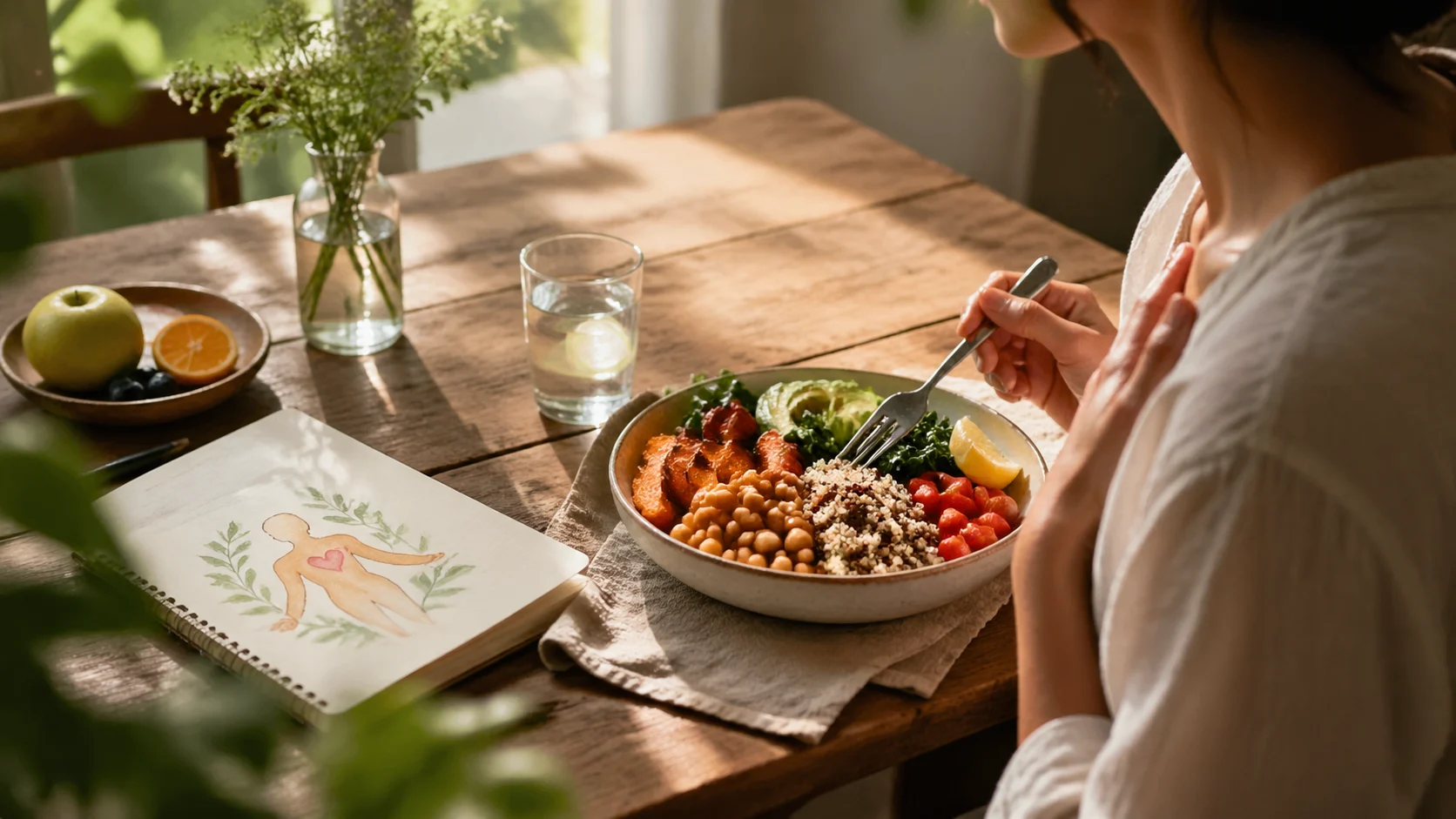
The early stage of intuitive eating is often less graceful than people expect. There may be a season of wanting foods that once felt off-limits. There may be moments of eating past fullness while trust is still being rebuilt. That does not mean the process is broken. It may mean the body is testing whether permission is finally real.
The body is not a project to conquer. It is a place to care for.
This is also where many women discover that intuitive eating and structure are not enemies. A loose rhythm—breakfast before meetings, something grounding in the afternoon, dinner that includes both comfort and substance—can create safety without becoming another cage.
Where Gentle Nutrition Meets Real Life
Once the noise of dieting softens, intuitive eating often makes room for practical nourishment. Not perfect meals. Not polished wellness rituals. Just real-life support.
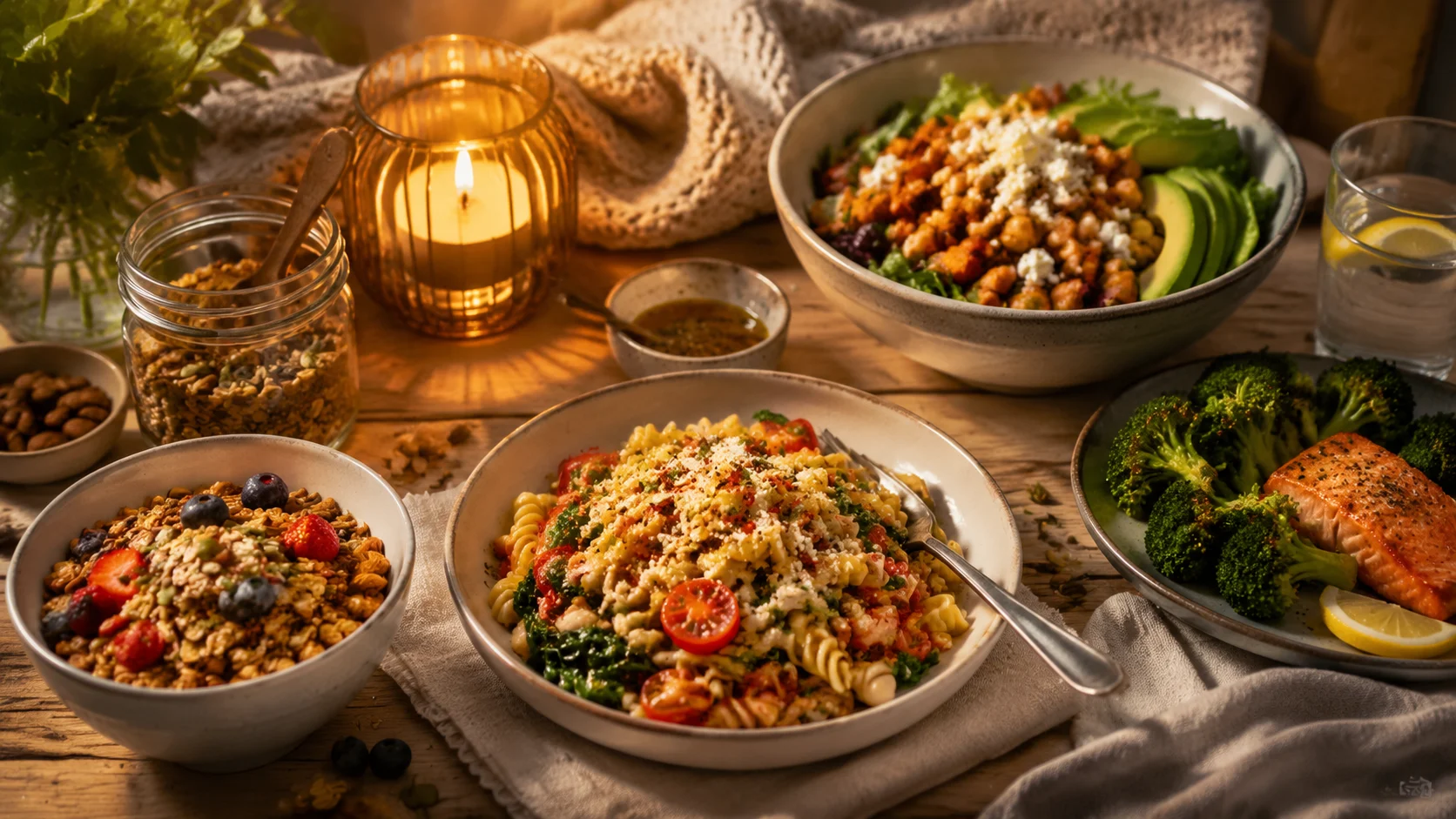
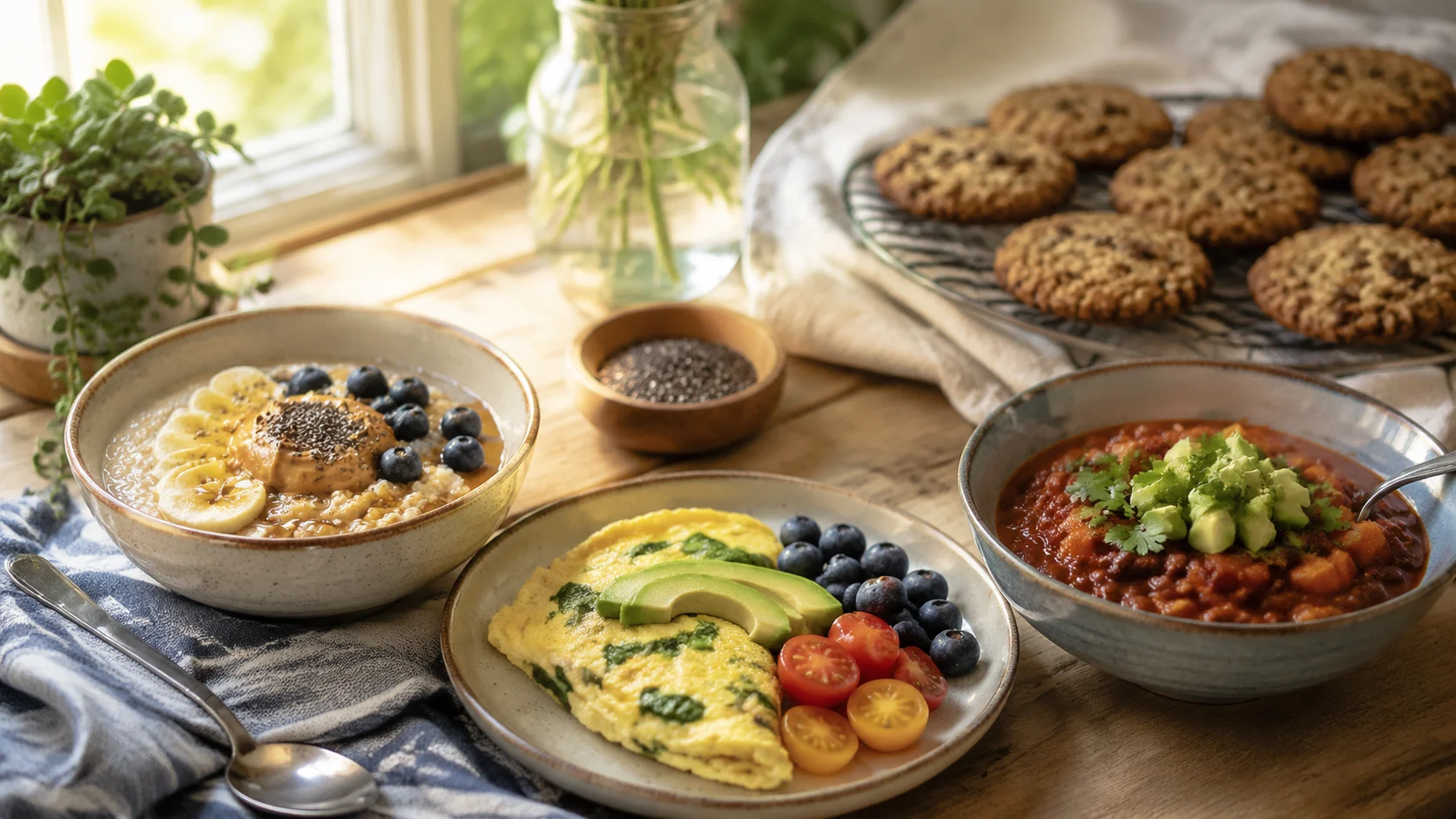
- On busy mornings: A bowl of warm oats with crushed walnuts and berries may land more gently than coffee alone, helping energy stay steadier through noon.
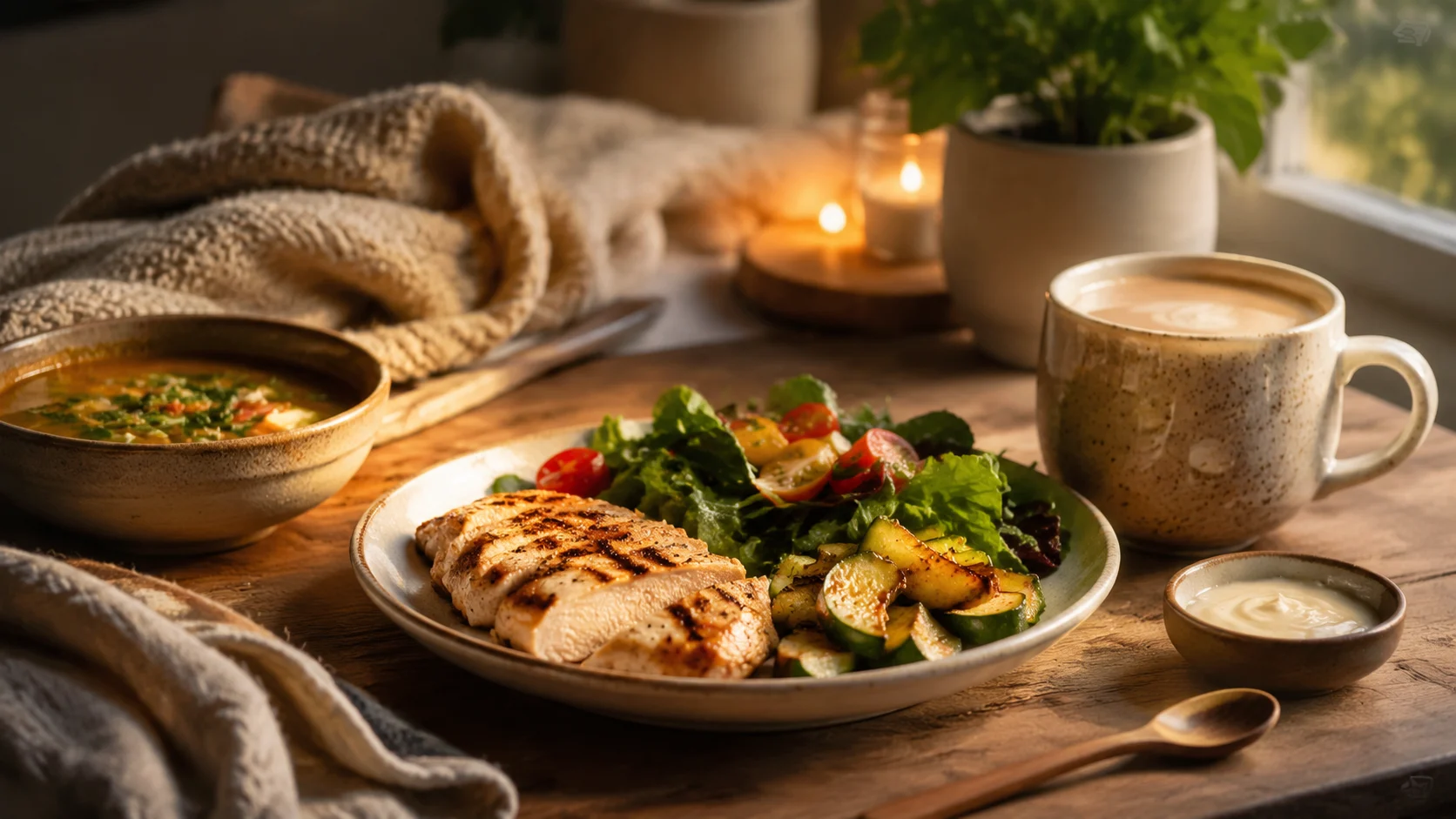
- On stressful afternoons: Pairing something sweet with something sustaining—like chocolate with Greek yogurt, or a pastry with a latte and a handful of nuts—can feel more balanced than trying to resist until the craving turns fierce.
- On tired evenings: Pasta can absolutely belong. It simply may feel better alongside roasted vegetables, olive oil, and chicken or white beans, so comfort and satiety arrive together.
This is the heart of intuitive eating in everyday life: listening to the body, then answering with both compassion and practical care.
A Softer Way to Begin Listening Again
For the woman who no longer wants food to feel like a moral test, intuitive eating can begin very quietly. She might pause halfway through lunch and notice whether the meal still tastes good. She might ask, before reaching for a second snack at night, whether she is hungry, overstimulated, lonely, or simply exhausted. She might add rather than subtract—more substance, more satisfaction, more ease.
There is no prize for doing this perfectly. The real shift is subtler than that. It looks like fewer battles in the kitchen. Less panic around dessert. More trust that the body is not the enemy.
Please note: Every body has its own rhythm, history, and needs. This article is for educational purposes and is not a substitute for personalized advice from a registered dietitian, physician, or mental health professional, especially if someone is recovering from an eating disorder or dealing with ongoing health concerns.
You Might Also Wonder
What if intuitive eating makes me crave sweets all day?
That can happen at first, especially after long periods of restriction. Often, cravings soften when permission becomes consistent and meals contain enough substance to support steady energy.
Can intuitive eating include balanced nutrition?
Yes. Intuitive eating does not push nutrition aside. It simply asks that nutrition be used as support, not punishment.
What if I can’t tell whether I’m hungry or just stressed?
That confusion is very common. Starting with gentle curiosity helps: a small snack, a glass of water, a short pause, or a few deep breaths can reveal what the moment is asking for.
Is intuitive eating helpful if I’ve dieted for years?
Often, yes—but it may feel tender at first. Someone with a long dieting history may need time, repetition, and sometimes professional support to rebuild trust with food and body signals.