Simple, supportive nutrition guidance to help you build balanced meals, steady energy, and a healthier relationship with food — without counting calories or following strict rules.
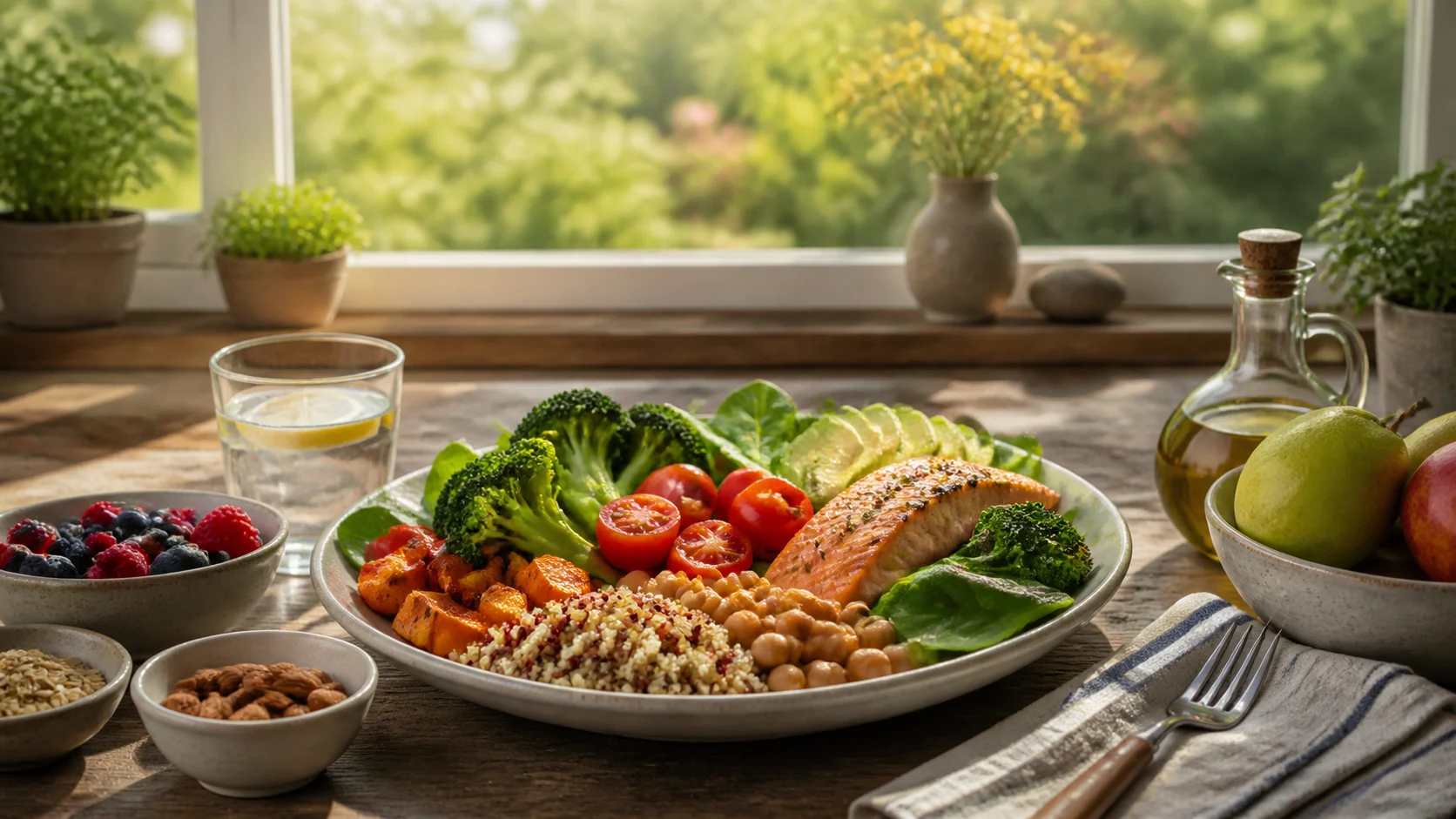
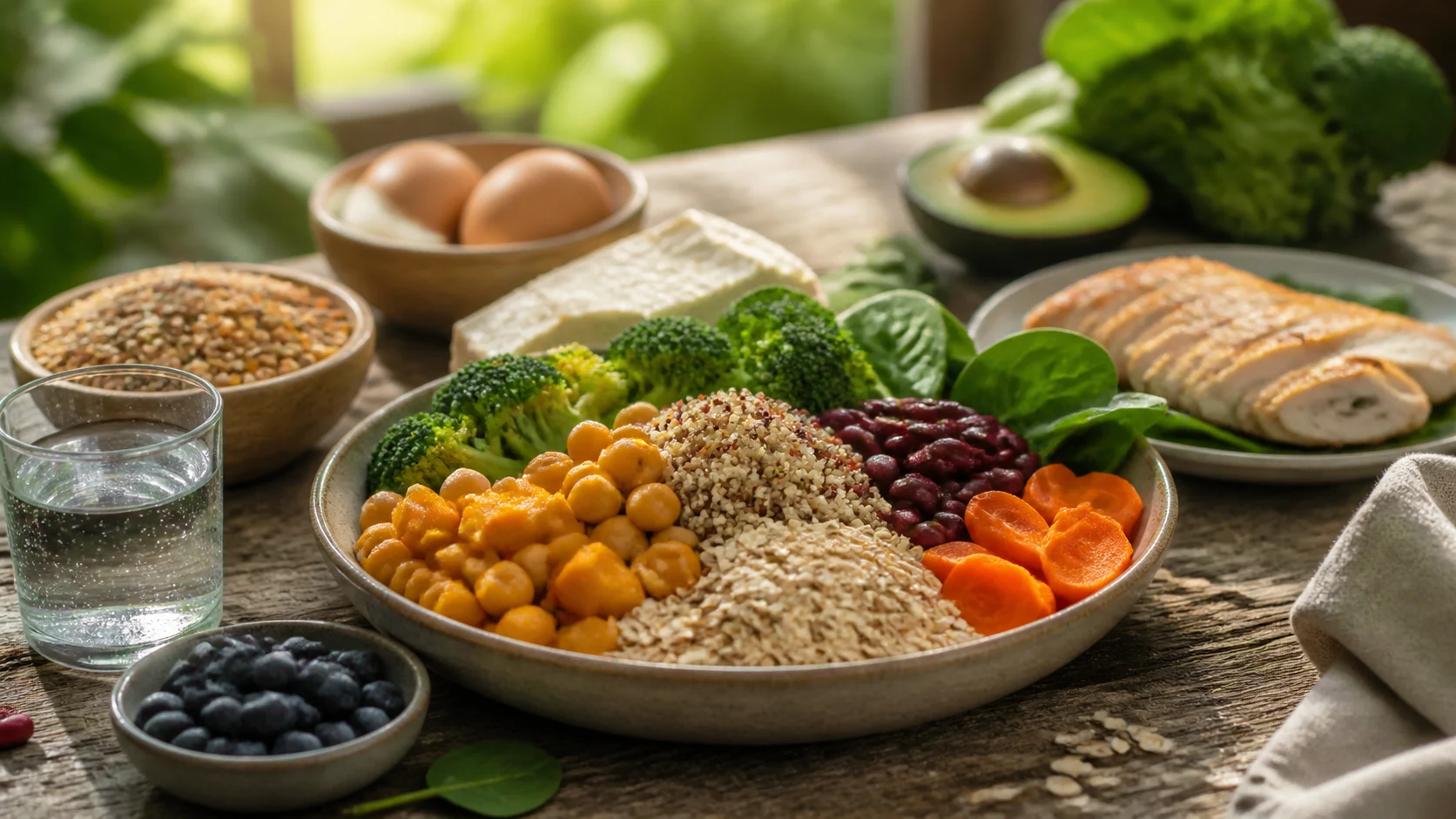
A gentle guide to building a balanced diet that supports steady energy and blood pressure without strict rules. The article explains how simple, realistic meals can become the best diet for bp in everyday life.
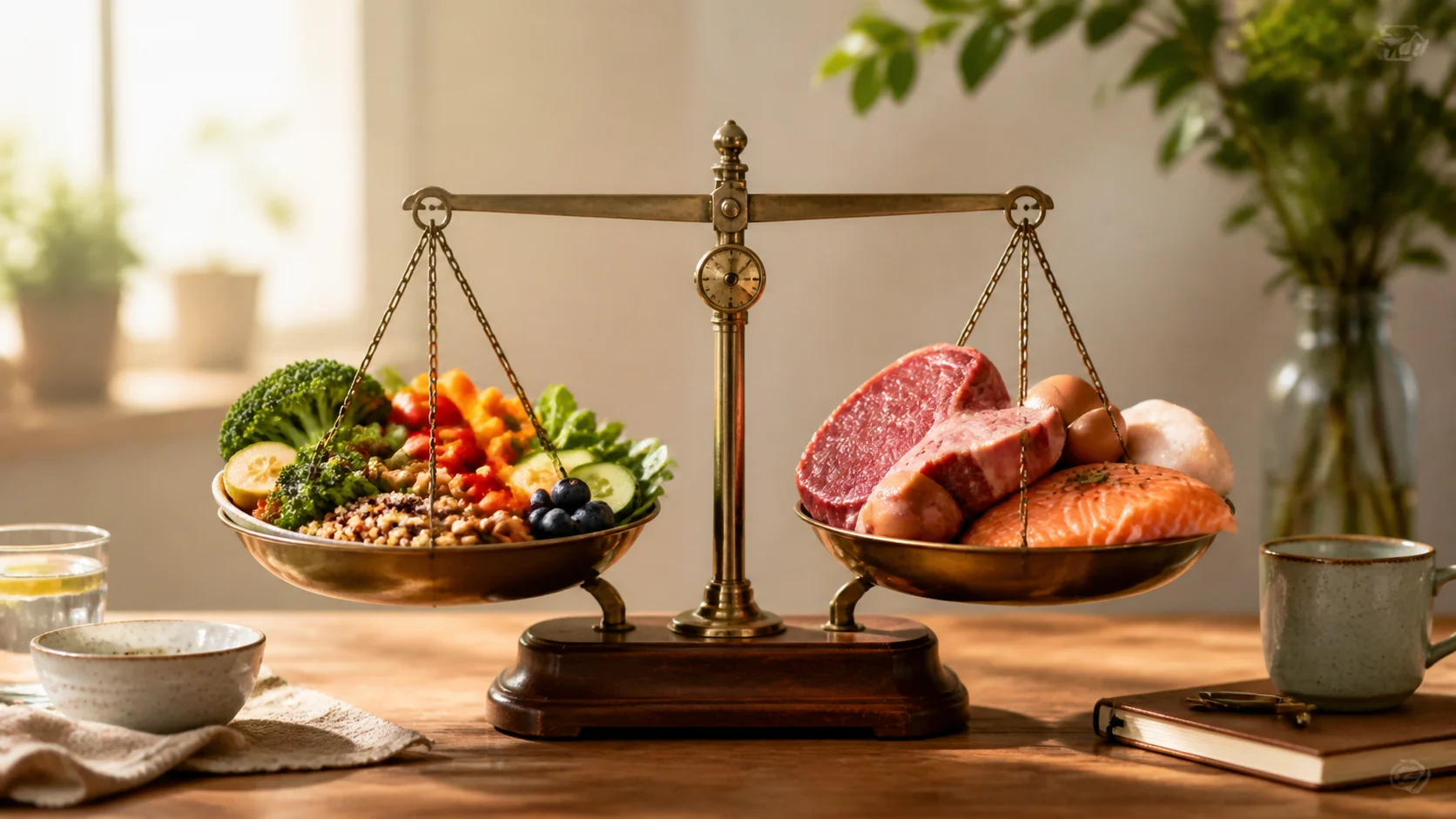
A calorie deficit diet does not have to mean rigid rules or food anxiety. This article explores a gentler way to create a small, sustainable energy deficit through balanced meals, steady hunger support, and real-life flexibility. It also offers context for readers curious about a carnivore diet food list and why very restrictive plans may feel simple but harder to sustain.
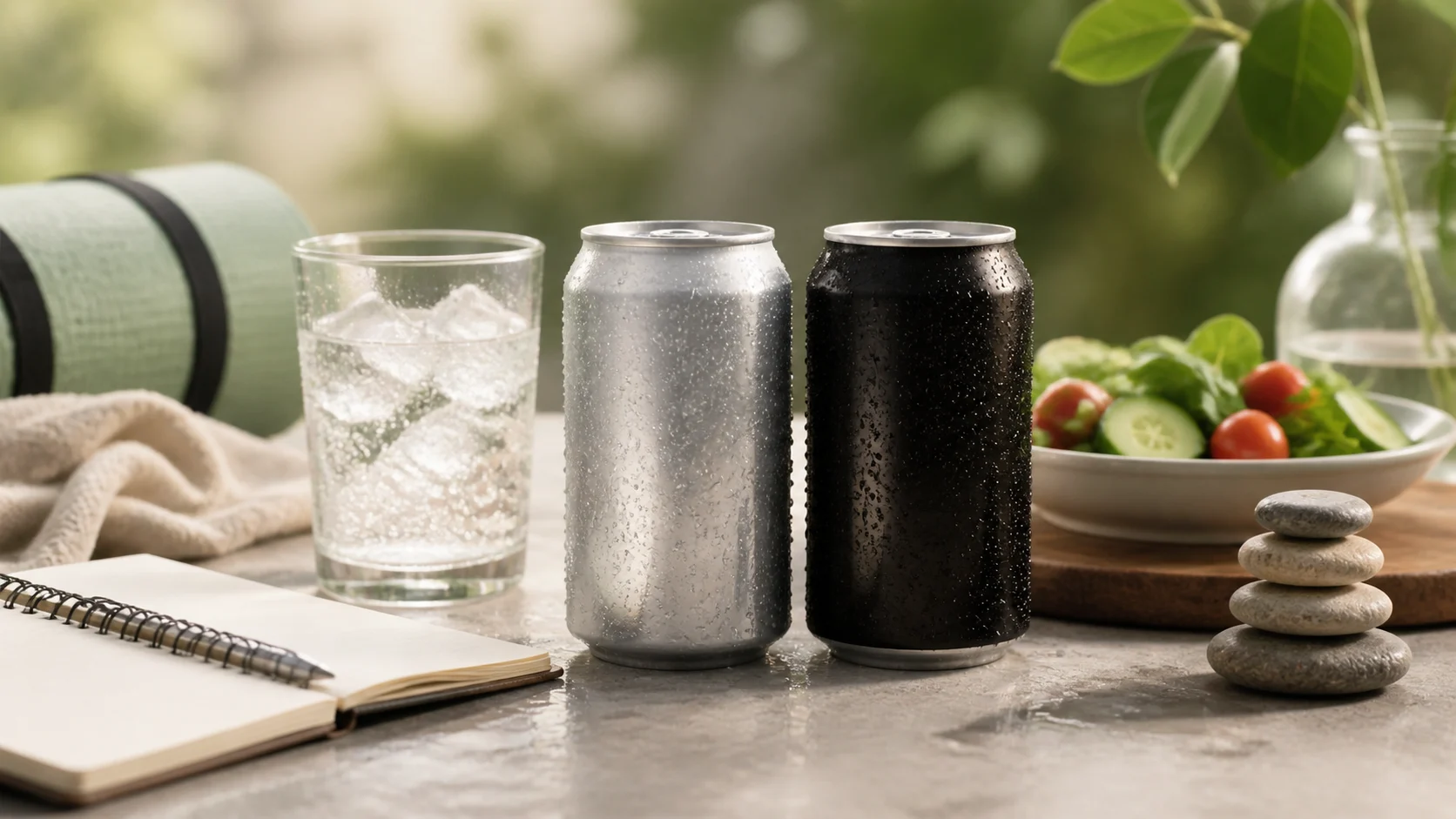
A gentle, practical comparison of diet coke vs coke zero, covering taste, caffeine, and how each drink may fit into a balanced everyday routine without shame or diet culture pressure.
A high fiber diet can support hemorrhoid comfort by helping stools stay softer and easier to pass. This article explains how to increase fiber gently, balance it with hydration, and avoid digestive discomfort, especially for readers also following a high protein diet.
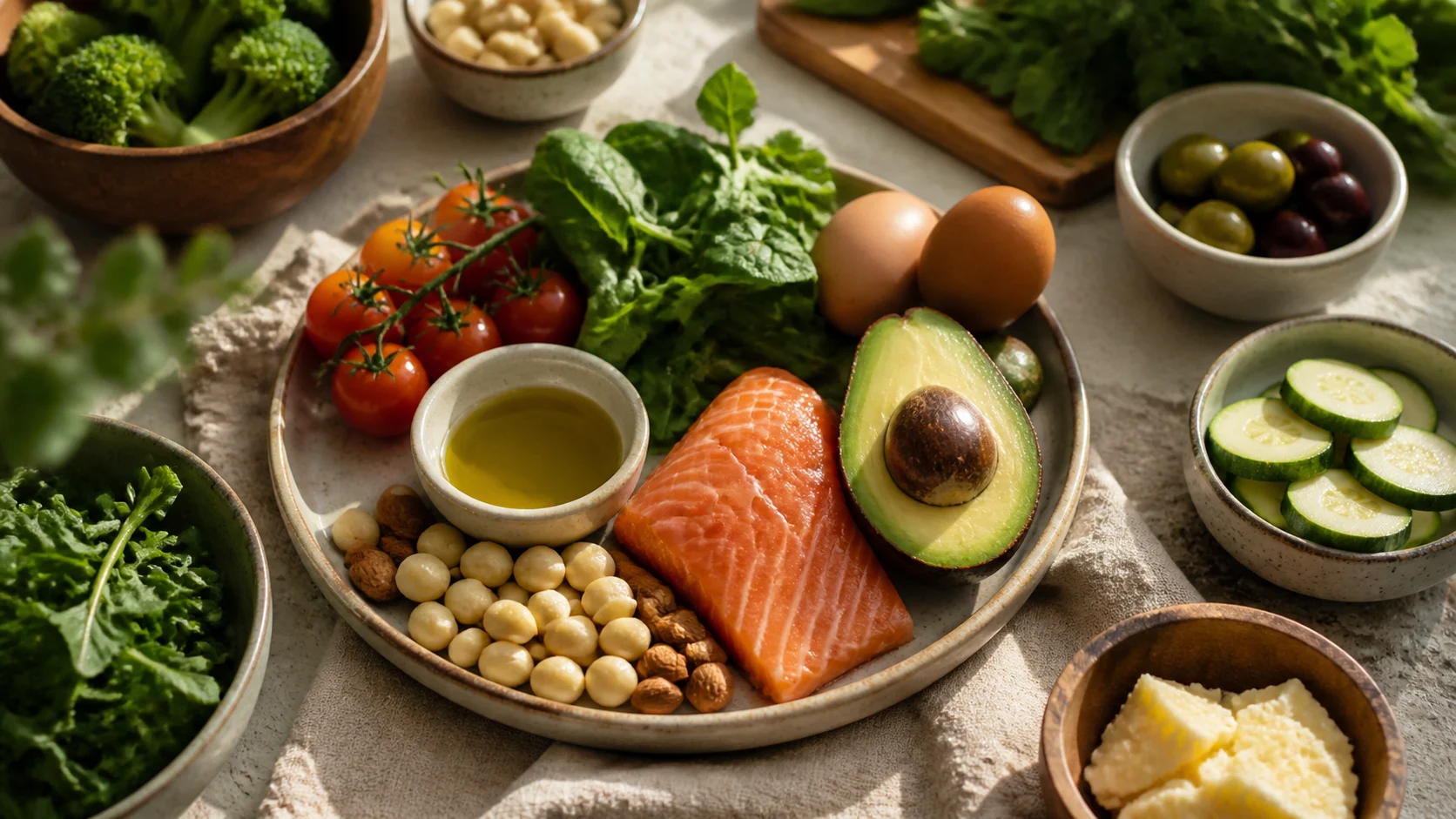
This article offers a gentle, realistic guide to keto diet foods, explaining how they can support satisfying meals and why some of them may overlap with a low fiber diet during certain digestive or low-energy periods. It helps readers understand the difference between the two approaches without promoting rigid food rules.
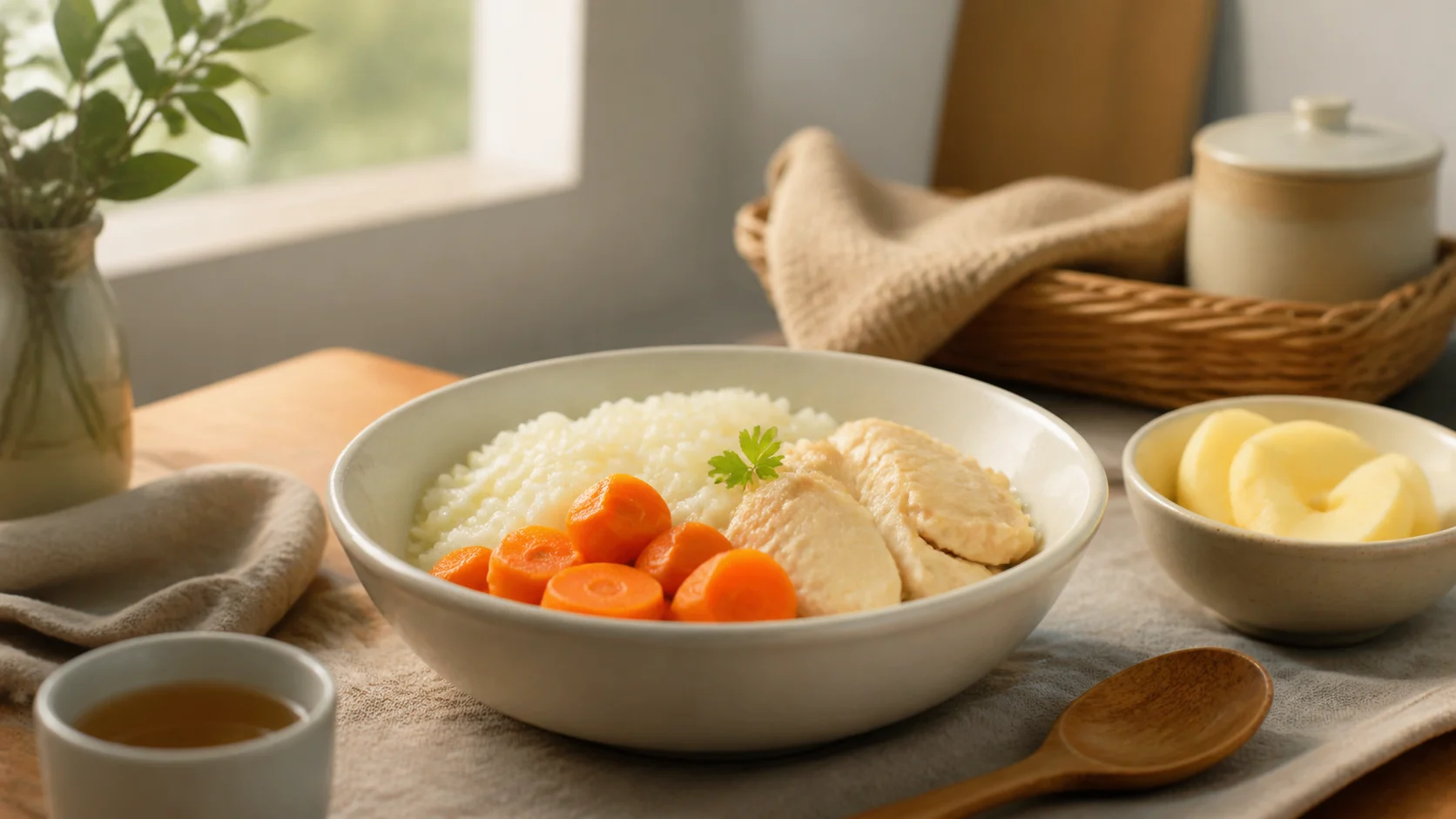
A low residue diet is a short-term, lower-fiber eating approach designed to reduce the amount of undigested material moving through the digestive tract. This article explains how it works, how it differs from a low sodium diet, what foods may feel gentler, and how to build simple meals with more ease and less confusion.
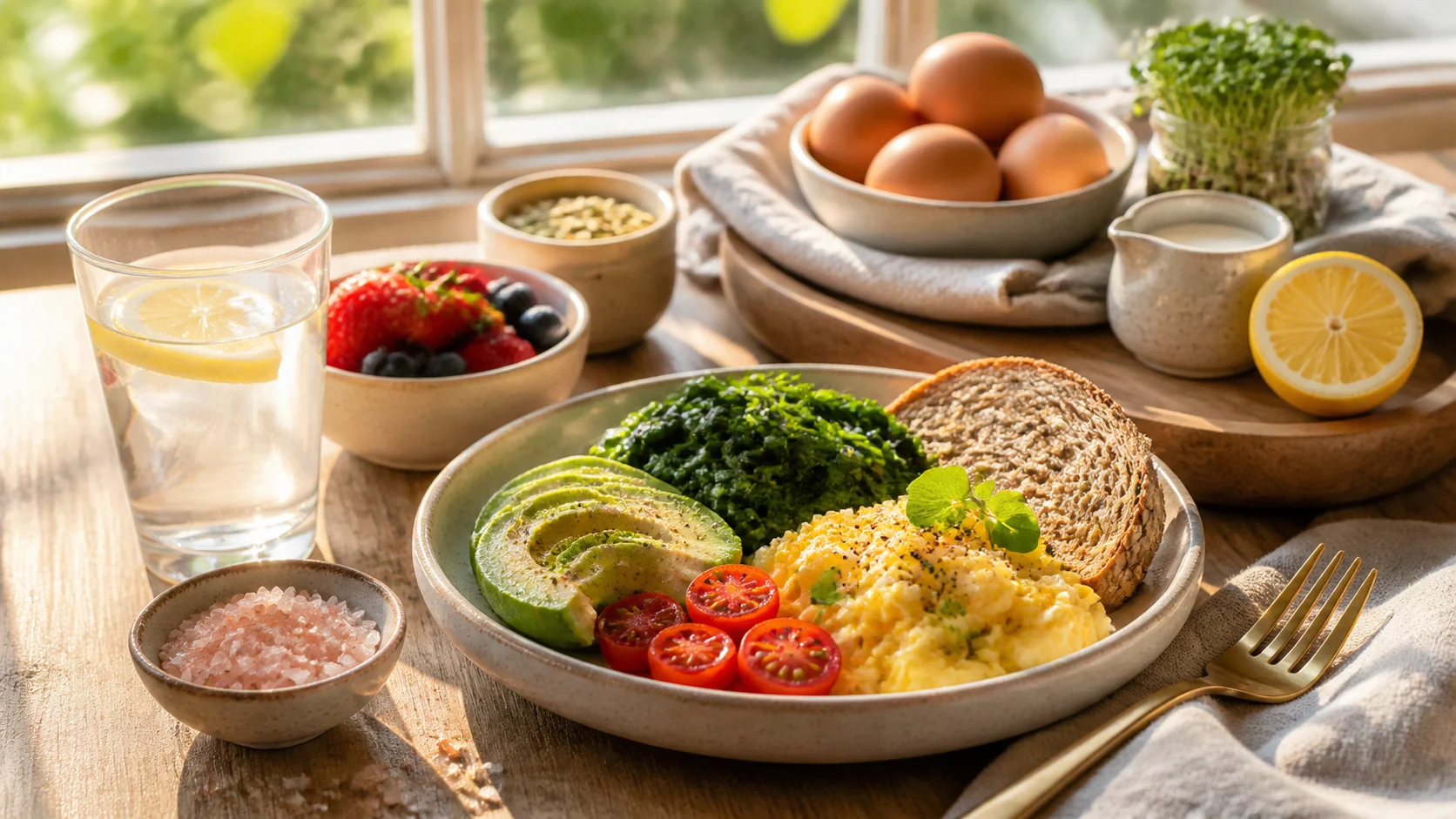
The pink salt diet may sound appealing, but pink salt is not a magic solution for energy or appetite. A gentler, more effective approach is building a balanced breakfast with protein, carbs, fat, and hydration. This article explains what pink salt can and cannot do, and offers realistic breakfast ideas that support steady energy without shame or strict rules.
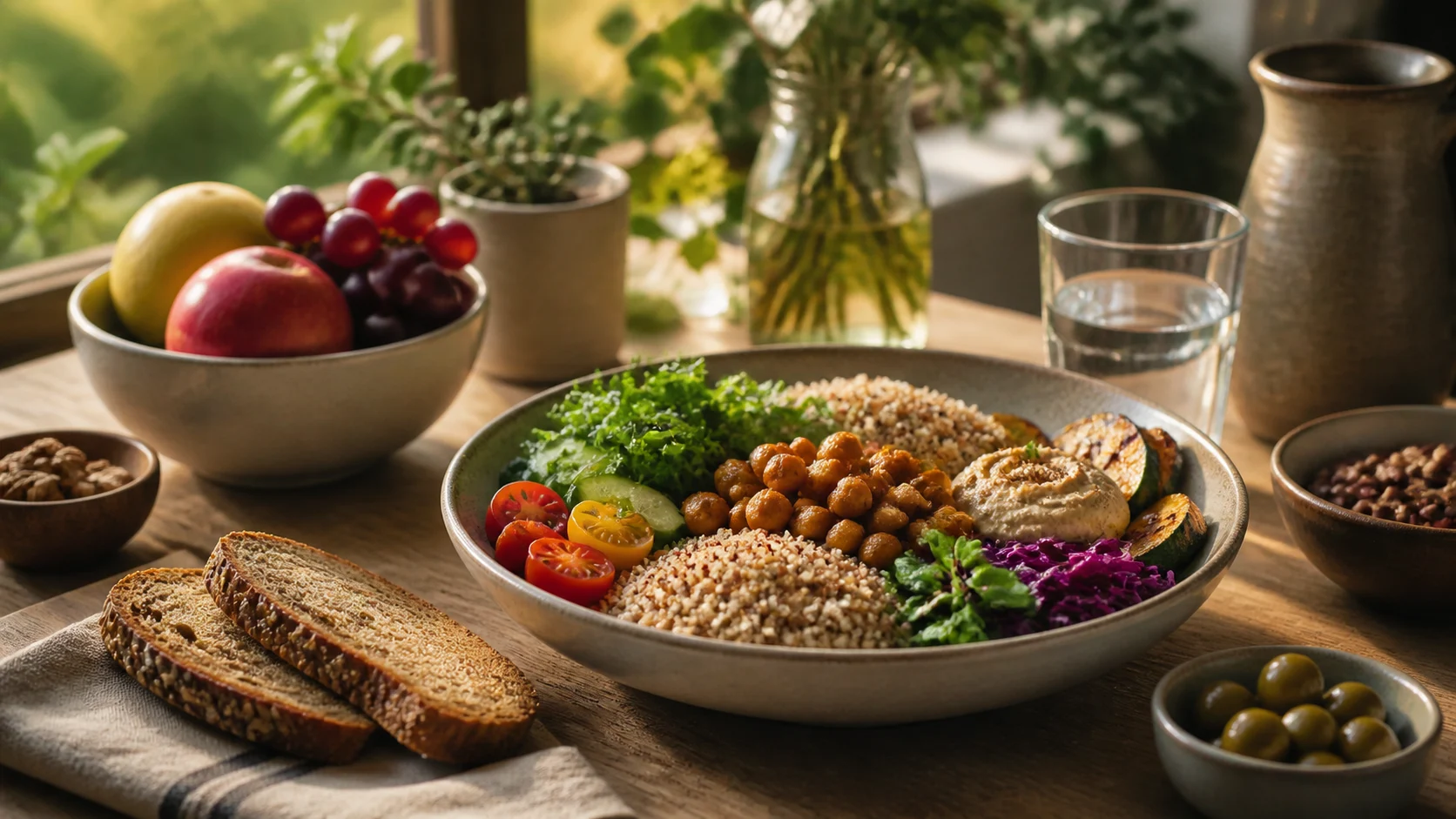
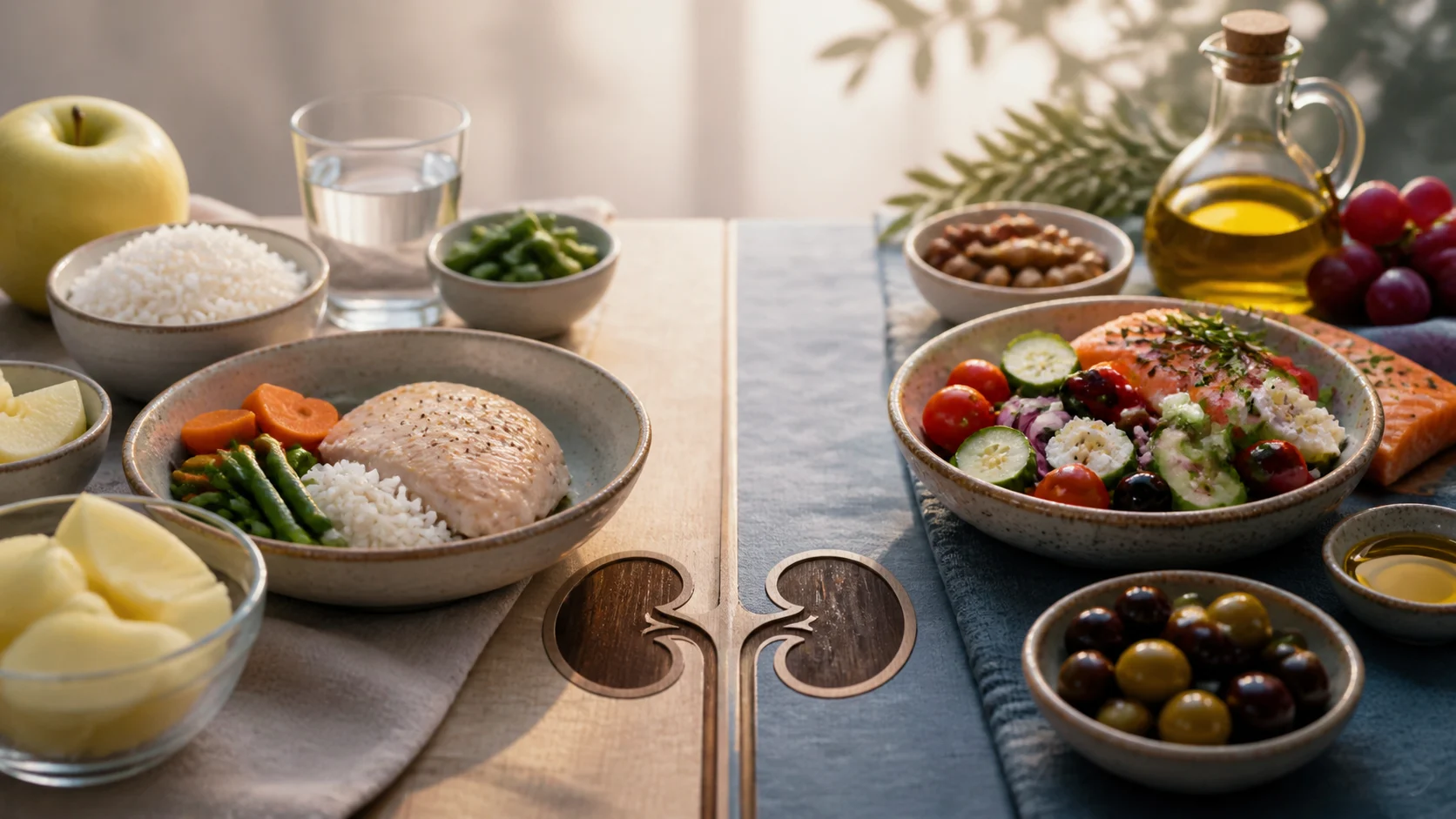
This article gently explains what a renal diet is, how it differs from the Mediterranean diet, and why kidney-friendly eating often requires more personalized choices around sodium, potassium, phosphorus, protein, and fluids.
Diet Pepsi contains caffeine, typically about 35 mg in a 12-ounce can, while Diet Coke usually has about 46 mg. This article gently compares the two and explains why the better choice often depends on caffeine sensitivity, meal timing, stress, and overall energy patterns rather than strict rules.